A dental implant that feels loose, painful, or difficult to clean can be unsettling, especially after you have already invested time and trust in treatment. The good news is that implant revision surgery outcomes can be very positive when the underlying concern is identified early and treated with a carefully coordinated plan. Revision does not automatically mean starting over. In many cases, it is a focused process to restore the health, stability, and function of your smile.
What Is Implant Revision Surgery?
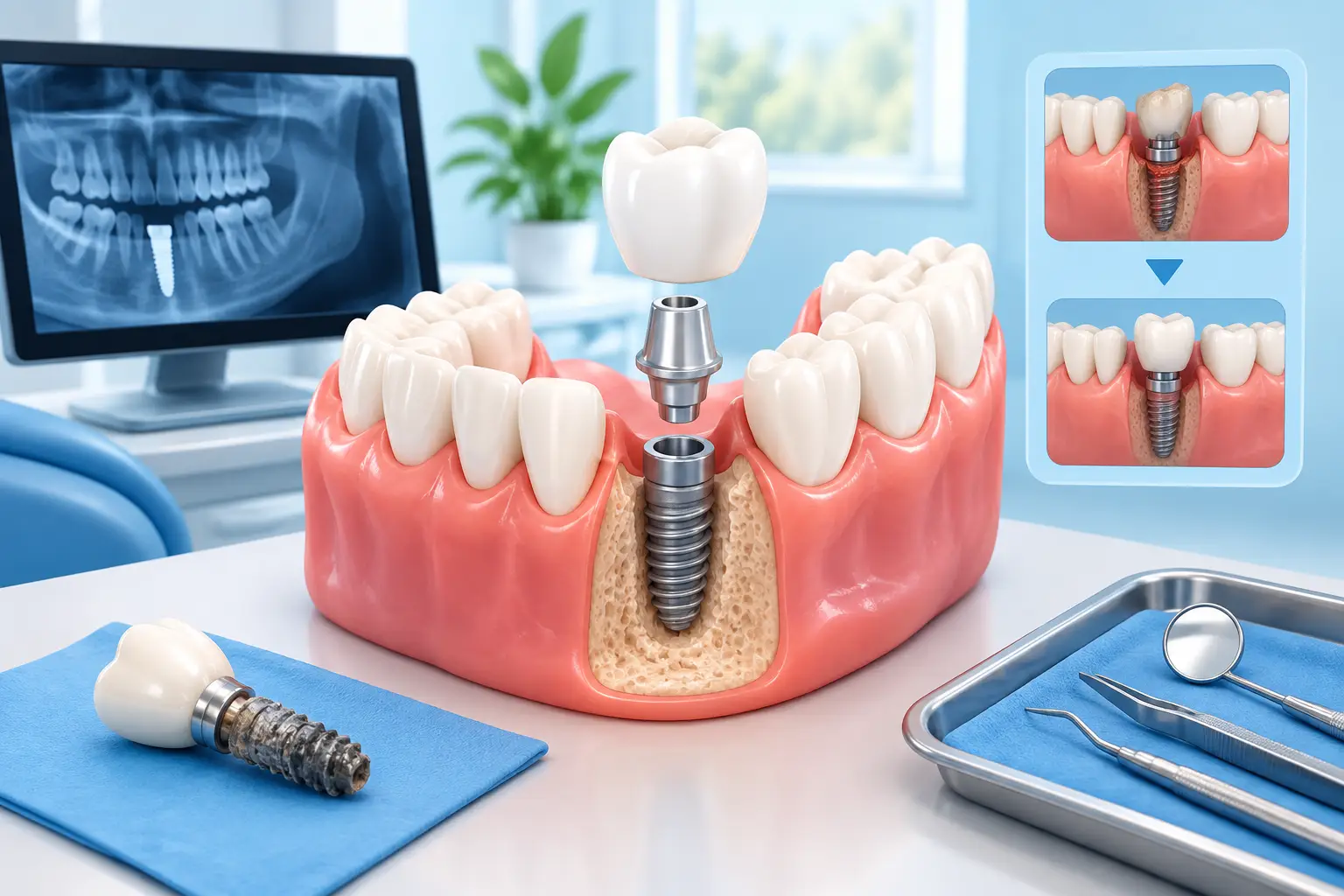
Implant revision surgery refers to treatment performed to correct a problem involving an existing dental implant, the restoration attached to it, or the surrounding gum and bone. The treatment can range from adjusting or replacing a crown to removing an implant, rebuilding lost bone, and placing a new implant after healing.
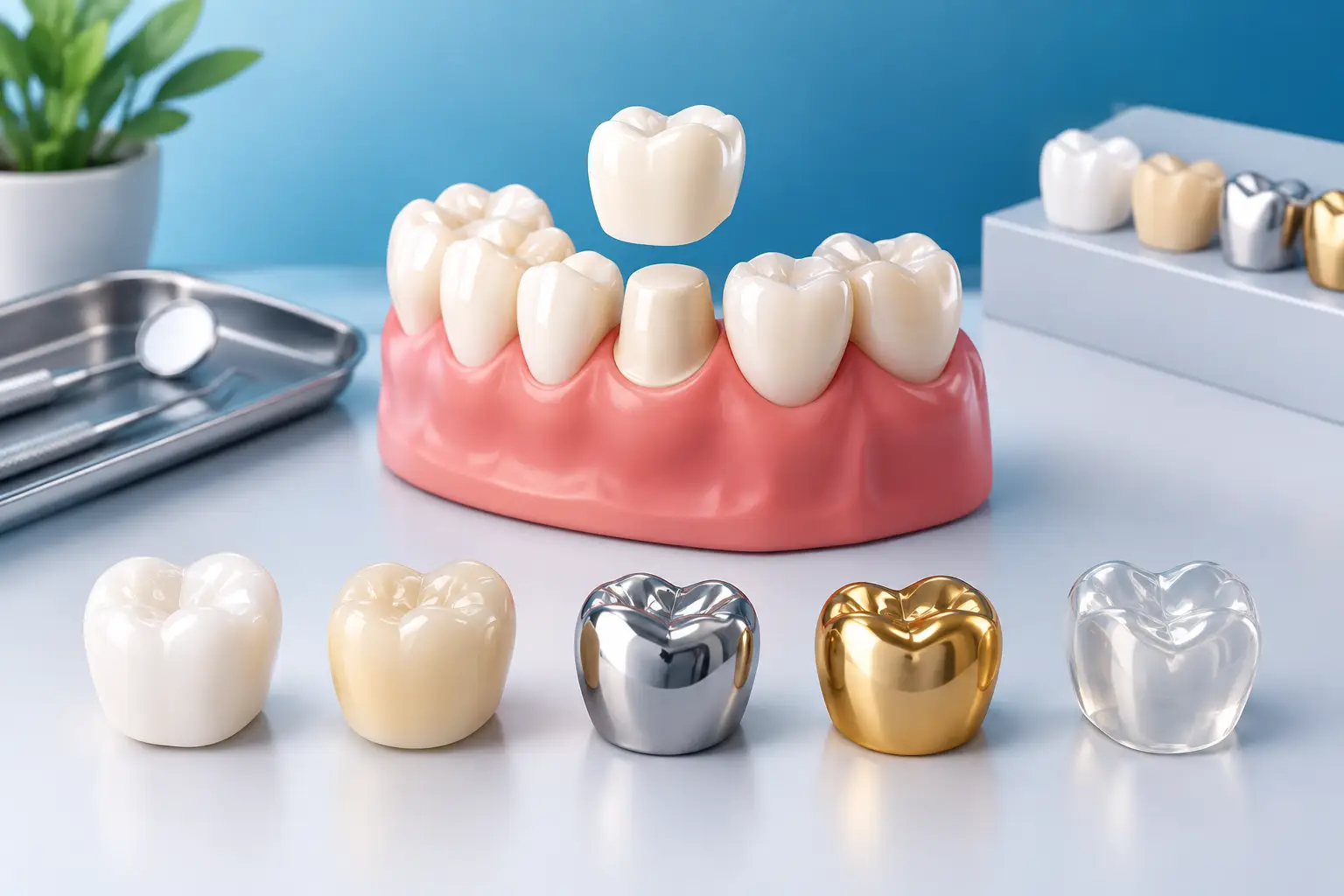
The right approach depends on what has changed and why. A crown may be chipped, loose, or poorly fitting while the implant itself remains healthy. In other situations, inflammation around the implant or loss of supporting bone may require more involved care. An implant that never fully integrated with the bone may need to be removed and replaced after the area has healed.
A thorough evaluation is the starting point. Your dental team may examine your bite, assess gum health, measure bone support, review your medical history, and use detailed imaging to see what cannot be assessed from the surface. This diagnostic work helps avoid treating only the visible symptom while missing the cause.
Implant Revision Surgery Outcomes Depend on the Cause
People often want a single success rate, but revision outcomes are more personal than one number can convey. The most useful question is whether the cause of the problem can be controlled and whether there is enough healthy bone and gum tissue to support a long-term result.
When a complication is limited to the restoration, outcomes are often straightforward. Replacing a worn crown, correcting excess pressure from the bite, or improving the fit of a bridge may protect a stable implant and make chewing comfortable again.
When infection or bone loss is present, the treatment path can be more complex. Peri-implant disease, an inflammatory condition affecting the tissue around an implant, may require professional cleaning, surgical access, bone or gum grafting, and changes to home care. Earlier treatment generally offers more options because more supporting tissue remains.
If an implant must be removed, replacement is not always immediate. Sometimes the safest choice is to allow the site to heal or rebuild bone first. Waiting can feel disappointing, but it may create a stronger foundation for the next stage of treatment. A durable result matters more than rushing to a finish line.
Common Reasons an Implant May Need Revision
Dental implants are designed to be long-lasting, but they are not maintenance-free and can be affected by several factors. A revision plan begins by separating an implant problem from a restoration problem, since they are treated differently.
An implant may need attention because of infection, gum recession, bone loss, a fracture, or failure to bond adequately with the jawbone. Excessive biting forces can also matter. Grinding or clenching may loosen a screw, damage a crown, or place stress on the implant and surrounding bone over time.
Systemic health and lifestyle factors also play a role. Smoking, uncontrolled diabetes, certain medications, dry mouth, and a history of gum disease can affect healing or raise the risk of inflammation. These factors do not necessarily rule out successful treatment. They do mean your care team should plan thoughtfully, discuss risks honestly, and support you with a maintenance schedule suited to your needs.
Why Coordinated Care Can Improve the Plan
Revision cases benefit from looking at the entire mouth, not only the implant site. The implant position, gum tissue, bone volume, bite, neighboring teeth, and appearance of the final restoration all influence the result.
A coordinated team can be especially helpful when treatment requires more than one type of expertise. An oral surgeon may address implant removal or placement, a periodontist may manage gum and bone concerns, and a prosthodontist can plan the restoration and bite. General dental care remains part of the picture because healthy natural teeth and gums support the longevity of any implant treatment.
At Seattle Oral Care, this collaborative approach allows complex restorative decisions to be considered together rather than as separate steps. For patients who feel anxious after a previous implant complication, clear explanations and a phased plan can make treatment feel more manageable.
What Treatment and Healing May Look Like
Revision treatment is highly individualized. Some patients need a single visit to replace a damaged restoration. Others need several stages over months, particularly when grafting or extended healing is necessary.
If an implant is removed, your clinician will clean the site and evaluate the available bone. A graft may be placed to preserve or rebuild the area. After healing, imaging and an examination help determine whether a new implant can be placed. Once the implant is stable in the bone, the final crown, bridge, or denture is designed to fit comfortably and distribute biting forces appropriately.
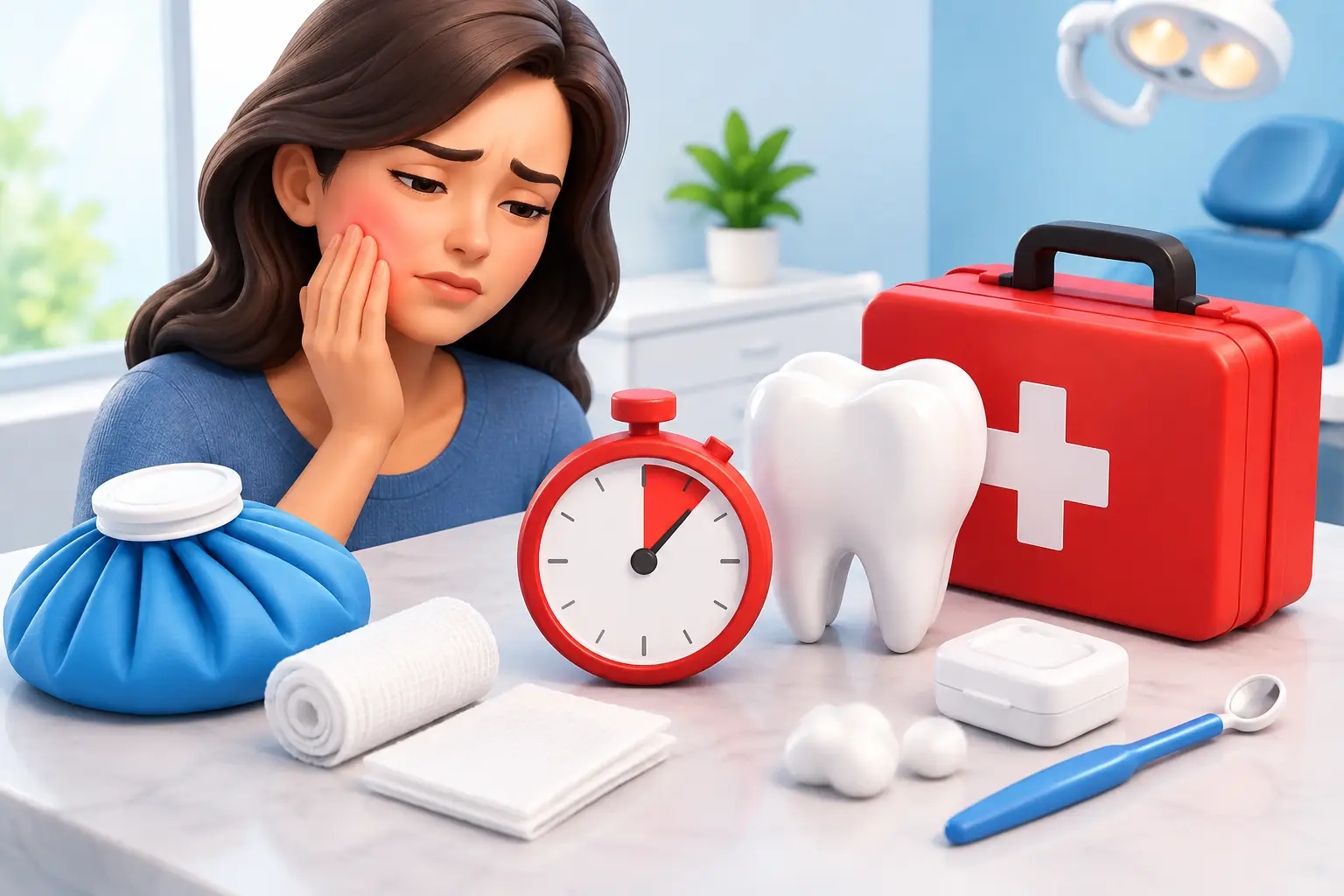
Discomfort after surgery is usually temporary and can often be managed with the postoperative instructions and medications recommended by your dental team. Swelling, tenderness, and minor bleeding can be normal in the early days. Worsening pain, persistent bleeding, fever, drainage, or a loose implant should be reported promptly.
During healing, following instructions closely matters. This may include eating softer foods for a period, avoiding tobacco, taking prescribed medication as directed, and keeping the area clean without disturbing the surgical site. These practical steps protect the healing tissues while your body does its work.
Questions Worth Asking at Your Consultation
You deserve a clear understanding of both the potential benefits and the limitations of revision treatment. Ask what likely caused the complication, whether the implant itself is salvageable, and what alternatives are available if replacement is not recommended.
It is also reasonable to ask about the expected timeline, the role of grafting, temporary tooth-replacement options, and how your bite will be evaluated. If you grind your teeth, ask whether a night guard could help protect your new restoration. If gum disease contributed to the issue, ask how often maintenance visits should be scheduled.
A trustworthy recommendation should explain why a particular approach fits your oral health, not simply present the fastest option. In some situations, saving the implant is appropriate. In others, removal and a fresh start offer the more predictable path.
Protecting Your Result for the Long Term
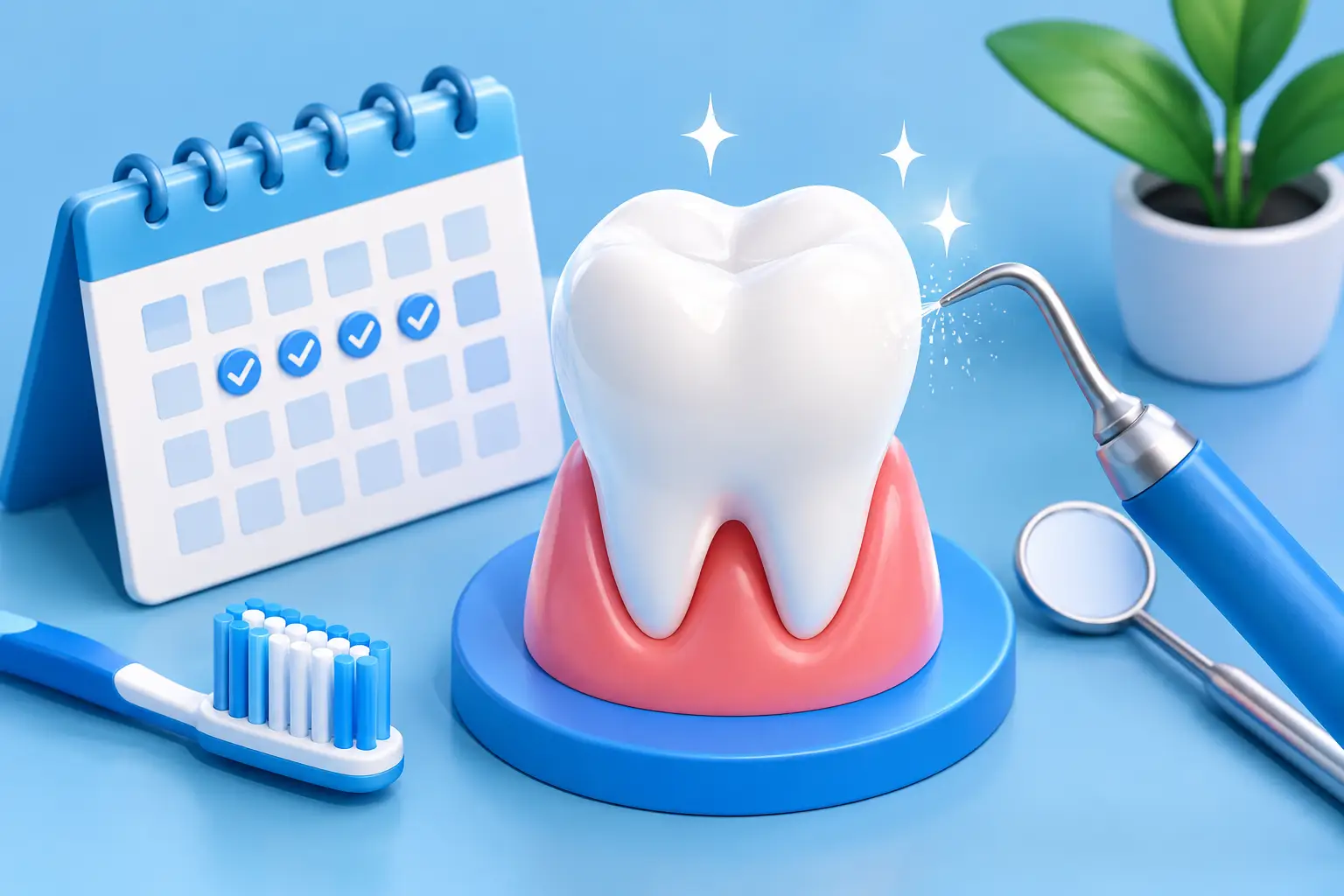
After revision, regular maintenance is one of the most effective ways to protect your investment. Implants cannot develop cavities, but the gum and bone around them can still become inflamed. Daily brushing, cleaning around the implant with the tools recommended for you, and professional exams help identify small changes before they become larger problems.
Your restoration should also be checked periodically for wear, looseness, and bite changes. Teeth can shift, crowns can wear, and clenching patterns can place new stress on an implant. Addressing these changes early is often simpler and less invasive than waiting until discomfort develops.
If you have noticed bleeding around an implant, a change in how your bite feels, persistent tenderness, or a restoration that moves, arranging an evaluation sooner can preserve more treatment options. A careful assessment can replace uncertainty with a practical plan - and help you move forward with a smile that feels comfortable, stable, and truly your own.