If you are someone who lost teeth to gum disease asking if implants are still possible, the answer is often yes - with the right preparation and long-term care. Full arch implants after gum disease can restore the ability to eat, speak, and smile with confidence, but implants are not a way to skip over the infection that caused tooth loss. The health of your gums, bone, bite, and overall health must come first.
For many people, losing teeth to periodontal disease carries more than a physical burden. It can change how you eat at restaurants, make you avoid photos, or leave you worried that your mouth is beyond help. It is not. A thoughtful implant plan can offer a stable, lasting path forward, even after advanced gum disease.
Why Gum Disease Changes Implant Planning
Periodontal disease is a chronic bacterial infection that damages the gums and bone supporting the teeth. When it progresses, teeth can loosen or be lost because the foundation around them is no longer strong enough. Dental implants replace missing tooth roots, but they also depend on healthy, stable bone and gum tissue for support.
That distinction matters. An implant cannot develop a cavity, but the tissue around it can become inflamed or infected. This condition, called peri-implant disease, can lead to bone loss around an implant if it is not addressed. A history of periodontal disease does not automatically rule out implants. It does mean your treatment should be planned with particular attention to controlling infection and protecting your results.
For implants after periodontal disease, the question is not simply, “Do I have enough bone?” It is also, “Is the disease under control, can I keep it under control, and what will help me maintain that health for years?”
When Full Arch Implants May Be Possible
Full mouth implants and gum health can work well together when the active disease has been treated and a patient is committed to ongoing maintenance. Some people need a period of periodontal treatment before implant surgery. Others have teeth that cannot be saved and may be candidates for tooth removal, infection control, and implant treatment in a carefully coordinated sequence.
Your care team will look at several factors: the amount and quality of jawbone, gum condition, signs of active infection, medical history, medications, bite forces, and daily home care habits. Smoking or vaping, poorly controlled diabetes, and inconsistent hygiene can raise the risk of complications. None of these concerns should be treated as a reason for shame. They are important clinical details that help shape a safer plan.
In many cases, the gums and bone need time to heal before the next step. Bone grafting may be recommended if periodontal disease has caused significant bone loss. Waiting can feel discouraging when you are ready to move on from failing teeth, but the timing should serve the health of your final result rather than a rushed schedule.
A Full Arch Is Not One-Size-Fits-All
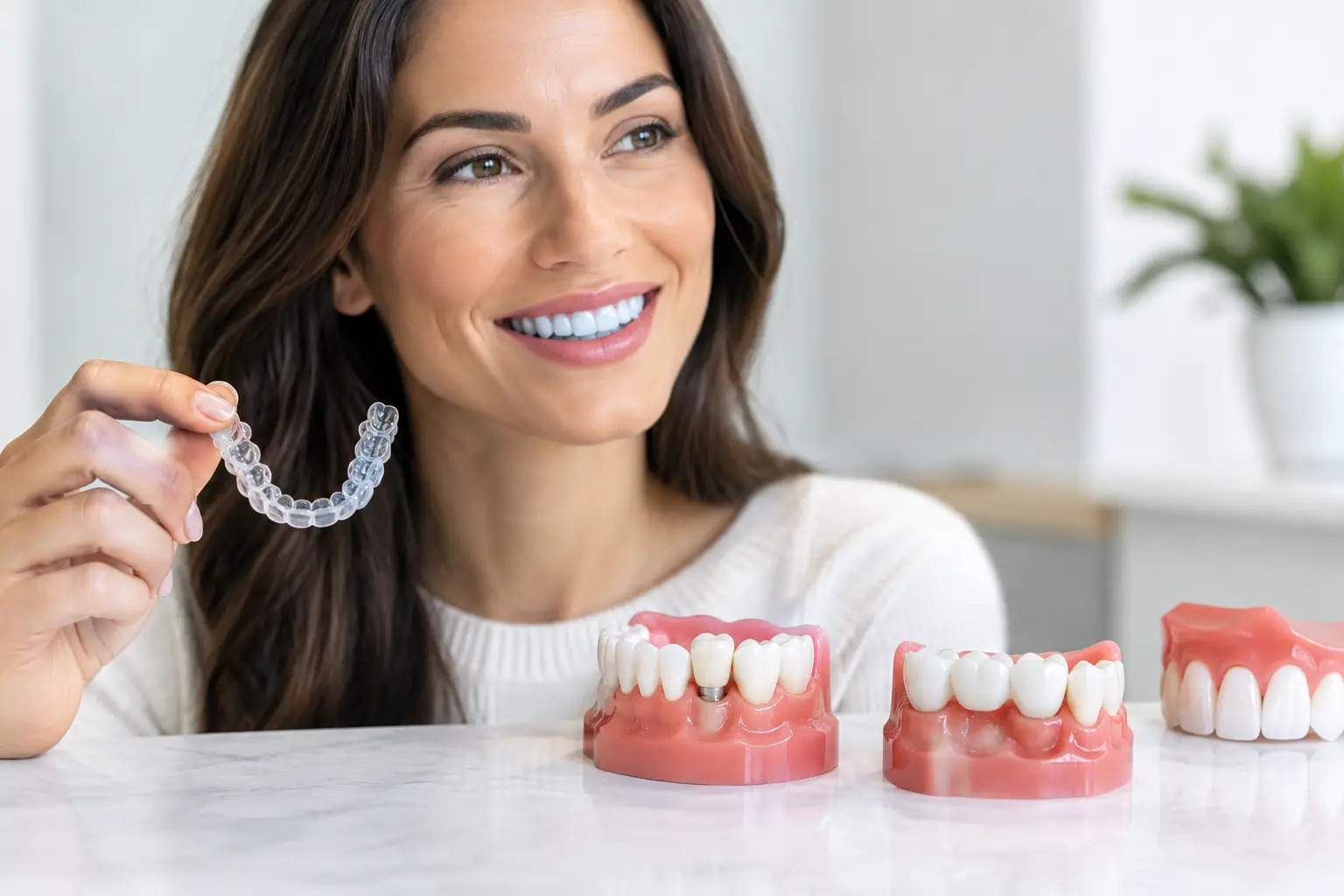
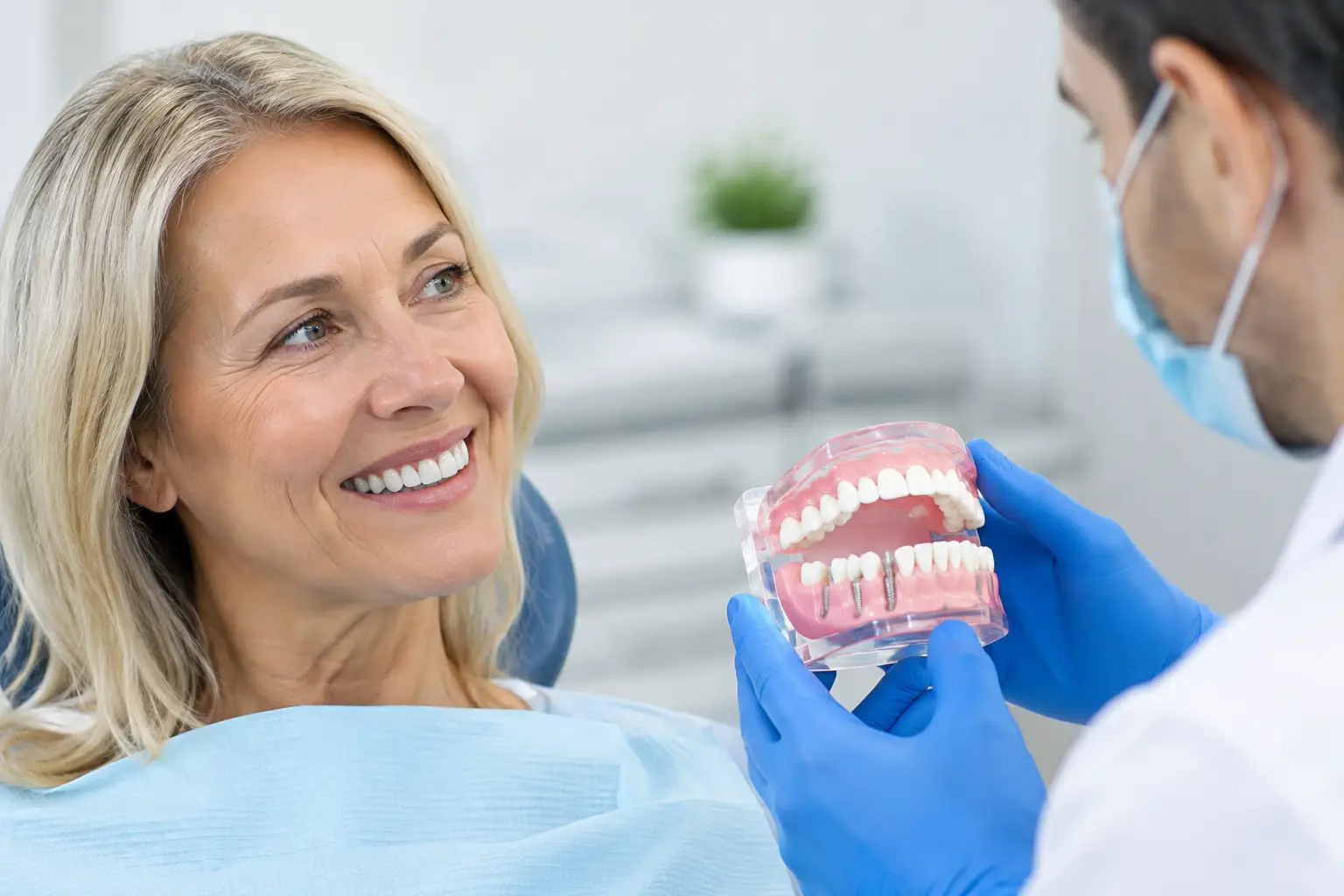
A full arch restoration replaces all teeth in the upper jaw, lower jaw, or both. It may be a fixed bridge that stays in place or an implant-supported denture that can be removed for cleaning. The right option depends on your anatomy, bone support, bite, goals, budget, and ability to maintain the restoration.
A fixed full arch can feel very close to natural teeth and is appealing to many patients. However, it still requires daily cleaning underneath the bridge and regular professional visits. An implant-supported removable option can make cleaning more direct and may be the better clinical or financial fit for some patients. A good recommendation is not always the most elaborate option. It is the option that gives you a healthy, maintainable result.
What a Careful Evaluation Includes
A proper implant consultation should not begin and end with a quick look at missing teeth. Advanced imaging helps evaluate the jawbone, sinus areas in the upper jaw, nerve pathways in the lower jaw, and areas where grafting may be needed. A periodontal examination checks for inflammation, bleeding, pockets around existing teeth, and the condition of the surrounding tissue.
Your dentist should also review how your teeth come together. A strong bite or nighttime grinding can place substantial pressure on implants and restorations. For some patients, a protective night guard is part of maintaining a full arch restoration over time.
At Seattle Oral Care, complex cases can be planned by a coordinated team that includes a prosthodontist, general dentist, oral surgeon, and periodontist. That coordination matters when gum disease, tooth removal, surgery, and final restorations all need to work together. It also gives patients a clearer understanding of what happens first, what can wait, and why each step is recommended.
Treating the Cause Before Replacing the Teeth
Tooth loss from gum disease does not mean gum disease has disappeared. The bacteria associated with periodontal disease can still affect the tissues around remaining teeth and implants. Before and after implant treatment, professional cleanings and periodontal maintenance help monitor for early signs of trouble.
At home, implants need more than a quick brush. Depending on the type of restoration, your dentist may recommend an electric toothbrush, floss threaders, an oral irrigator, small interdental brushes, or specialized cleaning tools. The exact routine should fit your restoration and your dexterity. The best home-care plan is one you can actually follow every day.
Regular maintenance appointments are equally important. During these visits, your dental team can check the gums around implants, evaluate your bite, remove hardened buildup, and inspect the restoration for wear or loosening. Small concerns are usually easier to manage when identified early.
Questions Patients Often Ask
Can implants fail because I had gum disease?
Past gum disease increases the risk of inflammation around implants, particularly if the disease is still active or maintenance is inconsistent. It does not mean failure is inevitable. With disease control, careful surgical planning, excellent home care, and regular periodontal maintenance, many patients can have successful implant outcomes.
Do I need to be completely free of gum disease first?
Active infection and inflammation need to be evaluated and treated before, or as part of, your implant plan. If all teeth are being removed because of severe disease, treatment may focus on eliminating infected teeth and tissue while creating a healthy foundation for implants. The timing is individualized.
What if I have very little bone left?
Bone loss does not automatically eliminate your options. Depending on where bone has been lost, treatment may involve grafting, strategic implant placement, a different restoration design, or a removable implant-supported solution. A 3D evaluation is the best way to understand what is realistic for your jaw.
Will full arch implants stop gum disease from coming back?
Implants do not get gum disease in the same way natural teeth do, but they can develop destructive inflammation around them. Ongoing care remains essential. Think of implants as a long-term investment that needs maintenance, not as a finish line where dental visits no longer matter.
A Better Next Step Than Guessing
If you have been told that gum disease has caused too much damage, it is reasonable to feel uncertain about your choices. A comprehensive evaluation can replace uncertainty with a plan: which teeth may be saved, whether implants are appropriate, how to create a healthier foundation, and what maintenance will protect your new smile.
You do not need perfect dental history to pursue a healthier future. You need an honest assessment, a team that listens, and a plan built around what will be stable and maintainable for you.