A full arch of implant-supported teeth can change how you smile, speak, and enjoy daily life. But in the first weeks, what can you eat after full arch implants is not a minor question. Your temporary teeth may look and feel remarkably natural, yet the implants beneath them are still healing into the jawbone. Protecting that healing process is one of the best ways to support a lasting result.
For many patients, the adjustment is more manageable when they know the food plan ahead of time. The goal is not to eat perfectly or go hungry. It is to choose nourishing foods that require little to no biting force while following the specific instructions from your oral surgeon and restorative dentist.
Why temporary implant teeth need a careful diet
All-on-4 treatment and other full-mouth implant plans often allow for a fixed temporary bridge soon after surgery. That is a major advantage over leaving the office without teeth. Still, temporary teeth are not a signal that it is safe to return immediately to steak, crusty bread, or crunchy snacks.
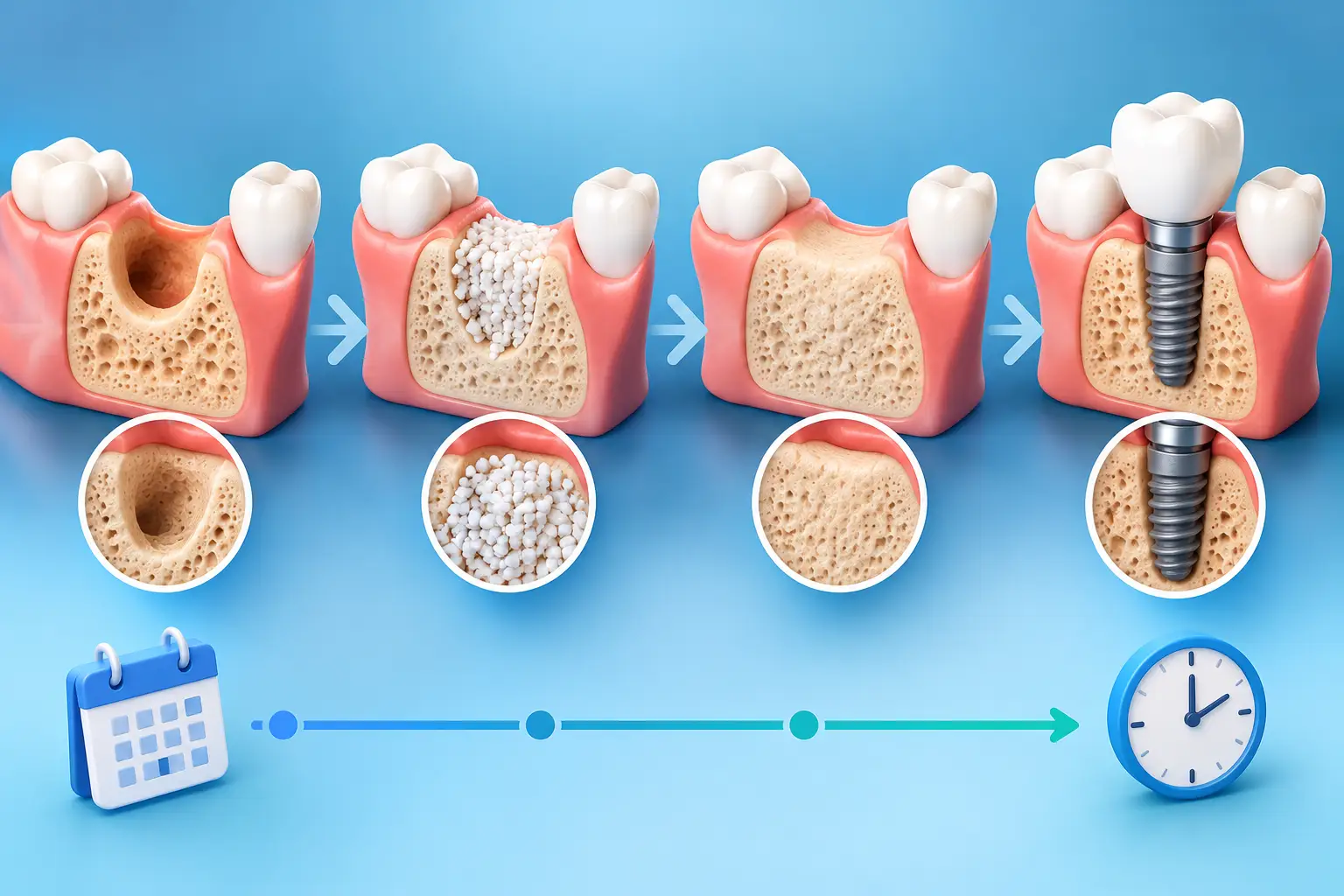
During healing, your implants need time to form a stable connection with the bone. This process is called osseointegration. Repeated heavy pressure can irritate the surgical area, stress the implants, or damage the temporary bridge. Temporary materials can also chip or crack more easily than your final teeth.
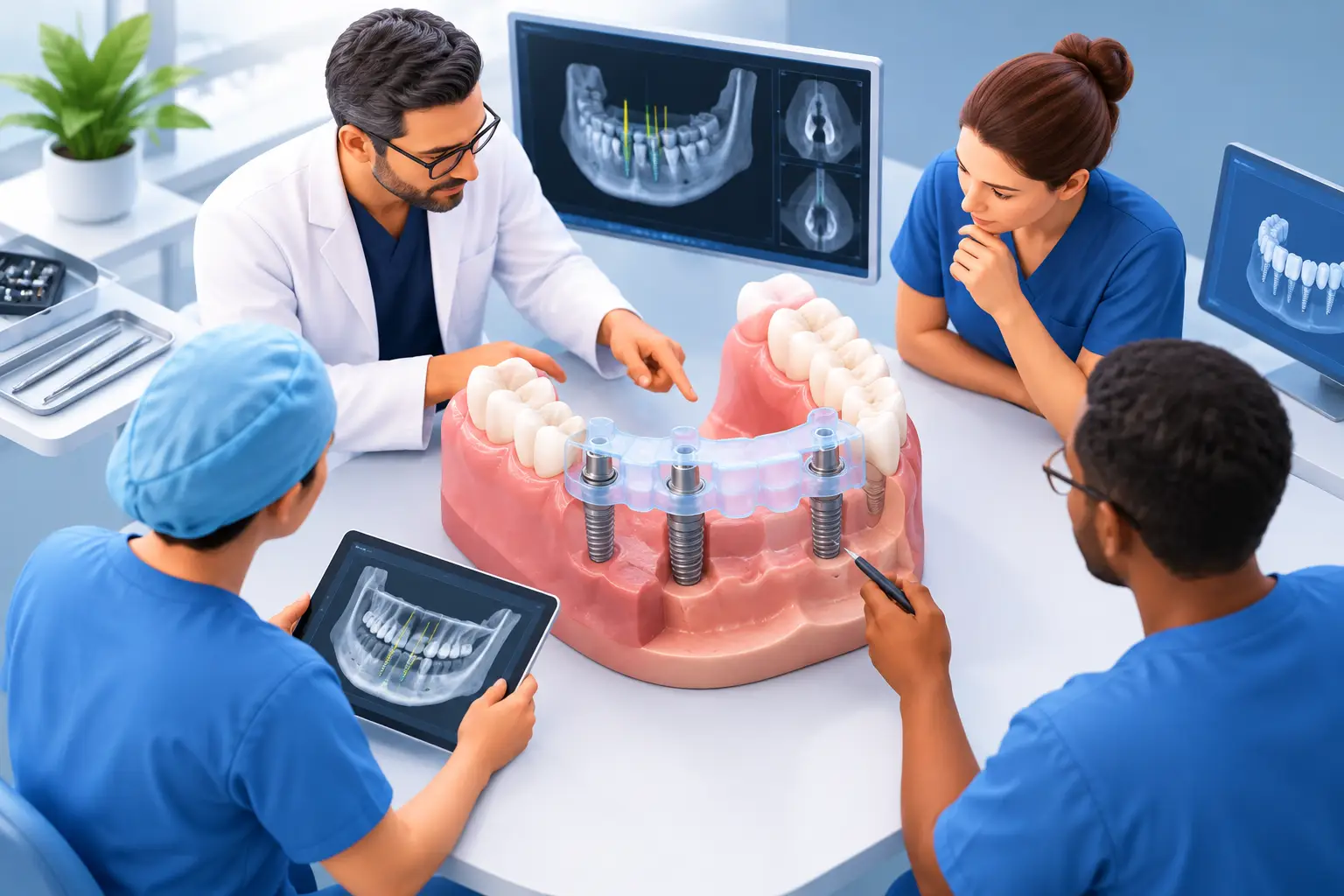
Your care team will set the schedule that applies to your case. Bone quality, the number and position of implants, whether grafting was needed, medical history, and how your bite comes together can all affect dietary recommendations. When in doubt, choose the softer option and call the office before testing a new food.
The all-on-4 temporary teeth diet: what to eat first
For the first day or two, you may feel most comfortable with cool or room-temperature liquids and very soft foods. Swelling, tenderness, and numbness can make chewing awkward, so avoid hot foods and drinks until numbness has resolved. Hot temperatures can increase bleeding and can accidentally burn areas you cannot fully feel.
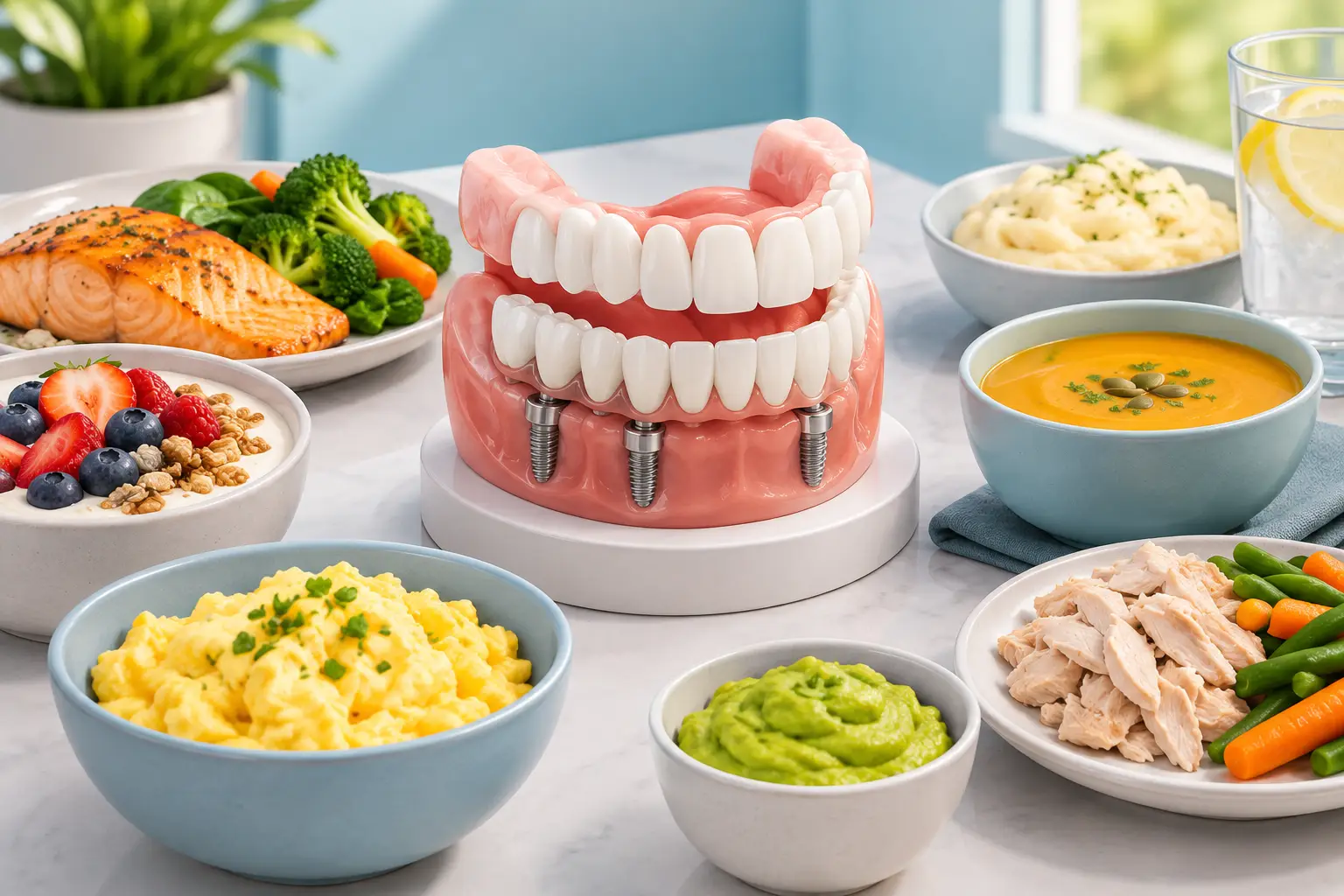
Good early choices include smooth yogurt, pudding, applesauce, protein shakes eaten with a spoon, blended soups that have cooled, meal-replacement drinks, and mashed potatoes. If your surgeon has advised you not to use a straw, follow that direction. The suction from a straw can interfere with early healing in some surgical situations.
Protein and fluids matter. Recovery is demanding work for your body, and many people unintentionally eat too little when their mouth is sore. A smoothie with Greek yogurt or protein powder, scrambled eggs, a blended bean soup, or a soft fish dish can provide more staying power than broth alone. If you have diabetes or another condition that affects diet, plan meals with your medical and dental teams rather than relying on sugary drinks and desserts.
Soft foods after implant surgery that feel like real meals
Once your clinician says you may begin gentle chewing, think fork-tender rather than merely soft. Food should break apart easily with the side of a fork. Cut meals into small pieces, take your time, and avoid biting with the front teeth.
Soft foods after implant surgery can be satisfying and varied. Consider oatmeal or cream of wheat, soft scrambled eggs, cottage cheese, ripe avocado, flaky salmon, tender tofu, well-cooked pasta, macaroni and cheese, mashed sweet potatoes, hummus, refried beans, soft rice, and steamed vegetables cooked until they are very tender. Ground turkey or chicken can work when it is moist and mixed into a sauce, soup, or casserole.
Fruit can be a little more complicated. Bananas, canned peaches or pears in juice, and soft berries are generally easier than apples, raw carrots, or firm grapes. Blend tougher fruits into smoothies if you want their flavor without the chewing challenge.
Foods that can wait
Hard, crisp, sticky, and chewy foods put the most strain on temporary teeth. Many are also easy to forget because they seem harmless in small amounts. A handful of nuts, a piece of jerky, popcorn, ice, tortilla chips, crusty pizza edges, chewy bagels, candy, and raw vegetables are best saved for later.
Be cautious with foods that require a strong front-tooth bite, including whole sandwiches, burgers, corn on the cob, ribs, and whole apples. Even when a food is tender in the middle, a hard crust or tough outer layer can deliver more force than your temporary bridge should handle.
It also helps to limit seeds, nuts, and grainy foods that can lodge around surgical sites. If something gets trapped, do not pick at the area with a toothpick or fingernail. Use only the rinsing and cleaning methods your team has recommended.
Eating with temporary implant teeth without damaging them
Eating with temporary implant teeth is partly about food texture and partly about technique. Keep portions small and place food toward the back of your mouth, where you can chew gently and evenly. Do not tear food with your front teeth or test one side of the bridge with a hard bite.
Try to spread chewing pressure across both sides when possible. One-sided chewing can place uneven force on a new restoration. Sit down for meals rather than grazing while distracted, especially during the first several weeks. A calm pace makes it easier to notice if a food is too firm.
Your temporary bridge may feel different from natural teeth at first. Some patients notice minor changes in speech, bite awareness, or the way food moves around their mouth. These adjustments usually become easier with practice. Pain that is worsening, a bite that suddenly feels different, movement in the temporary teeth, or a chipped restoration deserves a prompt call to your dental team.
When do normal meals return after full mouth implants?
A patient wondering when normal meals return after full mouth implants deserves an honest answer: it depends, and the timeline is usually measured in weeks to months rather than days. Many patients stay on a soft diet for a significant healing period, commonly about 8 to 12 weeks, while the implants integrate with the bone. Some will need a longer period of caution.
Your final prosthesis is typically planned after sufficient healing and careful evaluation of the implants, bite, comfort, and appearance. Even after receiving final teeth, you may be asked to introduce firmer foods gradually. Implant-supported teeth are designed for everyday function, but they do not make hard objects such as ice, pens, or hard candy safe to chew.
The most useful milestone is not a date on the calendar. It is your clinician confirming that the implants and restoration are stable enough for the next stage. Following that guidance can feel restrictive for a short time, but it protects a treatment designed to serve you for many years.
Meal planning for a parent after implant surgery
For a son planning meals for a parent after implant surgery, preparation can take pressure off an already tiring week. Make a few soft, protein-rich choices in advance, then freeze them in individual portions. Egg bites, blended lentil soup, turkey meatloaf with gravy, mashed vegetables, and baked pasta can be reheated without much effort.
Ask your parent what foods sound appealing. Medication, swelling, and fatigue can change appetite, and familiar foods are often easier to manage. Keep water nearby, stock simple snacks such as yogurt and applesauce, and make sure prescribed medications are taken exactly as directed. If nausea makes eating difficult, call the prescribing provider rather than stopping a medication on your own.
Most of all, remind them that a temporary diet is not a setback. It is active protection for a new smile. With a clear food plan and follow-up care, the early healing period becomes a practical step toward comfortably sharing meals again.