Replacing one missing tooth can be relatively straightforward. Rebuilding a smile affected by years of tooth loss, gum disease, bone loss, failing dental work, or bite changes is different. Complex dental implant cases call for more than placing implants - they require a carefully coordinated plan for how your teeth, gums, jawbone, bite, comfort, and long-term health will work together.
For many people, that can sound overwhelming at first. It does not have to be. The right care team breaks treatment into understandable steps, answers questions honestly, and gives you time to make decisions with confidence.
What Makes a Dental Implant Case Complex?
A case is considered complex when replacing a tooth or teeth involves challenges beyond the implant itself. The goal is never simply to place a titanium post in the jaw. The goal is to create a stable, comfortable restoration that looks natural, supports healthy function, and can be maintained for years.
Complexity may come from the condition of the bone and gums. When a tooth has been missing for a long time, the jawbone beneath it can shrink. Gum disease can also weaken the tissues that support an implant. Some patients need periodontal treatment, bone grafting, or sinus augmentation before implant placement is appropriate.
The number and location of missing teeth matter, too. Replacing a visible front tooth demands careful attention to gum contours and appearance. Replacing several teeth or an entire arch requires precise planning for chewing, speech, facial support, and the way upper and lower teeth meet.
Other factors can affect the plan, including older bridges or crowns, teeth that are worn or shifting, a history of clenching or grinding, medical conditions, and medications. None of these automatically rule out implants. They simply mean your treatment should be tailored to your health and needs rather than rushed into a one-size-fits-all solution.
Why Complex Dental Implant Cases Benefit From Team Care
Implant dentistry sits at the intersection of surgery, gum health, bite function, and restorative design. In a complex situation, each of those areas influences the others.
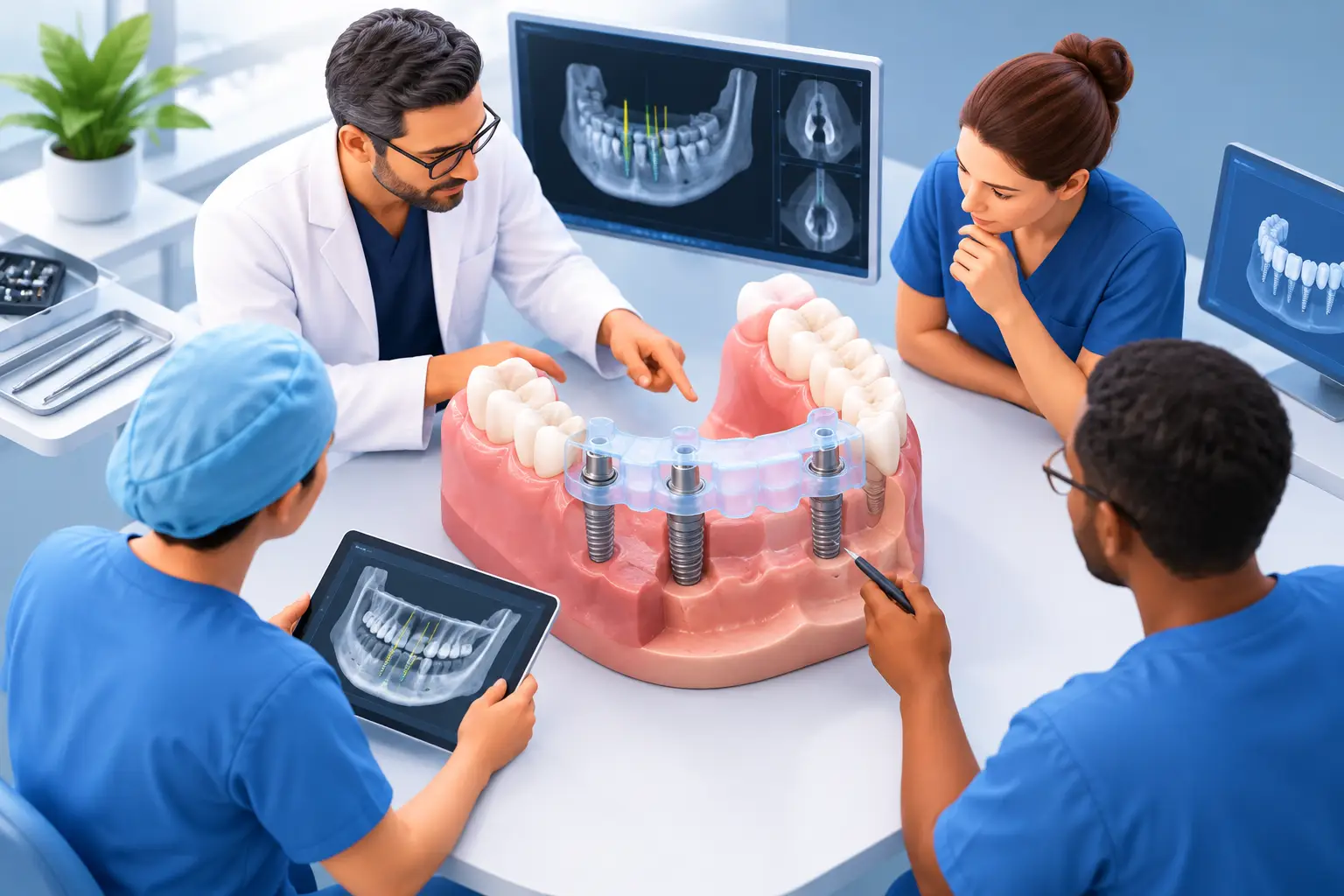
An oral surgeon may focus on safe implant placement and bone grafting. A periodontist can address gum disease and help establish healthy supporting tissues. A prosthodontist plans the final crowns, bridge, or implant-supported denture so it fits comfortably and functions well. Your general dentist helps coordinate preventive care and protect your overall oral health before, during, and after treatment.
When these perspectives are coordinated from the beginning, the final restoration can guide the surgical plan instead of being treated as an afterthought. This is often called restorative-driven planning. It means your team considers where the finished teeth need to be before deciding the number, angle, and position of the implants.
At Seattle Oral Care, a prosthodontist, oral surgeon, periodontist, and general dentist can work together in one practice. For patients who already feel anxious about extensive dental care, fewer handoffs and a shared treatment plan can make a meaningful difference.
A Thorough Evaluation Comes Before Treatment
A thoughtful consultation is one of the most important parts of implant care. It is where your clinical needs and personal goals come together.
Your evaluation may include a review of your dental and medical history, a gum examination, digital imaging, photographs, and a close look at your bite. Three-dimensional imaging can help the team evaluate available bone, identify important structures such as nerves and sinuses, and plan implant placement with greater precision.
Just as importantly, your dentist should ask how you want your smile to feel and function. Are you tired of a loose denture? Do you avoid certain foods? Are you concerned about the appearance of a missing front tooth? Have past dental experiences made you hesitant to move forward? These answers help shape a plan that is clinically sound and realistic for you.
A good consultation also includes a candid discussion of trade-offs. Immediate teeth may be possible in some cases, but not every patient is a safe candidate for immediate loading. Bone grafting can add time to the process, yet it may provide the foundation needed for a more predictable result. A shorter treatment timeline is not always the better one if it compromises long-term stability.
Treatment May Happen in Phases
Complex treatment often unfolds in stages. That does not mean something has gone wrong. Phased care allows the mouth to heal and creates the conditions implants need to succeed.
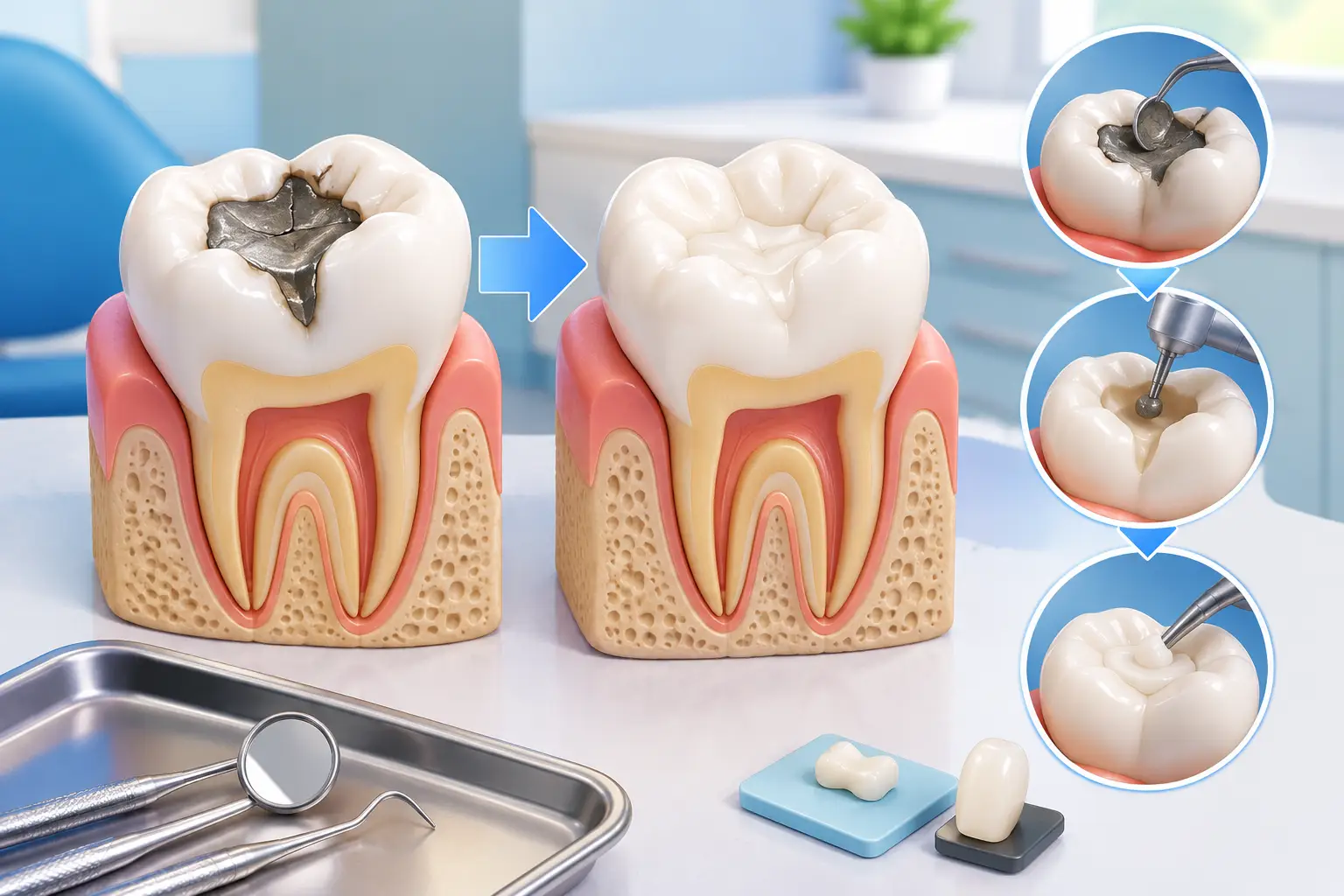
The first phase may involve treating active infection, removing teeth that cannot be saved, managing gum disease, or placing bone graft material. If you are concerned about being without teeth during healing, ask about temporary options. Depending on your needs, a temporary bridge, denture , or provisional restoration may help you speak and smile with greater comfort while treatment continues.
Once the site is ready, implants are placed in the jawbone. Over time, bone integrates with the implant surface, creating a secure foundation. Healing time varies based on the area treated, bone quality, the number of implants, and whether grafting was needed.
The restorative phase follows. This is when the implant receives a custom crown, bridge, or denture. Details matter here: the shade and shape of the teeth, the bite, the way your lips are supported, and the ability to clean around the restoration all deserve careful attention. A beautiful result should also be practical to maintain.
Long-Term Care Protects Your Investment
Dental implants are designed to be durable, but they still need regular care. The tissues around an implant can develop inflammation, much like natural teeth can develop gum disease. Early changes may not be painful, which is why professional checkups are essential.
Daily brushing and cleaning around implants are part of the equation. Your dentist or hygienist can recommend the right tools for your restoration, whether that is floss, an interdental brush, a water flosser, or a combination. Patients with implant-supported bridges and dentures may need a different cleaning routine than those with a single implant crown.
If you clench or grind your teeth, a nightguard may help protect both your natural teeth and implant restoration from excessive force. Regular visits also allow the team to monitor bite changes, gum health, and the condition of crowns, bridges, and attachments before small concerns become larger repairs.
Questions Worth Asking at Your Consultation
You deserve clear answers before beginning extensive dental work. Ask who will be involved in your care and how the team will communicate. Ask whether any gum or bone treatment is needed first, what temporary teeth options are available, and what the expected timeline looks like.
It is also reasonable to ask about the restoration itself. Will it be removable or fixed? How will you clean it? What happens if an implant does not integrate as expected? What maintenance visits should you plan for after treatment is complete?
The best answer is sometimes, “It depends on what we find.” That is not a lack of expertise. It is an honest recognition that the safest plan depends on your bone, gums, bite, medical history, and goals.
Care That Moves at Your Pace
Complex dental implant treatment can restore much more than the ability to chew. It can help you feel comfortable smiling, speaking, dining out, and caring for your oral health again. The next helpful step is not committing to a procedure - it is scheduling a conversation with a team that will listen closely, explain your options clearly, and help you choose a path that feels right for you.