A dental implant is often described as a replacement tooth, but the treatment succeeds only when the bone, gums, bite, and final restoration work together. That is why complex dental implant cases deserve more than a quick answer or a one-size-fits-all plan. A referral or a longer planning process is not bad news. It is often the careful step that helps protect your comfort, health, and long-term result.
Many patients arrive feeling discouraged after being told their case is difficult. Some worry they have waited too long. Others have been told they need more than one type of treatment and wonder whether implants are still possible. In many situations, they are. The key is understanding what needs to be addressed before an implant is placed.
What makes an implant case complex?
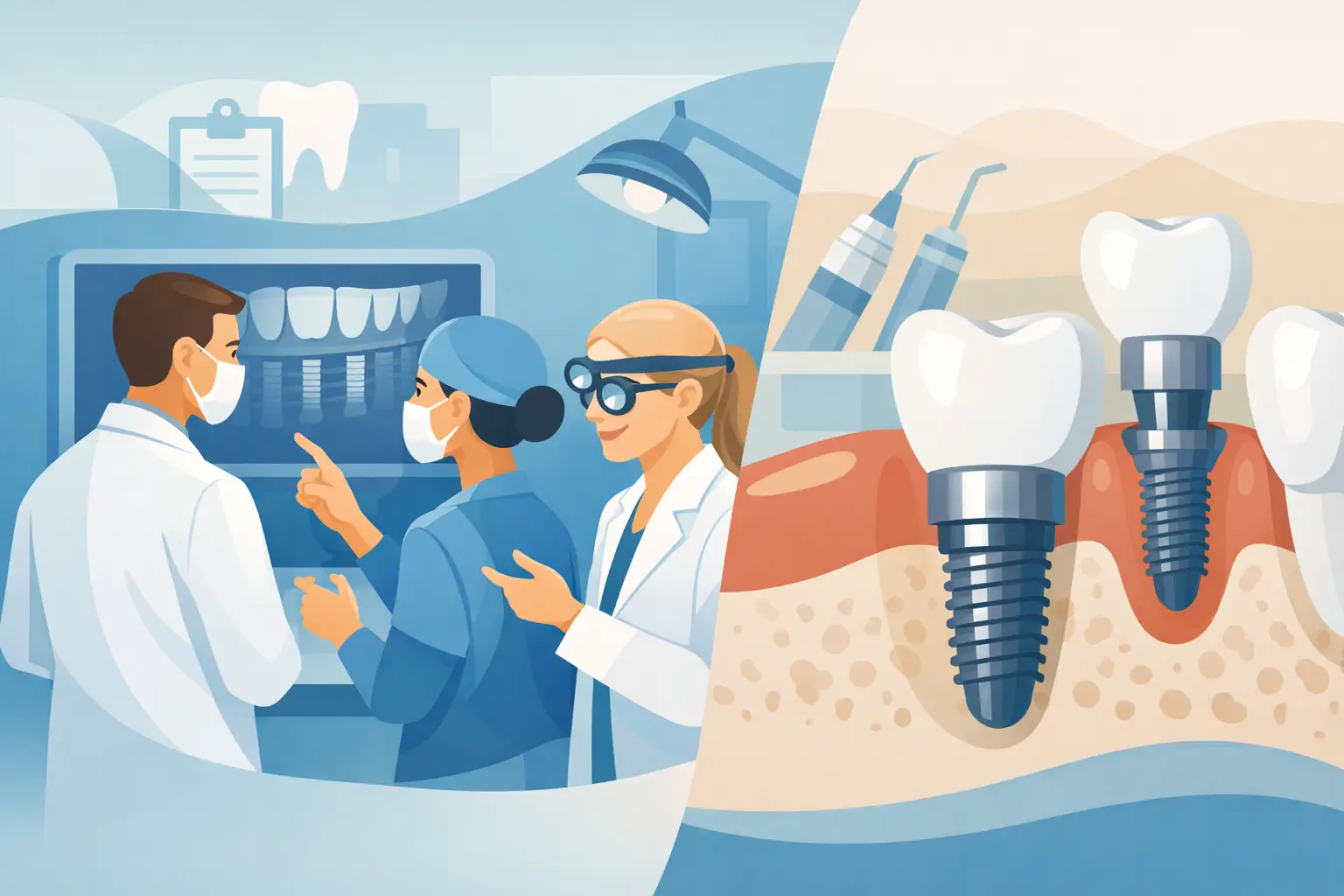
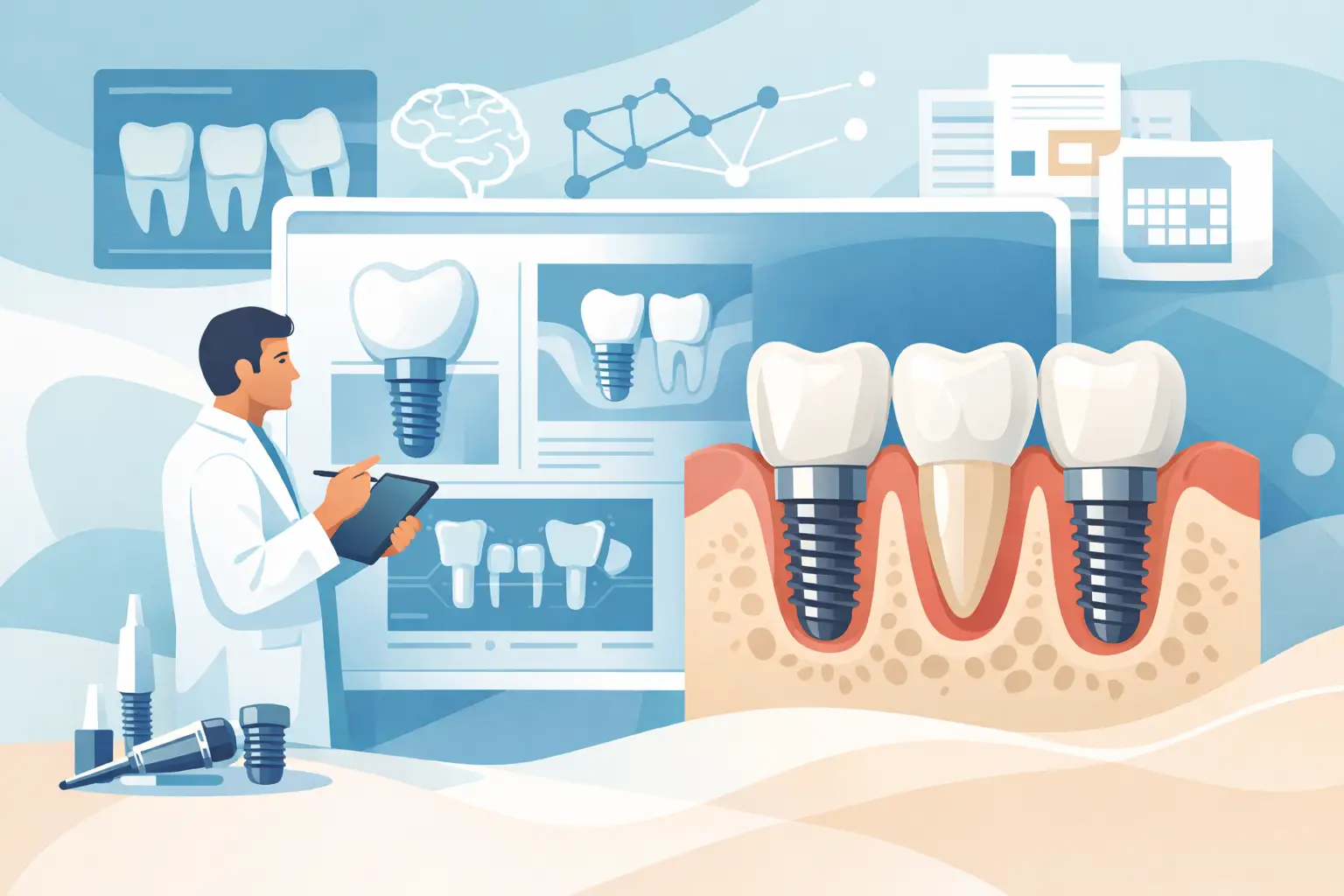
An implant case becomes more involved when replacing a tooth requires the dental team to solve other problems first. The missing tooth itself is only one part of the picture. Your provider must also consider whether there is enough healthy bone to hold the implant, whether the gums can form a protective seal around it, how your upper and lower teeth meet, and how the final tooth will look and function.
A straightforward single-tooth implant may be appropriate when the surrounding bone and gum tissue are healthy, the bite is stable, and there is adequate room for a natural-looking crown. Difficult implant cases are more likely when several of those conditions are not present at once.
Complexity does not automatically mean treatment will be painful, risky, or unsuccessful. It means the plan must be precise. Detailed imaging, diagnostic models, and a thoughtful discussion of your medical and dental history help the team decide on the safest order of care.
Situations that can make dental implants more challenging
A severe bone loss implant case
After a tooth is lost, the jawbone in that area naturally begins to shrink. Gum disease, infection, injury, and long-term denture use can increase that loss. In a severe bone loss implant case, there may not be enough bone height or width to place an implant in the ideal position without additional treatment.
Depending on the area and your goals, the plan may include bone grafting, sinus elevation in the upper back jaw, or a different implant approach . These options can add time to treatment, but they may create the support needed for a stable restoration. In other circumstances, a bridge, a removable option , or a modified implant plan may be the healthier choice. Good care includes discussing those trade-offs honestly.
Gum disease and compromised soft tissue
Implants do not decay, but they can develop inflammation and bone loss around them. Active periodontal disease must be controlled before implant treatment begins. Thin gum tissue, recession, or an uneven gumline may also affect the appearance and cleanability of the final result.
A periodontist can help evaluate the health of the supporting tissues and determine whether gum treatment or grafting is needed. This is especially meaningful in the smile zone, where even a well-integrated implant can look unnatural if the gum contours are not carefully managed.
Multiple missing teeth implant challenges
Replacing several missing teeth is not simply a matter of placing more implants. The team must decide how many implants are needed, where they should be positioned, and whether individual crowns, an implant-supported bridge, or a removable implant denture makes the most sense.
Multiple missing teeth implant challenges often include uneven bone levels, teeth that have shifted into open spaces, changes in bite height, and difficulty chewing. A plan that looks efficient on an X-ray must also allow for daily brushing, flossing or cleaning beneath the restoration, speech, and natural facial support. The best option is not always the one with the most implants. It is the one that provides dependable function while respecting your anatomy and maintenance needs.
A failed implant revision complex case
When an implant becomes loose, painful, infected, or difficult to restore, it can be upsetting. A failed implant revision complex case needs a careful investigation rather than an immediate replacement. The team will look for the cause, which may involve infection around the implant, excess biting force, poor implant position, limited bone, a fractured component, or challenges keeping the area clean.
Sometimes an implant can be treated and retained. Other times, it must be removed, the site allowed to heal, and bone or gum tissue rebuilt before another implant is considered. Replacing a failed implant without understanding why it failed can repeat the same problem. A revision plan should focus on prevention as much as replacement.
A full mouth reconstruction complex case
A full mouth reconstruction complex case usually involves more than missing teeth. Teeth may be worn, broken, drifting, infected, or weakened by old dental work. The bite may have changed over years, causing jaw fatigue, chewing limitations, or repeated fractures.
In these cases, implants may be one part of a broader plan that includes periodontal care, extractions, temporary restorations, crowns, bridges, or dentures. Planning begins with the final goal: how the teeth should look, feel, and meet when you bite. The surgical steps are then designed to support that final result. This restorative-first approach helps avoid placing implants in positions that make the finished teeth bulky, difficult to clean, or uncomfortable.
When do implants need a specialist?
General dentists place and restore many implants successfully. However, when anatomy, gum health, surgical needs, or restorative demands become more complicated, a specialist or coordinated team can add valuable perspective. You may be referred to an oral surgeon for complex extractions, grafting, or implant placement; a periodontist for gum and bone health; or a prosthodontist for advanced planning of crowns, bridges, dentures, and full-mouth rehabilitation.
So, why was my implant case referred to a specialist? Usually, the answer is simple: your dentist wants the treatment to have the best possible foundation. Referral can also be helpful when the case requires multiple areas of expertise, when an implant has failed previously, or when the final restoration will affect many teeth and your bite.
At Seattle Oral Care, a prosthodontist, oral surgeon, periodontist, and general dentist can coordinate care in one setting when a treatment plan calls for it. That collaboration helps each phase support the next, from diagnosis through the final restoration and ongoing maintenance.
What careful planning looks like
Complex implant treatment should begin with a conversation, not a procedure date. Your team should ask about your goals, health history, medications, smoking or nicotine use, sleep concerns, and past dental experiences. If dental anxiety has kept you from seeking care, sharing that concern matters. Gentle care also means making room for your questions and setting a pace you can manage.
Digital imaging and clinical examinations help assess bone volume, nerve and sinus locations, gum health, and bite relationships. In more involved cases, the team may create a digital or physical preview of the proposed teeth before surgery. This allows the implant position to be planned around the restoration, rather than trying to make the restoration fit whatever position was available.
Treatment timelines vary. A graft may need months of healing. A temporary tooth may be appropriate while the implant integrates with the bone. Immediate implant placement can be an excellent option in select cases, but it is not automatically better or faster for every patient. The right timeline is the one that supports predictable healing and a restoration you can live with comfortably.
Questions worth asking at your consultation
You do not need to become an implant expert before your visit. Still, a few clear questions can help you feel informed: What makes my case more complex? What are the alternatives to implants? Do I need grafting or gum treatment first? Who will plan and complete each part of my care? How will I clean and maintain the final restoration? What happens if healing does not go as expected?
A good consultation should leave you with understandable answers, a realistic timeline, and a plan that reflects your priorities. Complex care can take patience, but careful diagnosis and coordinated treatment give you the strongest path toward teeth that feel secure, function well, and support a lasting smile.