A missing tooth can feel urgent, especially when you are already facing an extraction. If you are asking how soon after tooth extraction can you get an implant , the most reassuring answer is this: your treatment does not have to follow a one-size-fits-all schedule. The right implant after tooth removal timeline is designed around the health of your bone and gums, the reason the tooth is being removed, and a careful exam with a 3D scan.
A thoughtful plan protects more than the empty space. It helps preserve the foundation for a comfortable, stable replacement that looks and functions like a natural tooth.
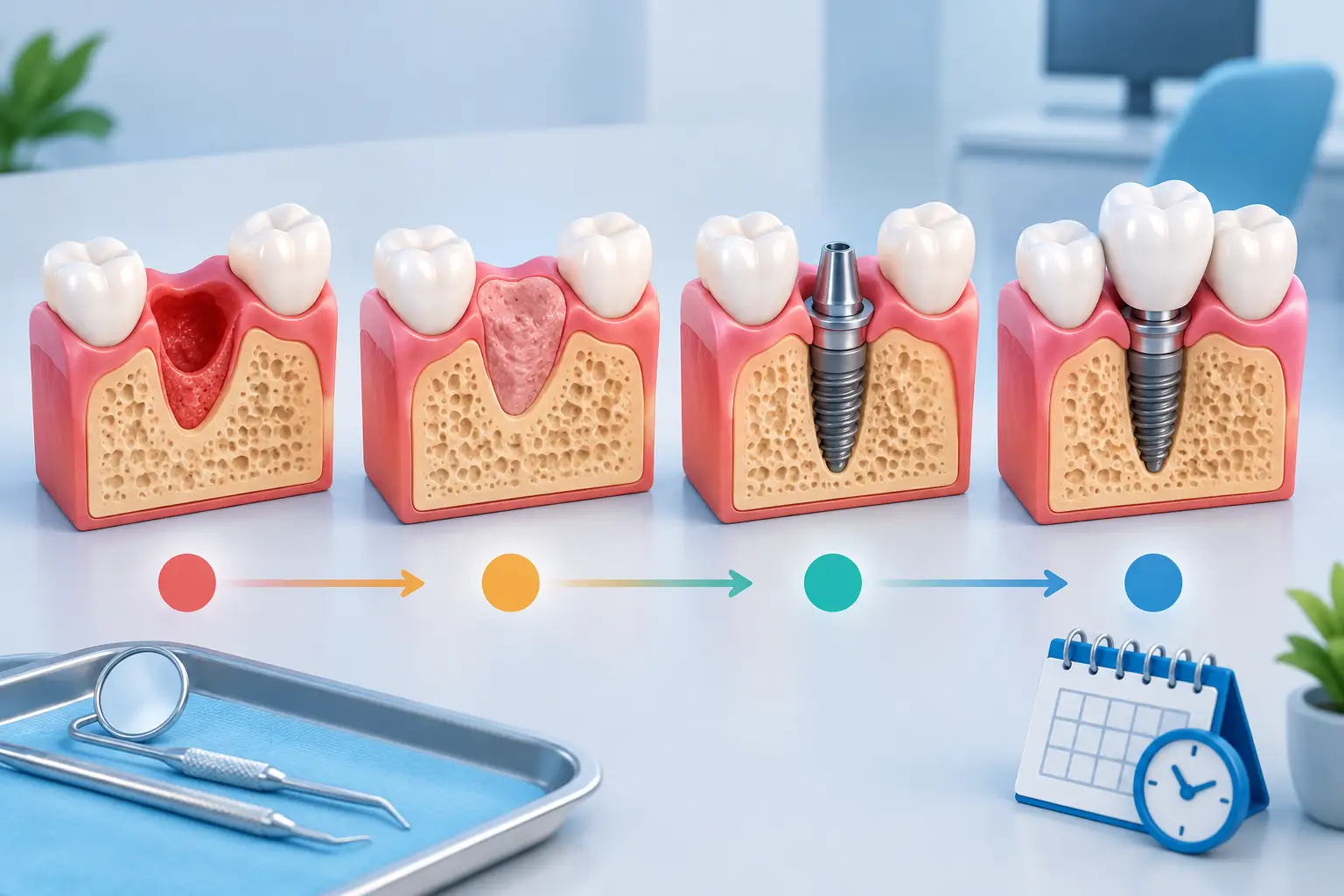
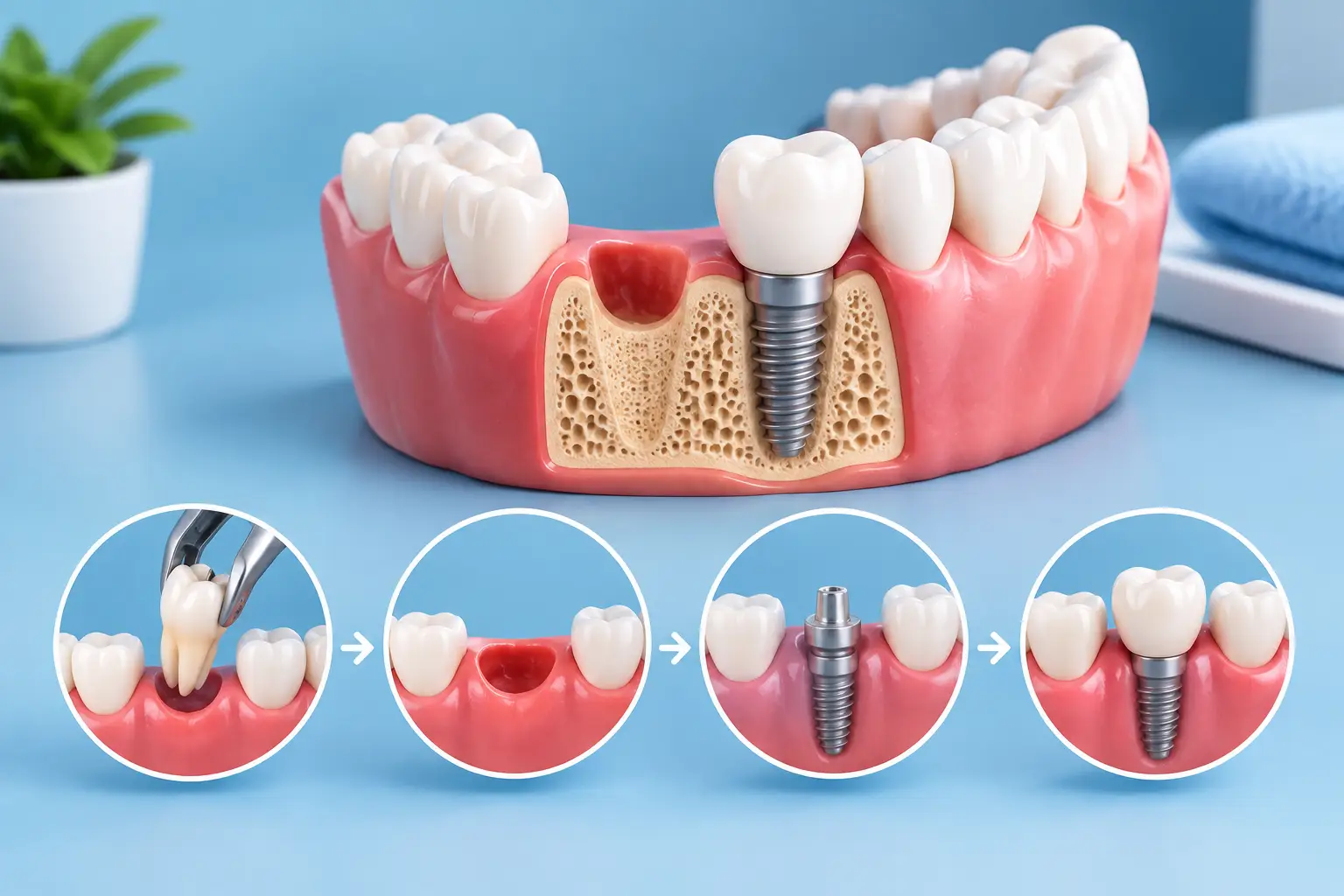
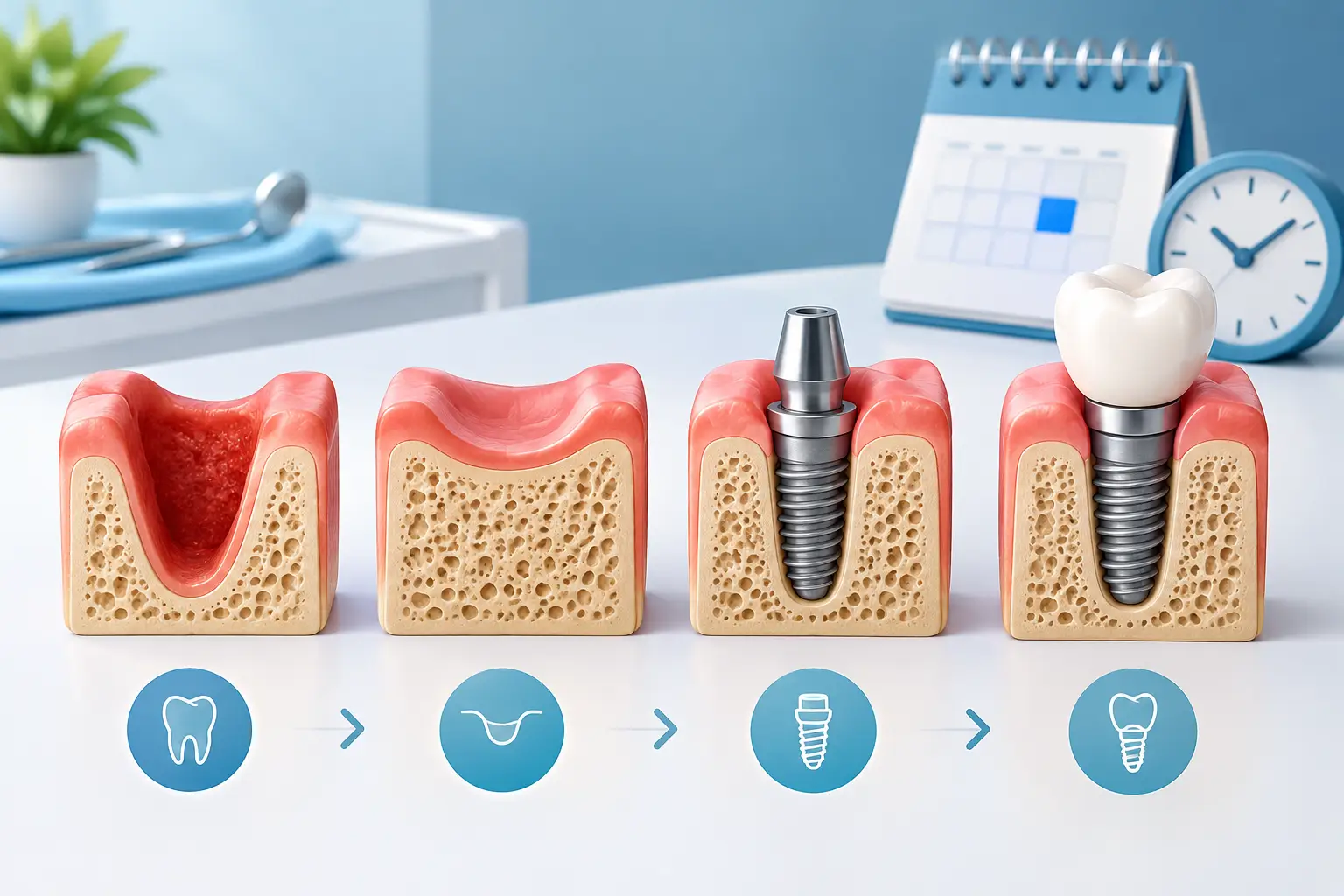
Your implant after tooth removal timeline starts with the reason for extraction
Not every extraction site heals in the same way. A tooth may need to be removed because of a deep fracture, advanced decay, gum disease, a failed root canal, infection, or trauma. Each situation affects the bone and surrounding tissue differently.
Before recommending an implant, your dental team evaluates the area around the tooth, nearby roots, bite forces, gum health, and the amount and shape of available bone. A 3D scan adds critical detail that cannot be seen on a standard two-dimensional image. It shows the width and height of the jawbone, the position of nerves and sinus spaces, and whether hidden infection or bone loss may affect treatment.
This is why two people can have the same tooth removed and receive different recommendations. The goal is not simply to move quickly. The goal is to place an implant when it has the best possible support for long-term success.
Healing before implant placement: what your mouth needs
Healing before implant placement is about more than waiting for the gum tissue to close. The body needs to resolve inflammation, rebuild healthy tissue, and create the conditions needed for the implant to integrate with the jawbone.
In some cases, the extraction site is clean, the bone walls are strong, and the gum tissue is healthy. In others, infection, bone loss, or a difficult extraction may call for a more protective, staged approach. Allowing the site to heal before placing the implant can give your team a clearer picture of the final bone shape and help ensure that inflammation has fully settled.
Your overall health matters, too. Smoking or vaping, uncontrolled diabetes, certain medications, active periodontal disease, clenching and grinding, and inconsistent home care can all influence healing. These factors do not automatically rule out implants. They simply need to be part of an honest, individualized plan.
A dental implant is intended to serve you for many years. Taking the right steps before placement is often the most efficient path to a dependable result.
When is a graft needed after extraction?
A bone graft is not automatically needed after every tooth removal. It may be recommended when the natural bone around the tooth has thinned, been damaged, or is likely to shrink in a way that could make implant placement less predictable.
Tooth roots stimulate the jawbone. Once a tooth is removed, the bone that supported it can gradually change in height and width. This is especially relevant in visible areas, where bone and gum contours help shape the appearance of the final crown.
A graft may be beneficial when:
- Infection or gum disease has already caused bone loss around the tooth.
- The extraction leaves a thin or damaged bony wall.
- The tooth has been missing long enough for the ridge to change shape.
- The planned implant needs more bone for proper support or positioning.
- The site is near structures that require careful clearance, such as a sinus space or nerve canal.
Grafting material acts as a scaffold that supports your body's own bone-building process. It is often placed at the time of extraction to help preserve the site, but it can also be performed later if the scan shows that added support is needed. Your clinician will explain whether the graft is intended to preserve bone, rebuild missing bone, or improve the contour of the final result.
The trade-off is straightforward: grafting can add another healing phase, but it may also reduce the risk of compromising implant position, gum appearance, or long-term stability. For many patients, protecting the foundation is worth the additional step.
Can an implant be planned at the extraction visit?
For a patient about to have a tooth pulled and planning the implant, it is natural to hope that every step can happen immediately. Sometimes the surgical plan can begin at the extraction visit, particularly when the site is healthy enough for preservation procedures and a temporary replacement can be arranged.
However, a same-day start is never the same as a same-day implant. The phrase can describe beginning treatment with an extraction, scan, graft, temporary tooth, or other preparatory care. It should not suggest that the permanent implant crown is finished that day.
Even when an implant is appropriate relatively early in the process, it must first establish a stable connection with the jawbone. The final crown is designed only after the implant, bone, gums, and bite have reached a reliable point. Rushing that sequence can create avoidable problems with comfort, appearance, or the way the new tooth meets the opposing teeth.
If the tooth is in a visible area, ask how your smile will be supported while treatment is underway. Depending on your needs, a temporary tooth, retainer-style option, or other provisional restoration may be considered. The right choice should protect the healing site without placing harmful pressure on it.
What happens during the implant planning appointment?
A good consultation should leave you with a clear understanding of what is happening now, what needs to heal, and what comes next. Your care team will review your medical and dental history, examine your gums and bite, and use diagnostic imaging to map the proposed treatment.
The 3D scan is particularly valuable because implants must be placed with precision. Your clinician is planning for a restoration that fits your smile and bite, not simply filling an empty space in the bone. The scan helps determine whether grafting is needed, where the implant can be positioned, and how to avoid important anatomical structures.
You should also have an opportunity to discuss your concerns openly. If dental visits make you anxious, say so. Gentle care begins with knowing what makes treatment difficult for you, whether that is discomfort, a past negative experience, worry about sedation, or uncertainty about the procedure itself.
Signs the site may need more preparation
Patients sometimes assume that a smooth-looking gumline means the area is ready for an implant. The surface can look healed while deeper bone or gum concerns still need attention. Only an examination and imaging can confirm whether the foundation is suitable.
Your team may recommend further preparation if there is persistent inflammation, signs of infection, insufficient bone volume, unstable gum tissue, or bite forces that could overload the future implant. Periodontal treatment may be recommended when gum disease is present elsewhere in the mouth, because implants need healthy surrounding tissue to remain successful.
This careful approach is not a delay for its own sake. It is how clinicians reduce surprises and help prevent future complications.
Protecting the extraction site while planning your implant
Follow the instructions you receive after the extraction closely. Protecting the blood clot, keeping the area clean as directed, eating appropriate foods, and taking prescribed medication correctly all support healing. Avoid tobacco products, including vaping, because they can interfere with blood flow and tissue repair.
Keep every recommended follow-up appointment, even if you feel fine. Those visits allow your dental team to check for infection, assess gum healing, and confirm that the treatment plan still matches what your mouth needs.
A missing tooth deserves a plan that feels clear rather than rushed. The best next step is a comprehensive exam and 3D scan, followed by a conversation about the safest path to a strong, natural-looking replacement.