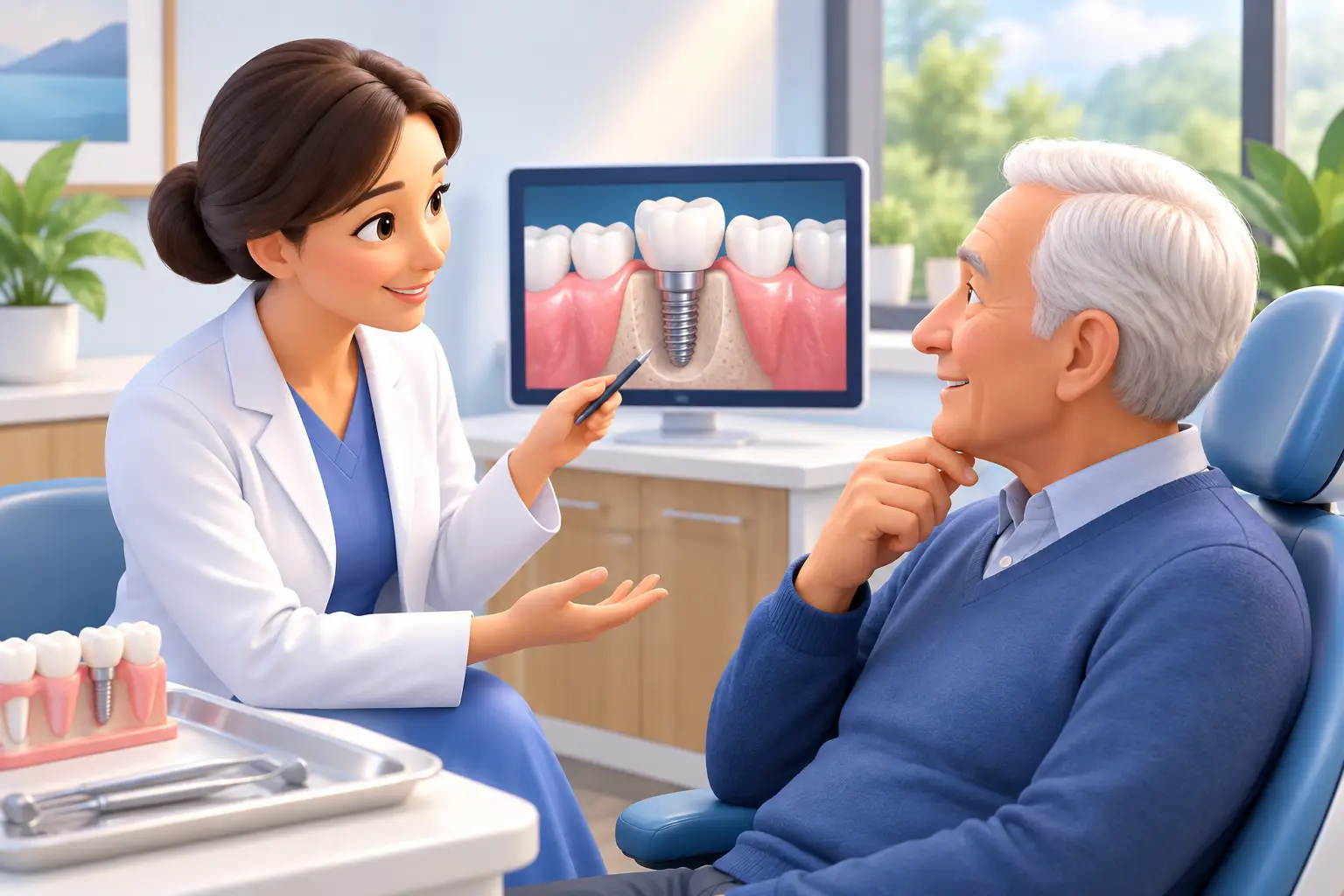
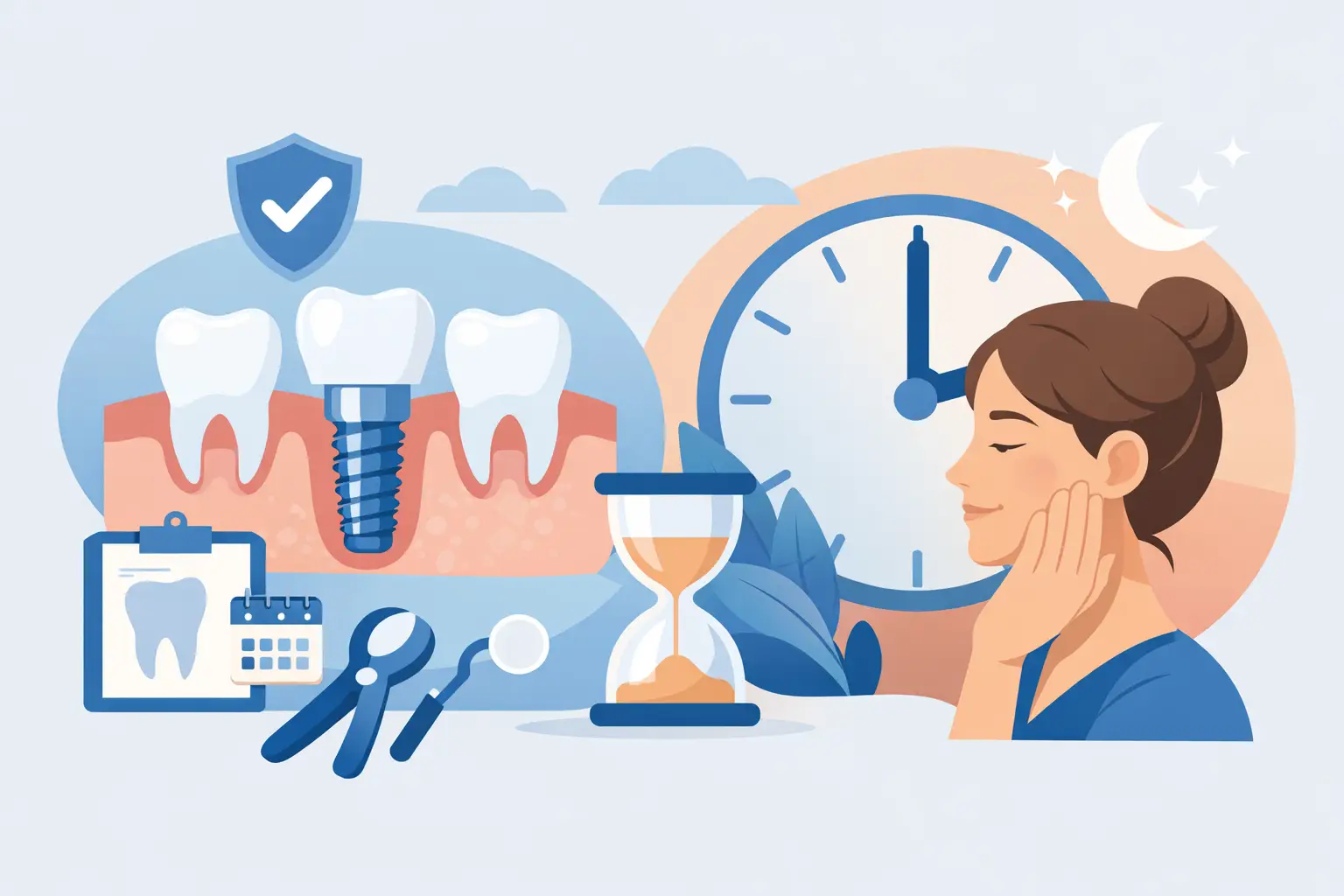
Most people are surprised by this: the soreness after dental implant surgery often improves within a few days, but the implant itself needs months to form a strong connection with your jawbone. So, how long does dental implant recovery take? The short answer is about one to two weeks for initial comfort and healing, and usually three to six months for the implant to fully integrate with bone.
That longer timeline is not downtime. You can typically return to many normal activities well before the healing process is complete. Your dental team will guide you on when it is safe to eat normally, receive your final crown, or move ahead with the next step of treatment.
How Long Does Dental Implant Recovery Take?
After implant placement, mild swelling, tenderness, and minor bleeding are common for the first 24 to 72 hours. Most patients feel noticeably better within the first week. If sutures are used, they may dissolve on their own or be removed at a follow-up appointment.
By about two weeks, the gum tissue is often well on its way to healing. Many people are back at work the next day or within a few days, depending on the number of implants placed, the type of anesthesia used, and the physical demands of their job.
The deeper healing process is called osseointegration. This is when living bone grows around the implant surface, helping create the stable foundation needed to support a crown, bridge, or denture. It commonly takes three to six months, although the timeline can be shorter or longer based on your health and treatment plan.
Initial Healing and Full Implant Healing Are Different
It helps to think of recovery in two stages. The first is surgical recovery, when your gums settle and post-procedure symptoms fade. The second is bone healing, when the implant becomes securely integrated with your jaw.
Some patients receive a temporary tooth on the same day as surgery. That can be a welcome option for appearance and comfort, especially for a front tooth. However, a temporary restoration does not mean the implant has finished healing. It may need to stay out of heavy biting pressure while the bone connection develops.
Your final crown is usually placed after your dentist confirms that the implant is stable and healing properly. This careful pacing protects the long-term result, which matters far more than rushing to the finish line.
What Can Change Dental Implant Recovery Time?
Every mouth heals at its own pace. A straightforward single-implant case may follow the usual timeline, while more complex care can take longer.
If you need a bone graft, sinus lift, gum treatment, or extraction before implant placement , healing may be staged over several months. This does not mean something is wrong. It means your treatment is being planned around the foundation needed for a durable result.
Your general health also matters. Smoking or vaping, uncontrolled diabetes, active gum disease, poor nutrition, and certain medications can slow healing or raise the risk of complications. Teeth grinding may not delay early healing, but it can put excess force on an implant over time. A custom nightguard may be recommended to protect your investment.
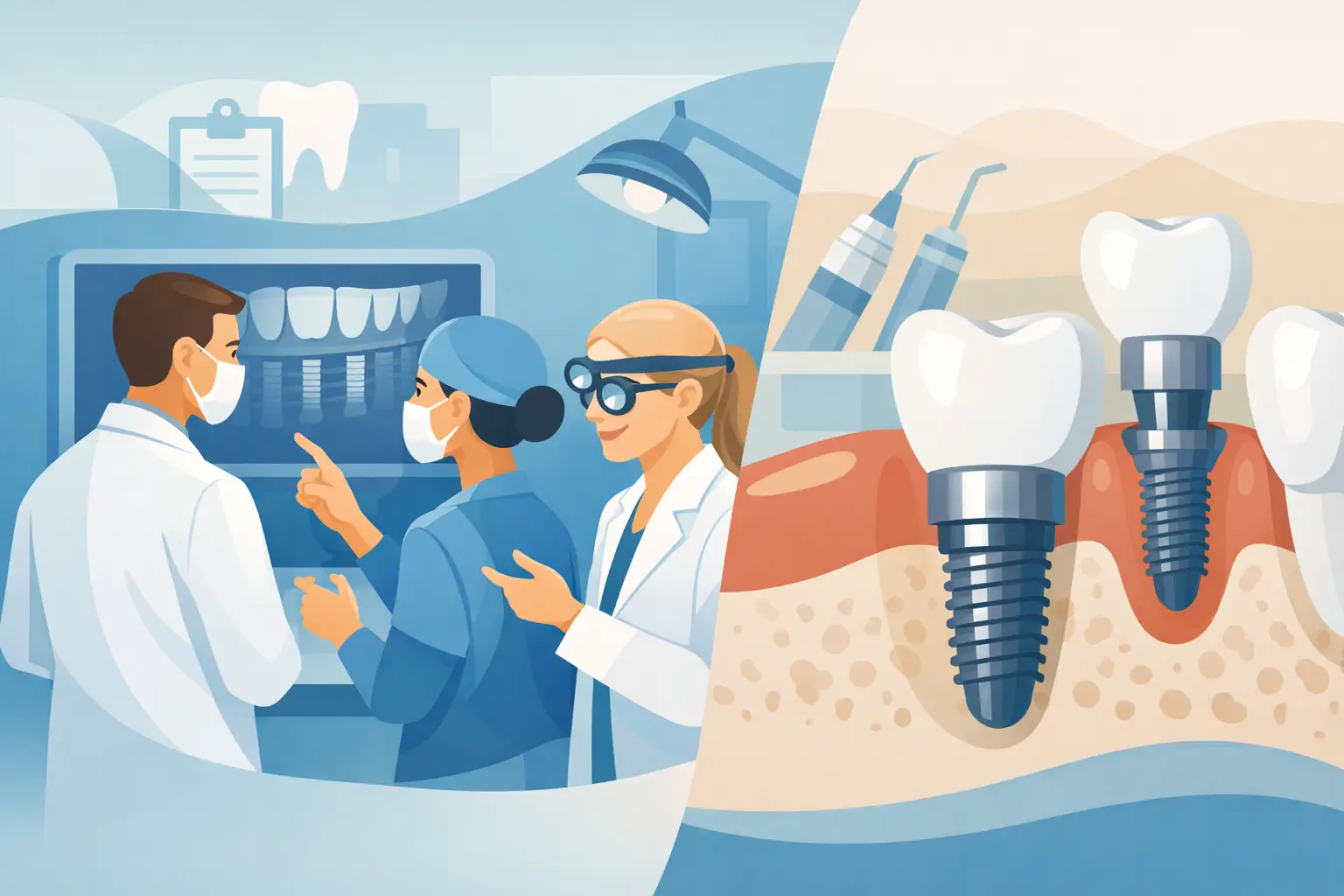
For patients replacing multiple teeth or receiving an implant-supported denture , the timeline can vary more widely. Coordinated planning between a prosthodontist, oral surgeon, and periodontist can be especially valuable when the case involves bone loss, complex bite concerns, or full-mouth restoration.
How to Support Healing After Implant Surgery
Follow the instructions from your dental team closely, even if you are feeling better quickly. Rest on the day of surgery, use cold compresses as directed, and take prescribed or recommended medications exactly as instructed.
Choose soft foods while your surgical area is tender. Yogurt, eggs, oatmeal, soups that are not hot, and smoothies eaten with a spoon are often easier choices. Avoid chewing directly on the implant site until your dentist tells you it is safe. Hard, crunchy, sticky, or spicy foods can irritate the area during early healing.
Keep your mouth clean, but be gentle. You may be asked to avoid brushing directly over the surgical site for a short period or to use a medicated rinse. Do not smoke, vape, or use a straw during early recovery, since suction and nicotine can interfere with healing.
When to Call Your Dental Team
Some tenderness and swelling are expected. Pain should generally improve, not intensify, after the first few days. Contact your dental office promptly if you have worsening pain, fever, persistent heavy bleeding, swelling that continues to increase after several days, pus, or a feeling that the implant is loose.
Follow-up visits are part of successful implant care, not an extra step. They allow your team to monitor healing, answer questions, and make sure your new tooth is progressing toward a stable, comfortable result. At Seattle Oral Care, individualized planning and coordinated specialist care help patients move through that process with clarity and confidence.