A missing tooth can affect much more than a smile. You may avoid chewing on one side, feel self-conscious in photos, or worry that a loose denture will shift while you speak. A dental implant consultation is the time to replace uncertainty with clear answers about whether implants are right for you, what treatment may involve, and how your new teeth can be designed to feel natural in daily life.
At Seattle Oral Care, implant planning is never one-size-fits-all. Your mouth, medical history, goals, budget, and comfort level all matter. Whether you are replacing one tooth, stabilizing a denture, or considering a full-mouth restoration, the consultation should leave you informed, heard, and confident about your next step.
What Is a Dental Implant Consultation?
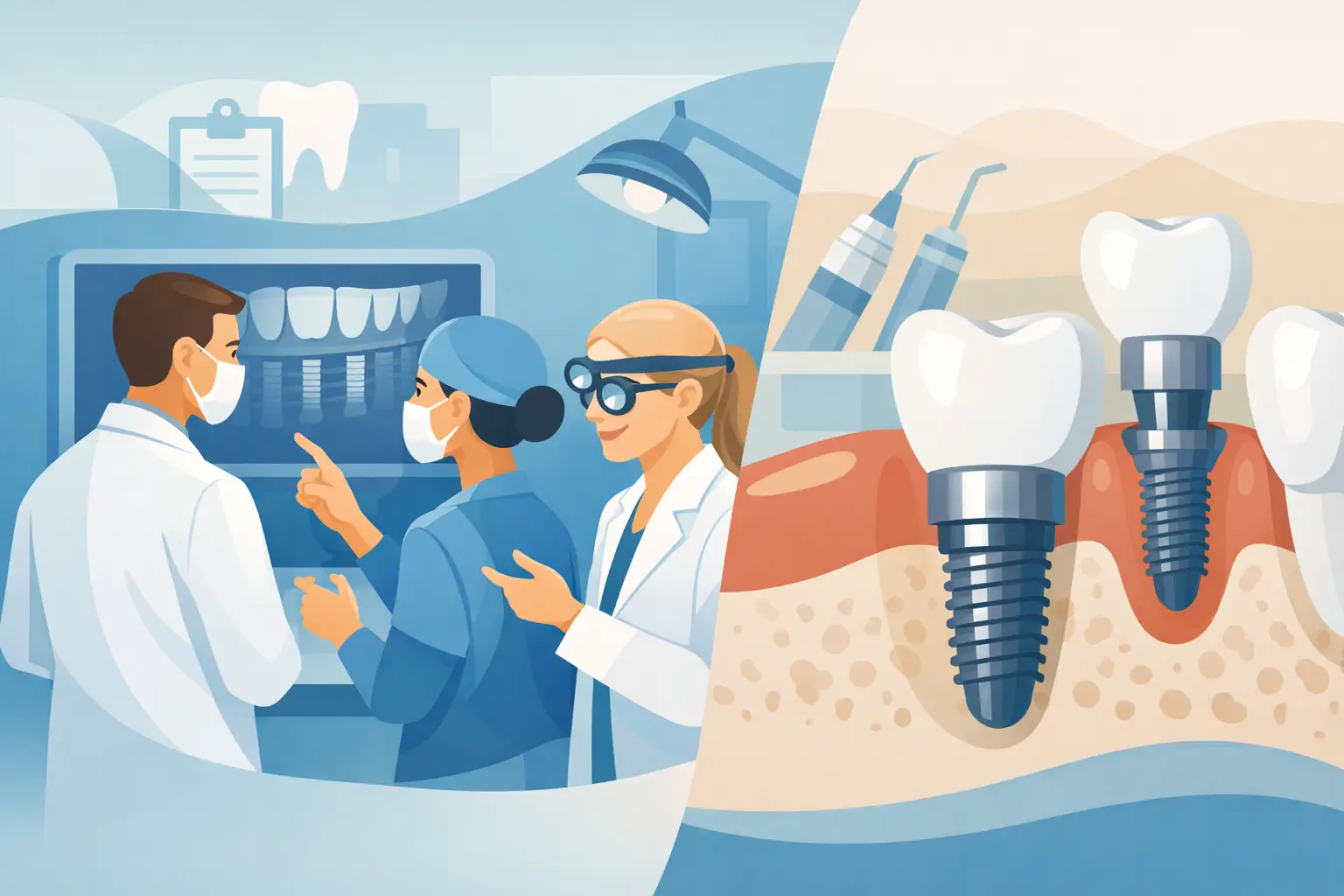
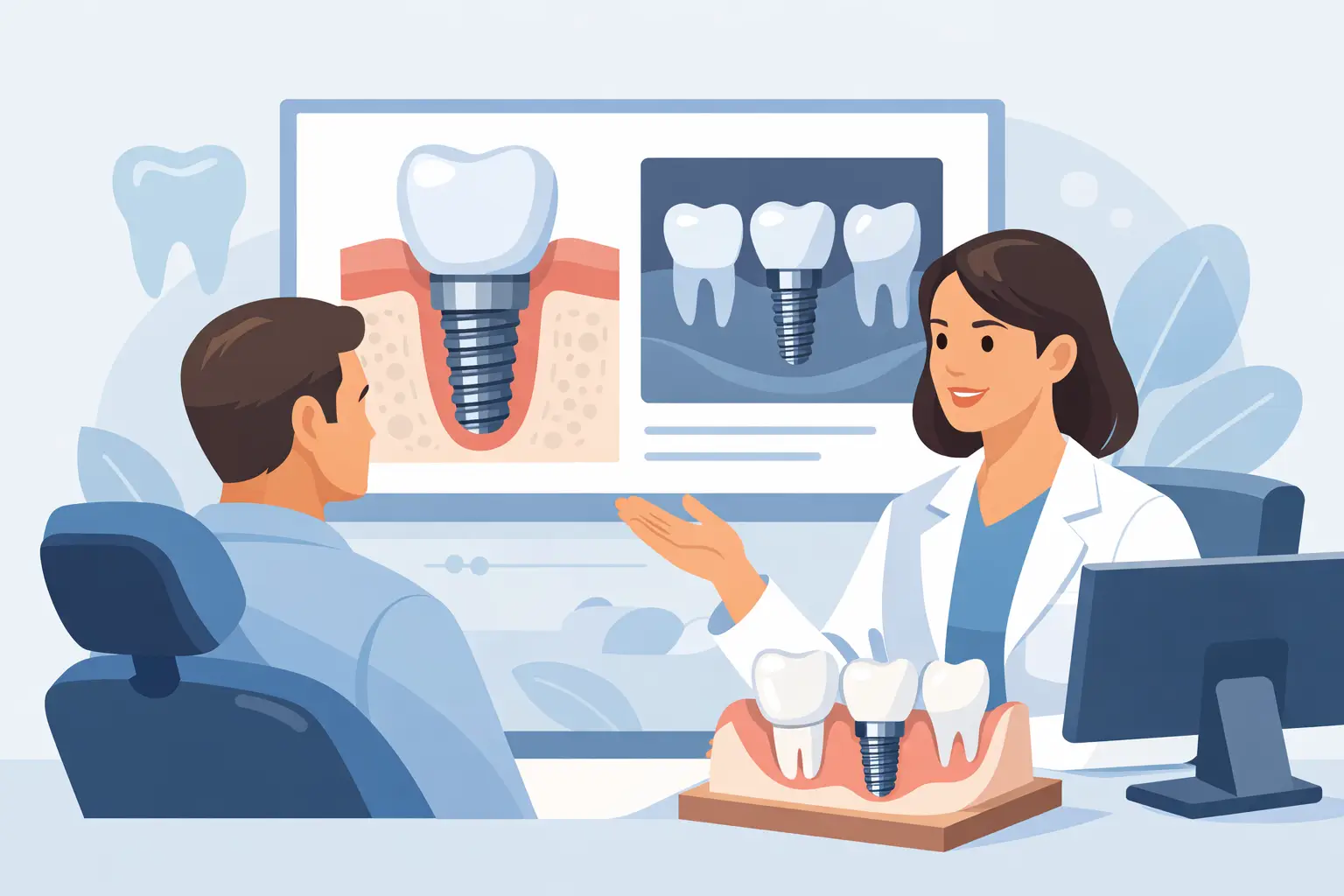
A dental implant consultation is a focused evaluation of your oral health and tooth-replacement options. An implant is a small titanium post placed in the jawbone to act as the root of a replacement tooth. Once it has healed and integrated with the bone, it can support a custom crown, bridge, or denture.
The appointment is not simply a quick yes-or-no screening. Your dental team needs to understand why a tooth was lost, whether the surrounding teeth and gums are healthy, how your bite functions, and what you want your result to accomplish. For some people, an implant is the most durable choice. For others, a bridge, denture, or preparatory treatment may be more appropriate. Good care starts with an honest conversation about those differences.
What to Expect During Your Implant Visit
Your first visit usually begins with a conversation. You may be asked when you lost the tooth, whether you have had pain or infection, what dental work you have had before, and what has or has not worked well for you. If dental visits make you anxious, say so early. A compassionate team can adjust the pace of the appointment, explain each step before it happens, and make room for your questions.
Next comes a careful clinical exam. Your dentist will look at your gums, existing teeth, bite, jaw movement, and the space where the implant may be placed. Healthy gums and adequate bone support are essential to long-term implant success, so the exam looks beyond the visible gap.
Digital X-rays and, when needed, 3D imaging help the team see what cannot be assessed from the surface. These images show the height and width of the jawbone, the position of sinus spaces and nerves, and signs of infection or bone loss. This information allows for safer, more precise planning, particularly in areas where anatomy is complex.
If your needs involve several teeth, significant bone loss, or an existing denture, your consultation may include a broader discussion of how your teeth work together. A beautiful implant crown is only part of the goal. Your bite, facial support, speech, chewing comfort, and ability to keep the restoration clean all contribute to a result that lasts.
Your Health History Matters
Many adults assume they are not candidates because they are older, have worn dentures for years, or have been told they have bone loss. Those concerns deserve attention, but they do not automatically rule out implants. Bone grafting, sinus augmentation, or a different implant design may make treatment possible in some cases.
Your overall health also guides planning. Conditions such as diabetes, osteoporosis, autoimmune disease, and a history of radiation therapy may affect healing and require coordination with your medical providers. Smoking and vaping can increase the risk of complications and implant failure. Being open about medications and health conditions helps your team recommend the safest path, not judge your choices.
Questions Your Dental Implant Consultation Should Answer
You should leave the visit with more than a general idea of what implants are. A well-planned consultation provides practical answers that help you compare options and make decisions at your own pace.
Ask whether an implant is the best solution for your specific situation and why. If there are alternatives, ask how they compare in comfort, appearance, maintenance, longevity, and effect on nearby teeth. A traditional bridge may be a reasonable option in certain cases, but it often requires shaping adjacent teeth. A removable partial denture can restore a gap at a lower initial cost, though it may feel less stable and needs periodic adjustment.
It is also reasonable to ask who will be involved in your care. Complex implant treatment benefits from coordinated expertise. A prosthodontist can plan the appearance and function of the final restoration, while an oral surgeon or periodontist may address surgical placement, bone, and gum health. Having these perspectives work together helps keep the surgical and restorative phases aligned from the beginning.
Other helpful questions include:
- Do I need a bone graft, gum treatment, or tooth extraction before implant placement?
- How long will each stage take, including healing time?
- Will I have a temporary tooth while the implant heals?
- What type of restoration will sit on the implant, and how will it be maintained ?
- What are the expected costs at each stage of treatment?
- What risks are relevant in my case, and how would the team manage them?
Clear answers matter because implant care is a process, not a single appointment. You deserve to understand both the benefits and the commitments before moving forward.
Understanding the Timeline and Investment
A single dental implant often involves several phases: preparing the site if needed, placing the implant, allowing time for healing, and attaching the final crown. In straightforward cases, treatment may move efficiently. When a graft is needed or an infection must resolve first, the timeline can be longer. That waiting period can feel frustrating, but it is often what gives the implant a stronger foundation.
Some patients may be candidates for immediate implant placement after extraction. Others benefit from allowing the site to heal first. Neither approach is automatically better. The right choice depends on bone quality, gum condition, infection risk, bite forces, and the appearance goals for the area being treated.
Cost should be discussed with the same clarity as clinical care. Implant treatment can include diagnostics, extractions, grafting, surgical placement, abutments, temporary restorations, and the final crown or denture. Asking for a written treatment plan helps you see which services are included and when they are expected to occur. It also makes it easier to plan financially without surprises.
While implants can require a greater initial investment than some alternatives, many patients value their stability and their ability to eat, speak, and smile without removing a restoration. The best decision is not always the least expensive option today. It is the option that fits your health, priorities, and long-term goals.
Preparing for Your Consultation
Bring any recent dental records or X-rays if you have them, along with a current medication list and relevant medical information. If you wear a partial or full denture, bring it to the appointment. It gives the team useful information about your bite, tooth position, and the challenges you are experiencing.
Before you arrive, think about what you want to change. Perhaps you want to chew comfortably again. Perhaps you are tired of adhesive, worried about a failing bridge, or ready to replace a tooth that has been missing for years. Sharing those goals helps shape a treatment plan around your life rather than around a generic procedure.
If you have a history of difficult dental experiences, mention that too. Gentle care is not an extra. It is part of responsible treatment. The right team will take your concerns seriously, explain your options in plain language, and avoid pressuring you into a decision before you are ready.
Your Next Step Can Be Simple
Choosing dental implants is a meaningful decision, but the first appointment does not commit you to treatment. It gives you the information needed to make a well-supported choice. With more than 2,000 implants placed and a coordinated team that includes restorative, surgical, periodontal, and general dental expertise, Seattle Oral Care can help you understand what is possible for your smile.
A thoughtful consultation can turn a missing tooth from a daily concern into a clear plan for lasting function and confidence. Bring your questions, share your goals, and let the conversation start there.