Replacing one missing tooth is not just about filling a space. It is about protecting your bite, helping neighboring teeth stay in position, and restoring the confidence to smile and eat comfortably. Single tooth implant cost can vary widely, but understanding what is included helps you compare treatment plans with confidence rather than focusing on one number alone.
What does a single tooth implant cost?
A complete single-tooth dental implant often costs roughly $3,000 to $6,000 or more. In the Seattle area, the final investment depends on your oral health, the location of the missing tooth, the materials used, and whether preparatory treatment is needed.
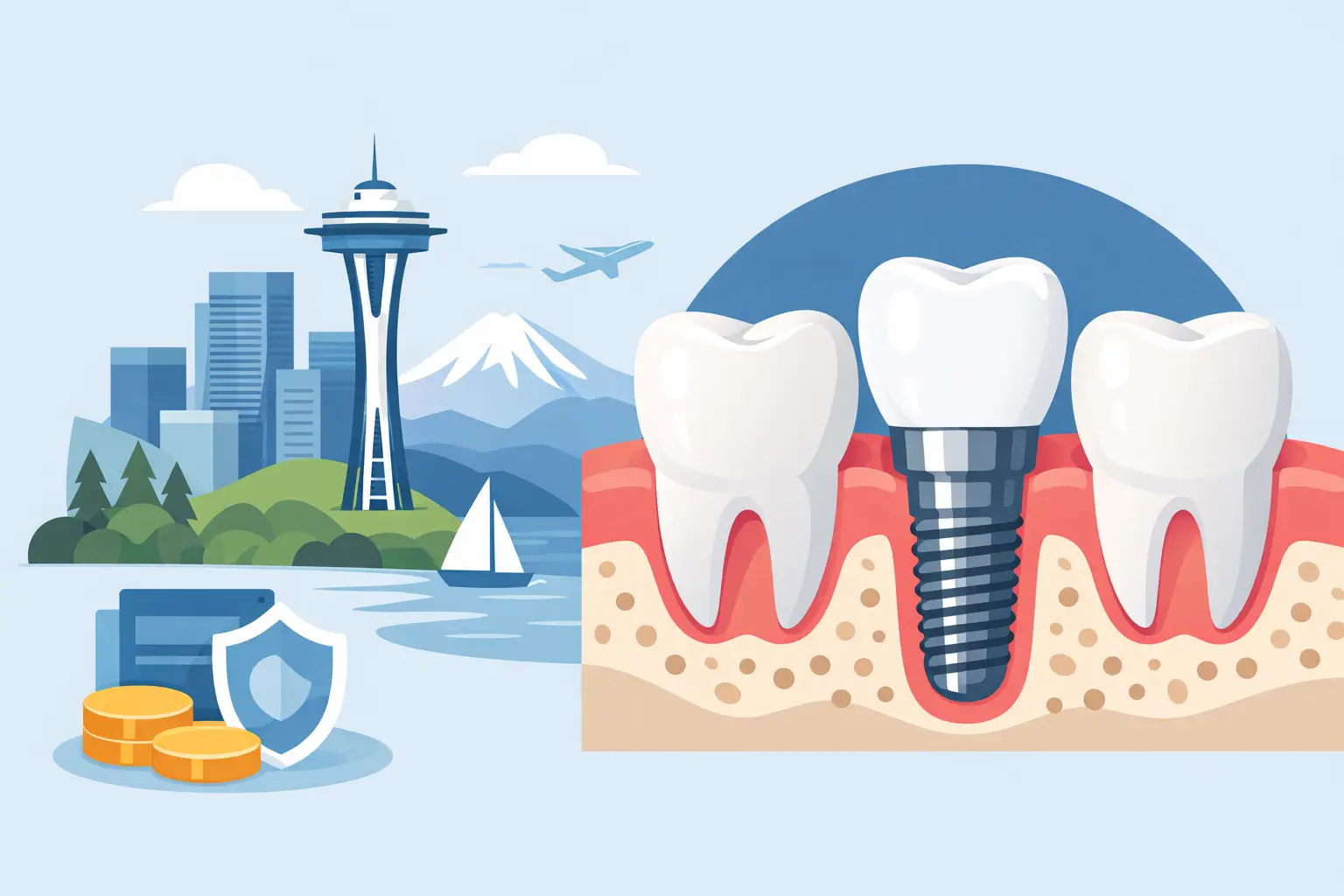
That range typically reflects more than the implant itself. A finished restoration has three main parts: the implant post placed in the jawbone, an abutment that connects the post to the restoration, and a custom crown that looks and functions like a natural tooth. When comparing estimates, ask whether all three are included.
A lower initial quote may cover only the surgical placement of the implant. The crown, imaging, sedation, extraction, follow-up visits, or additional procedures may be listed separately. Clear treatment planning matters because it gives you a more accurate picture of the full cost before care begins.
What affects single tooth implant cost?
Every smile has a different starting point. Some patients have a healthy extraction site with enough bone to support an implant. Others may need treatment first to create a stable foundation for a long-lasting result.
The most common factors that affect cost include the need for a tooth extraction, 3D imaging and diagnostics, bone grafting, gum treatment, and the type of crown selected. An implant in the visible smile zone may also require especially detailed planning to match the shape, color, and gum contour of surrounding teeth.
Timing can matter, too. In some cases, an implant can be placed soon after a tooth is removed. In others, the area needs time to heal or requires bone grafting before placement. A longer timeline can feel frustrating, but it may be the best way to support the implant and protect the appearance of your final crown.
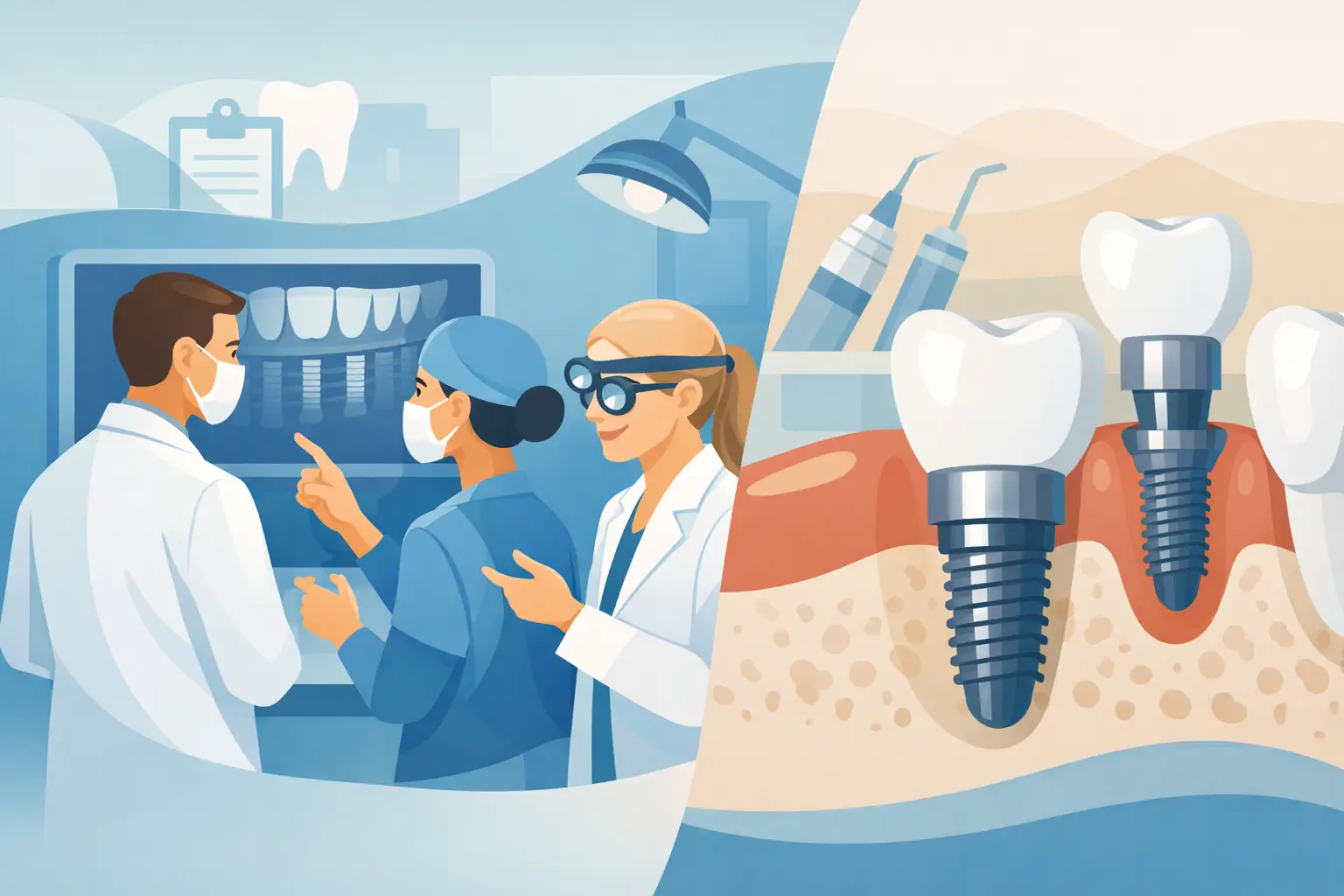
The experience and coordination of your care team are also part of the investment. Implant treatment involves both surgical precision and restorative planning. At Seattle Oral Care, a prosthodontist, oral surgeon, periodontist, and general dentist can work together when a case calls for coordinated expertise. That approach is especially valuable when bone health, gum health, bite alignment, or cosmetic details need close attention.
Why the crown and planning matter as much as the implant
An implant is designed to replace a tooth root, but the crown is the part you see and use every day. It needs to fit comfortably against neighboring teeth, meet your bite correctly, and be easy to clean. A crown that is poorly shaped or overloaded by your bite can create problems even when the implant itself is stable.
Thoughtful planning also helps avoid compromises. For example, an implant may not be the right first step if gum disease is active or if there is not enough bone to support it predictably. Treating those concerns first can add to the cost, yet it can also reduce the risk of future complications and help protect your investment.
Will dental insurance cover a single implant?
Coverage varies significantly by plan. Some dental insurance policies contribute toward portions of implant treatment, such as the crown, extraction, or imaging. Others classify implants as a major service or exclude them altogether. Annual maximums may also limit how much the plan pays, even when implant coverage is available.
It is helpful to view insurance as a benefit that may reduce your out-of-pocket cost, not as the sole guide for choosing treatment. During a consultation , your dental team can review the proposed care, explain which fees apply at each stage, and help you understand available payment options.
Questions to ask before comparing implant estimates
Before choosing an implant provider, ask whether the estimate includes the implant post, abutment, crown, imaging, surgery, and follow-up appointments. You should also ask whether grafting or extraction could be needed, who will perform each part of treatment, and what ongoing maintenance looks like.
The right plan should feel clear, not rushed. A consultation gives your dentist the chance to examine the area, assess your bone and gum health, discuss your goals, and explain whether an implant is the most predictable option for your smile.
A missing tooth deserves a solution built for your health, comfort, and future bite. With a personalized evaluation, you can understand your options and move forward knowing what your treatment includes and why it is recommended.