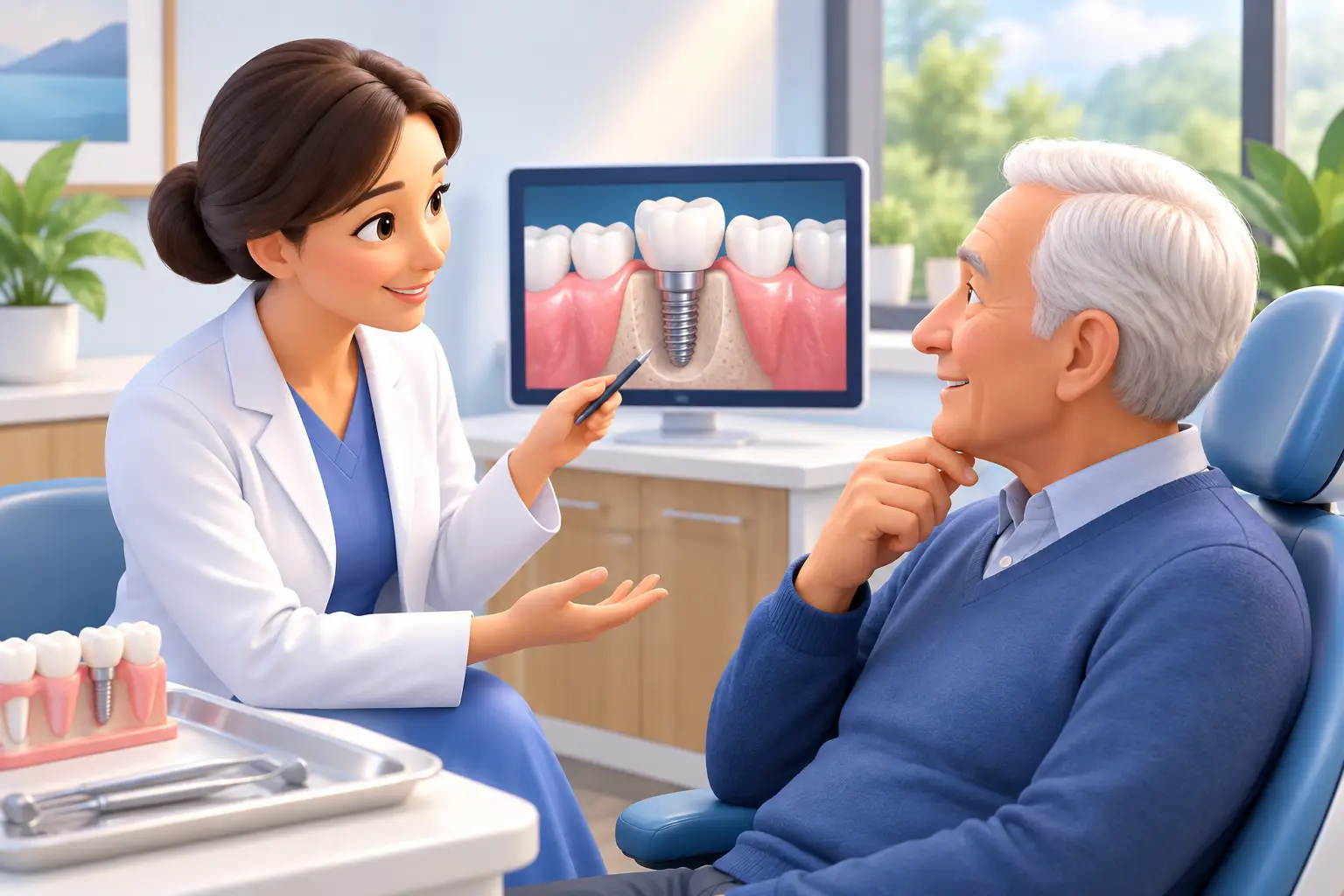
A missing tooth can affect much more than a photograph. You may find yourself chewing on one side, avoiding certain foods, or feeling self-conscious when you laugh. Single tooth implant replacement is designed to restore the visible tooth and the tooth root beneath it, creating a stable, natural-looking result that does not depend on neighboring teeth for support.
For many patients, an implant is the closest modern dentistry can come to replacing a natural tooth. Still, it is not a one-size-fits-all decision. The health of your gums and jawbone, the location of the missing tooth, your bite, and your medical history all help determine whether an implant is the right long-term choice.
What Is Single Tooth Implant Replacement?
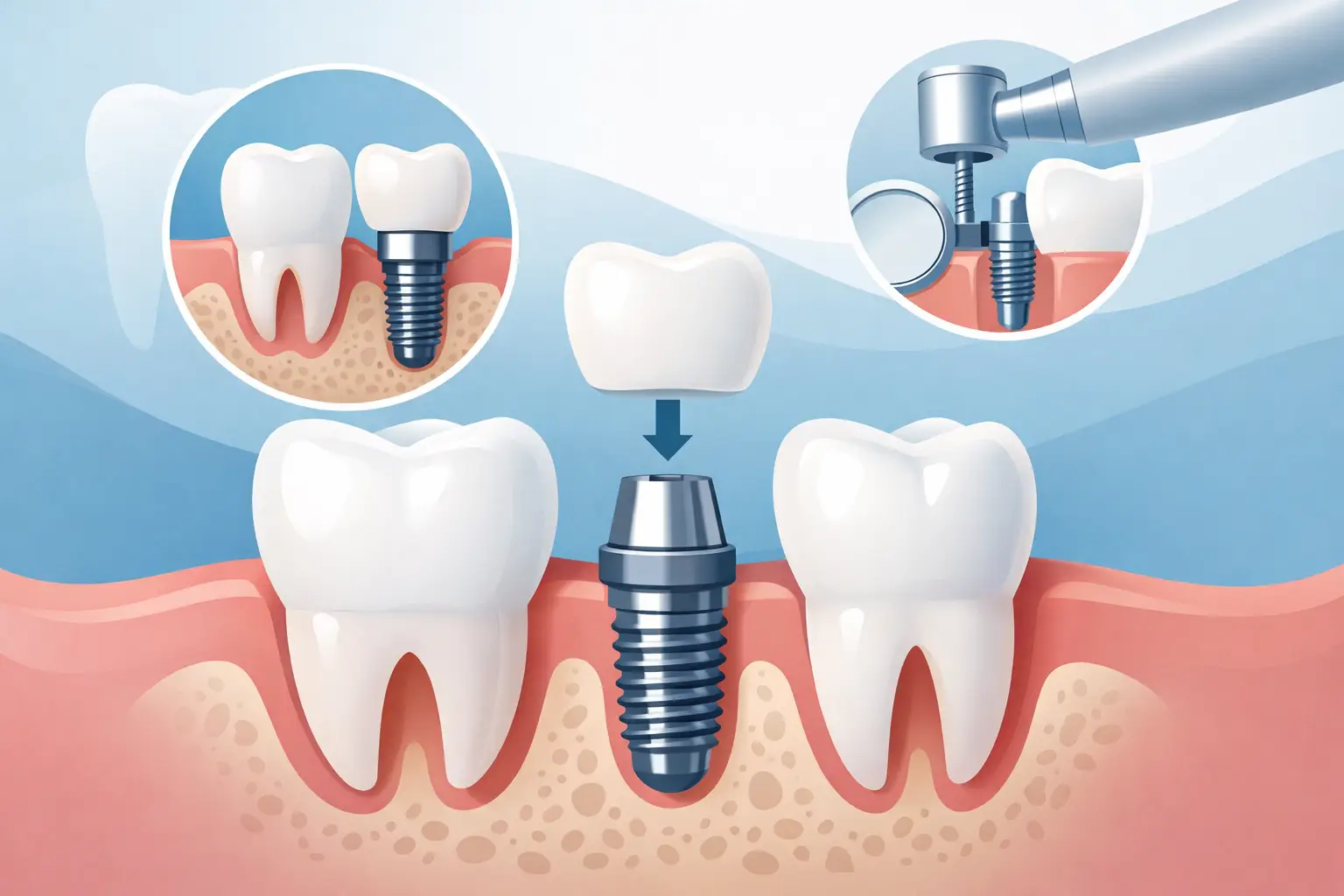
A single-tooth implant has three main parts. The implant itself is a small post, usually made of titanium, placed in the jawbone where the tooth root once was. Once the area has healed and the implant has bonded with the bone, a connector called an abutment supports a custom crown.
The crown is the part you see when you smile. It is carefully shaped and shaded to blend with your surrounding teeth, while the implant below provides support for everyday biting and chewing. Unlike a traditional bridge, an implant-supported crown usually does not require reshaping the healthy teeth beside the gap.
That distinction matters. A bridge can be an excellent solution in some situations, particularly when adjacent teeth already need crowns. But when nearby teeth are healthy, an implant may preserve more of your natural tooth structure.
Why Replacing One Missing Tooth Matters
It can be tempting to wait, especially if the missing tooth is toward the back of the mouth. Over time, though, the teeth around an open space can drift or tip into it. The opposing tooth may move farther out of position because it no longer has a tooth to bite against. These changes can make chewing less efficient and complicate future restoration.
The jawbone also relies on stimulation from tooth roots. When a tooth is lost, bone in that area can gradually shrink. An implant transfers chewing forces into the jawbone, helping maintain the bone that supports your facial structure and surrounding teeth.
Replacing the tooth sooner does not always mean placing an implant immediately. If a tooth has been removed because of infection, trauma, or significant gum disease, the site may need time to heal first. A thorough evaluation helps determine the healthiest sequence for your care.
Who May Be a Good Candidate?
Most healthy adults can be considered for a dental implant, including people who have worn a bridge or partial denture for years. Age by itself is rarely the deciding factor. The more relevant questions are whether your jawbone can support an implant, whether gum disease is under control, and whether your overall health allows for predictable healing.
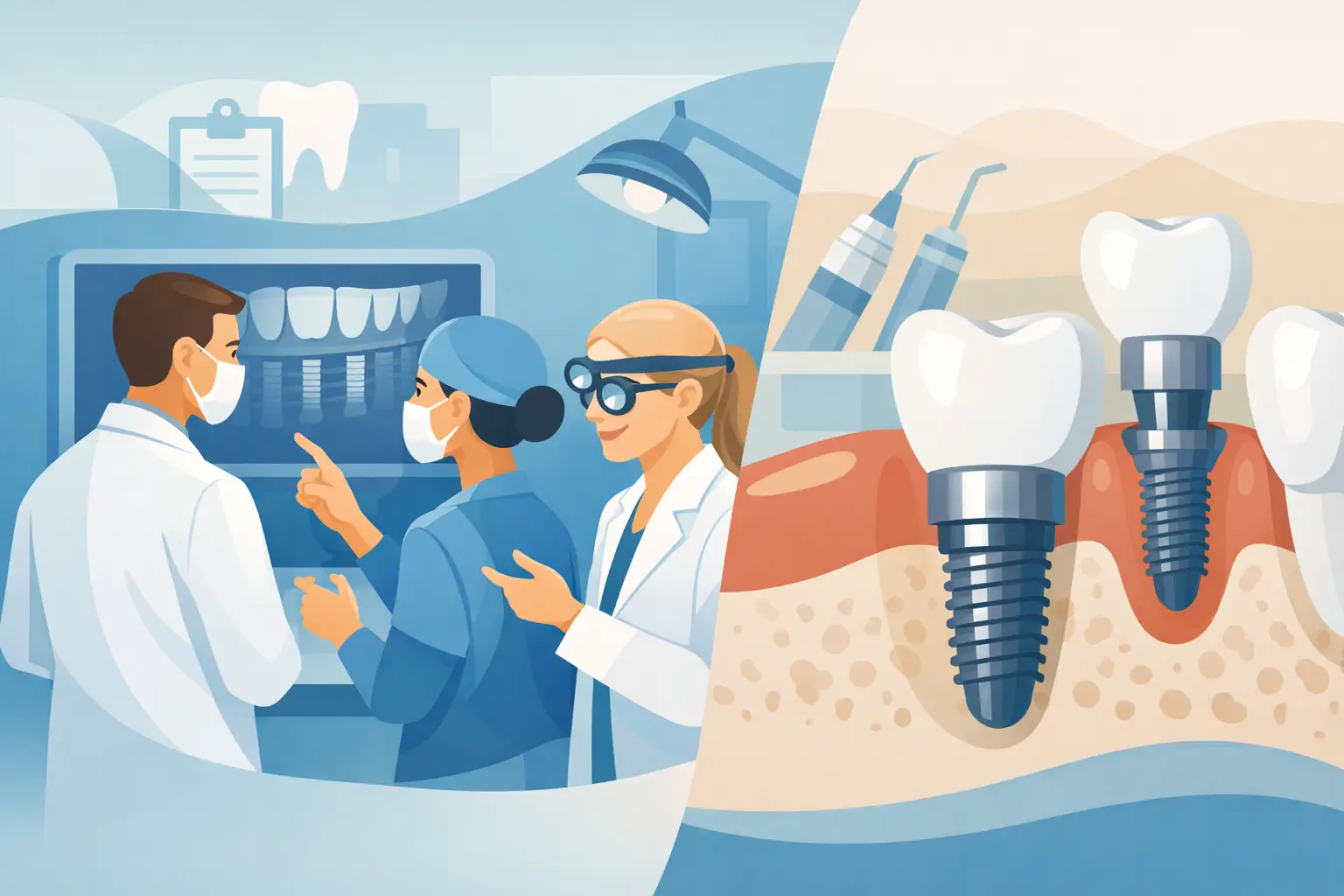
During an implant consultation, your dental team may use digital imaging to assess bone volume, tooth roots, sinus position in the upper jaw, and the way your teeth come together. This planning is especially valuable for front teeth, where gum shape and crown appearance are highly visible, and for molars, which must withstand stronger chewing forces.
Some patients need additional preparation. A bone graft can rebuild an area that has lost volume, while periodontal treatment may be recommended before implant surgery if there is active gum inflammation. Smoking, uncontrolled diabetes, certain medications, heavy teeth grinding, and untreated sleep-related clenching can also affect planning and long-term maintenance. These factors do not automatically rule out treatment, but they deserve an honest conversation.
The Single Tooth Implant Replacement Process
Every treatment plan is individualized, but implant care generally follows a few clear phases.
Planning and protecting the site
The first step is understanding why the tooth was lost and making sure the surrounding mouth is healthy. If the tooth is still present but cannot be saved, the extraction may be performed with bone preservation in mind. In certain cases, an implant can be placed on the same day as an extraction. In others, healing first produces a more predictable result.
Your dentist will also plan the final crown before surgery whenever possible. This restoration-focused approach helps ensure the implant is positioned for proper function, a comfortable bite, and a natural appearance.
Implant placement and healing
Implant placement is a surgical procedure, but many patients are surprised by how manageable it feels. Local anesthetic keeps the treatment area numb, and sedation options may be available for patients who feel especially anxious. Mild soreness, swelling, or bruising for a few days is common and can usually be managed with the instructions and medications provided by your care team.
After placement, the implant needs time to integrate with the jawbone. This process, called osseointegration, typically takes several months. Healing timelines vary based on the tooth location, bone quality, whether grafting was needed, and your individual health. A temporary tooth may be an option during this period, especially when a front tooth is being replaced.
Your custom implant crown
Once healing is confirmed, the final crown is designed to match your smile and bite. A well-made implant crown should look like a natural tooth, feel comfortable when you chew, and allow you to clean around it effectively.
The final appointment includes more than attaching the crown. Your dentist checks the contact points between teeth, the way the crown meets the opposing tooth, and the appearance of the gumline. Small adjustments at this stage can make a meaningful difference in comfort and longevity.
Benefits, Limits, and Realistic Expectations
A single implant can offer excellent stability, comfortable chewing, and a fixed replacement that does not need to be removed at night. It can also help prevent neighboring teeth from shifting and avoid placing a bridge over healthy teeth.
However, an implant is not a natural tooth that can be ignored indefinitely. While the implant itself cannot get a cavity, the tissues around it can develop inflammation or infection. This is known as peri-implant disease, and it can threaten bone support if left untreated. Regular preventive visits and careful home care remain essential.
Cost and treatment time are also practical considerations. Implant treatment often takes longer and may have a higher initial cost than some alternatives. A bridge may be completed more quickly, and a removable partial denture may be appropriate when surgery is not advisable. The best choice depends on your goals, clinical needs, budget, and the condition of the teeth around the space.
Caring for an Implant-Supported Crown
Daily care is straightforward, but consistency matters. Brush twice a day with a soft toothbrush and clean between your teeth every day. Depending on the shape of the crown and spaces around it, your dental team may recommend floss, an interdental brush, or a water flosser as part of your routine.
Professional cleanings and periodic implant evaluations allow your dental team to check the gums, bone levels, crown, and bite before small concerns become larger ones. If you grind or clench, a night guard may help protect both your implant crown and natural teeth from excess force.
Call your dental office if you notice bleeding around the implant, persistent tenderness, a change in your bite, a loose crown, or discomfort when chewing. These signs do not always mean the implant is failing, but they should be evaluated promptly.
A Coordinated Approach Can Make Treatment Easier
Single tooth implant replacement involves restorative planning, surgical placement, gum health, and ongoing maintenance. Having these perspectives coordinated can be especially reassuring when your case involves bone grafting, a highly visible front tooth, or a history of dental anxiety.
At Seattle Oral Care, patients can receive implant planning with a coordinated team that includes prosthodontic, surgical, periodontal, and general dental expertise. The goal is not simply to fill a space. It is to create a result that supports your comfort, oral health, and confidence for years to come.
If you have been living around a missing tooth, a consultation can replace uncertainty with clear answers. A thoughtful exam will show what is possible, what preparation may be needed, and which path makes the most sense for your smile.