A missing tooth can change more than a smile. It can make chewing feel uneven, affect the way you speak, and leave you wondering whether people notice the gap. Dental implant crowns replace the visible part of a missing tooth while connecting to an implant that functions as an artificial tooth root. The goal is not simply to fill a space. It is to create a replacement that feels stable, looks natural, and supports your long-term oral health.
For many patients, an implant crown is the closest available replacement to a natural tooth. Still, the best result depends on much more than choosing a crown. Your bone, gums, bite, neighboring teeth, and daily habits all help determine how the restoration should be planned.
What Is a Dental Implant Crown?
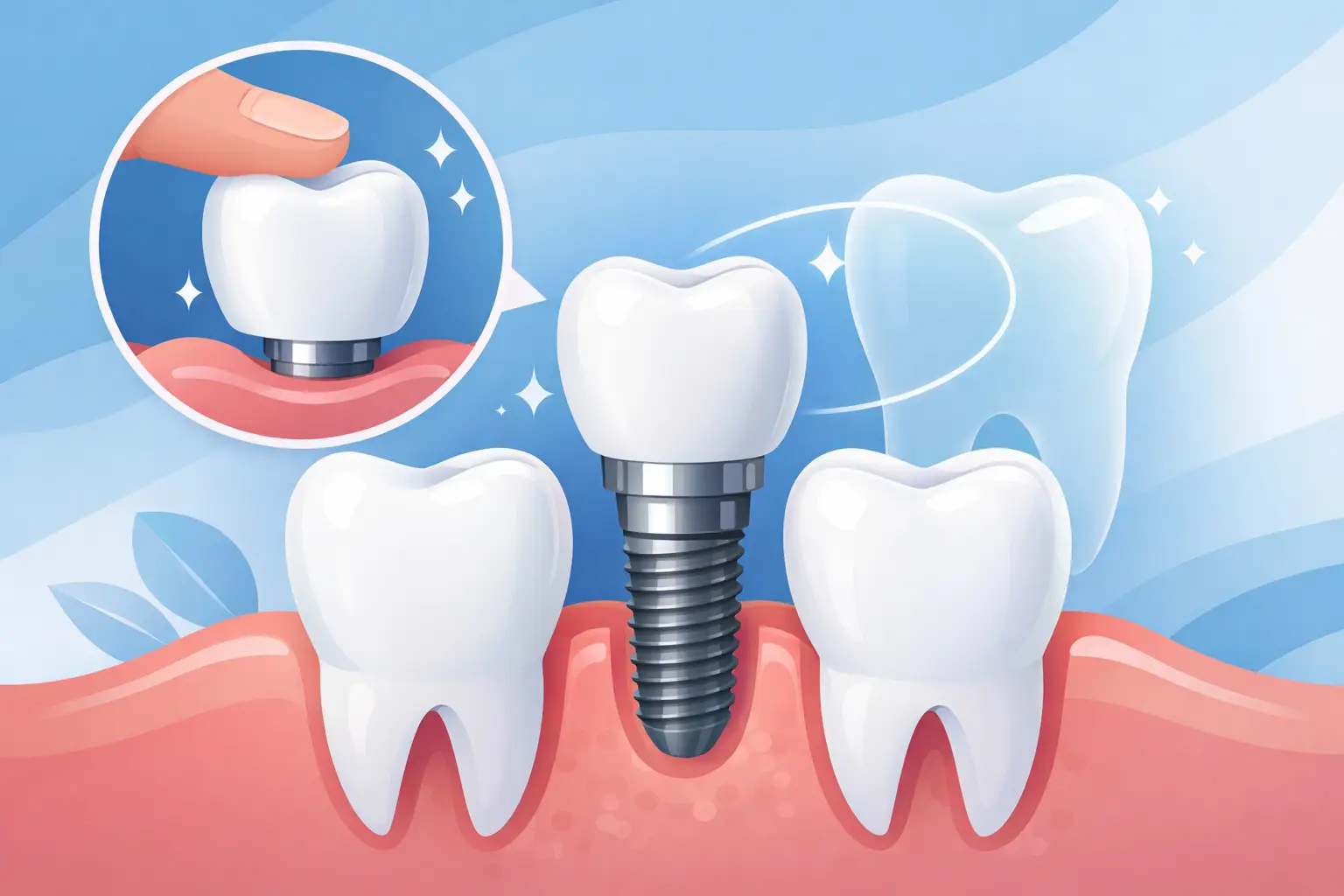
An implant crown is the tooth-shaped restoration placed on top of a dental implant. The implant itself is a small post, usually made of titanium, that is placed in the jawbone to replace the root of a missing tooth. After the implant and bone have had time to integrate, a connector called an abutment and a custom crown complete the restoration.
Unlike a traditional bridge, an implant-supported crown does not rely on the teeth beside the gap for support. That can be a meaningful advantage when neighboring teeth are healthy and do not need crowns themselves. The implant also helps transfer chewing forces into the jawbone, which can help preserve bone in the area over time.
A crown is custom-made to match your surrounding teeth in shape, shade, and proportion. It should belong in your smile, not look like it was added to it. For front teeth, the details of color, translucency, gum contour, and lip support may require especially careful planning. For back teeth, strength and bite balance often take priority.
Why Planning Matters Before Placement
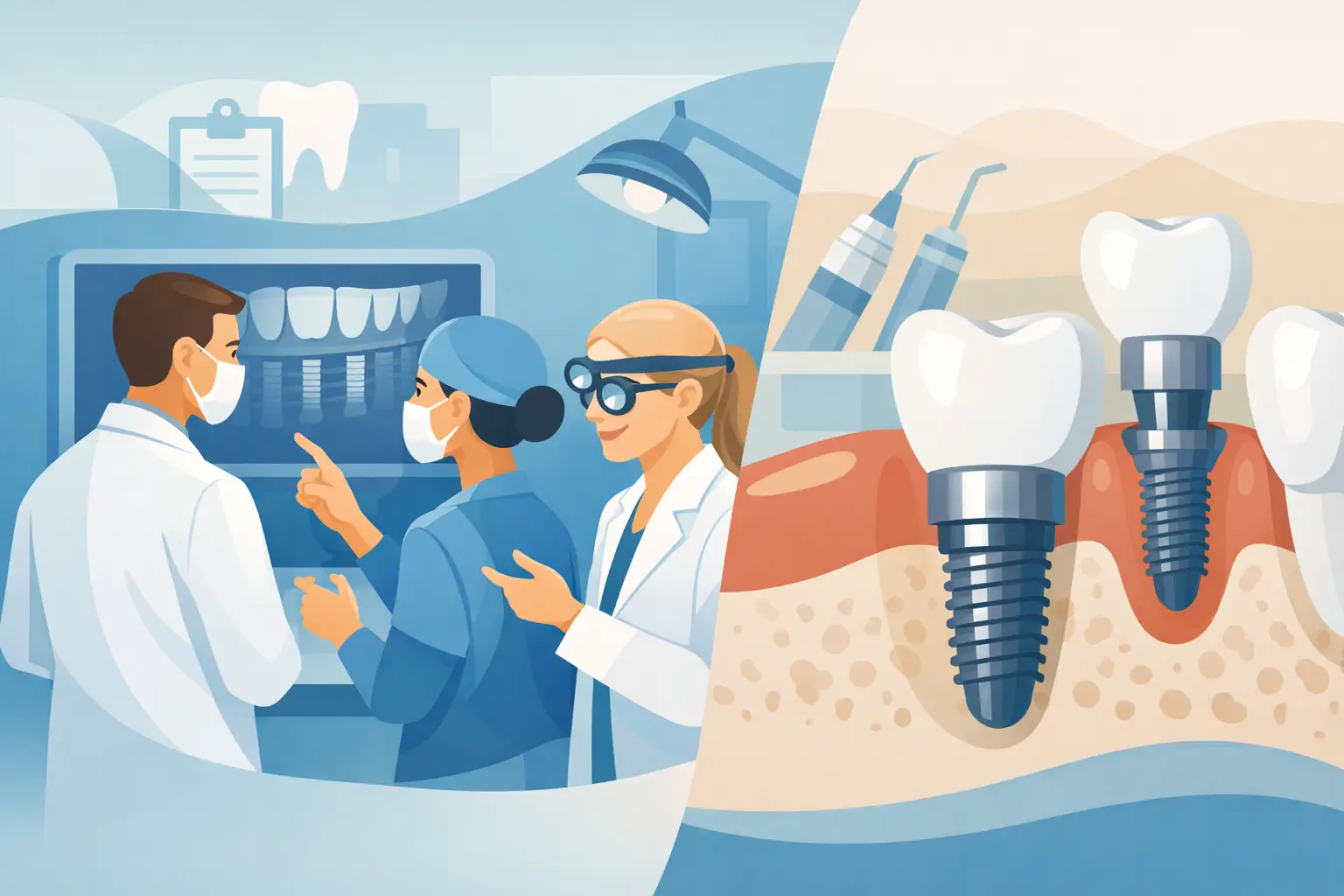
Dental implants are highly successful, but they are not one-size-fits-all treatment. A crown can only perform as well as the implant, bone, gum tissue, and bite beneath it. Before treatment begins, your dental team will evaluate the missing-tooth area and the health of your entire mouth.
This assessment may include digital imaging, photographs, impressions or scans, and a review of your medical and dental history. Your provider will look at whether there is enough healthy bone to support an implant, whether gum disease is present, and whether teeth have shifted into the open space. If you grind or clench your teeth, that also affects the design of the crown and the way forces are managed.
Sometimes an implant can be placed soon after a tooth is removed. In other cases, healing time, bone grafting, or gum treatment may be recommended first. Waiting can feel frustrating when you are ready to replace a tooth, but it may create a healthier foundation for a result that lasts.
At Seattle Oral Care, coordinated planning can bring prosthodontic, surgical, periodontal, and general dental perspectives together when treatment is more complex. That means the visible crown and the health of the supporting tissues are considered as one plan.
Choosing the Right Crown Material
Many dental implant crowns are made from ceramic materials because they are durable and can be made to look remarkably natural. Zirconia is often chosen for its strength, particularly in areas that handle heavier chewing forces. Layered ceramics may offer added lifelike detail for highly visible front teeth.
There is no universal best material. A patient replacing a front tooth may need a different approach than someone replacing a molar. The amount of available space, your bite, the color of adjacent teeth, and whether you have a history of grinding all matter.
The most natural-looking crown is not always the one that is most translucent, and the strongest material is not always the best cosmetic match. A thoughtful treatment plan balances appearance, durability, cleanability, and the demands of your bite.
Screw-Retained and Cement-Retained Crowns
An implant crown may be attached with a small screw or secured with dental cement. Both approaches can work well in the right circumstances. A screw-retained crown often allows easier access if the crown needs to be removed for maintenance or repair. The access opening is sealed with tooth-colored material after placement.
Cement-retained crowns may be useful when implant position or aesthetics call for that design. However, excess cement must be carefully removed because retained cement can irritate the gums around an implant. Your provider will recommend the attachment method based on the position of the implant, the crown design, and your individual needs.
The Treatment Timeline Is Personal
The process usually unfolds in stages rather than a single appointment. If an implant has already been placed and healed, the crown phase may begin with a scan or impression of the implant and surrounding teeth. Your provider records bite relationships and selects a shade that works with your smile.
A dental laboratory then fabricates the final crown. At the delivery visit, the team checks the fit against the implant, the contact with neighboring teeth, the look of the crown, and the way your teeth meet when you bite. Small adjustments at this stage can protect both your comfort and the restoration.
If you are starting from the beginning, the overall timeline may be several months. That includes healing after extraction, any bone or gum preparation, implant placement, integration with the bone, and final crown fabrication. Some patients qualify for temporary tooth replacement during healing, especially when the missing tooth is visible. Your provider can explain what is appropriate for your specific case.
What an Implant Crown Should Feel Like
Once treatment is complete, an implant crown should feel secure during normal chewing. It should not wiggle, press painfully into the gum, or make your bite feel high. You may remain aware of it at first, much like a new pair of glasses, but most patients quickly adjust.
An implant does not have the same ligament around its root as a natural tooth. That means it does not provide exactly the same pressure sensation when you chew. Even so, a well-designed implant crown can restore comfortable function and help you enjoy a wider range of foods.
Call your dental office if you notice a change such as looseness, a clicking sensation, pain when biting, bleeding around the implant, or a crown that feels different from the way it did initially. These symptoms do not automatically mean the implant has failed. A loose screw, bite change, gum inflammation, or porcelain damage may be treatable when addressed early.
Caring for an Implant Crown Every Day
Implants cannot get cavities, but the gum and bone around them still need protection. Plaque can cause inflammation around an implant, and untreated inflammation can progress to bone loss. Consistent home care and professional maintenance are essential to long-term success.
Brush twice daily with a soft toothbrush, cleaning carefully where the crown meets the gumline. Clean between teeth every day with floss, an interdental brush, or another tool recommended for the shape of your restoration. The right tool depends on the space around your crown and the contours of your gums.
Regular dental visits allow your team to check gum health, bite forces, and the condition of the crown and implant components. If you clench or grind, a nightguard may be recommended to reduce stress on your teeth and restorations. Avoid using the crown to open packages or chew hard objects such as ice, as those habits can damage natural teeth and restorations alike.
Common Questions About Dental Implant Crowns
Can an implant crown be replaced?
Yes. The crown may eventually need repair or replacement because of wear, chipping, changes in appearance, or damage from biting forces. In many cases, the implant itself remains healthy and a new crown can be made without replacing the implant.
Will the crown match my other teeth?
A custom crown can be closely matched to neighboring teeth, though a perfect match depends on factors such as the color variation in natural enamel, staining, and lighting. If you are considering whitening, discuss timing before the final crown is made, because porcelain and zirconia do not whiten after placement.
Is an implant crown right for every missing tooth?
Not always. A bridge, partial denture , or other treatment may make more sense depending on your health, bone support, budget, number of missing teeth, and treatment goals. A good consultation should explain the trade-offs clearly, without pressure.
A missing tooth deserves more than a quick fix. With careful planning, skilled placement, and consistent follow-up, an implant crown can become a comfortable, dependable part of your daily life. If you have questions about a gap in your smile or an existing implant crown that does not feel right, a personalized evaluation can give you clear next steps and peace of mind.