A missing tooth can change far more than a smile. It can make chewing uncomfortable, alter speech, and leave neighboring teeth without the support they need. Dental implants replace both the visible tooth and its missing root, making them one of the most stable, natural-feeling options for rebuilding a smile.
For many people, the question is not simply whether an implant looks good. It is whether treatment will be comfortable, how long it will take, what it will cost, and whether the result will truly last. A thoughtful consultation can turn those unknowns into a clear, personalized plan.
How Do Dental Implants Work?
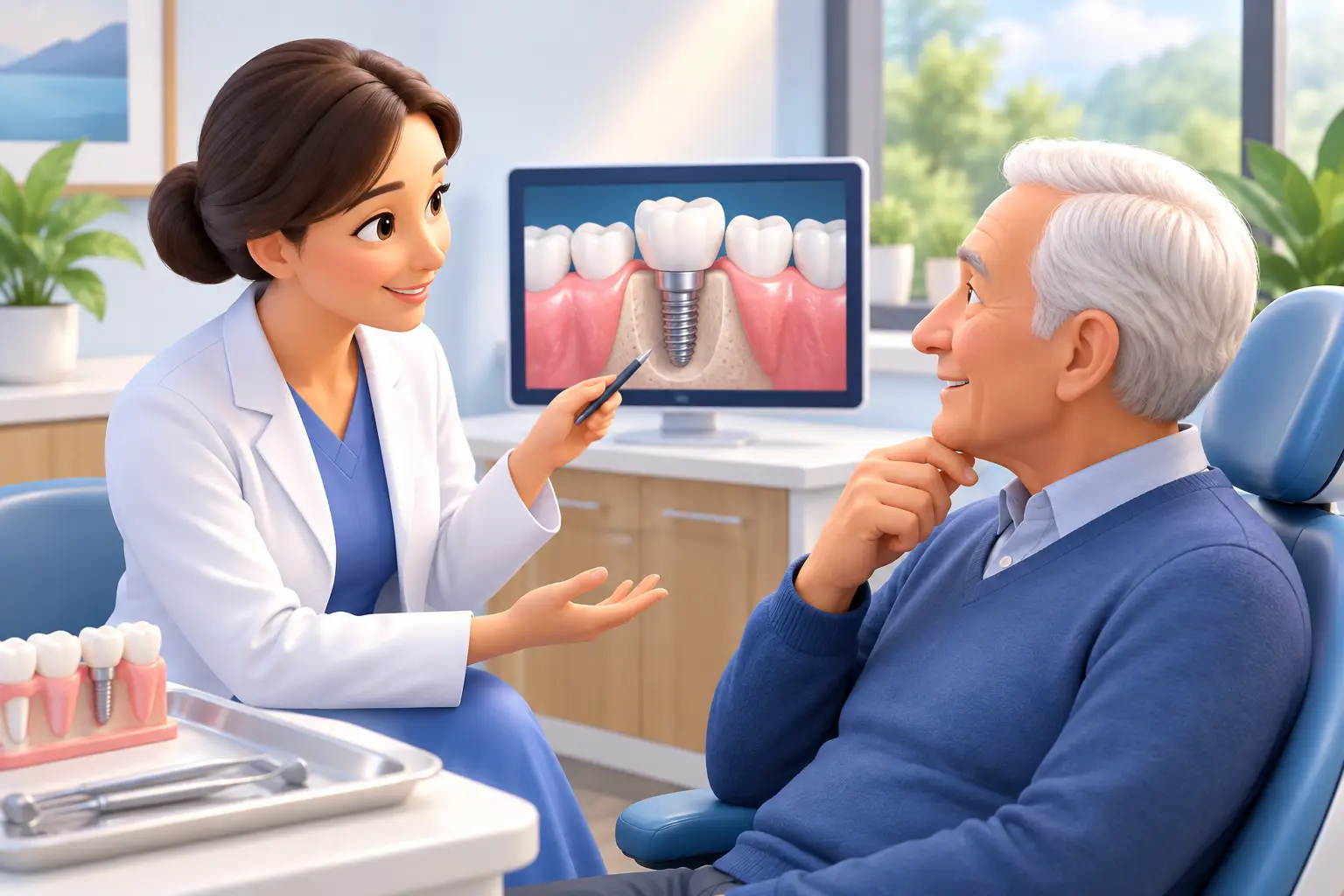
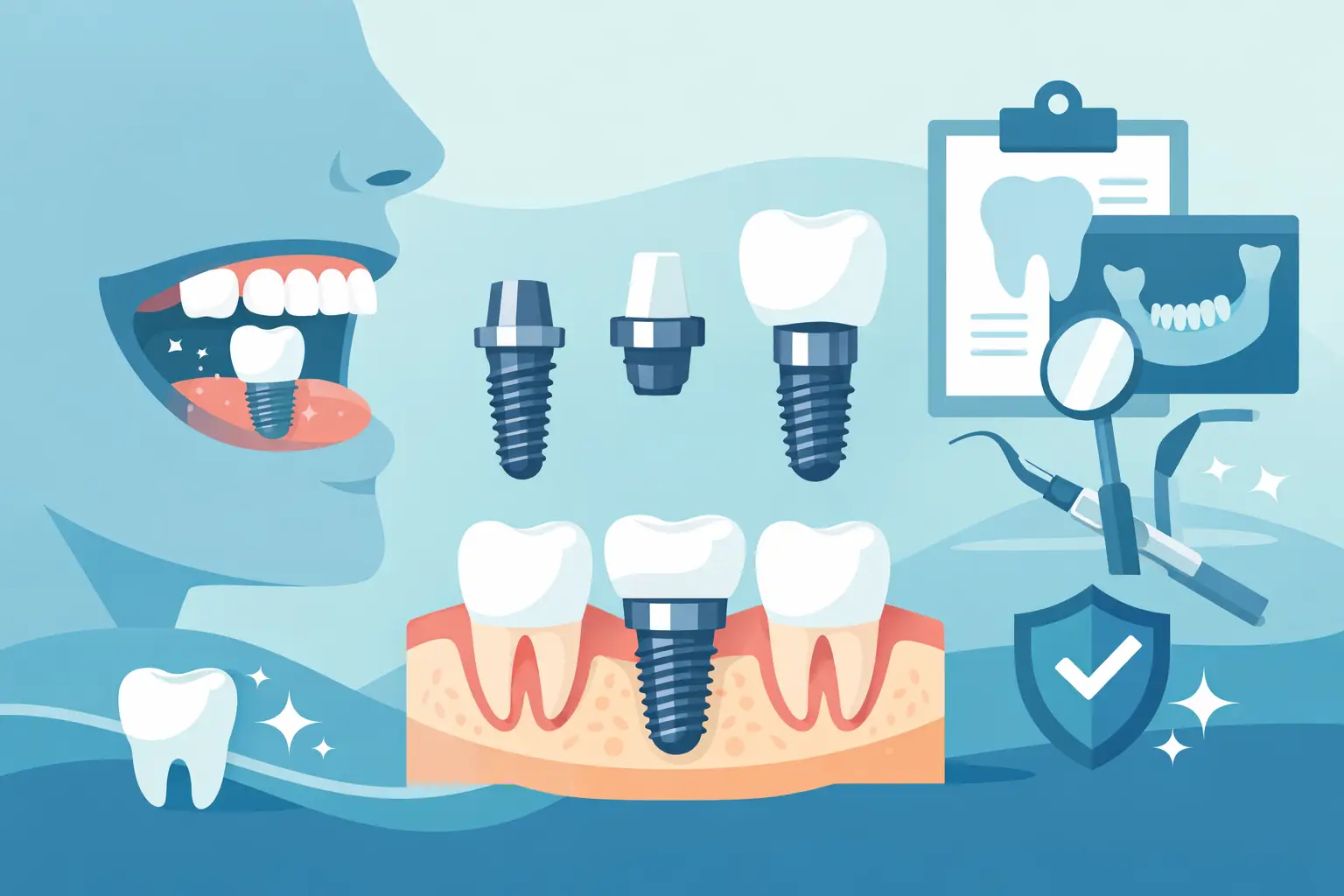
A dental implant is a small post placed in the jawbone where a tooth root once was. Over time, the surrounding bone heals around the implant through a process called osseointegration. This creates a strong foundation for a custom crown, bridge, or denture.
Most dental implant materials are biocompatible titanium, a metal with a long history of safe use in medicine and dentistry. In selected cases, zirconia implants may be considered. Titanium remains the most common option because of its strength, clinical track record, and versatility.
Once healing is complete, the implant supports a restoration designed to match your bite, tooth shape, and smile. Because the implant transfers chewing forces into the jawbone, it can help preserve bone that would otherwise gradually shrink after tooth loss.
The Dental Implant Procedure, Step by Step
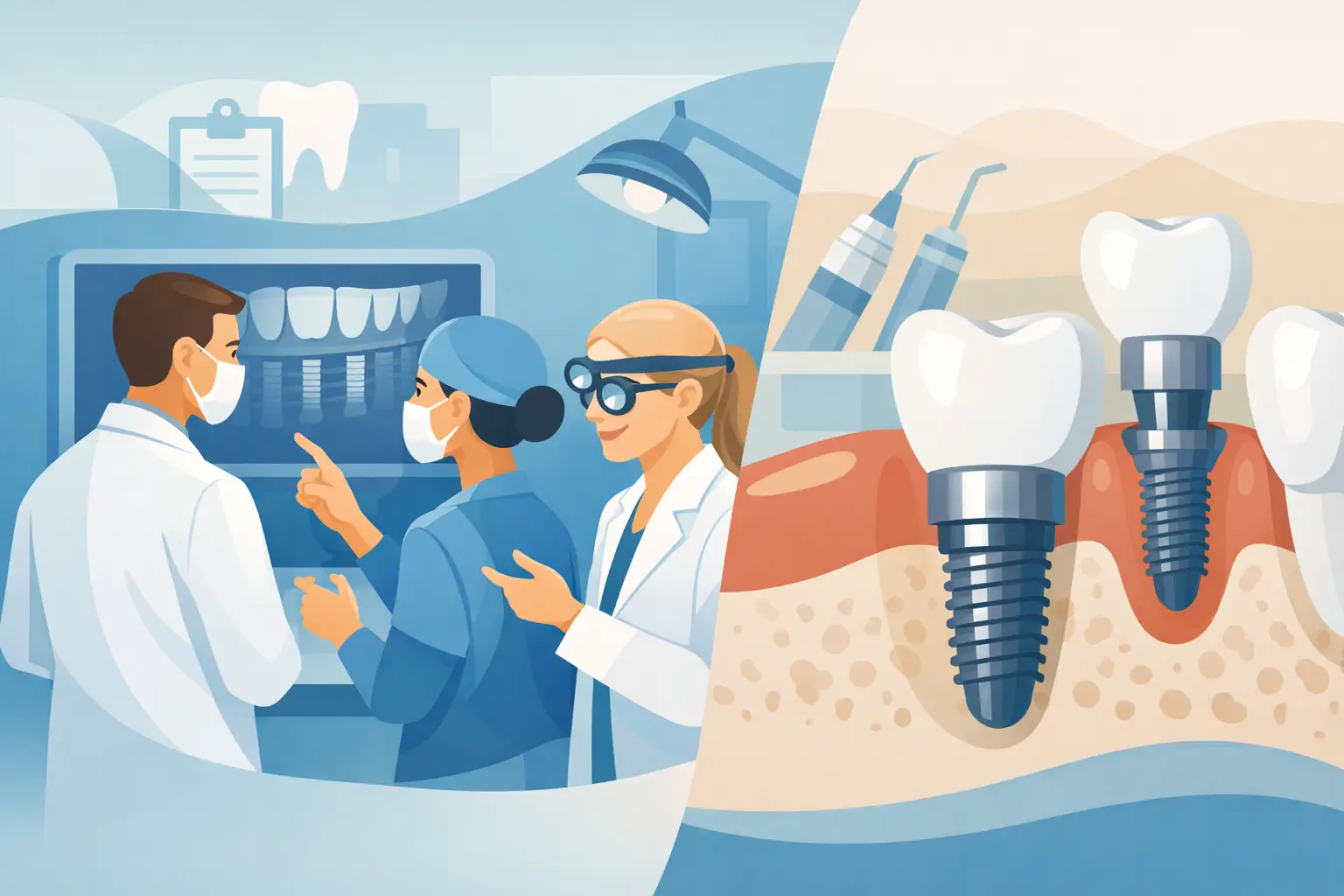
The dental implant procedure begins with careful planning, not surgery. Your dentist reviews your health history, examines your gums and teeth, and uses detailed imaging to evaluate bone volume, nerve locations, and the ideal position for the new tooth.
If gum disease, decay, or an unhealthy tooth is present, those concerns are addressed first. Some patients need a bone graft or sinus lift before implant placement. These procedures can add time to treatment, but they may create the stable foundation needed for a predictable long-term result.
Implant placement is performed with local anesthesia, and sedation options may be available for patients who feel anxious. The post is placed precisely in the jawbone, then allowed to heal. Depending on your clinical needs, you may receive a temporary tooth during this phase.
After the implant has integrated with the bone, an abutment is attached. This small connector holds the final restoration. Your dentist then places a custom crown, bridge, or implant-supported denture and checks the fit, bite, comfort, and appearance.
Types of Dental Implants for Different Needs
The best treatment depends on how many teeth are missing, the health of your jawbone and gums, and your goals for comfort and appearance.
A single tooth implant replaces one missing tooth without altering the healthy teeth beside it. A custom crown is attached to the implant, creating a stand-alone replacement that is cleaned much like a natural tooth.
When several teeth are missing in a row, two or more implants may support a fixed bridge. This can avoid the need to place an implant for every missing tooth while still giving the bridge a secure foundation.
Full mouth dental implants can support a complete upper arch, lower arch, or both. Rather than relying on adhesive or resting directly on the gums, an implant-supported denture attaches to strategically placed implants. Some options are removable for cleaning, while others are fixed in place and can only be removed by the dental team.
The right design is not automatically the most extensive one. A good plan considers your bite, bone support, ability to clean the restoration, health history, and budget.
Dental Implant Cost: What Shapes the Investment
Dental implant cost varies because no two mouths, treatment plans, or restorations are exactly alike. A single implant generally costs less than full-arch rehabilitation, but the final price also reflects diagnostics, surgical care, grafting when needed, the abutment, and the quality of the final crown or bridge.
It is reasonable to ask for a clear breakdown of what is included. You should also ask whether future maintenance, temporary restorations, sedation, or periodontal treatment may affect the total.
Insurance coverage is inconsistent. Some plans contribute to the crown or denture portion of care but not the surgical implant itself. Financing may help make treatment more manageable, but the most useful first step is understanding the clinical plan and the long-term value behind it.
Dental Implant Pros and Cons
The strongest advantages of implants are stability, bone preservation, and the ability to replace teeth without relying on adjacent natural teeth. They are designed to feel secure when you eat and speak, and they can provide a remarkably natural appearance.
The trade-offs are real. Implant treatment requires surgery, healing time, and a greater up-front investment than many alternatives. Not everyone can receive an implant immediately, especially when active gum disease, uncontrolled diabetes, significant bone loss, or heavy tobacco use is involved.
Dental implant recovery time also varies. Most people return to normal daily activities within a day or two after placement, though tenderness and swelling can last several days. The bone-healing phase usually takes several months. Following aftercare instructions, eating softer foods as directed, and attending follow-up visits protect the healing site.
Are You a Good Candidate?
Strong dental implant candidates usually have healthy gums, adequate bone or the ability to receive grafting, and a commitment to daily home care. Age alone does not rule out implants. Many older adults enjoy excellent outcomes when their overall health and oral conditions are appropriate.
A consultation should include an honest discussion of medical conditions, medications, sleep habits, bite forces, and tobacco or nicotine use. Grinding and clenching do not necessarily prevent implant treatment, but they may require a protective nightguard and careful restoration design.
At Seattle Oral Care, implant planning can bring prosthodontic, surgical, periodontal, and general dental perspectives together in one coordinated process. That team approach is particularly valuable when tooth loss, gum disease, bite problems, or extensive restorative needs overlap.
Dental Implants vs. Bridge vs. Dentures
A traditional bridge can be a practical solution when the teeth next to a gap already need crowns. It is typically completed faster than an implant, but it requires reshaping neighboring teeth and does not replace the missing root beneath the gumline.
A removable partial denture is often the most affordable way to replace multiple teeth, and it may be the right temporary or long-term choice for some patients. Still, it can move during eating, may need periodic adjustment, and does not prevent jawbone loss in the same way an implant can.
Conventional full dentures can restore appearance and function after extensive tooth loss, but they may feel less stable as the jawbone changes over time. Implant-supported dentures improve retention and chewing confidence for many patients. The best option is the one that matches your health, priorities, timeline, and ability to maintain the restoration.
Dental Implant Success Rate and Long-Term Care
Dental implant success rates are high, often above 90% to 95% in appropriately selected patients over many years. A successful outcome depends on more than the implant itself. Gum health, bone quality, bite forces, surgical technique, restoration design, and consistent maintenance all matter.
So, how long do dental implants last? The implant post can last decades and may last a lifetime with healthy bone and gums. The crown, bridge, or denture attached to it experiences daily wear and may eventually need repair or replacement. Regular exams and cleanings allow small concerns to be managed before they become larger problems.
Brush carefully around implants, clean between teeth or beneath bridges as instructed, and keep periodontal maintenance appointments. Implants cannot get cavities, but the gum and bone around them can become infected without proper care.
If you are searching for dental implants near me , look for a practice that explains options clearly, uses comprehensive diagnostics, and makes you feel heard. The right implant plan should not feel rushed. It should give you a comfortable path toward eating, speaking, and smiling with confidence again.