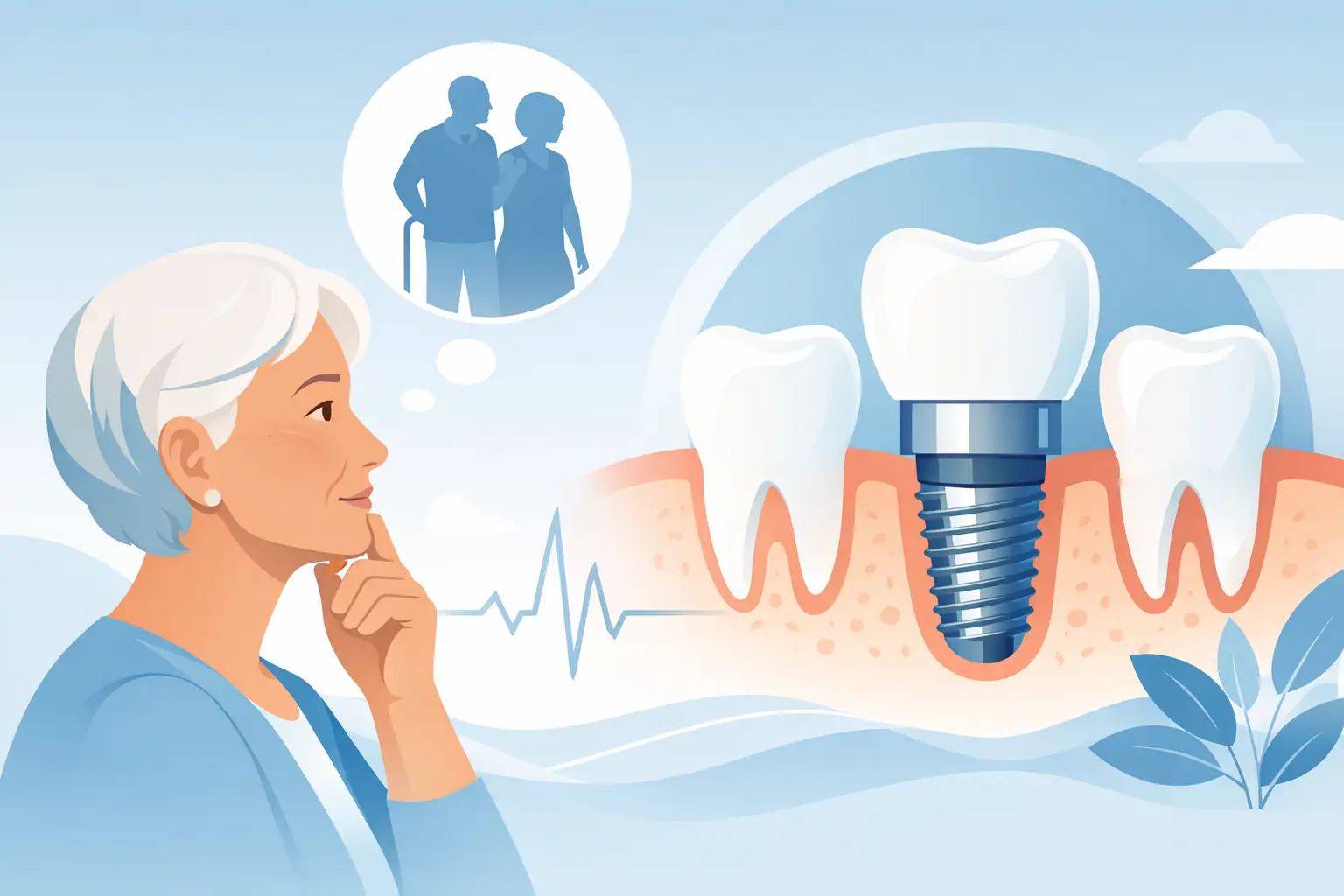
Many people put off replacing missing teeth for years, then wonder, “Am I too old for dental implants?” The reassuring answer is that age alone is rarely the deciding factor. Adults in their 70s, 80s, and beyond can be excellent implant candidates when their overall health, bone support, and treatment goals are carefully evaluated.
Dental implants are designed to replace missing tooth roots and support a crown, bridge, or denture. For many older adults, they can make eating, speaking, and smiling feel more comfortable and secure than removable options. The right answer begins with a personal evaluation, not a number on a birthday card.
Am I Too Old for Dental Implants? What Actually Matters
A healthy 82-year-old may be a better candidate than a 55-year-old with untreated gum disease or poorly controlled diabetes. Your care team will look at your medical history, medications, oral health, and ability to heal after treatment.
Bone is another key consideration. Implants need adequate jawbone for stable support, but bone loss does not automatically rule out treatment. Depending on the area being restored, procedures such as bone grafting or sinus augmentation may help create a stronger foundation. In other situations, the placement plan can be adjusted to use the bone you have available.
Your dentist will also assess gum health. Active periodontal disease needs to be treated and stabilized before implants are placed. This protects both your natural teeth and the long-term health of the implant.
Health Conditions That Need Thoughtful Planning
Common conditions such as high blood pressure, arthritis, osteoporosis, diabetes, and heart disease do not necessarily prevent implant treatment. They simply call for a more coordinated plan. Your dental team may consult with your physician, review your medications, or time treatment around other medical care.
For example, diabetes that is well managed is very different from diabetes with consistently elevated blood sugar. Smoking can also affect healing and raise the risk of implant complications. That does not mean every smoker is ineligible, but it is an honest conversation worth having before treatment begins.
Some medications used to manage bone conditions require special attention before any oral surgery. This is exactly why a detailed health review matters. A careful plan is safer than making assumptions based on age or a single diagnosis.
The Benefits Can Be Especially Meaningful Later in Life
Missing teeth can gradually change what you eat, how clearly you speak, and how confident you feel around others. When dentures slip or make certain foods difficult, people may start avoiding meals they once enjoyed. Implant-supported restorations can provide greater stability and help distribute chewing forces more naturally.
For someone missing one tooth, an implant-supported crown can fill the space without altering neighboring teeth. For several missing teeth, implant-supported bridges may offer a fixed alternative to a removable partial denture. And for people who are frustrated with loose full dentures , a small number of strategically placed implants can improve stability significantly.
Treatment is not about pursuing a “perfect” smile at any age. It is about choosing an option that supports comfort, nutrition, confidence, and long-term oral health in a way that fits your life.
What to Expect From an Implant Consultation
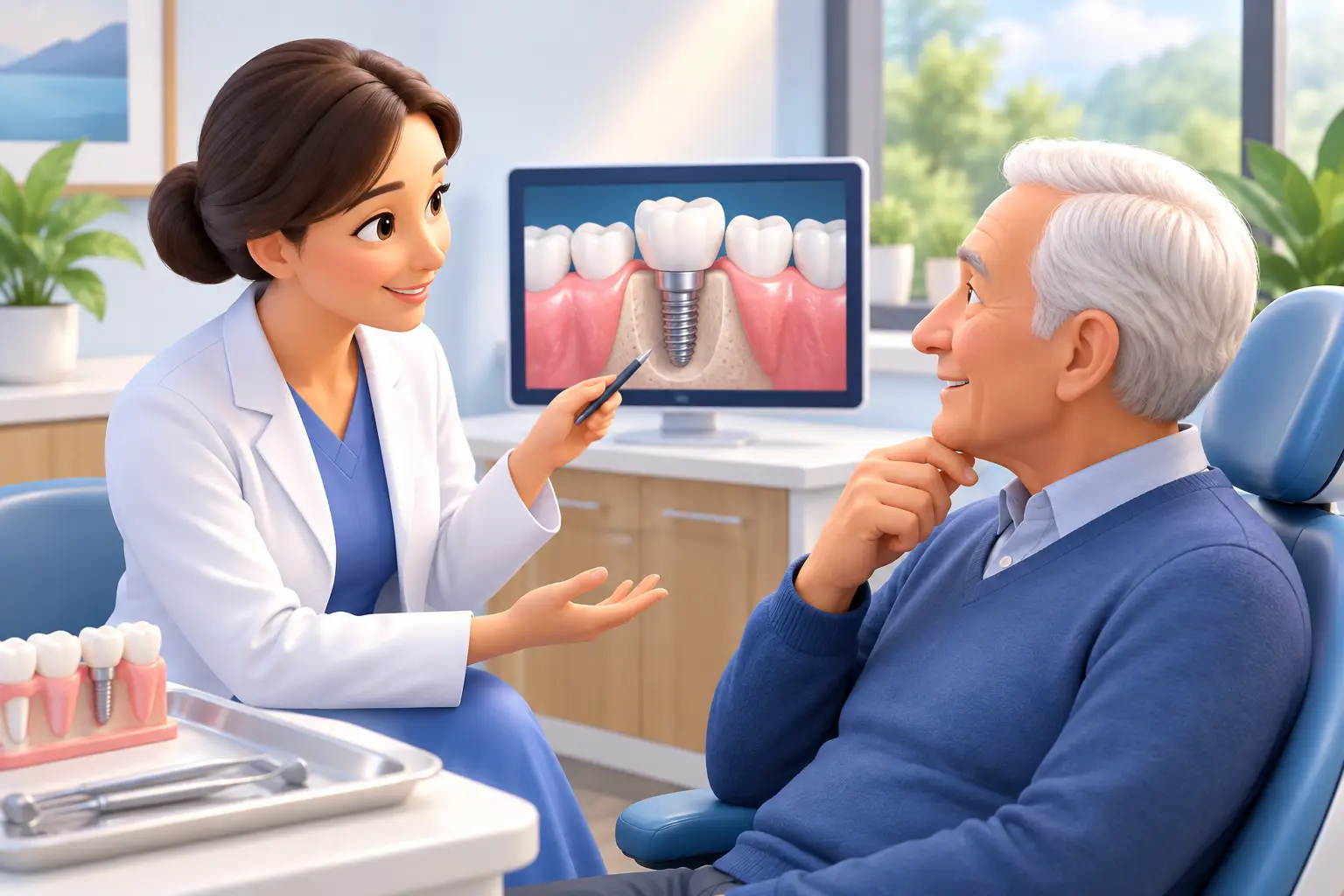
A good consultation should feel unhurried and informative. You should have time to discuss your health history, concerns, past dental experiences, and the outcome you hope to achieve. Imaging and a detailed exam help determine whether implants are appropriate and what preparation, if any, is needed.
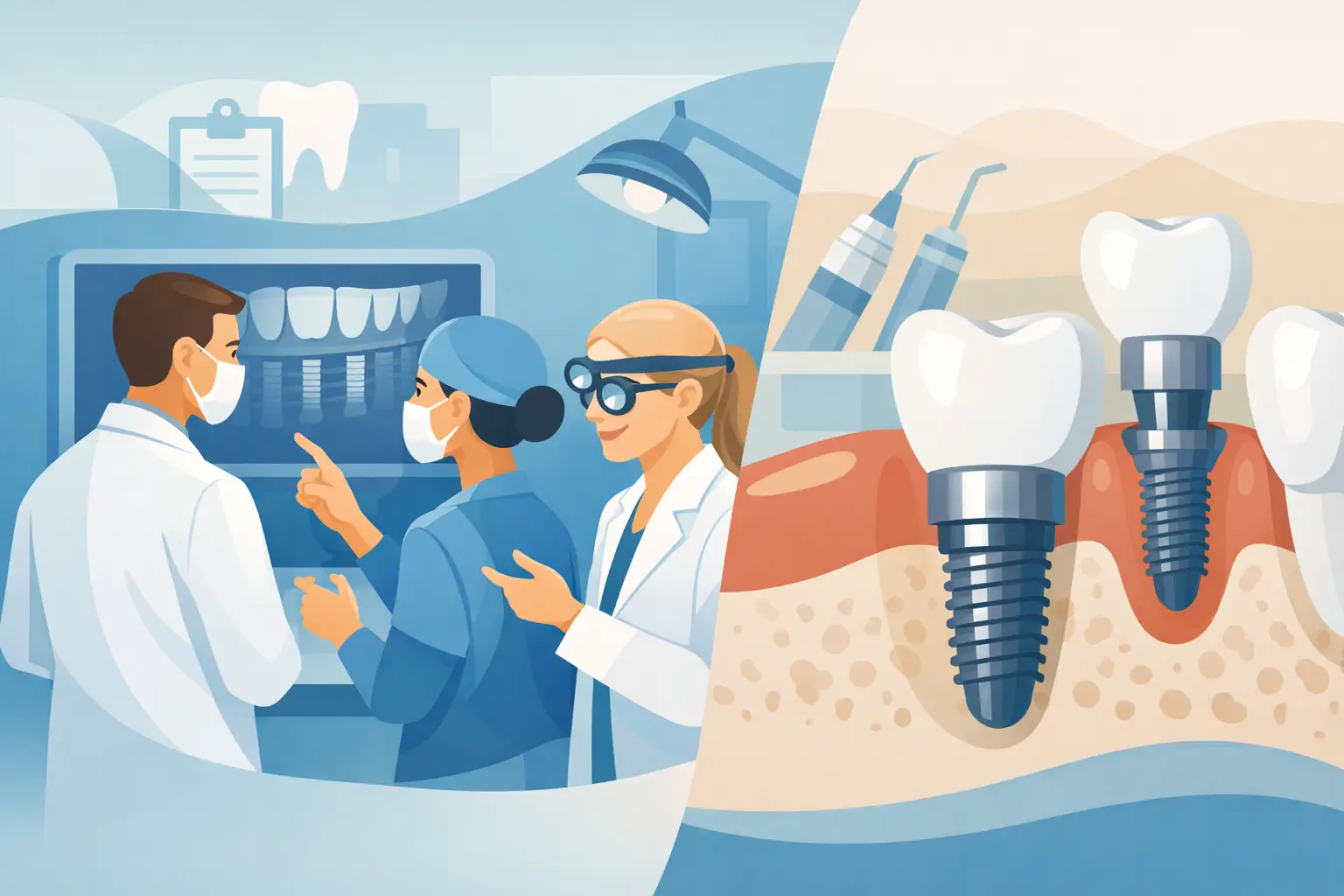
At Seattle Oral Care, coordinated planning can include a prosthodontist, oral surgeon, periodontist, and general dentist when a case is more complex. That team-based approach is particularly valuable when someone needs extractions, gum treatment, grafting, or full-mouth rehabilitation alongside implant care.
Implant treatment also requires a commitment to maintenance. Daily brushing, cleaning around the restoration, regular professional visits, and management of gum inflammation all help protect your investment. Implants cannot get cavities, but the gums and bone around them still need consistent care.
When an Alternative May Be Better
Dental implants are not the only good solution. If surgery is not appropriate because of health concerns, healing limitations, budget, or personal preference, a conventional bridge or well-designed removable denture may be the better choice. The best treatment is the one that is safe, realistic, and comfortable for you to maintain.
Age should not be the reason you stop asking about your options. If tooth loss is affecting your daily life, a thoughtful consultation can clarify what is possible and help you make a decision with confidence.