A missing or failing tooth can affect far more than your smile. You may avoid certain foods, hide your teeth in photos, or worry that treatment will take months. Same-day dental implants, how they work, and whether they are right for you are common questions for patients who want a secure solution without a long gap in their smile.
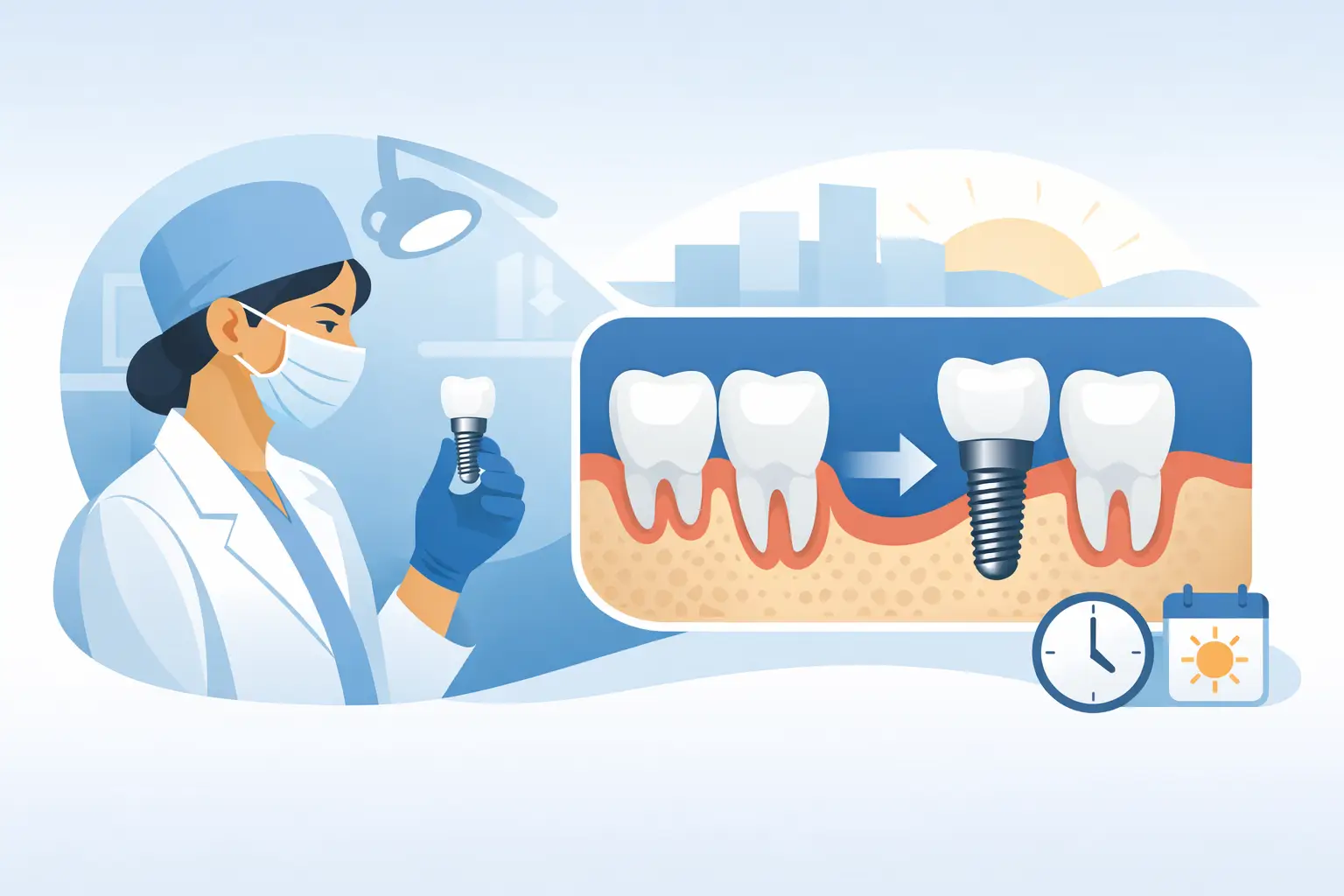
Same-day treatment can mean receiving an implant and a temporary tooth during one appointment. It does not mean the final crown is immediately placed in every case. Your implant still needs time to heal and bond with the jawbone, but you can often leave the office with a natural-looking temporary restoration rather than an empty space.
How Same-Day Dental Implants Work
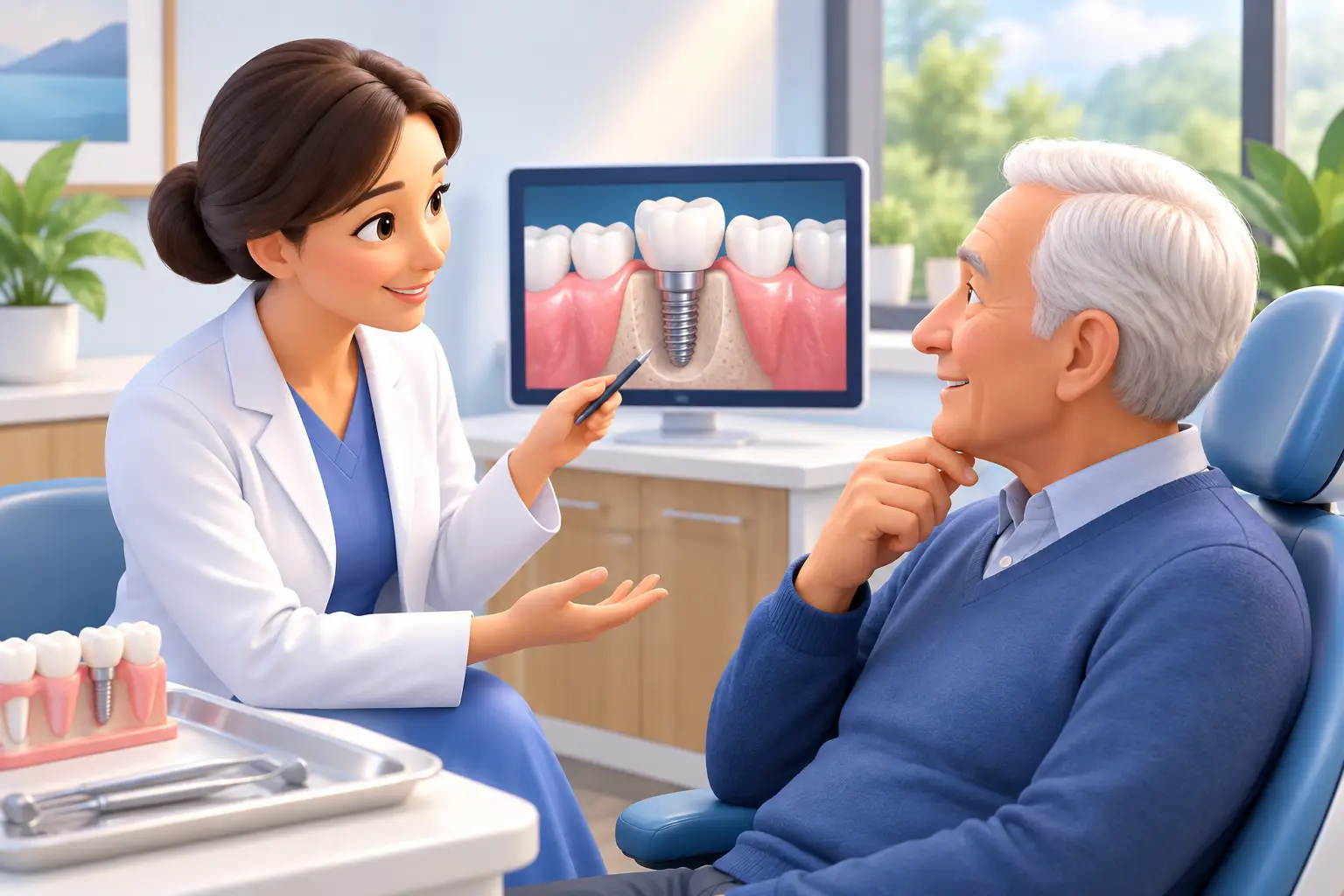
A dental implant is a small titanium post placed in the jawbone to replace a tooth root. Once it is stable, it supports a crown, bridge, or denture that looks and functions much like natural teeth.
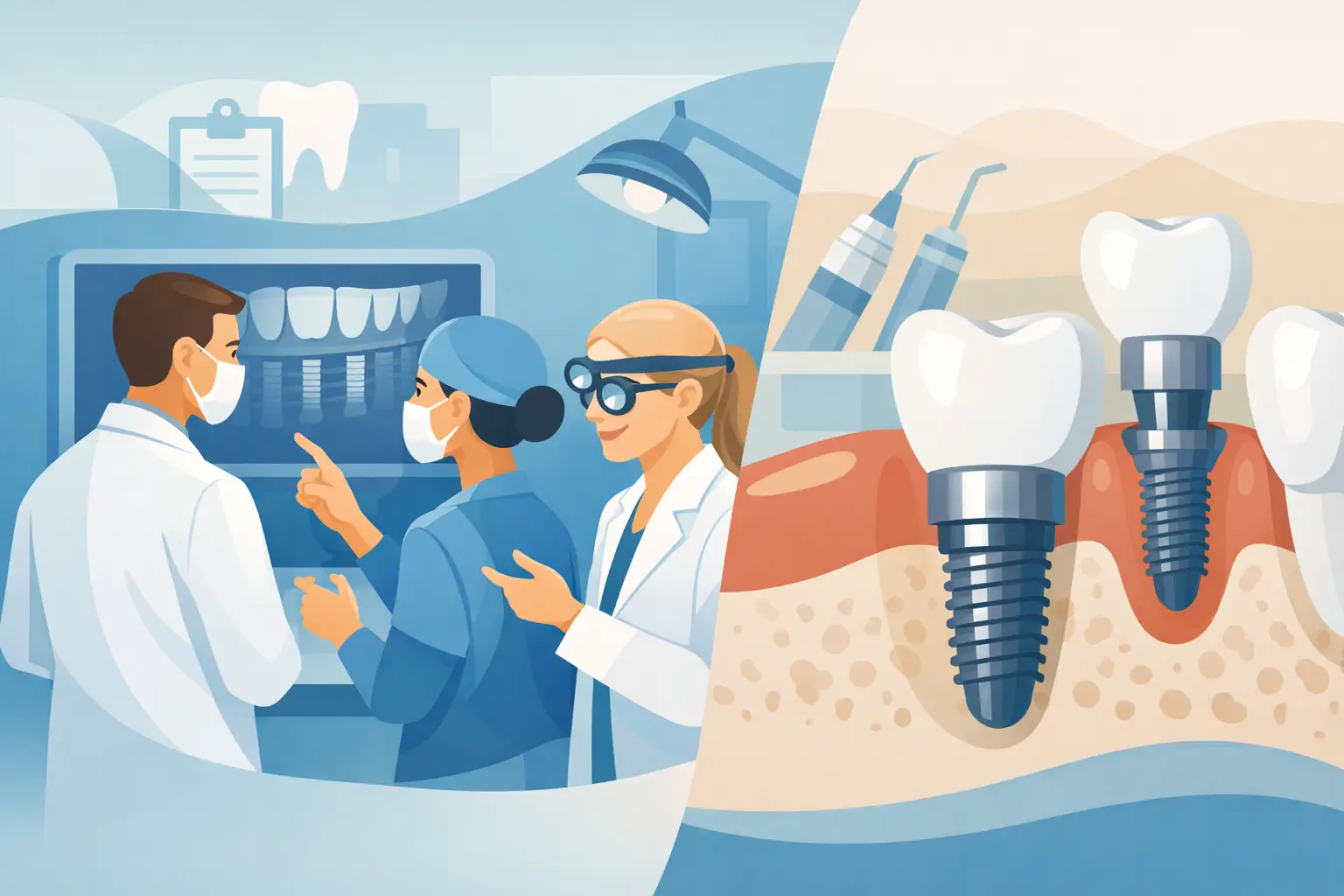
With a same-day approach, your care begins well before the procedure. Detailed imaging and an oral examination help your dental team evaluate your bone volume, gum health, bite, and the condition of the tooth being replaced. This planning is what makes a safe, predictable same-day restoration possible.
At the treatment visit, a damaged tooth may be gently removed if needed. The implant is then placed in the prepared site. When the implant achieves sufficient initial stability, a temporary crown or bridge can be attached that day. The temporary tooth is carefully shaped to support your appearance while protecting the implant during healing.
Over the next several months, your jawbone gradually grows around the implant through a process called osseointegration. After healing is confirmed, your dentist replaces the temporary restoration with a custom final crown, bridge, or implant-supported denture designed for lasting comfort and function.
Not Every Implant Is a Same-Day Implant
Same-day dental implants can be an excellent option, but they are not the best choice for every patient or every tooth. Success depends on factors such as bone quality, the presence of active infection, gum health, how much pressure the area receives when you bite, and whether you grind your teeth.
For example, an implant in the front of the mouth may be more likely to receive a same-day temporary tooth because appearance is especially important and the restoration can often be kept out of heavy biting contact. Back teeth handle stronger chewing forces, so your dental team may recommend a different timeline to protect the implant.
If bone loss is significant, a bone graft or a period of healing may be needed before implant placement. That is not a setback. It is often the more durable path, because the goal is not simply to place an implant quickly, but to create a foundation that can support your smile for years.
What to Expect After Your Appointment
Most patients experience mild swelling, tenderness, or bruising for several days. Your care team will review pain-management options, home-care instructions, and any needed medications before you leave. If a temporary tooth is placed, you may be asked to follow a softer-food diet and avoid biting directly into firm foods with that tooth.
Healing appointments are an essential part of treatment. Your dentist checks the gums, implant stability, bite, and temporary restoration as your mouth heals. These visits also give you time to ask questions and make sure you feel comfortable at each stage.
Good home care matters, too. Brushing, cleaning around the implant as instructed, and keeping regular professional maintenance visits help protect the gums and bone supporting your new tooth. An implant cannot get a cavity, but the tissue around it can still develop inflammation if plaque is not removed consistently.
The Benefits of a Carefully Planned Approach
For qualified patients, same-day treatment can restore the visible part of a smile quickly, reduce the inconvenience of a removable temporary appliance, and help preserve the shape of the gum tissue around a front tooth. Just as importantly, it can replace uncertainty with a clear, coordinated treatment plan.
At Seattle Oral Care, implant treatment is planned with the combined perspective of restorative, surgical, and periodontal care when needed. That coordination is especially valuable for patients replacing multiple teeth or managing more complex concerns such as gum disease, bone loss, or a worn bite.
The right question is not always, “Can I get an implant today?” It is, “What approach gives me the healthiest, most dependable result?” A thorough consultation can answer that question and help you move forward with clarity, comfort, and a smile built to last.