A child’s first cleaning, a busy parent’s overdue crown, a grandparent considering implants - these needs may look different, but they all benefit from one thoughtful approach. Family dental care is not simply about scheduling several appointments at the same office. It is about building a long-term relationship with a dental team that understands your history, listens to your concerns, and helps each person make informed decisions at every stage of life.
For many families, dental visits can bring anxiety, time pressure, or uncertainty about what care is truly needed. A good dental home makes those moments easier. Care should feel personal, never rushed, and treatment recommendations should be clear enough that you can move forward with confidence.
What Family Dental Care Should Include
At its best, family dental care combines prevention, diagnosis, and restorative treatment in a way that reflects each patient’s needs. A routine cleaning is valuable, but it is only one part of protecting a healthy smile. Regular visits allow your dentist to monitor changes in the teeth, gums, bite, and jaw before a small concern becomes a painful or costly problem.
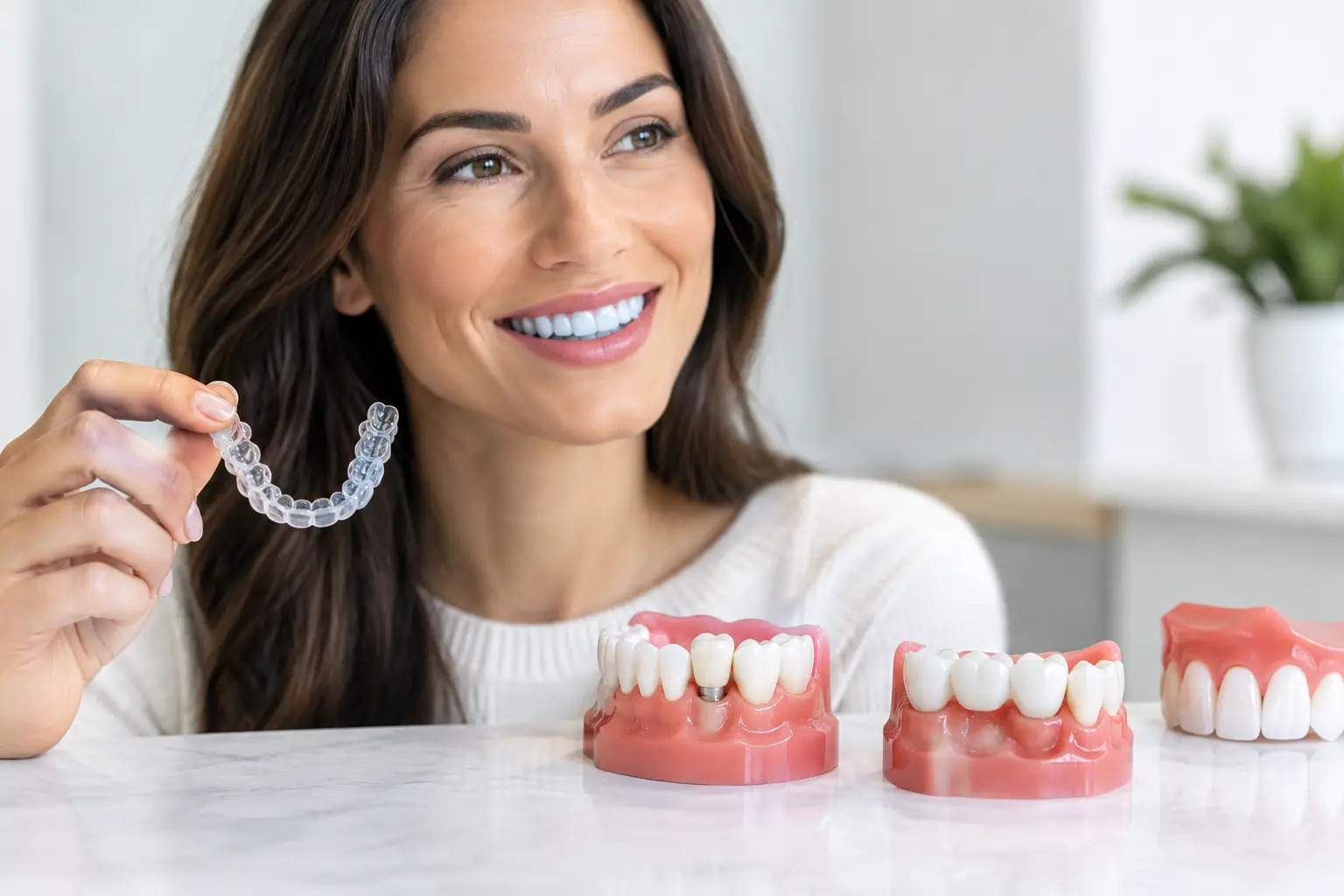
For children and teens, appointments often focus on developing healthy habits, tracking growth, and identifying early signs of crowding or tooth decay. For adults, preventive care may include managing gum inflammation, replacing aging fillings, protecting a tooth with a crown, or discussing discreet orthodontic options such as Invisalign. Older adults may need more comprehensive planning for worn teeth, missing teeth, loose dentures, or changes in oral health related to medications and medical conditions.
The goal is not to give everyone the same treatment. It is to provide the right level of care at the right time.
Prevention Makes Future Decisions Easier
Dental problems do not always announce themselves with pain. Cavities can grow quietly, gum disease may progress without obvious symptoms, and a cracked tooth may only become noticeable when it reaches a sensitive inner layer. Consistent exams and cleanings give your dental team an opportunity to catch issues earlier, when treatment is often simpler.
Home care matters just as much. Brushing twice daily with fluoride toothpaste, cleaning between teeth each day, and maintaining regular professional visits create a strong foundation. Yet even excellent brushing cannot remove hardened tartar or reveal concerns below the gumline. That is why a preventive appointment includes more than polishing teeth. It is also a chance to evaluate gum health, bite changes, oral cancer risk, and the condition of existing restorations.
If a family member has a history of frequent cavities, gum disease, dry mouth, or extensive dental work, they may need a more personalized recall schedule. Twice-yearly visits work well for many people, but not every mouth has the same risks. Your dentist should explain why a different schedule may be recommended and what it is designed to prevent.
One Dental Home, Clearer Coordination
A dental office can handle many routine needs, but some situations call for focused expertise. That may include periodontal treatment for gum disease, oral surgery for an extraction, prosthodontic planning for implants or full-mouth restoration, or treatment for a complex bite problem. When those services are coordinated, patients spend less time trying to connect the dots between separate recommendations.
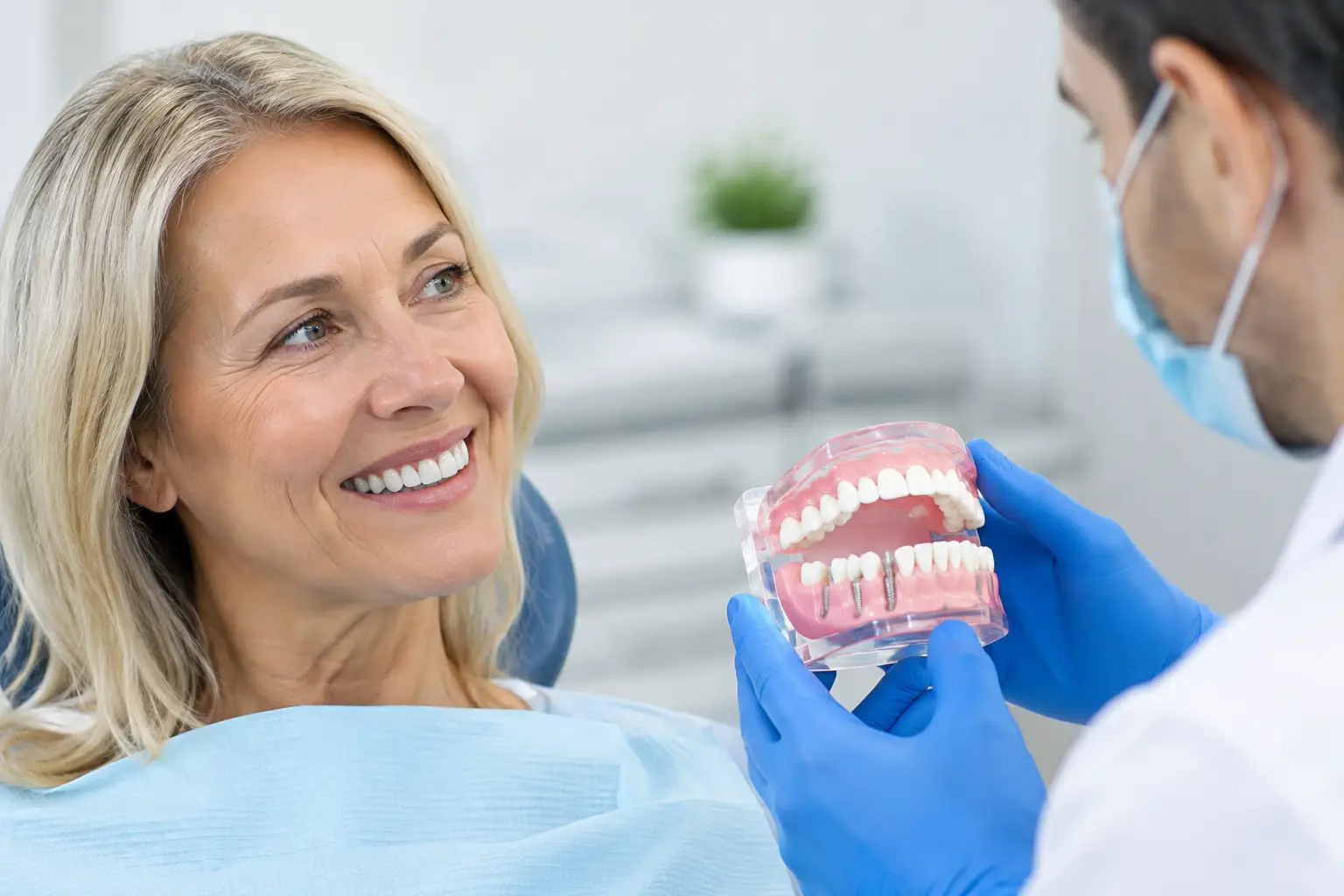
This is especially helpful when a treatment plan has several steps. For example, replacing a missing tooth with a dental implant may involve evaluating bone and gum health, planning placement, allowing healing, and completing the tooth with a custom crown. Each stage affects the next. Coordinated care helps keep the plan focused on long-term comfort, function, and appearance rather than a quick fix alone.
At Seattle Oral Care, patients have access to a general dentist, prosthodontist, oral surgeon, and periodontist within one collaborative practice. That structure can be reassuring for people who need more than a basic filling but do not want to navigate a complicated treatment plan on their own.
When a “Small” Concern Deserves Attention
It is easy to postpone dental care when life is full. But waiting can allow a manageable issue to become more involved. Calling for an evaluation is wise when someone in your family notices:
- Tooth pain, pressure, or sensitivity that lingers after hot or cold foods
- Bleeding gums, persistent bad breath, or swelling around the teeth
- A chipped, cracked, loose, or missing tooth
- Changes in the way the teeth come together or difficulty chewing
These symptoms do not always mean an emergency, but they do deserve a professional assessment. The right next step might be simple monitoring, a cleaning, a filling, or a more detailed diagnostic visit. The key is getting a clear answer before discomfort or damage worsens.
Family Dental Care Includes More Than Teeth
Your mouth is connected to your overall comfort and health. Snoring, daytime fatigue, morning headaches, and waking with a dry mouth or sore jaw can sometimes point to sleep-disordered breathing. Obstructive sleep apnea requires proper diagnosis and medical coordination, but some patients may be candidates for a custom oral appliance as an alternative to CPAP or alongside it.
Bruxism, or tooth grinding, can also affect the whole household. A partner may hear grinding at night, while the person grinding may notice headaches, jaw soreness, worn teeth, or broken restorations. A custom night guard and a careful bite evaluation can protect teeth from further damage. These conversations belong in a comprehensive dental setting because the signs often appear first in the mouth.
Helping Nervous Patients Feel in Control
Dental fear is common, including among people who have kept up with care for years. It may come from a painful experience, a feeling of embarrassment about the condition of their teeth, or simply not knowing what to expect. Compassionate care begins by taking those feelings seriously.
Before treatment starts, you should understand what the exam found, which options are available, what each option involves, and what can happen if you wait. You should also have room to ask questions. For some patients, breaking treatment into comfortable phases is appropriate. For others, completing more care in fewer visits may better fit work, travel, or family responsibilities. There is no single right approach.
A dentist’s recommendation should balance urgency, durability, cost, appearance, and your personal goals. A filling may be the conservative answer for one tooth, while a crown offers better protection for another. A removable denture may be the right choice for one patient, while implant-supported teeth may offer another patient greater stability and chewing confidence. Honest guidance means explaining those trade-offs without pressure.
Planning for Every Season of Life
The most useful dental plans are flexible. A teenager may eventually want orthodontic treatment, a working adult may be ready to address a long-delayed cosmetic concern, and a parent may need to prioritize treatment for a painful tooth before considering elective improvements. Life changes, and oral health plans can change with it.
That is why continuity matters. When a dental team knows your history, they can recognize patterns, monitor existing work, and help you plan ahead rather than react to a crisis. For families in Seattle and nearby communities, a lasting dental relationship can bring something simple but meaningful: the confidence of knowing where to turn when a question, concern, or new goal arises.
The next helpful step does not have to be a major procedure. It can be an exam, a cleaning, or a conversation about what would help your smile feel healthier and more comfortable. Starting there gives your family a clear path forward.