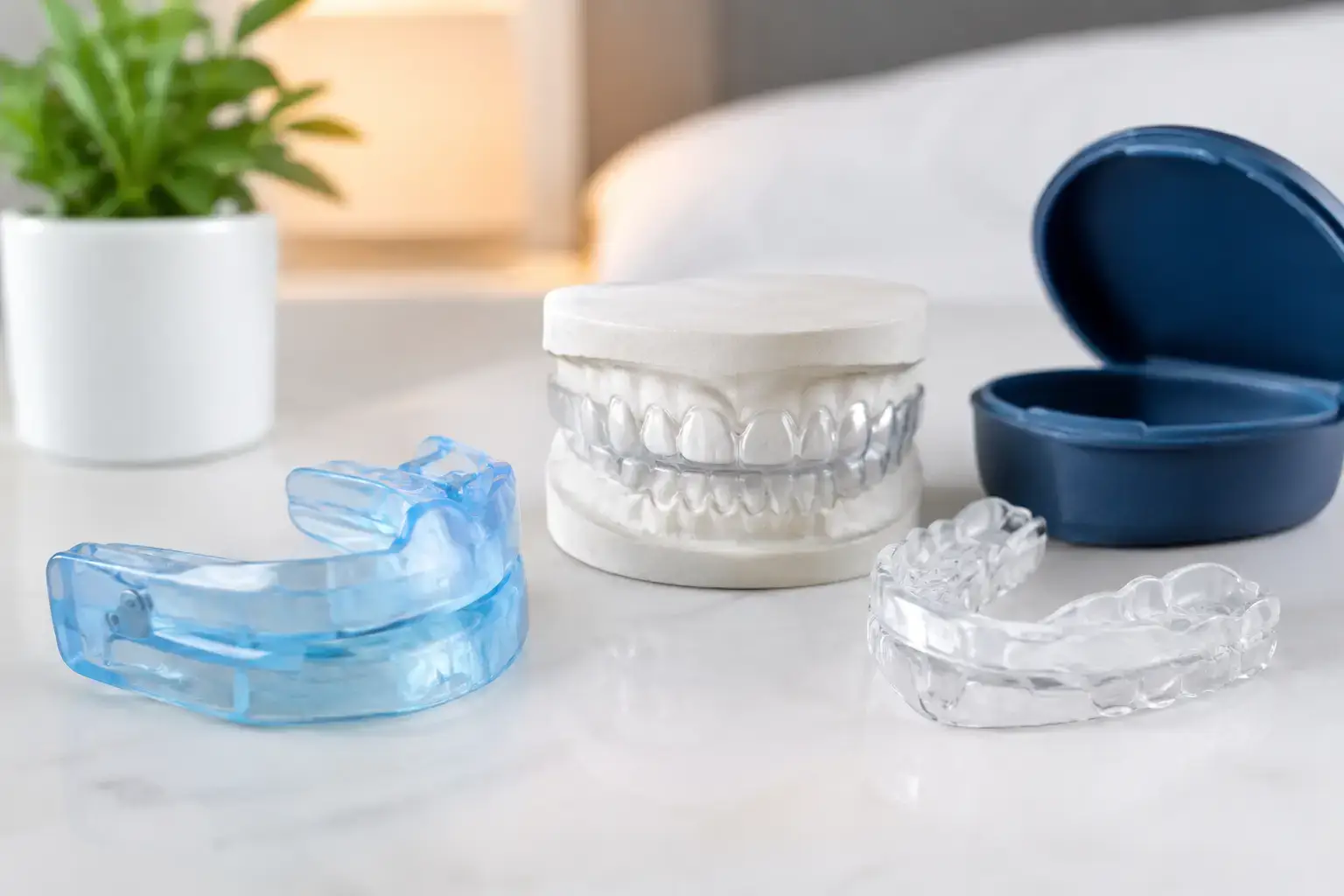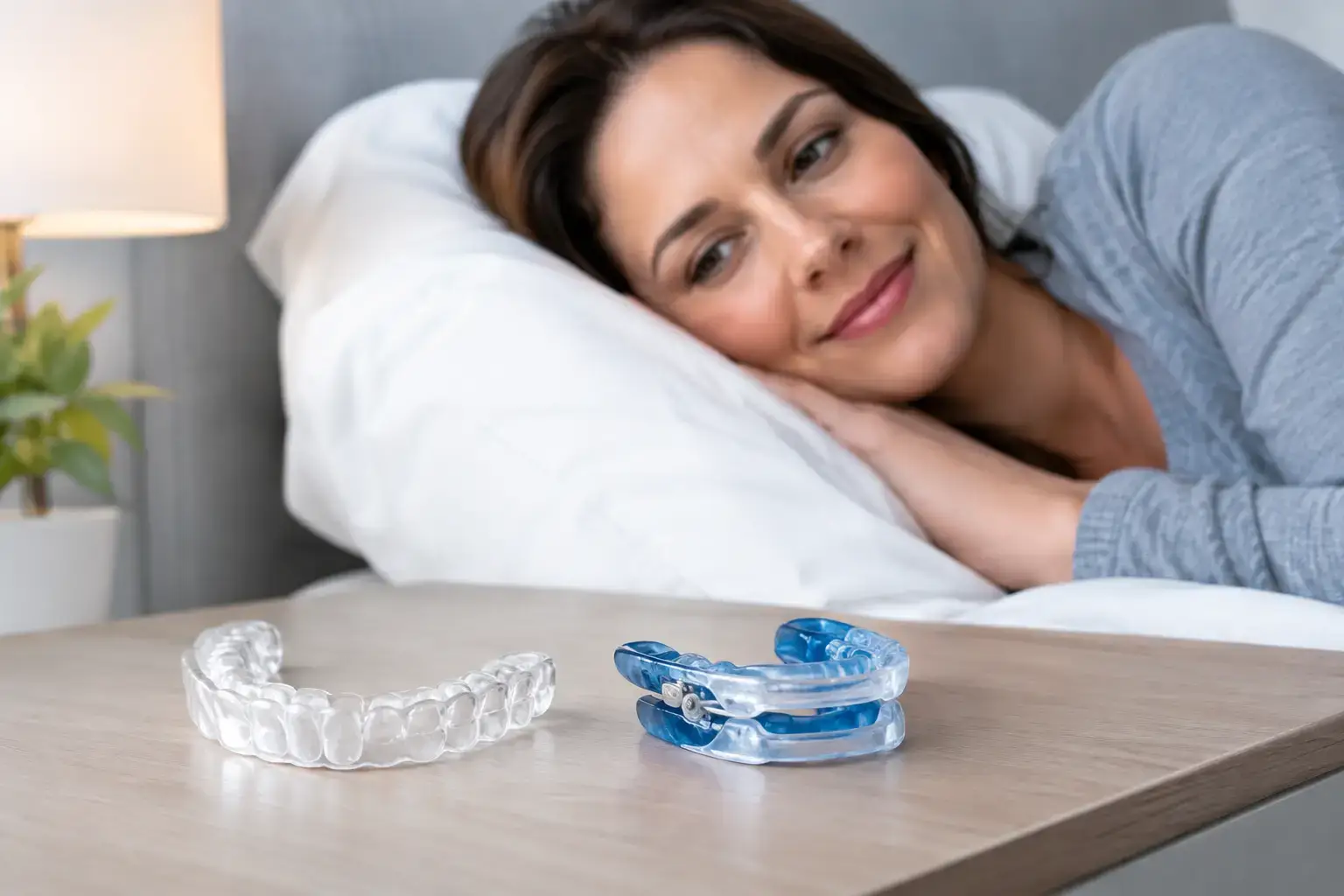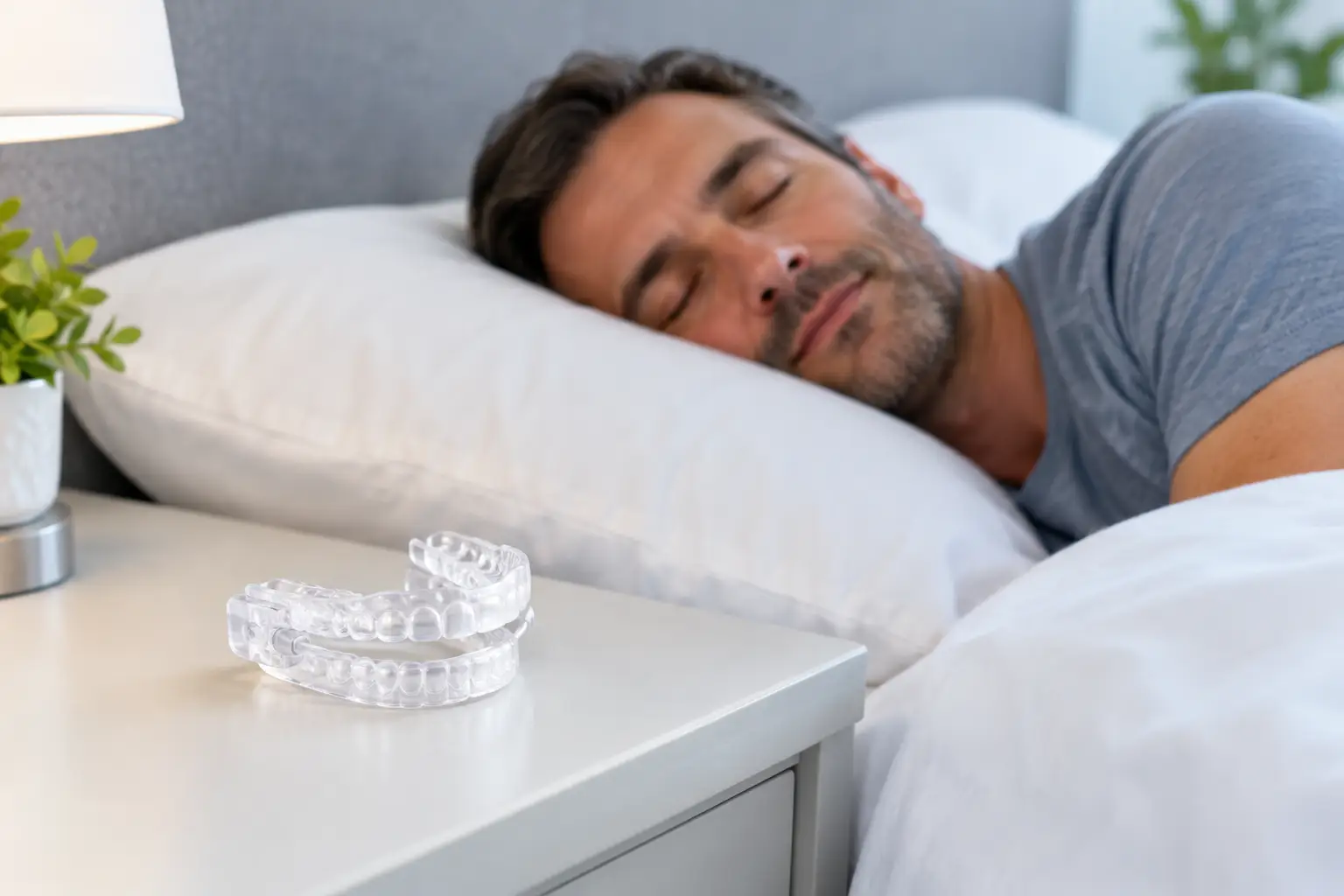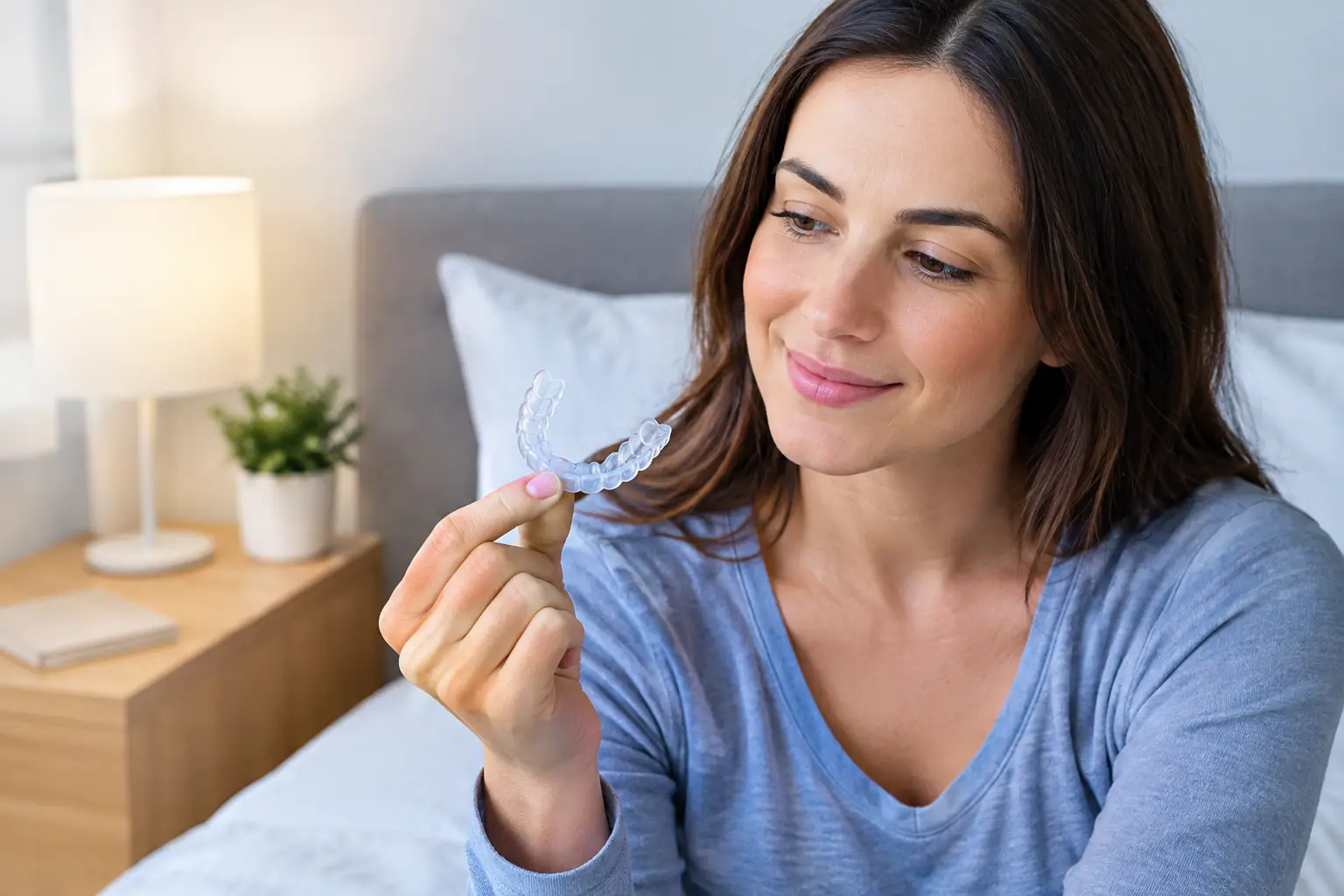
The question, “do you have to wear an oral appliance every night?” often comes up during the first few weeks of treatment. A new wearer may wonder whether skipping a night with a sleep apnea appliance is okay, especially while getting used to the fit. It is also natural to ask, “Is oral appliance therapy forever?” The right answer starts with your individual diagnosis and treatment plan, but for most people prescribed an appliance for obstructive sleep apnea, it is intended to be worn whenever they sleep unless their dentist or physician tells them otherwise.
That can feel like a big commitment at first. An oral appliance is not simply a snoring guard or a comfort device. It is a carefully fitted medical-dental treatment designed to support your airway during sleep by positioning the lower jaw or tongue appropriately. Your care team should help you understand how it works, how to wear it comfortably, and what to do when real life interrupts your routine.
Do You Have to Wear an Oral Appliance Every Night?
In general, yes. If your oral appliance was prescribed to treat obstructive sleep apnea, use it every time you sleep, including naps, unless your treating physician or qualified dental sleep medicine provider has given you different instructions.
Obstructive sleep apnea does not take a planned night off because you are traveling, tired of wearing the appliance, or sleeping somewhere unfamiliar. When the appliance is not in place, the airway support it provides is not in place either. Snoring, breathing interruptions, fragmented sleep, morning headaches, daytime fatigue, or other symptoms can return.
Your individual situation still matters. Some patients have mild sleep apnea, others have more significant airway obstruction, and many have additional health considerations that affect treatment decisions. That is why a general online answer should never replace the guidance of the dentist and physician who know your sleep study, symptoms, appliance design, and medical history.
A night off is not the same as stopping treatment
Occasionally, a person may miss a night unintentionally. A late flight, illness, a forgotten travel case, or discomfort from a sore spot can happen. One missed night does not mean you have failed treatment or that the appliance no longer works.
The helpful next step is to return to your normal routine the next time you sleep and pay attention to why the night was missed. If discomfort, jaw pain, tooth sensitivity, dry mouth, or a poor fit is making you avoid the appliance, do not simply push through night after night. Those concerns deserve an adjustment and a conversation with your dentist.
An appliance that is well fitted and properly adjusted should feel manageable. There can be an adaptation period, particularly for the jaw muscles and teeth, but treatment should not feel like something you have to endure without support.
What Happens When You Skip a Night With a Sleep Apnea Appliance?
The immediate effect depends on the person. Some people notice loud snoring, restless sleep, or fatigue the next day. Others may not notice a clear change, even though their breathing is still being disrupted. Feeling fine in the morning is not a reliable way to determine whether sleep apnea was adequately treated overnight.
For that reason, do not use an occasional good night of sleep without the appliance as proof that you no longer need it. Sleep apnea symptoms can vary with sleep position, alcohol use, nasal congestion, body weight changes, stress, and how much rapid eye movement sleep you get on a given night. The condition may be less obvious on one night and more active on another.
If you are unable to wear the appliance because it is broken, lost, or suddenly painful, contact your dental sleep medicine provider promptly. If you use CPAP in coordination with an oral appliance, ask your physician which treatment to use while the appliance issue is being resolved. Do not make a long-term change to prescribed sleep apnea care on your own.
Travel and special occasions
Travel is one of the most common reasons people leave an appliance behind. Keeping it in its protective case in your carry-on or overnight bag can make the routine easier. If you are heading out of town, pack the appliance first, along with a small cleaning brush and any supplies your provider recommended.
Special occasions can create another temptation to skip treatment, especially after a late dinner or drinks. Those circumstances can also make airway obstruction more likely for some people. Wearing your appliance may be particularly worthwhile on the nights your routine is least predictable.
Is Oral Appliance Therapy Forever?
Oral appliance therapy is often a long-term treatment, much like wearing glasses for vision correction. The appliance manages obstructive sleep apnea while you wear it; it does not necessarily eliminate the underlying reasons your airway narrows during sleep.
That does not mean your plan can never change. Weight changes, changes in nasal breathing, dental work, jaw symptoms, other medical treatment, and shifts in sleep apnea severity can all warrant a review. Some patients may need an appliance adjusted over time. Others may need a replacement when the material shows wear or when dental changes affect the fit.
In certain situations, a physician may recommend repeat sleep testing to confirm that therapy is effectively controlling sleep-disordered breathing. That testing is also valuable if symptoms return, if the appliance has been substantially adjusted, or if there has been a meaningful change in your health. Decisions about reducing, pausing, or ending treatment should be made with your physician and dentist, not based on snoring alone.
Your teeth and jaw need follow-up, too
A custom oral appliance is designed to fit your teeth and guide your jaw in a specific way. Like any device worn regularly in the mouth, it needs periodic evaluation. Follow-up visits allow your provider to check the fit, inspect the appliance for wear, evaluate your bite and jaw comfort, and make adjustments when appropriate.
Your dentist may also provide a morning repositioning device or exercises to help your jaw return to its usual position after removing the appliance. Use these exactly as directed. Let your provider know if your bite feels different for more than a brief period, if teeth feel loose or sore, or if you develop jaw clicking, locking, or persistent pain.
Make Nightly Wear Easier as a New Patient
A consistent bedtime routine is usually more effective than relying on memory at the end of a long day. Keep the appliance in the same visible, clean location near the items you already use before bed. Put it in after brushing and flossing, rather than waiting until you are already falling asleep.
Clean it according to your provider’s instructions. Avoid hot water, harsh products, or improvised cleaning methods that can damage the material. A clean, well-maintained appliance is more comfortable to wear and easier to keep in good condition.
If the appliance feels bulky at first, remember that adjustment is a process. Wear it as instructed, attend scheduled follow-up visits, and speak up early about problems. Small adjustments can make a meaningful difference in comfort and confidence.
When to Call Your Dentist or Physician
Contact your care team if you are regularly removing the appliance during the night, skipping it because of discomfort, waking with jaw or tooth pain, or noticing a sustained change in your bite. Also reach out if snoring, witnessed breathing pauses, gasping, daytime sleepiness, or morning headaches continue despite regular use.
Seek timely medical guidance for new or worsening symptoms that concern you, particularly if you have heart, lung, or neurologic conditions. Your physician oversees the medical side of sleep apnea, while your dental sleep medicine provider oversees the appliance’s fit, function, and oral health effects. Coordinated care gives you the clearest path forward.
At Seattle Oral Care, patients receive clear guidance from the start, including how to use and care for an oral appliance and when to schedule follow-up . If a night off is becoming a pattern, you do not need to guess whether the issue is normal or whether the fit can be improved. A conversation with your dentist and physician can help you protect both your sleep and your long-term comfort.