A partner may notice the snoring first. You may notice the afternoon exhaustion, morning headaches, dry mouth, or the feeling that a full night in bed still was not restorative. Treatment options for mild sleep apnea can make a meaningful difference in how you feel during the day, but the right choice depends on what is causing your airway to narrow and what treatment you can realistically use every night.
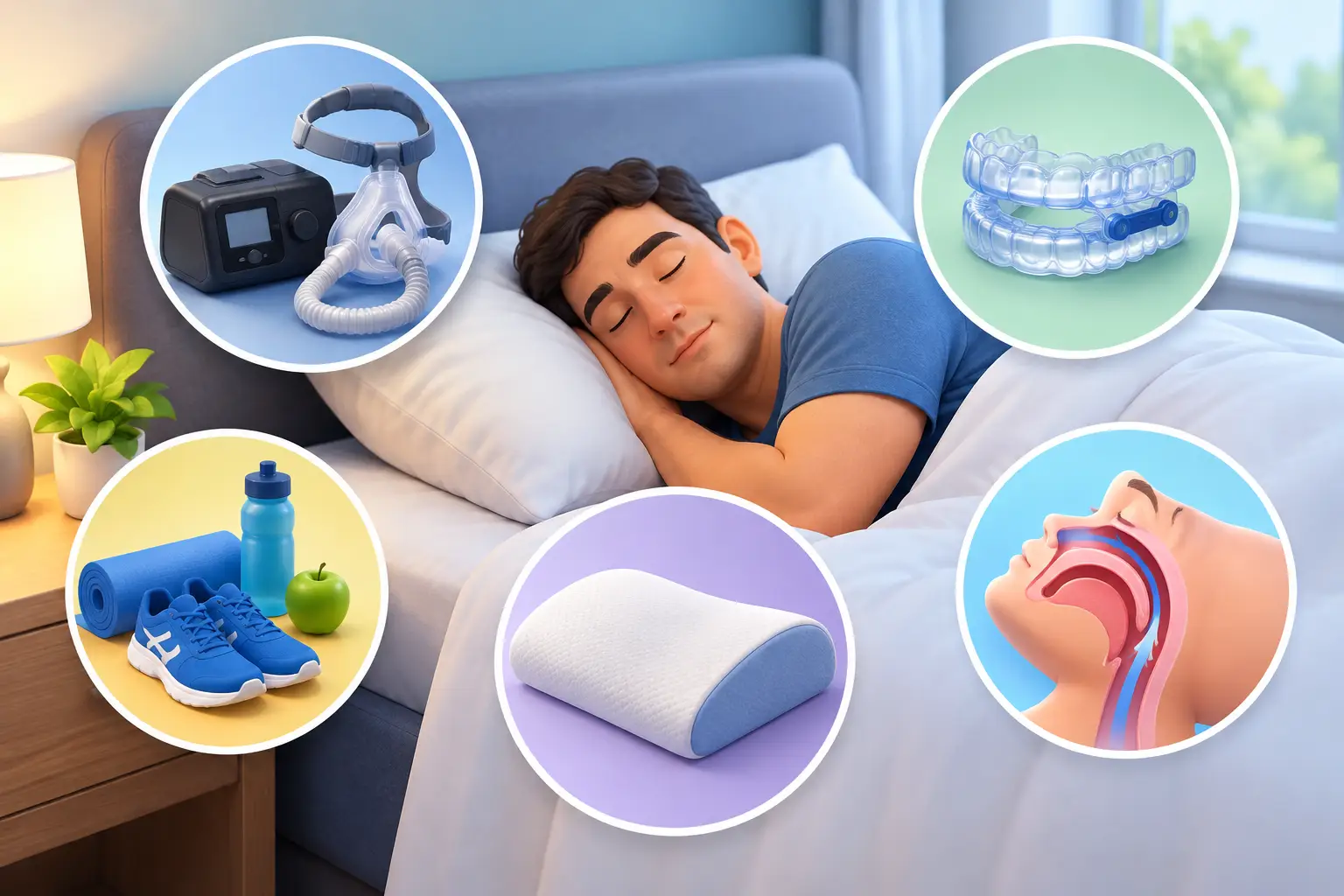
Mild obstructive sleep apnea is often treatable without assuming there is only one answer. For many patients, a thoughtful plan may include changes in sleep habits, a custom oral appliance , CPAP therapy, or a combination of approaches. The goal is not simply quieter sleep. It is steadier breathing, better-rested days, and care that fits your life.
What Mild Sleep Apnea Means
Obstructive sleep apnea happens when the muscles and soft tissues in the throat relax during sleep and partially or fully block airflow. Your brain briefly wakes you enough to reopen the airway, sometimes many times each hour. These awakenings are often so brief that you do not remember them, yet they can interrupt the deeper stages of sleep your body needs.
Sleep specialists commonly describe mild sleep apnea as an apnea-hypopnea index, or AHI, of 5 to 14 breathing events per hour. A sleep test provides this measurement and helps identify other details that matter, including oxygen levels, body position, snoring, and whether events occur mainly during REM sleep.
“Mild” refers to the number of breathing events recorded, not necessarily how disruptive the condition feels. Some people with mild sleep apnea have significant daytime sleepiness, high blood pressure, frequent nighttime waking, or a partner whose sleep is also affected. Others feel few symptoms but still benefit from treatment because untreated airway obstruction can contribute to long-term health concerns.
Treatment Options for Mild Sleep Apnea
Your treatment should begin with a diagnosis from a qualified medical provider. A home sleep apnea test is appropriate for many adults, while an in-lab sleep study may be recommended when symptoms are more complex or another sleep disorder is suspected. Once the results are clear, your physician and dental sleep medicine provider can discuss the options that match your anatomy, health history, preferences, and goals.
Lifestyle changes that support breathing
For some people, targeted habit changes reduce symptoms and may lower the severity of mild sleep apnea. If excess weight is contributing to airway narrowing, even modest weight loss can improve breathing during sleep. This is not a quick fix or the only answer, but it can be an important part of a broader plan.
Alcohol and sedating medications can relax throat muscles and make obstruction more likely, particularly when used close to bedtime. Avoiding alcohol in the evening, when medically appropriate, may reduce snoring and breathing events. Regular exercise, consistent sleep hours, and smoking cessation can also support healthier sleep and overall cardiovascular health.
Nasal congestion deserves attention as well. Allergies, chronic inflammation, or structural nasal concerns may make it harder to breathe comfortably through the nose. Addressing these issues with your physician can make other therapies more comfortable and effective.
Positional therapy for back-sleeping apnea
Sleep apnea is often worse when a person sleeps on their back. In this position, gravity can allow the tongue and soft tissues to fall farther into the airway. If your sleep test shows that events occur primarily while back sleeping, positional therapy may be a practical option.
This can be as simple as training yourself to sleep on your side with pillows or using a wearable device designed to discourage rolling onto your back. Positional therapy tends to work best for people whose apnea is clearly position-dependent. It may not be enough on its own if breathing interruptions occur in every sleep position.
CPAP therapy
Continuous positive airway pressure, commonly called CPAP, uses gentle air pressure through a mask to keep the airway open. It is highly effective when used consistently and remains an excellent option for mild, moderate, and severe sleep apnea.
For some patients, CPAP becomes comfortable after a careful mask fitting and a period of adjustment. Others find that the mask, tubing, noise, dry mouth, or travel requirements make regular use difficult. If CPAP is prescribed, it is worth asking about different mask styles, humidification, and pressure settings before deciding it is not for you.
The best therapy is the one that treats the condition and is used reliably. A treatment that works perfectly on paper but stays in a drawer will not provide the health benefits you need.
Custom oral appliance therapy
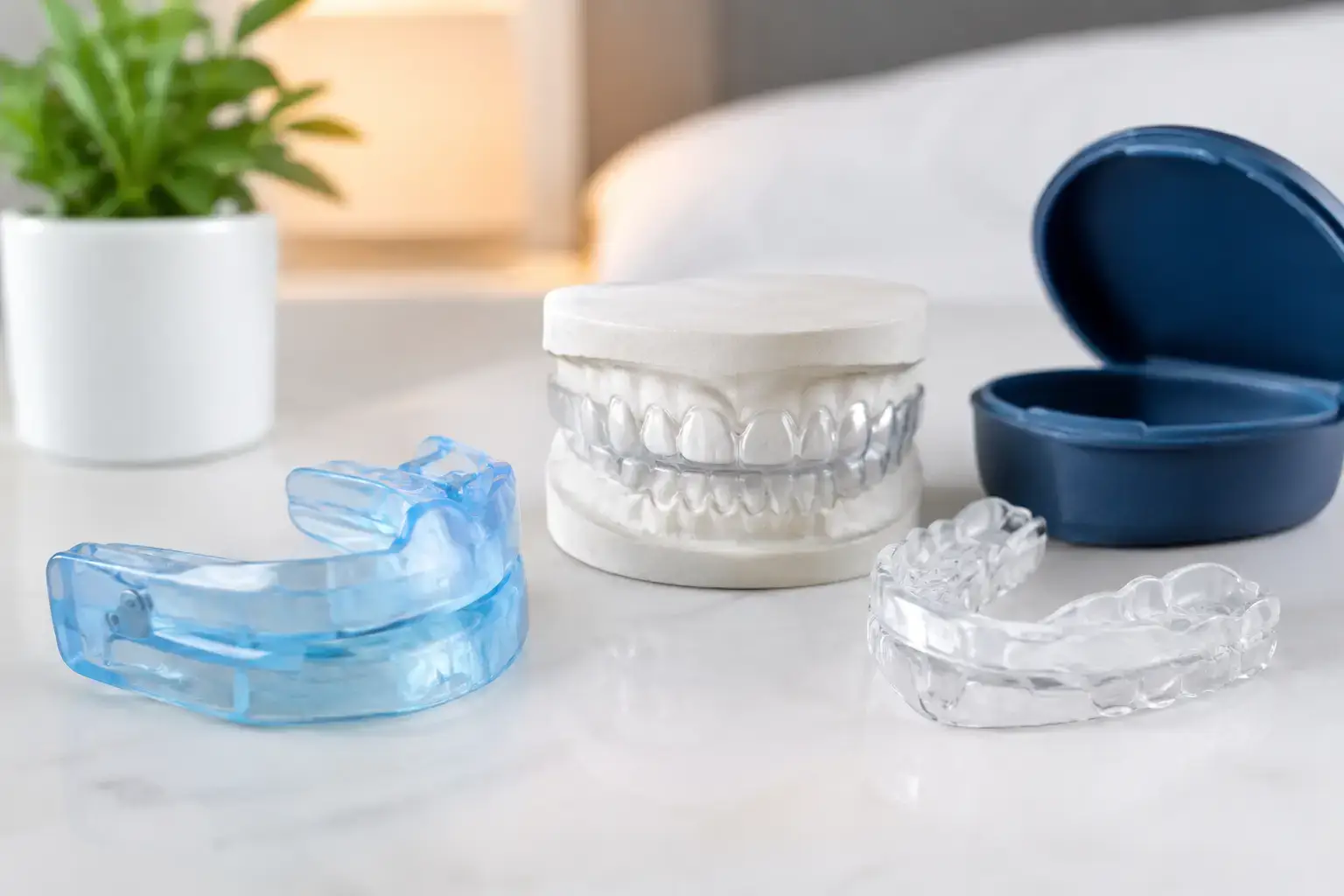
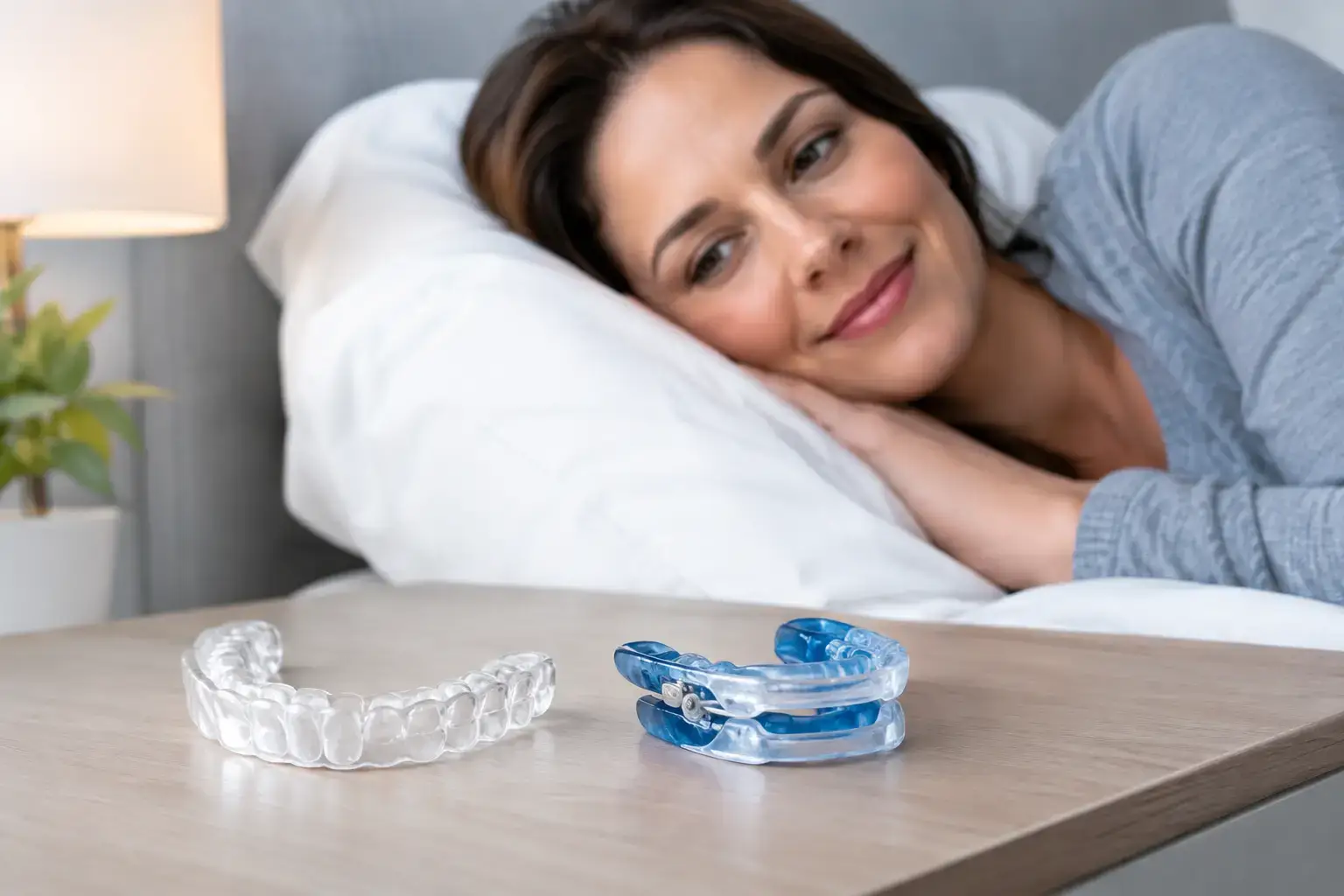
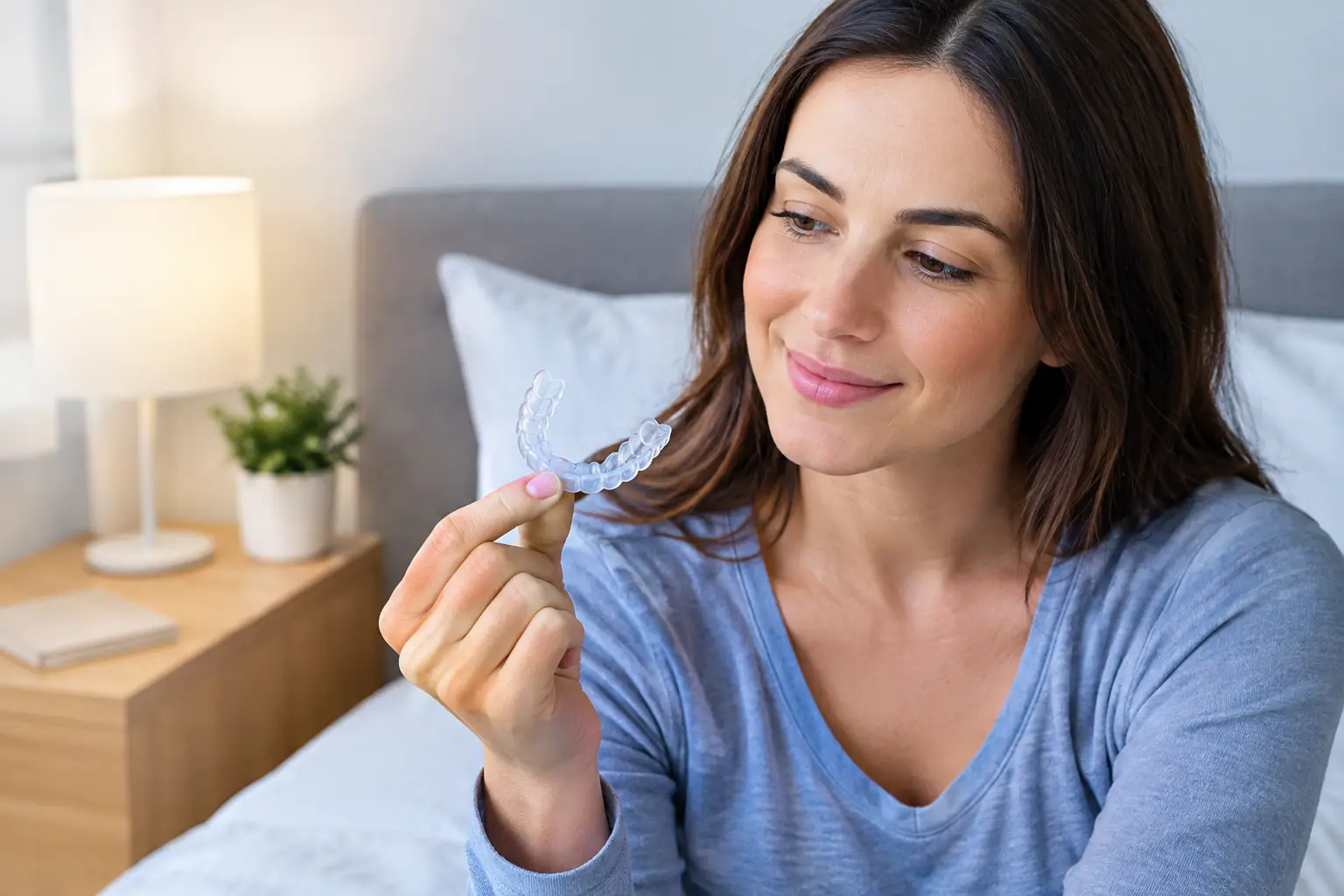
A custom oral appliance is a small, precisely fitted device worn over the teeth while you sleep. Most appliances for obstructive sleep apnea gently move the lower jaw forward. This helps keep the tongue and soft tissues from collapsing into the airway.
For adults with mild to moderate obstructive sleep apnea, oral appliance therapy is a well-established alternative to CPAP. It may also be appropriate for patients with severe sleep apnea who cannot tolerate CPAP, usually in coordination with their sleep physician. Many patients appreciate that an appliance is quiet, compact, easy to travel with, and does not require electricity.
A professionally made appliance is not the same as an over-the-counter snoring guard. Effective treatment requires a prescription, careful records of your bite and jaw movement, a custom fit, and gradual adjustment. A qualified dentist monitors for possible side effects such as tooth movement, jaw soreness, or bite changes and makes modifications when needed.
At Seattle Oral Care, oral appliance therapy is provided by an AADSM-certified prosthodontist who works with your sleep physician. This coordinated approach matters because sleep apnea treatment is medical care, while the appliance must also protect your teeth, gums, jaw joints, and long-term bite.
When surgery or other medical care may help
Surgery is not usually the first treatment for mild sleep apnea, but it can be appropriate in selected cases. Enlarged tonsils, significant nasal obstruction, or certain jaw and airway structures may contribute to sleep-disordered breathing. An evaluation with the appropriate medical specialist can determine whether addressing a specific anatomical issue is likely to help.
Some patients also benefit from treating reflux, allergies, or insomnia alongside sleep apnea therapy. Sleep is rarely affected by only one factor. A complete plan looks beyond the AHI number and considers the habits and health conditions that may be keeping you from restful sleep.
How to Choose the Right Approach
There is no universal “best” treatment for mild sleep apnea. CPAP may be the strongest fit when maximum airway support is needed and you tolerate the equipment well. A custom oral appliance may be especially appealing if you travel often, prefer a quieter treatment, or have struggled with a CPAP mask. Lifestyle and positional changes can be valuable additions, whether you use a device or not.
Your teeth and jaw health also affect the decision. An oral appliance requires enough healthy teeth or stable dental support to retain it properly. Patients with missing teeth, active gum disease, untreated decay, jaw pain, or extensive restorative needs may need dental care before or alongside appliance therapy. This does not automatically rule out treatment. It simply means planning should be individualized.
Before starting an oral appliance, expect a conversation about your sleep test, current symptoms, medical history, medications, TMJ concerns, and dental condition. After the appliance is fitted and adjusted, your sleep physician may recommend follow-up testing to confirm it is effectively controlling breathing events. Ongoing visits help keep the appliance comfortable and your treatment on track.
Do Not Treat Snoring as the Whole Problem
Snoring can be harmless, but it can also be a sign of airway obstruction. If you snore loudly, wake up gasping, feel unusually sleepy during the day, or have been told that you stop breathing at night, a sleep evaluation is the right next step. Over-the-counter products may reduce sound, but they cannot confirm whether sleep apnea is being treated.
Better sleep should not feel out of reach because one treatment did not suit you. With clear testing, thoughtful guidance, and a plan you can live with, mild sleep apnea can become a manageable part of your healthcare rather than something you simply endure each night.