The first morning you wear an oral appliance, it can feel unfamiliar. You may notice pressure on your teeth, a little tightness in your jaw, or extra saliva. For a person about to start an appliance who is worried about side effects, those sensations can raise a reasonable question: Is this normal, or is something wrong? Most oral appliance therapy side effects are mild, temporary, and manageable when the device is properly fitted and monitored.
Oral appliance therapy is commonly used to help treat obstructive sleep apnea and snoring. The appliance is worn during sleep and gently holds the lower jaw forward to help keep the airway more open. It can be an effective alternative to CPAP for appropriate patients, but it is still a medical-dental treatment that should be personalized to your teeth, bite, jaw joints, and sleep needs.
Common Oral Appliance Therapy Side Effects
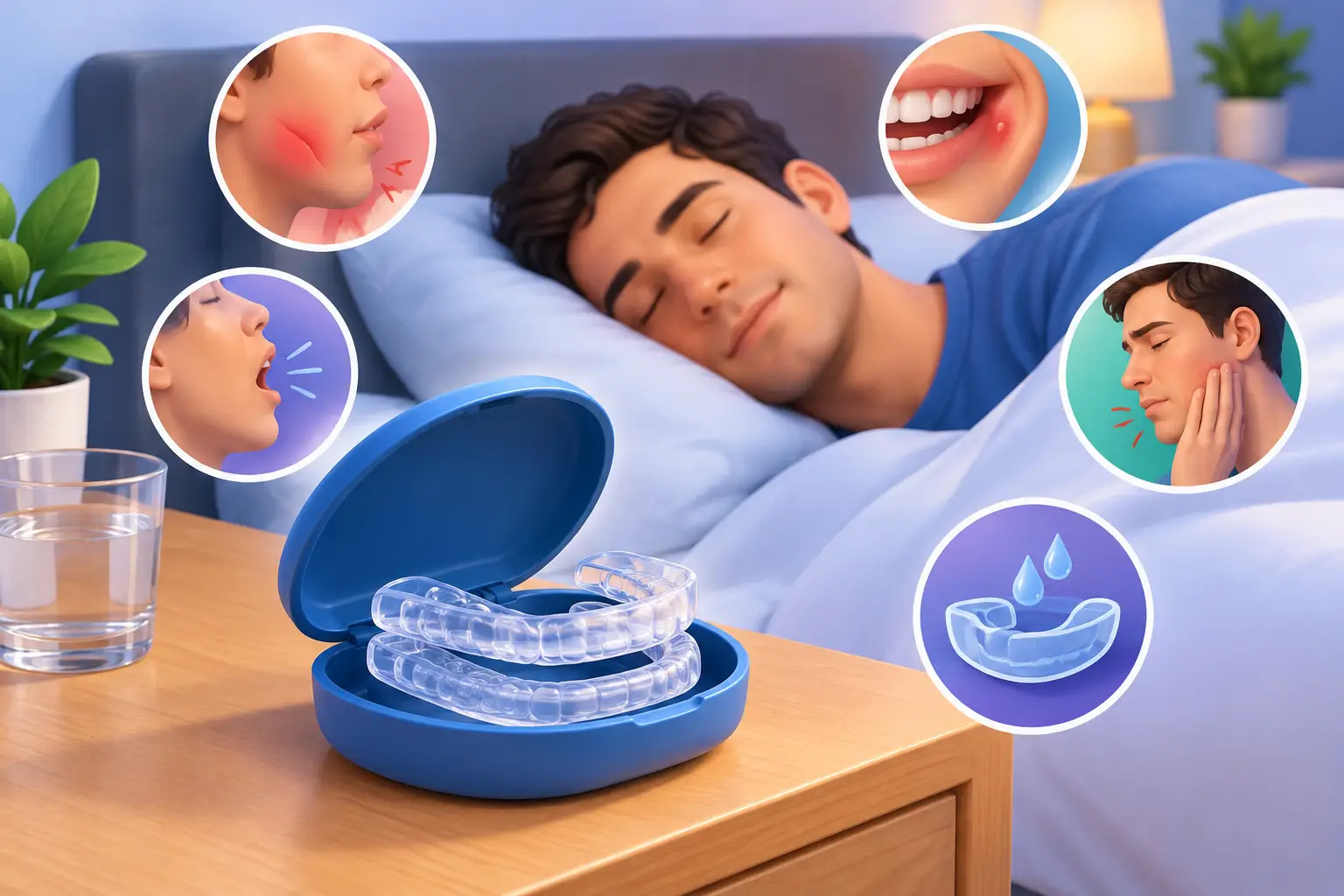
A new oral appliance changes where your teeth and jaw rest overnight. Your muscles and joints need time to adapt, much like they would with a new retainer, nightguard, or orthodontic appliance. The most common early effects include mild tooth tenderness, jaw stiffness upon waking, extra saliva, dry mouth, and a temporary change in the way your teeth come together in the morning.
These symptoms often improve as you become accustomed to the appliance. A custom-made device should fit securely and comfortably enough to wear through the night without causing sharp pressure, pinching, or significant pain. It should not feel like a one-size-fits-all sports mouthguard.
Some people also experience temporary tenderness in the chewing muscles, especially if they clench or grind their teeth. Others notice that their bite feels “off” for a few minutes after removing the appliance. This can happen because the jaw has been held in a forward position overnight. Gentle jaw exercises and a morning repositioning device, when recommended by your dentist, can help guide the jaw and teeth back into their usual position.
Oral appliance jaw soreness: what is expected?
Mild oral appliance jaw soreness is most common during the first days or weeks of treatment and after an adjustment that advances the jaw further forward. Soreness should be mild, short-lived, and improving rather than escalating.
A little morning stiffness is different from ongoing jaw pain. Call your dental sleep provider if you develop pain that lasts through the day, jaw locking, headaches that are new or worsening, clicking with pain, facial pain, or difficulty chewing. These symptoms do not necessarily mean oral appliance therapy is not right for you. They may mean the appliance needs to be adjusted, the advancement needs to progress more gradually, or your jaw joint needs additional evaluation.
Trying to “push through” significant pain is not the goal. Comfortable, consistent wear is far more useful than forcing yourself to use an appliance that needs attention.
Does an Oral Appliance Move Your Teeth?
This is one of the most common and most worthwhile questions to ask before treatment. The honest answer is that an oral appliance can move teeth or change the bite over time in some patients, particularly when it is worn regularly for years. These changes are often small, but they are a known potential side effect of mandibular advancement appliances.
Because the device rests against the teeth and holds the lower jaw forward, it can place gentle, repeated forces on certain teeth. Over time, some patients may notice small changes in tooth position, less overlap of the front teeth, changes in how the back teeth meet, or spaces between teeth. The likelihood and degree of change vary considerably based on your existing bite, gum and bone health, appliance design, nighttime habits, and how often the device is worn.
That possibility should not automatically rule out treatment. Untreated obstructive sleep apnea also has meaningful health consequences and can affect daytime energy, cardiovascular health, concentration, and quality of life. The right question is not simply whether changes are possible. It is whether the expected benefit of treatment outweighs the risks in your individual situation, and how those risks can be monitored.
Monitoring protects your long-term bite
A carefully planned appliance program includes follow-up visits, not just delivery of the device. Your provider should check the fit of the appliance, your jaw comfort, your bite, tooth position, and whether the therapy is improving your sleep-related symptoms. Periodic dental exams are especially important if you have existing gum disease, loose teeth, extensive restorative work, implants, a history of jaw-joint problems, or ongoing orthodontic treatment.
At Seattle Oral Care, sleep appliance treatment is coordinated with your overall oral health. That matters because a sleep appliance should work with your teeth and restorative care, not ignore them. If changes begin to develop, early attention may help limit their impact.
Who May Need Extra Care Before Starting?
Oral appliance therapy is not identical for every patient. People with healthy teeth and stable bites may adapt easily, while others need a more cautious approach. Before starting, let your provider know about jaw clicking or locking, facial pain, active gum disease, loose teeth, missing teeth, dental implants, crowns, bridges, dentures, clenching, and previous orthodontic treatment.
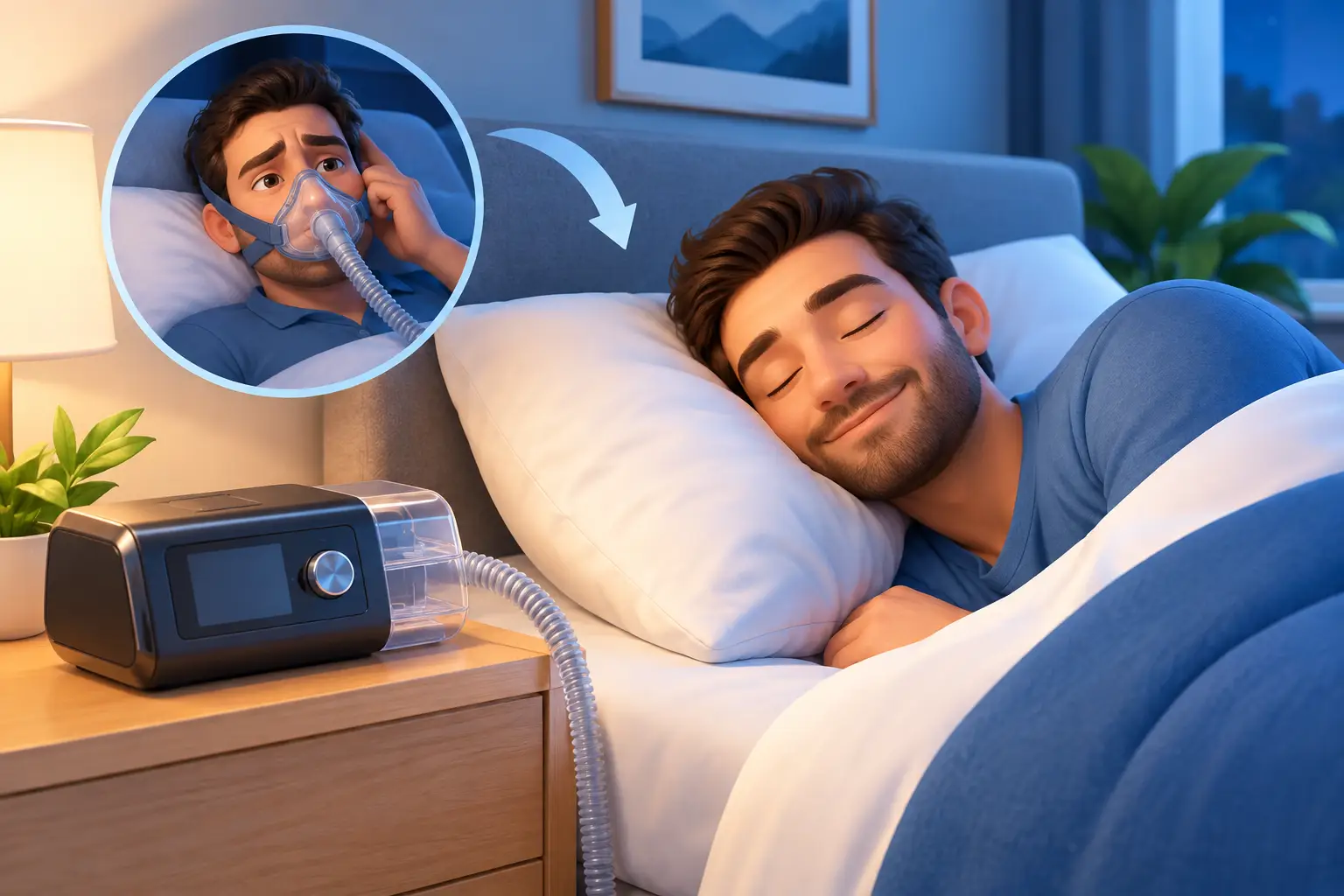
A thorough evaluation also matters because snoring is not always harmless snoring. Obstructive sleep apnea should be diagnosed and treated in coordination with a qualified sleep physician. For some people, CPAP remains the most appropriate treatment. For others, an oral appliance is an excellent option, or it may be used alongside CPAP when lower pressure or improved comfort is needed.
How to Make the Adjustment Period Easier
Start by following the wear and adjustment instructions you receive. Do not advance the appliance more quickly than recommended in an effort to get faster results. A gradual approach gives your jaw muscles and joints time to adapt.
Use any prescribed morning repositioning device or jaw exercises consistently. These are not extras. They are designed to help restore your normal bite after a night of jaw advancement and can be particularly helpful for patients concerned about bite changes.
Keep the appliance clean, store it safely, and bring it to follow-up visits. If it becomes loose, develops a rough edge, cracks, or starts pressing hard on one tooth, do not attempt a home repair. Even a small fit change can affect comfort and how forces are distributed across your teeth.
It is also helpful to keep brief notes during your first few weeks. Record how long you wore the appliance, whether you woke with jaw soreness, whether your bite returned to normal after your morning routine, and whether your snoring or daytime fatigue changed. Those details give your provider useful information for making precise adjustments.
When to Contact Your Dentist Promptly
Do not wait for your next routine appointment if you have persistent tooth pain, a tooth that feels loose, bleeding or swollen gums, significant jaw pain, jaw locking, a bite that does not return toward normal after removing the appliance, or damage to the device. The same applies if you cannot tolerate the appliance through the night despite an appropriate adjustment period.
A custom oral appliance should be a supported therapy, not something you are expected to figure out alone. With careful fitting, gradual adjustments, and regular monitoring, many patients find that initial side effects settle and that treatment becomes a comfortable part of a better night’s sleep. Your concerns deserve a clear answer before you begin, and a responsive care plan after you do.