For someone who has delayed care because of a difficult past appointment, the thought of sedation can bring relief and new questions at the same time. Dental sedation safety begins well before treatment starts. It depends on choosing the right level of sedation for your health, your procedure, and your comfort needs - then monitoring you carefully until you are ready to recover at home.
Sedation is not the same thing as “being put to sleep” in every situation. Many patients remain awake, able to respond, and simply feel more relaxed or less aware of time. The appropriate option varies from person to person, which is why a thoughtful consultation matters as much as the treatment itself.
What Dental Sedation Safety Looks Like
Safe sedation is a process, not a medication alone. Your dental team should first understand your medical history, current prescriptions and supplements, prior experiences with anesthesia, allergies, and the details of the procedure being planned. They should also ask about alcohol or recreational drug use, since these can affect how sedative medications work.
A clear conversation is particularly valuable for patients who feel embarrassed about dental anxiety. Fear of pain, gagging, needles, noises, or a loss of control are all real concerns. Sharing them allows your dentist to plan support that fits you, whether that means breaks during treatment, local anesthesia, nitrous oxide, oral sedation, or a deeper form of sedation when clinically appropriate.
During sedation, trained team members monitor key signs such as breathing, oxygen level, pulse, blood pressure, and responsiveness. The exact monitoring used depends on the type and depth of sedation. Your team should also have emergency equipment, medications, and established protocols available, even though serious complications are uncommon when sedation is properly planned and delivered.
The goal is not to make every appointment more intensive than it needs to be. It is to provide the lowest level of sedation that can safely help you receive necessary care in comfort.
The Right Sedation Option Depends on You
Nitrous oxide for mild anxiety
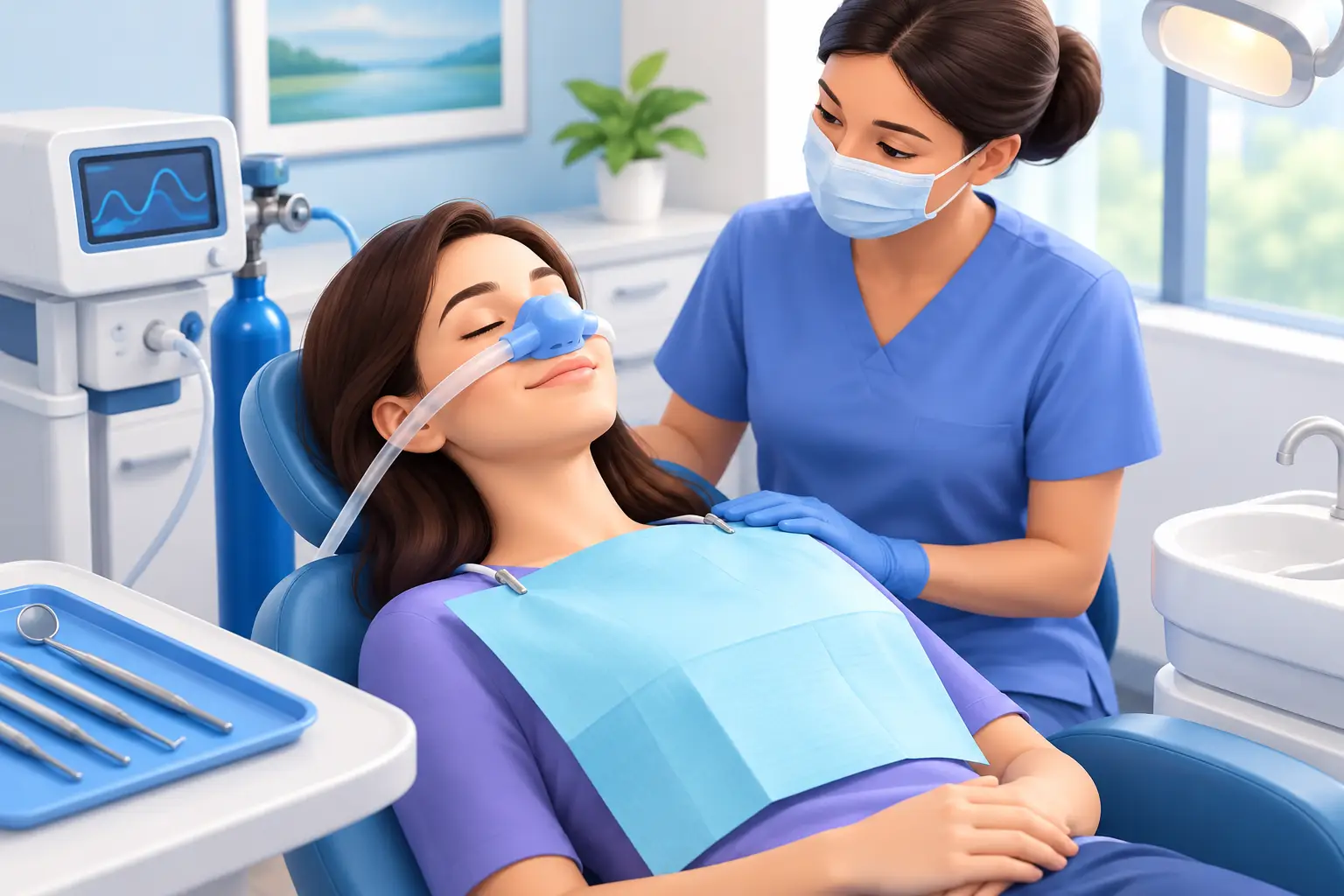
Nitrous oxide, often called laughing gas, is breathed through a small mask over the nose. It can help patients feel calm while remaining awake and able to communicate. Its effects generally wear off quickly after the mask is removed, although your dentist will tell you whether you need someone to accompany you based on your individual circumstances.
For a routine visit or a patient with mild anxiety, this may be enough. It may not be the best fit for someone who has significant nasal congestion, certain respiratory concerns, or a need for more extensive treatment.
Oral sedation for a more relaxed experience
Oral sedation involves taking a prescribed medication before an appointment. It can create deeper relaxation and may make the visit feel shorter, but it also has practical trade-offs. You will need a responsible adult to drive you home and remain available afterward, and you should not make important decisions, work, or operate machinery for the rest of the day.
Because people respond differently to medication, your dentist will consider factors such as age, body size, health conditions, and other medications. Taking more than instructed is never safe, even if you are feeling anxious before the appointment.
IV sedation for selected procedures
Intravenous, or IV, sedation may be considered for more involved procedures, such as some surgical treatments, or for patients with severe anxiety who are appropriate candidates. It allows the sedation level to be adjusted during care and requires close monitoring by qualified providers.
IV sedation is not automatically safer or better simply because it is stronger. It can be a helpful option when indicated, but the best choice is the one that matches the complexity of your treatment and your personal health profile.
Health Conditions That Need Extra Attention
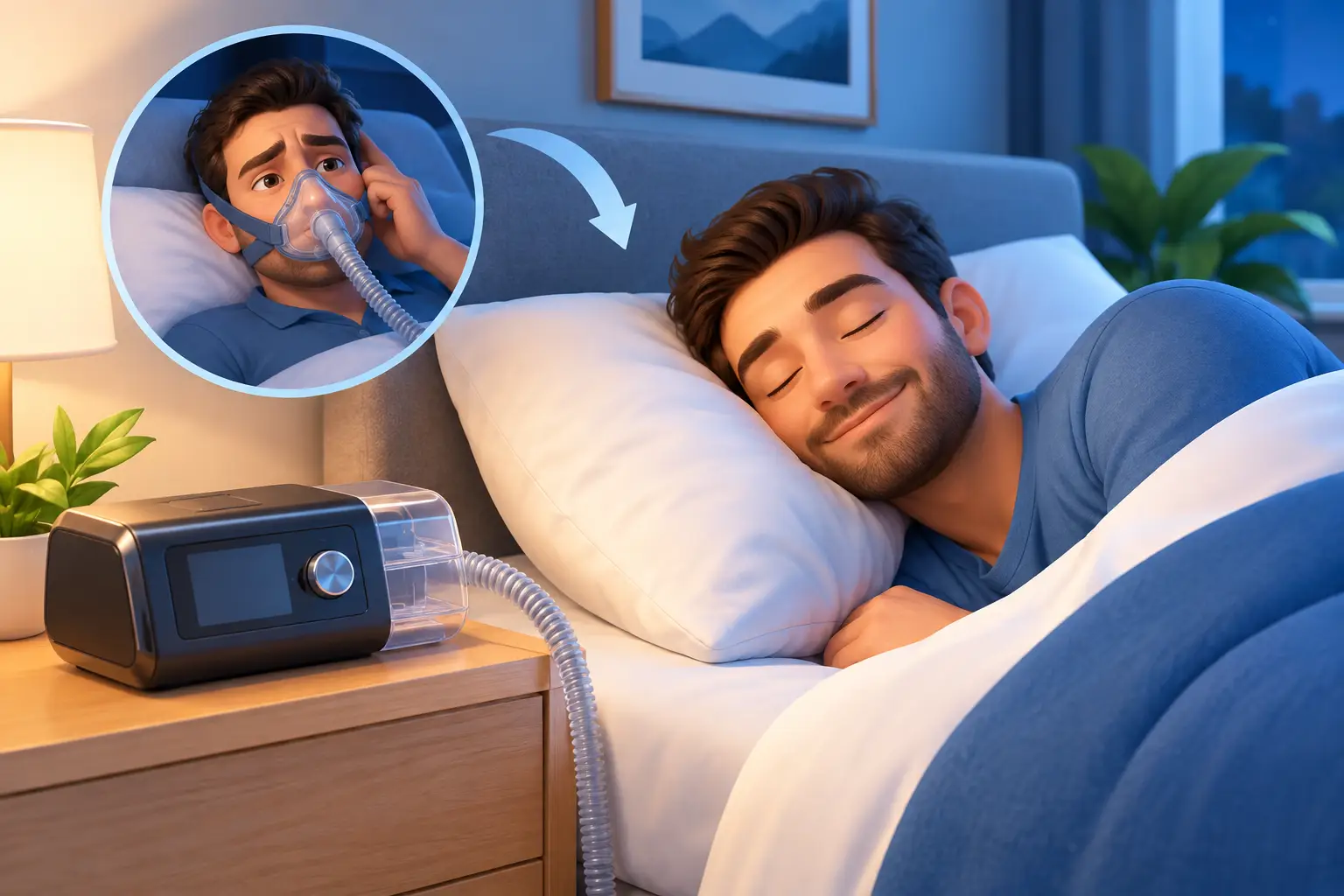
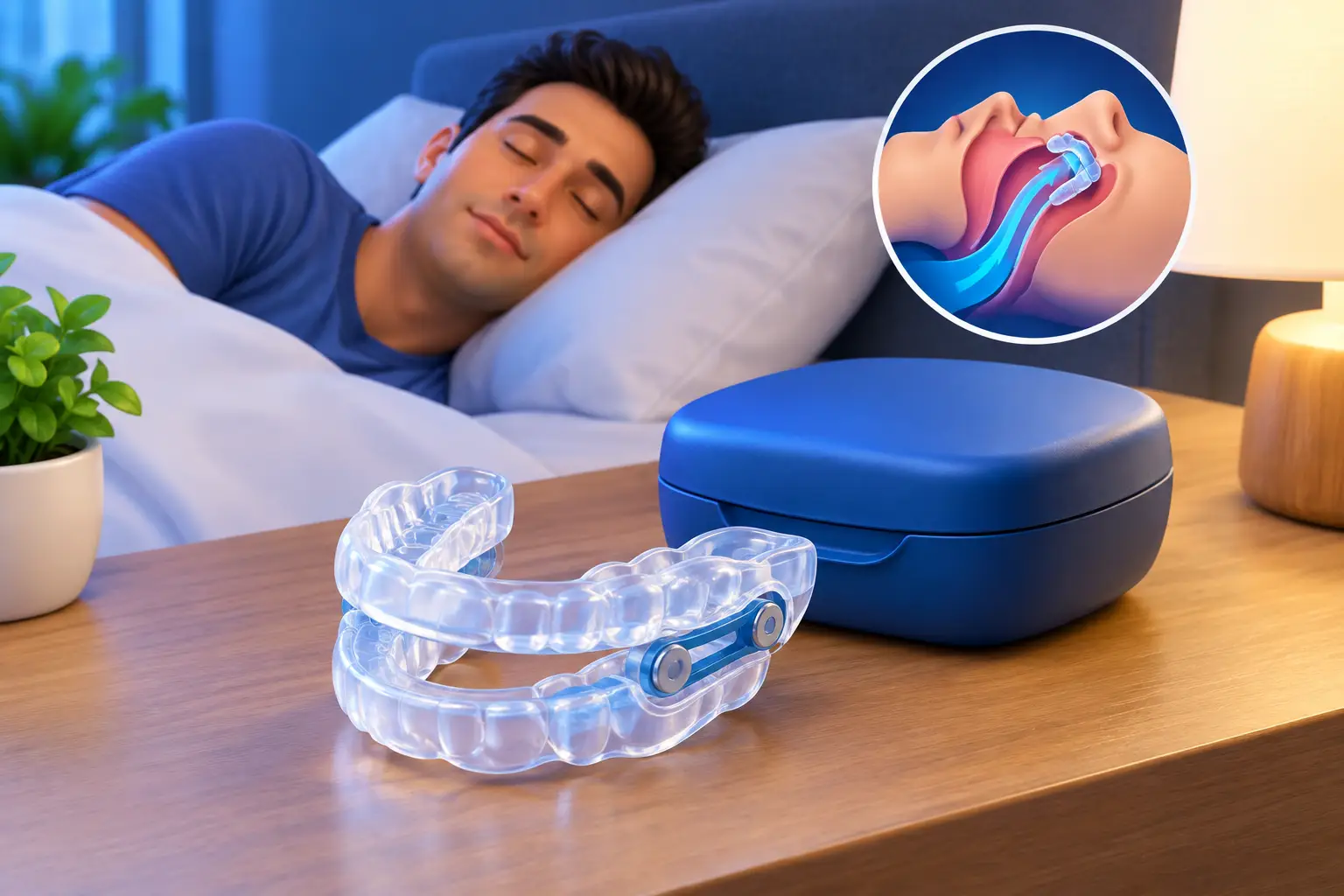
Most adults can discuss sedation options safely with their dental team, but some health factors require more careful planning or coordination with a physician. Obstructive sleep apnea is one of the most important examples. Sedatives can relax airway muscles, so untreated or poorly controlled sleep apnea may change which options are appropriate and how recovery should be managed.
Be especially candid if you snore loudly, use CPAP, have been diagnosed with sleep apnea, or often feel excessively tired during the day. Bring information about your diagnosis and treatment when possible. A dentist experienced in sleep-focused oral healthcare can help ensure these details are part of the conversation rather than an afterthought.
Heart disease, lung disease, high blood pressure, diabetes, liver or kidney conditions, pregnancy, and a history of difficult reactions to anesthesia may also affect the plan. This does not necessarily mean you cannot receive sedation. It may mean your appointment needs different medication, additional precautions, physician input, or a setting better equipped for your needs.
How to Prepare for a Safer Appointment
Your pre-appointment instructions are part of your care, not routine paperwork. Follow them exactly, especially directions about eating, drinking, and taking regular medications. Fasting instructions vary by sedation type, so do not assume that advice from a previous procedure applies to this one.
Before your visit, confirm four practical details: the exact medication and timing, whether you should eat or drink beforehand, which medications you should take as usual, and who will take you home. If you develop a cold, fever, worsening asthma symptoms, chest discomfort, or any meaningful change in your health before treatment, call the office. Rescheduling may be the safer decision.
You should also arrange a quiet recovery period. A trusted adult should drive you home after oral or IV sedation, stay with you as directed, and help you follow post-treatment instructions. Public transit, rideshare services, and driving yourself are not appropriate substitutes when your judgment or coordination may be affected.
Monitoring Does Not End When the Procedure Does
After treatment, your dental team should observe you until you meet their discharge criteria. Depending on the sedation used, that may include being alert enough to respond appropriately, having stable vital signs, and being able to leave with your responsible escort.
At home, follow instructions for rest, food and beverages, pain medication, and oral care. Drowsiness, mild grogginess, or patchy memory of the appointment can occur with certain sedation methods. However, difficulty breathing, severe dizziness, persistent vomiting, chest pain, unusual confusion, or an allergic-type reaction requires prompt medical attention. Your dental office should give you clear guidance about who to contact after the procedure and when to seek emergency care.
Questions Worth Asking Before You Say Yes
A caring team welcomes questions, especially when you are deciding whether sedation is right for you. Ask what level of sedation is being recommended and why, who will administer and monitor it, what your recovery will involve, and what alternatives are available. You can also ask how your medications, sleep apnea, or other conditions affect the plan.
If you are pursuing implants , full-mouth rehabilitation, oral surgery, or another complex treatment, coordinated care can make a meaningful difference. Having restorative, surgical, periodontal, and general dental perspectives aligned around your treatment helps keep comfort, function, and long-term results in view.
At Seattle Oral Care, sedation conversations are approached with the same care as treatment planning: by listening first, reviewing the clinical details, and making sure you understand your options. Feeling nervous does not make you a difficult patient. It gives your care team useful information about how to support you.
A calmer appointment should never come at the expense of careful planning. When you know what sedation involves, follow the preparation instructions, and choose a team that takes your health history seriously, you can move forward with greater confidence and focus on the healthier smile ahead.