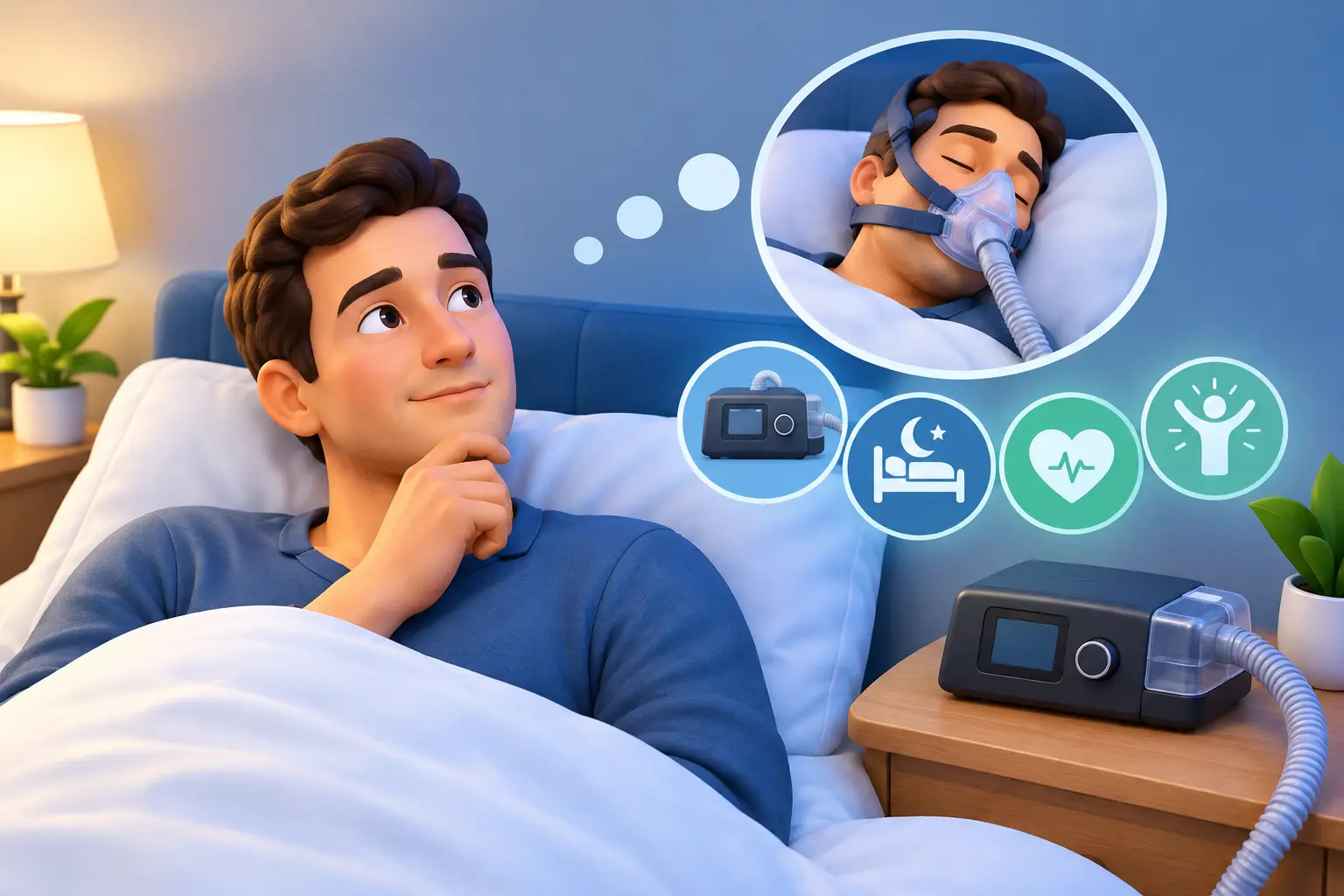
A sleep study result can feel strangely impersonal: a few numbers, a diagnosis, and suddenly a lot to think about. If you are just diagnosed with sleep apnea, what now may be the first question on your mind. The encouraging answer is that effective treatment is available, and the right plan should account for your breathing, health history, comfort, and ability to use treatment consistently.
Obstructive sleep apnea is more than snoring. It occurs when the airway repeatedly narrows or closes during sleep, disrupting breathing and lowering sleep quality. Left untreated, it can contribute to daytime exhaustion, concentration problems, high blood pressure, heart concerns, and a reduced quality of life. A diagnosis is not a reason to panic. It is a valuable explanation for what may have been affecting your nights and days for years.
Sleep Apnea Diagnosis Next Steps: Start With Your Results
Before choosing a treatment, take time to understand what your sleep study found. Your sleep physician can explain the severity of your obstructive sleep apnea, often measured by the apnea-hypopnea index, or AHI. This number reflects how often breathing was reduced or interrupted per hour of sleep.
Your report may also include oxygen levels, sleep position, snoring, heart rate information, and whether events were worse during REM sleep. Mild, moderate, and severe labels are helpful, but they do not tell the whole story. Significant oxygen drops, medical conditions such as high blood pressure or heart disease, severe daytime sleepiness, and safety-sensitive work all deserve careful attention when deciding how quickly and aggressively to treat the condition.
Bring questions to your follow-up appointment. Ask what your results mean for your health, whether the events were position-dependent, and how treatment success will be confirmed. Sleep apnea care works best when your medical provider, dentist, and you are working from the same information.
CPAP Is Effective, but Comfort Matters
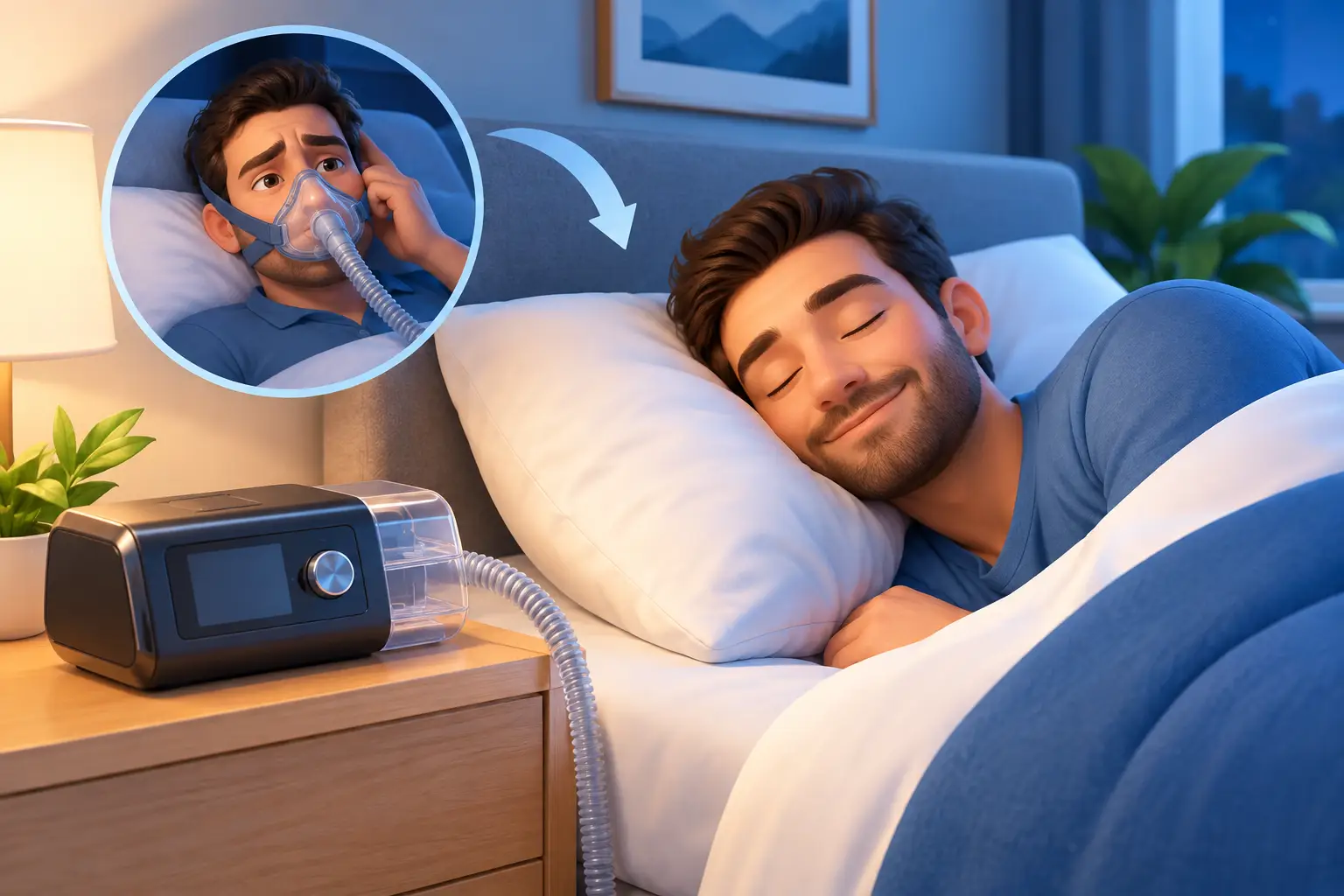
Continuous positive airway pressure, commonly called CPAP, uses gentle air pressure to keep the airway open while you sleep. It is a highly effective treatment and is often recommended first for severe obstructive sleep apnea, substantial oxygen desaturation, or patients with certain medical concerns.
For many people, CPAP becomes a reliable part of the bedtime routine. Modern machines are quieter and more adjustable than older models, and different masks can make a meaningful difference. A poor first experience with one mask does not necessarily mean CPAP will not work for you. Mask refitting, humidification, pressure adjustments, and patient coaching can often resolve common barriers.
Still, treatment only helps when it is actually used. Some patients struggle with mask leaks, claustrophobia, dry mouth, nasal congestion, travel demands, or removing the mask during sleep. These are not personal failures. They are practical concerns worth discussing promptly with your sleep team rather than quietly abandoning treatment.
CPAP Alternatives After Diagnosis: When an Oral Appliance May Help
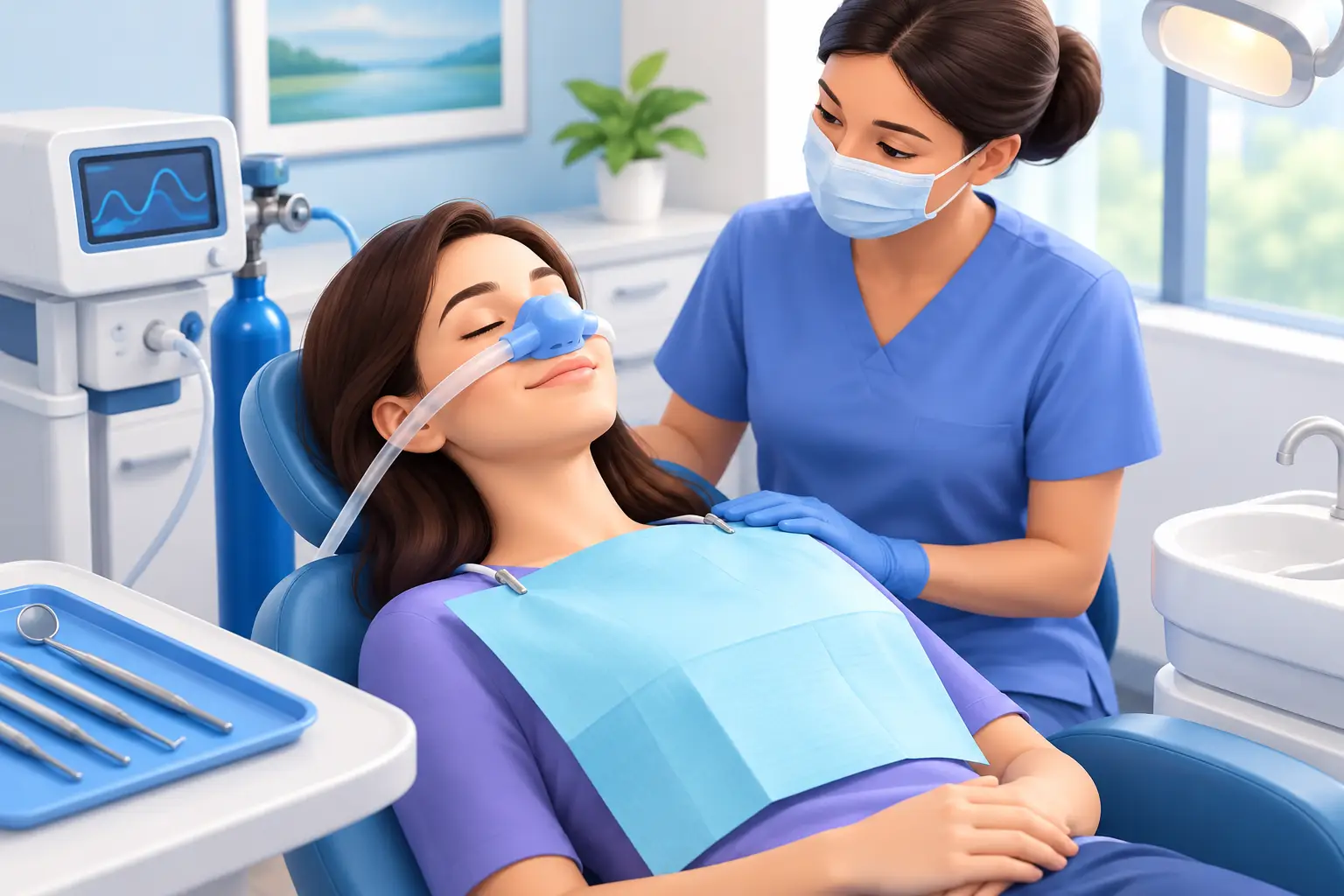
An oral appliance is a custom-made device worn over the teeth during sleep. It gently supports the lower jaw in a forward position, helping create more room in the airway. Unlike an over-the-counter mouthguard or a snoring device ordered online, a medical oral appliance should be prescribed by a sleep physician and fitted by a dentist with training in dental sleep medicine.
For adults with mild to moderate obstructive sleep apnea, an oral appliance can be an effective alternative when CPAP is not preferred or cannot be tolerated. It may also be considered for some patients with severe sleep apnea who cannot use CPAP, although that decision requires close coordination with the sleep physician and objective follow-up testing.
A person holding a new sleep study result and deciding between CPAP and an oral appliance deserves more than a generic recommendation. The best choice depends on the severity and pattern of apnea, oxygen levels, anatomy, medical history, lifestyle, and personal comfort. CPAP generally produces greater reduction in breathing events, especially in more severe cases. Yet a well-fitted oral appliance may be easier for some patients to wear consistently, which can make it a very practical option in the right situation.
Oral appliance therapy can be particularly appealing for people who travel often, prefer a quiet and compact treatment, or find a mask difficult to tolerate. It is not a cosmetic retainer, and it is not a one-size-fits-all solution. The appliance must be precisely adjusted over time to balance airway improvement with jaw comfort and dental health.
Your Teeth and Jaw Are Part of the Treatment Decision
A dental sleep evaluation looks beyond the sleep study. The dentist will assess your teeth, gums, bite, jaw joints, range of motion, and the condition of existing dental work. Healthy, stable teeth and gums are important because the appliance relies on them for support.
Crowns, bridges, implants, missing teeth, gum disease, jaw pain, or active dental concerns do not automatically rule out oral appliance therapy. They do mean the design and timing of treatment may need additional planning. For example, untreated periodontal disease or unstable dental restorations should be addressed before an appliance places regular forces on the teeth.
At Seattle Oral Care, oral appliance therapy is provided with a focus on both breathing and long-term oral health. An AADSM-certified prosthodontist can coordinate the appliance design with your existing restorations, bite, and future dental needs. This is especially valuable when sleep apnea treatment and complex dental care overlap.
What a Thoughtful Treatment Plan Looks Like
The next step after a diagnosis is not simply choosing a device. It is building a plan you can follow night after night. That plan may include CPAP, an oral appliance, positional therapy, weight management when appropriate, treatment for nasal obstruction, or a combination of approaches. Some patients use CPAP at home and an oral appliance for travel. Others use oral appliance therapy with positional strategies when their apnea is clearly worse on their back.
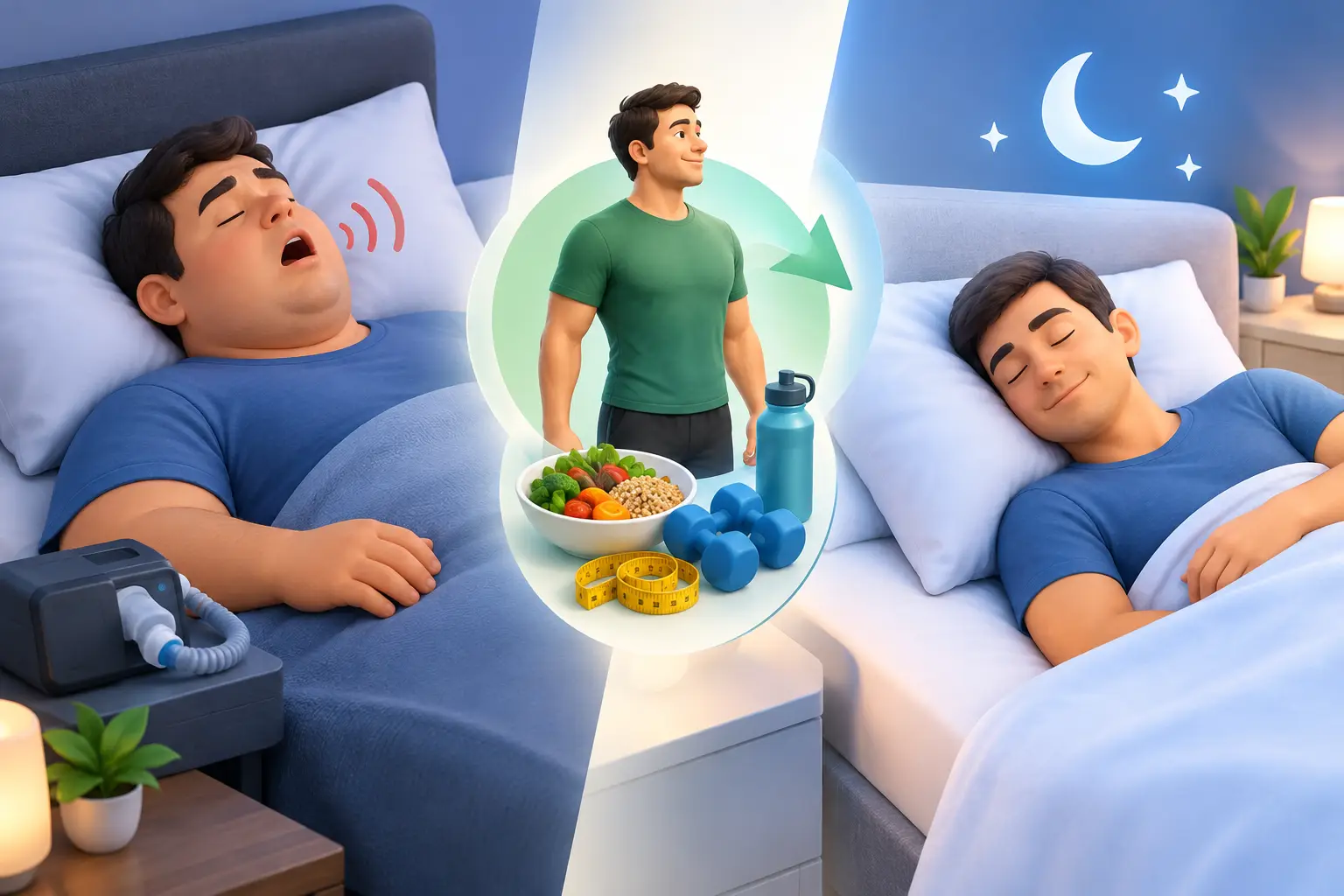
Be cautious about quick fixes. Losing weight can improve sleep apnea for some people, but it is not an immediate substitute for treating diagnosed apnea. Elevating the head, avoiding alcohol near bedtime, and sleeping on your side may reduce symptoms in certain cases, but they should not replace prescribed care unless your provider confirms they are adequate.
If you choose an oral appliance, expect a process rather than a single appointment. After the appliance is fitted, it is adjusted gradually based on comfort and symptom response. Your sleep physician will typically recommend follow-up sleep testing to verify that the appliance is effectively controlling your apnea. Feeling less tired is encouraging, but objective testing is how you know your breathing is truly improved.
Questions Worth Asking Before You Decide
Ask your sleep physician whether your results make you a candidate for oral appliance therapy and whether CPAP is medically preferred in your case. Ask what follow-up testing will be used, what symptoms should prompt an earlier call, and whether your insurance has specific coverage requirements.
During a dental sleep consultation, ask how the appliance will affect your bite, what maintenance it requires, and how jaw discomfort will be managed if it occurs. A well-designed treatment plan should also include regular follow-up. Sleep apnea and oral health can change over time, and your therapy should be monitored accordingly.
You do not need to solve every decision the day you receive your results. Start by understanding the findings, talk openly about the treatment you believe you can use consistently, and choose a care team that listens closely. Better sleep and easier breathing are realistic goals, and the right next step is the one that protects your health while fitting into your real life.