Waking with a headache, fighting sleepiness at your desk, or hearing that your snoring has become louder can make every morning feel harder than it should. Questions about weight loss and sleep apnea often follow: can weight loss help sleep apnea, does losing weight cure sleep apnea, and is it safe to wait for treatment while the number on the scale changes? The short answer is that weight loss can make a meaningful difference for many people, but ongoing symptoms deserve attention now.
Why Weight and Sleep Apnea Are Connected
Obstructive sleep apnea happens when the airway repeatedly narrows or closes during sleep. The brain briefly wakes the body enough to restore breathing, sometimes dozens of times an hour. Most people do not remember these awakenings, but they can feel the effects as unrefreshing sleep, daytime fatigue, morning headaches, irritability, difficulty concentrating, and loud snoring or gasping.
Carrying excess weight, particularly around the neck and upper airway, can increase the likelihood of airway collapse. Fatty tissue around the tongue and throat may reduce the space available for air to move freely. Weight gain can also affect breathing mechanics and inflammation throughout the body.
That connection is real, but it is not the whole story. Sleep apnea can affect people at many body sizes. Jaw position, tongue size, nasal obstruction, airway anatomy, age, alcohol use, certain medications, and family history can all play a role. Someone with a smaller lower jaw or a naturally narrow airway may have significant sleep apnea even if they are active and at a weight considered healthy.
Can Weight Loss Help Sleep Apnea?
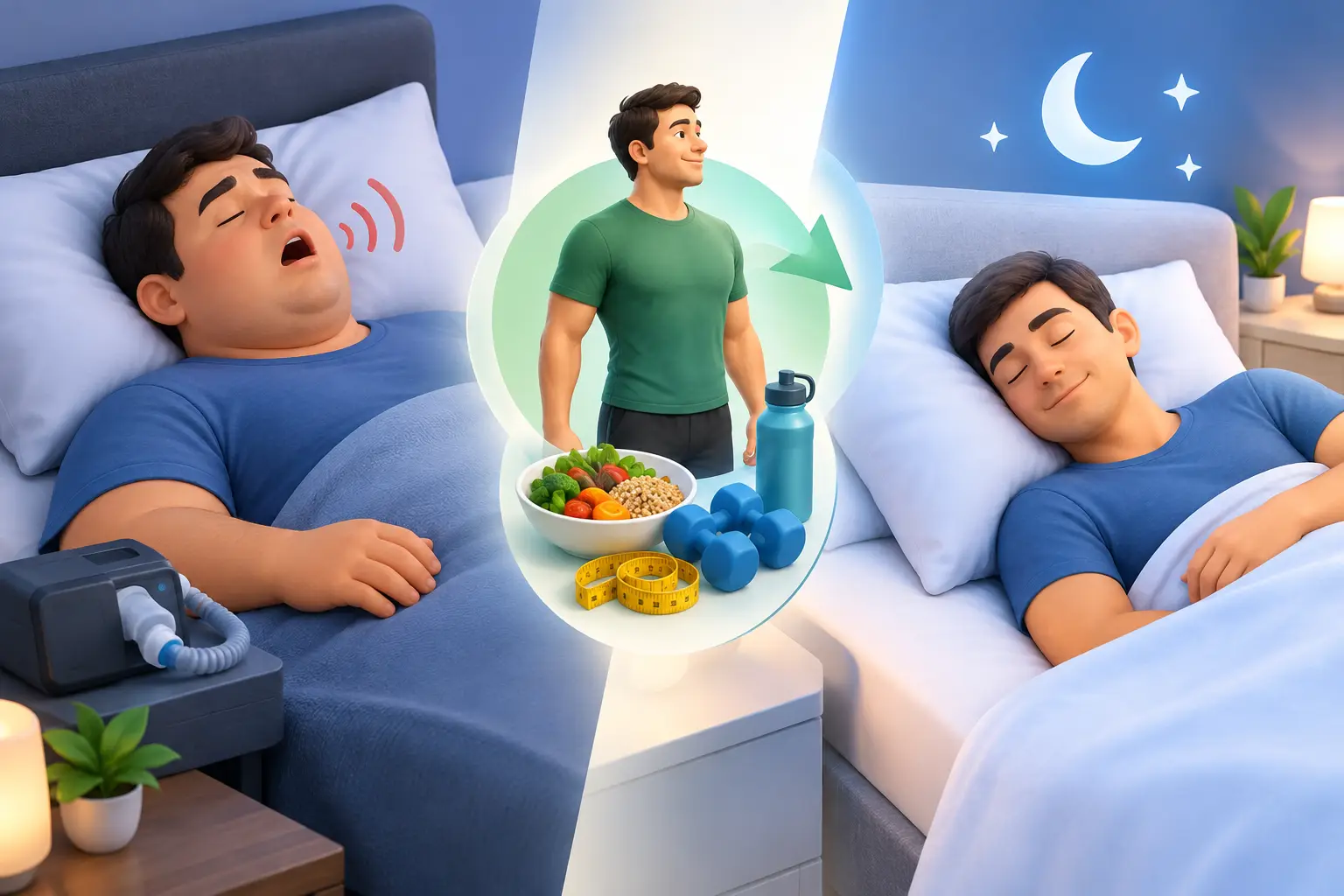
Yes. For people whose obstructive sleep apnea is connected in part to excess weight, gradual, sustained weight loss may reduce the severity of breathing interruptions. Some patients snore less, have fewer apnea events, sleep more comfortably, and need less intensive treatment after losing weight.
The degree of improvement varies. A modest change may help one person substantially and make little difference for another. Sleep apnea severity is measured through a sleep study, not by symptoms alone, so it is important to confirm whether the condition has improved rather than assuming it has resolved.
Weight loss also supports overall health in ways that matter for sleep apnea care. It may improve blood pressure, blood sugar regulation, mobility, and energy for exercise. These are worthwhile benefits, whether or not sleep apnea completely goes away.
Still, weight management should be treated as one part of a care plan, not as a reason to leave a diagnosed breathing disorder untreated. The best plan often addresses both the contributing factors and the immediate need for reliable nighttime breathing.
Does Losing Weight Cure Sleep Apnea?
For some people, substantial weight loss can reduce sleep apnea to the point that a follow-up sleep study no longer shows clinically significant apnea. For others, apnea improves but remains present. And for some, it changes very little because airway anatomy is the primary driver.
This is why “cure” can be an unhelpful promise. Losing weight is not a guaranteed cure for sleep apnea, and a person should not discontinue CPAP or stop using an oral appliance without guidance from the clinician managing their sleep apnea. Symptoms can be misleading. You may feel a bit more rested yet still experience oxygen drops or repeated breathing pauses that affect your cardiovascular health.
There is another practical consideration: maintaining weight loss takes time. Sleep apnea treatment can protect sleep, alertness, and quality of life while you pursue long-term health goals. Better sleep may even make those goals more manageable. When fatigue is less overwhelming, many people find it easier to prepare meals, exercise consistently, and follow through with medical care.
If You Are Losing Weight but Still Have Symptoms, Do Not Wait
It is understandable to want to see whether weight loss solves the problem before beginning treatment. Many people worry about committing to CPAP or an oral appliance if their needs may change later. But untreated sleep apnea is not simply an inconvenience. Repeated drops in oxygen and interrupted sleep can contribute to high blood pressure, heart rhythm concerns, stroke risk, mood changes, impaired concentration, and drowsy driving.
If you are actively losing weight and still snore loudly, wake gasping, feel exhausted during the day, or have been told you stop breathing in your sleep, it is wise to seek evaluation rather than wait. A sleep study can clarify whether you have apnea and how severe it is. It also gives your care team a useful baseline for measuring change as your weight changes.
Treatment is not necessarily permanent in exactly the same form. Your needs can be reassessed after meaningful weight loss, a change in symptoms, or an adjustment in overall health. A follow-up sleep study may show that settings should be changed, an appliance should be adjusted, or treatment options can be reconsidered.
The key is to avoid treating the future possibility of improvement as a substitute for present care.
Treatment Can Work Alongside Weight Loss
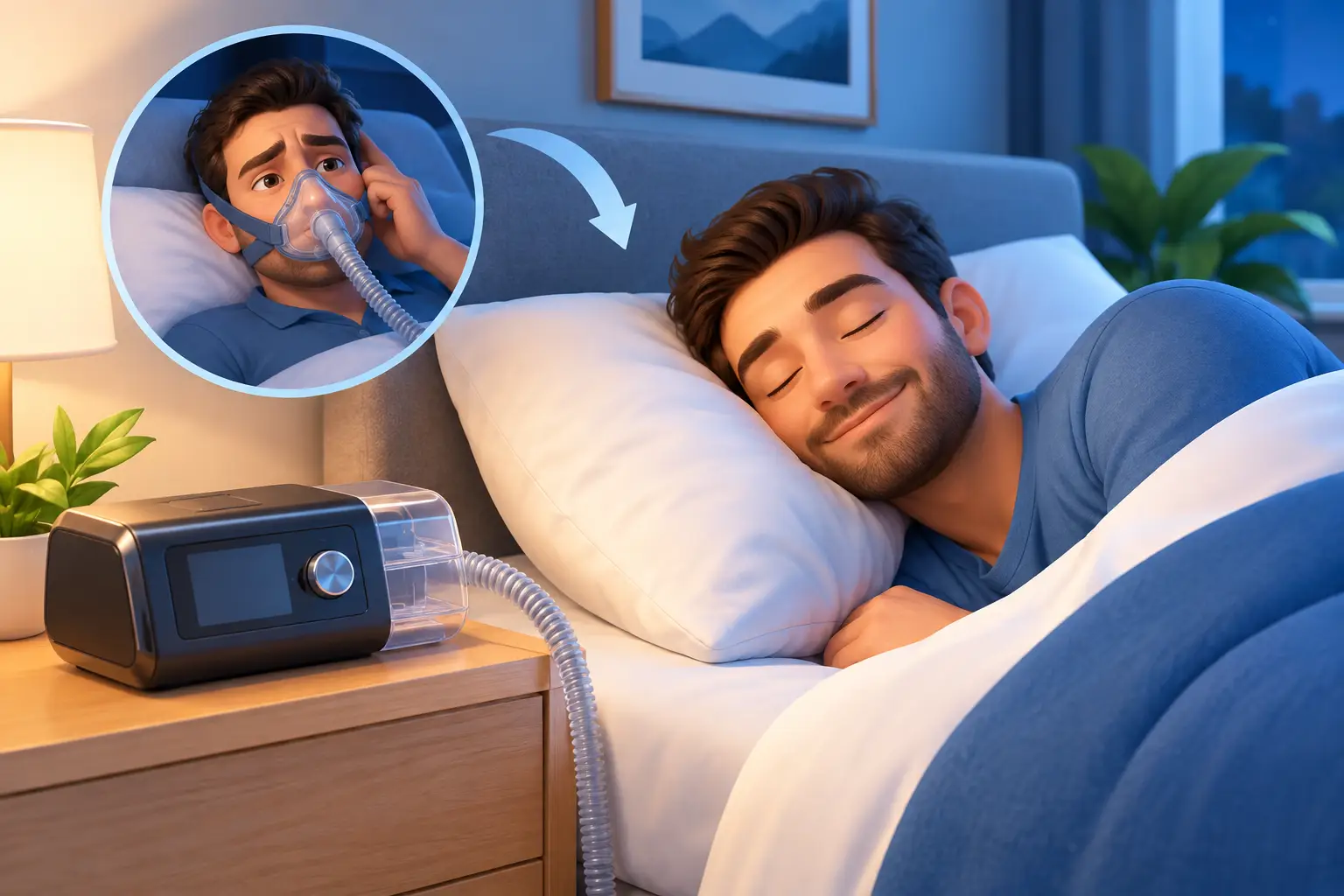
CPAP is often the first-line treatment for obstructive sleep apnea, particularly when apnea is moderate to severe. It uses gentle air pressure to keep the airway open during sleep. For many patients, it is highly effective when used consistently.
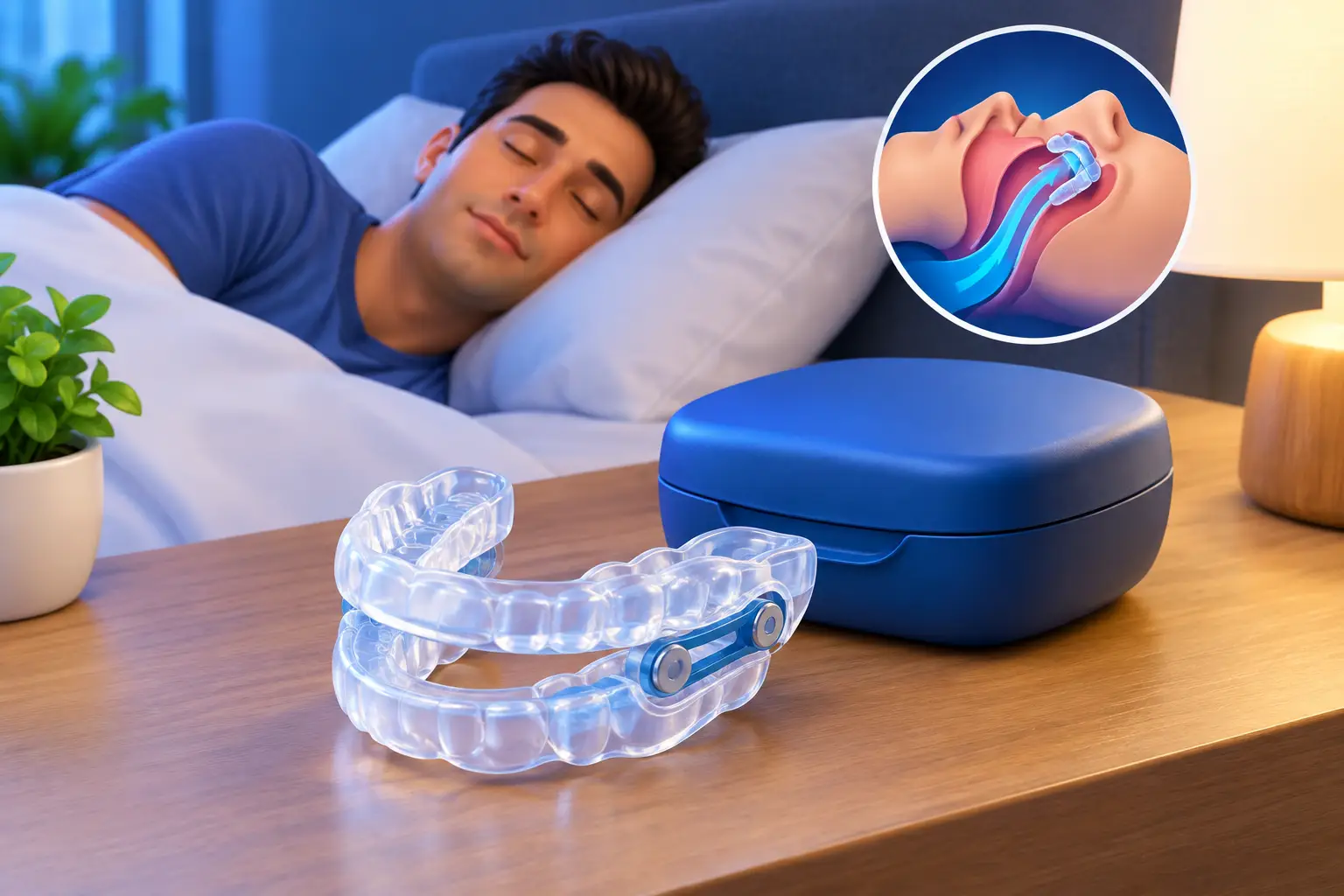
For appropriate patients, a custom oral appliance can be another effective option. These appliances are different from over-the-counter mouthguards. A sleep oral appliance is made to fit the teeth comfortably and is designed to gently position the lower jaw forward, helping create more room in the airway. It may be considered for mild to moderate obstructive sleep apnea, for patients who cannot tolerate CPAP, or in certain cases as part of a coordinated plan directed by a sleep physician.
An oral appliance requires thoughtful evaluation because the fit and jaw position matter. A qualified dental sleep medicine provider will review your teeth, gums, bite, jaw joints, and restorative needs before recommending one. Follow-up visits are also important, both for comfort and for confirming the appliance is helping as intended.
For patients already pursuing weight loss, treatment can be adjusted over time. An appliance that fit well six months ago may need refinement as weight, symptoms, or bite changes. That flexibility is a benefit of ongoing care, not a reason to delay it.
What to Do Next
If sleep apnea is suspected, begin with a conversation with your primary care clinician or a sleep physician. They can determine whether a home sleep test or an in-lab study is appropriate. Be ready to share details that may seem small but are useful: snoring, witnessed pauses in breathing, waking to urinate often, morning headaches, insomnia, sleep position, daytime sleepiness, and any history of high blood pressure.
If you have already been diagnosed and are losing weight, ask when a follow-up sleep study would make sense. The timing depends on your starting severity, the amount of weight change, your current treatment, and whether symptoms continue. Do not make changes to prescribed therapy on your own.
At Seattle Oral Care, sleep-focused oral healthcare is approached with the same care given to any long-term dental treatment: clear information, careful diagnostics, and a plan tailored to the person in the chair. For patients who may be candidates for oral appliance therapy, the goal is not simply a quieter night. It is more comfortable, more reliable sleep that supports daily health.
You do not have to choose between working toward weight loss and treating sleep apnea. You can do both, with a plan that protects your sleep now and leaves room to reassess as your health changes.