If you are working hard to lose weight but still waking unrefreshed, snoring loudly, or noticing pauses in breathing, it is understandable to wonder whether you should wait for results before seeking help. Weight loss and sleep apnea can be connected, but ongoing symptoms are a reason to have a conversation now, not a reason to put your comfort and care on hold.
For many people, the question is not whether weight management matters. It can. The more useful question is how to address sleep apnea while continuing the changes that feel realistic and sustainable for you.
Can Weight Loss Help Sleep Apnea?
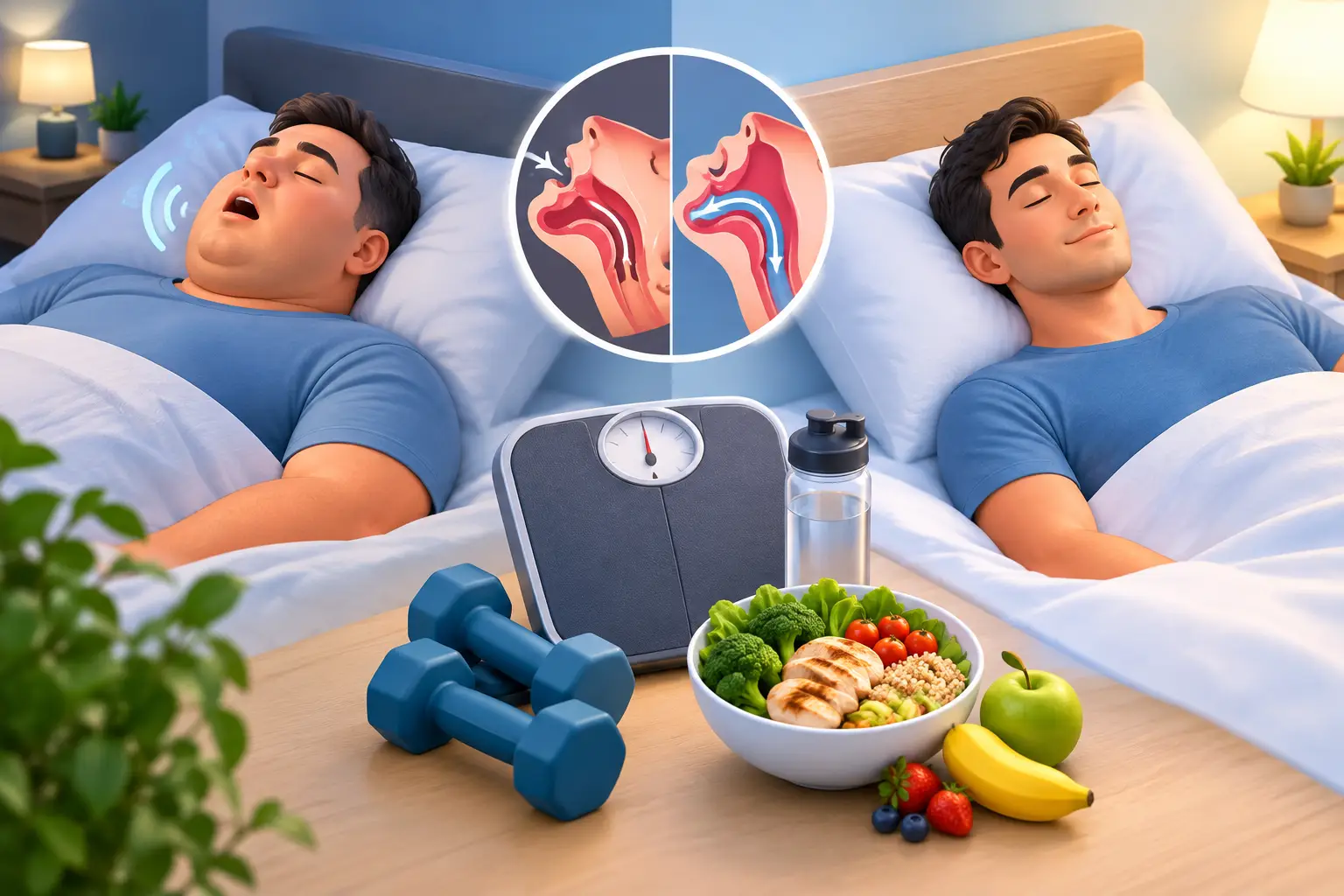
Obstructive sleep apnea occurs when the airway repeatedly narrows or closes during sleep. Body weight can be one factor that influences how easily that airway stays open. For some people, losing weight may lessen the severity of sleep apnea symptoms, reduce snoring, or change the treatment approach that makes sense.
But sleep apnea is rarely about one factor alone. Jaw position, tongue size and position, the shape of the airway, nasal breathing, muscle tone, sleep position, and family traits can all play a role. A person at any weight can have obstructive sleep apnea, and a person who loses weight may still have symptoms because the underlying airway anatomy has not changed enough.
That is why weight loss should be viewed as one possible part of a care plan rather than a guaranteed replacement for evaluation or treatment. It may help, but the degree of improvement is individual.
Does Losing Weight Cure Sleep Apnea?
Sometimes symptoms improve substantially with weight loss. Sometimes they improve only partly. And sometimes they remain much the same. So, does losing weight cure sleep apnea? Not reliably.
“Cure” is a strong word because sleep apnea needs to be assessed based on what is happening during sleep, not just on a change on the scale or a quieter night here and there. Snoring may become less noticeable while breathing interruptions continue. On the other hand, a person may feel better day to day but still need guidance about whether treatment should continue or be adjusted.
If you have already been diagnosed, do not assume that weight loss means you can stop prescribed therapy on your own. A follow-up conversation and, when appropriate, repeat sleep testing can show whether your needs have changed. That approach is more reassuring than guessing.
Do Not Wait on Care for Symptoms That Are Still Present
It can feel reasonable to say, “I am losing weight, so I will revisit this later.” The difficulty is that meaningful weight change often takes time, and sleep symptoms are happening now.
If you continue to snore, wake gasping or choking, have witnessed breathing pauses, wake with a dry mouth, or feel unusually tired despite spending enough time in bed, it is worth talking with a qualified sleep professional. This is not a failure of your weight-loss efforts. It is simply a practical response to symptoms that deserve attention.
Starting treatment does not mean giving up on lifestyle changes. In many cases, people do both. They continue working toward movement, nutrition, sleep routines, or other goals while using the therapy recommended for their current needs. If their symptoms or sleep study findings later change, their care plan can be reviewed.
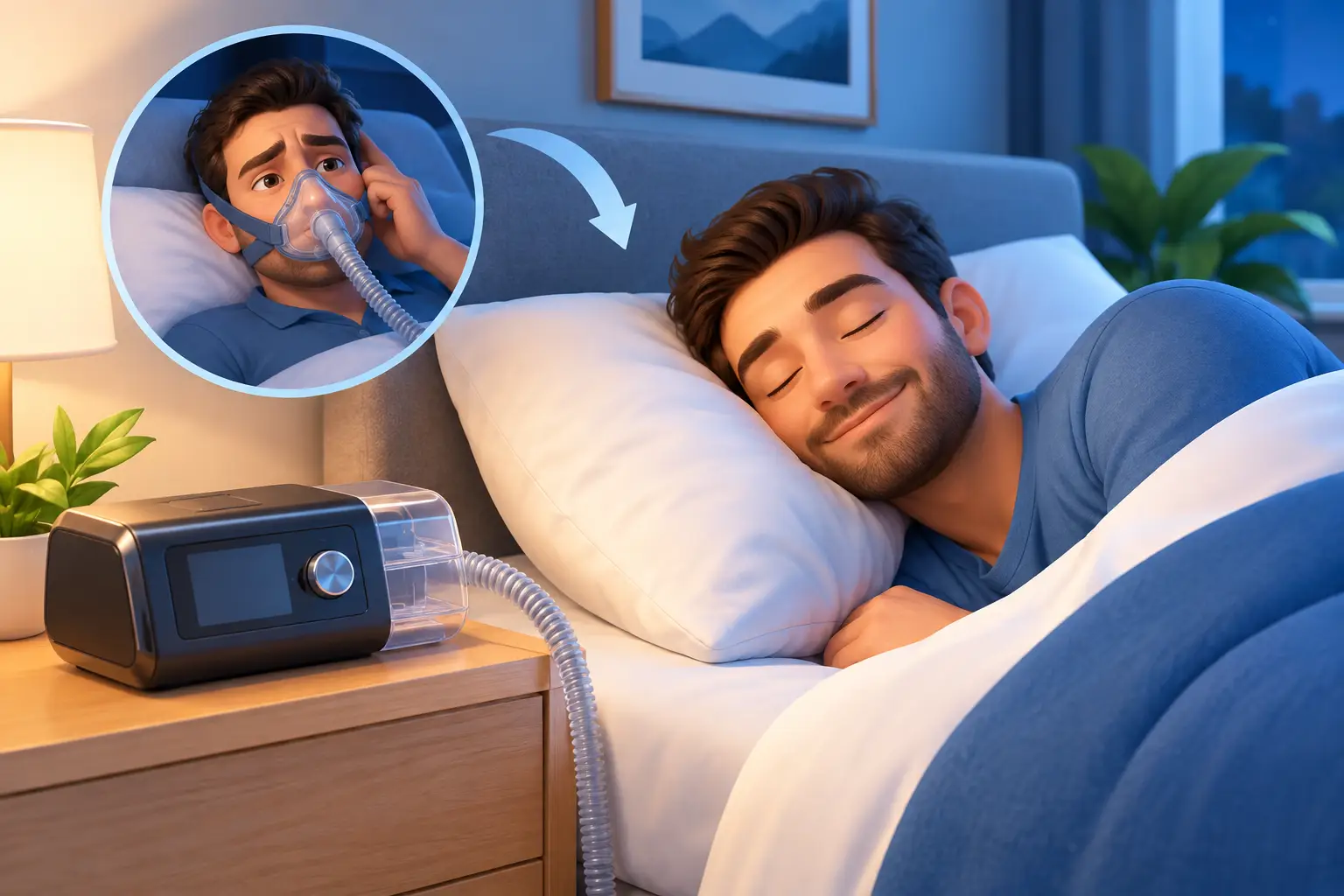
The same principle applies if you have tried CPAP and found it difficult to use consistently. Do not assume your only choices are to force yourself through an uncomfortable experience or to wait until you lose more weight. There may be other options to discuss.
Treatment Can Be Tailored to Your Airway and Your Life
A sleep physician or qualified clinician can help identify the right next step, often beginning with a sleep evaluation or sleep study. Treatment recommendations depend on the type and severity of sleep apnea, your medical history, your airway, and what you can realistically use night after night.
CPAP therapy is a common option and can be very effective when it is comfortable and used as directed. Some patients with obstructive sleep apnea may also be candidates for a custom oral appliance. This small, carefully fitted device is worn during sleep and gently positions the lower jaw forward to help support the airway.
An oral appliance is not the same as an over-the-counter mouthguard. It should be custom made and monitored by a dental professional with training in dental sleep medicine. Proper fit matters for comfort, effectiveness, bite changes, and jaw joint concerns.
At Seattle Oral Care, an AADSM-certified prosthodontist can work in coordination with a patient’s sleep physician when oral appliance therapy is appropriate. That coordination matters because sleep apnea care should be based on a clear diagnosis and a plan that considers both breathing and oral health.
When Weight Loss Is Part of the Plan
Weight changes can be meaningful information for your care team. If you are actively losing weight, share that with your sleep physician and dentist. It provides helpful context, especially if your symptoms feel different than they did months ago.
It is also helpful to notice patterns without trying to diagnose yourself. Does snoring seem worse when you sleep on your back? Has your partner noticed fewer pauses in breathing? Are you still waking frequently? Have a new oral appliance or CPAP setting made sleep more comfortable? These details can guide a more useful follow-up conversation.
Try not to make treatment decisions based solely on a single good week, a wearable device score, or a partner’s observation that you snored less. Those observations can be valuable, but they do not replace professional assessment. Sleep apnea symptoms may vary with congestion, sleep position, alcohol use, stress, and changes in routine.
A Practical Way to Move Forward
You do not need to choose between pursuing weight loss and treating sleep apnea. A steadier path is to address both at the same time.
Start by arranging an evaluation if you have ongoing symptoms or concerns. If you already have a diagnosis, ask whether your current treatment still fits your needs and whether a follow-up study may be appropriate after a meaningful change in weight. If CPAP has been difficult, bring that up honestly. Comfort, fit, and day-to-day practicality are part of successful treatment.
For patients considering an oral appliance, a dental sleep consultation can include an examination of your teeth, gums, jaw joints, bite, and oral structures. The goal is not to push one solution. It is to determine whether an appliance is a suitable option and how it can fit into physician-directed care.
You deserve a plan that respects the effort you are already making. Keep moving toward your personal weight goals if they are right for you, but let ongoing sleep symptoms be heard and evaluated along the way.