Waking up tired after a full night in bed can feel frustrating, especially when you have done everything you can think of to sleep better. For some people, the answer is not simply stress, a busy schedule, or getting older. Sleep apnea symptoms can point to repeated breathing disruptions that prevent the body and brain from getting the restorative rest they need.
Obstructive sleep apnea, often called OSA, occurs when the airway narrows or closes during sleep. The brain briefly wakes the body enough to reopen the airway, sometimes dozens of times an hour. Many people do not remember these awakenings, but their sleep partner may notice the signs first.
Sleep Apnea Symptoms During the Night
Loud, frequent snoring is one of the most familiar signs of sleep apnea, but snoring alone does not prove that someone has the condition. Some people snore without having apnea, while others with sleep apnea do not make much noise. What matters is the pattern and whether snoring is paired with pauses in breathing, choking, gasping, or restless sleep.
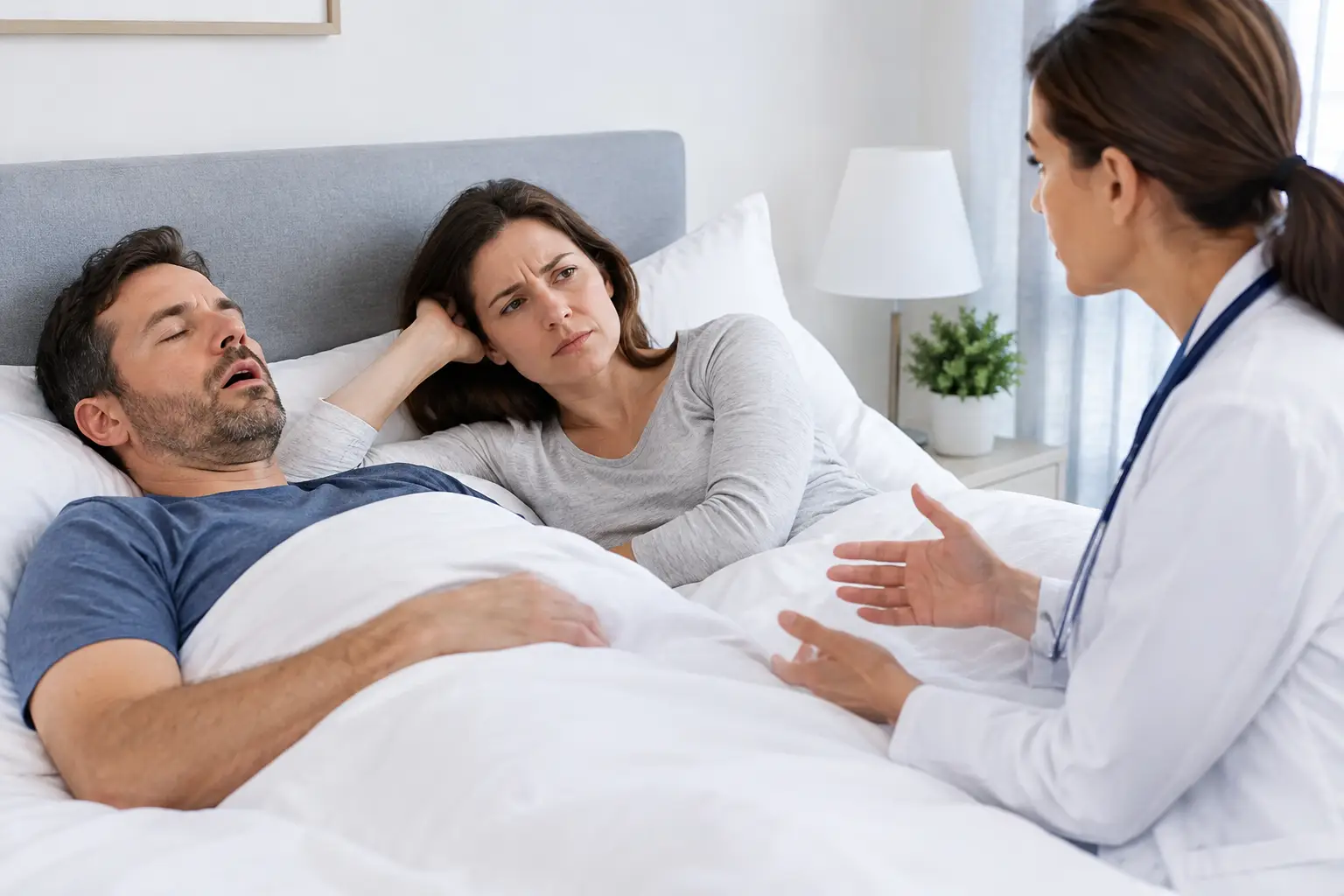
A bed partner may describe a troubling cycle: snoring grows louder, breathing seems to stop, and then the person suddenly snorts, gasps, or shifts position. These pauses happen because soft tissues in the throat can block the flow of air. The body then reacts to the drop in oxygen and the effort to breathe by partially waking up.
Other nighttime signs can include waking with a dry mouth, needing to urinate frequently, sweating during sleep, or waking suddenly with a feeling of choking. Teeth grinding may also occur in some people. Grinding does not automatically mean sleep apnea, but it can be a reason to look more closely at sleep, especially when it occurs alongside snoring and daytime exhaustion.
Daytime Sleep Apnea Symptoms Can Be Easy to Miss
The effects of disrupted breathing do not end when the alarm goes off. Daytime symptoms are often the reason people finally seek help, even if they do not realize sleep is the source of the problem.
Excessive daytime sleepiness is a common concern. This is more than feeling a little sluggish after a late night. Someone with sleep apnea may fall asleep while reading, watching television, sitting in meetings, or riding in a car. Drowsiness behind the wheel is especially concerning and deserves prompt attention.
Morning headaches, trouble concentrating, forgetfulness, and irritability can also occur. When sleep is repeatedly interrupted, it becomes harder to move through the day with patience, focus, and steady energy. Some people describe feeling as if they have been awake all night, even though they spent seven or eight hours in bed.
Mood changes can be part of the picture as well. Anxiety, low mood, and reduced interest in usual activities have many possible causes, so they should not be assumed to mean sleep apnea. Still, poor sleep can make emotional health harder to manage. A careful evaluation helps separate assumptions from answers.
Who Is More Likely to Develop Sleep Apnea?
Sleep apnea can affect adults of many ages, body types, and health backgrounds. It is more common with excess weight, but it is not limited to people in larger bodies. Anatomy plays a meaningful role. A narrow airway, enlarged tonsils, a recessed jaw, nasal obstruction, or changes in muscle tone can all contribute to breathing problems during sleep.
Risk can also rise with age, alcohol use near bedtime, sedating medications, smoking, and a family history of sleep apnea. Hormonal changes after menopause may increase risk for women, and sleep apnea is often underrecognized in women because their symptoms may show up as insomnia, fatigue, headaches, or mood changes rather than obvious snoring.
Children can have sleep-disordered breathing too, often related to enlarged tonsils or adenoids. Frequent snoring, restless sleep, behavioral changes, bed-wetting, or difficulty concentrating are worth discussing with a pediatrician. Children need an evaluation designed for their age rather than adult assumptions about sleep apnea.
Why Getting Evaluated Matters
Untreated obstructive sleep apnea can affect much more than energy. Repeated drops in oxygen and interrupted sleep place stress on the cardiovascular system and may be associated with high blood pressure, heart disease, stroke, type 2 diabetes, and irregular heart rhythms. Sleepiness can also raise the risk of workplace mistakes and motor vehicle accidents.
That does not mean every snorer will develop serious health problems. It does mean that persistent symptoms deserve a conversation with a qualified healthcare professional. A sleep evaluation can identify whether apnea is present, how severe it is, and which treatment approach is appropriate.
Diagnosis usually involves a sleep study. Depending on your medical history and symptoms, this may be an at-home test or an overnight study in a sleep center. The study measures breathing, oxygen levels, heart rate, and sleep patterns. It provides information that a symptom checklist cannot.
If you wake up gasping, have severe daytime drowsiness, or your partner sees repeated breathing pauses, do not wait for symptoms to become unbearable. If drowsiness makes driving unsafe, avoid driving and seek timely medical guidance.
Treatment Should Fit Your Airway and Your Life
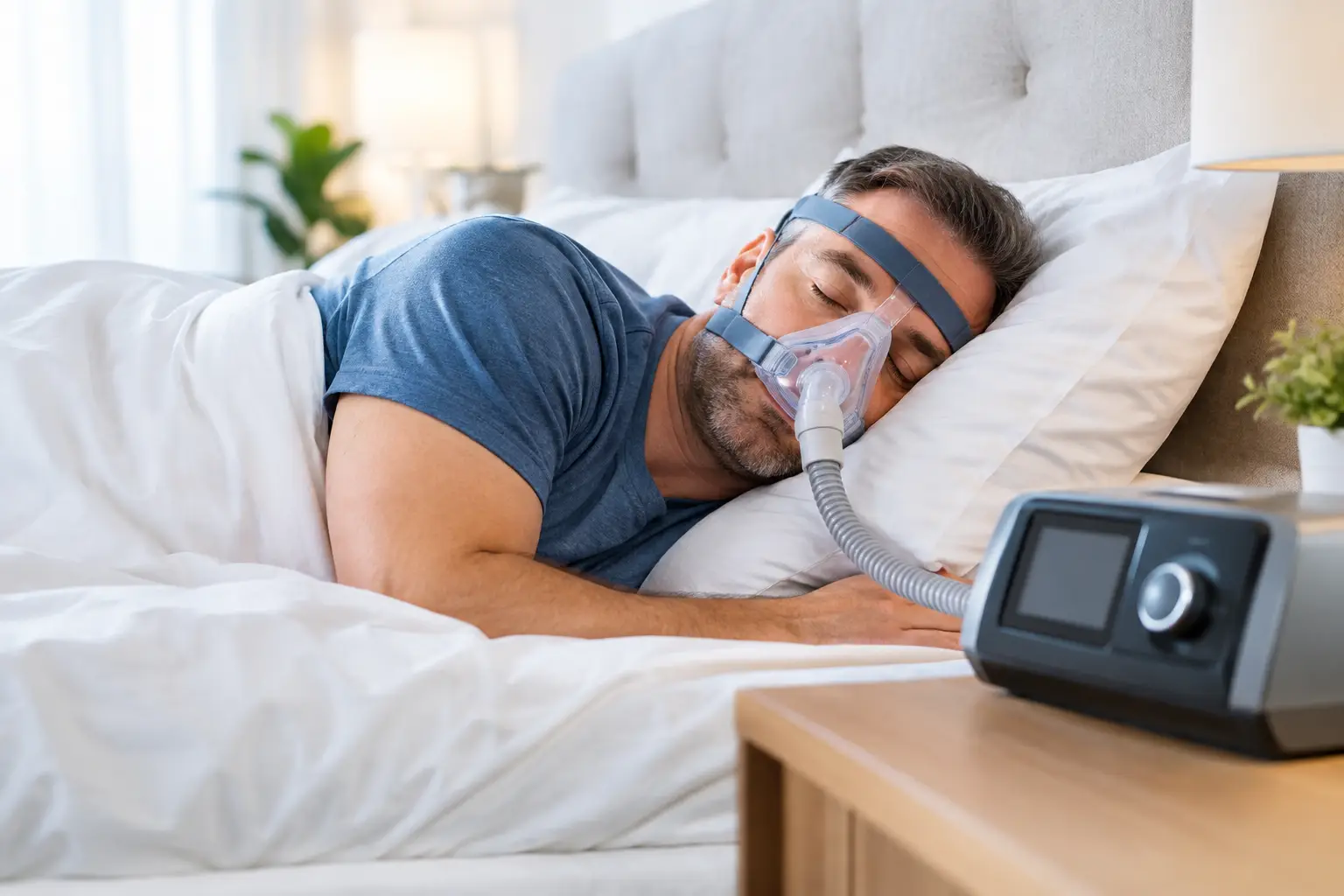
Treatment is not one-size-fits-all. Continuous positive airway pressure, or CPAP, is highly effective for many people and remains a common treatment, particularly for moderate to severe sleep apnea. It uses gentle air pressure to help keep the airway open during sleep.
For some adults with mild to moderate obstructive sleep apnea, or for those who cannot tolerate CPAP, a custom oral appliance may be an option. This small device is worn while sleeping and is designed to position the lower jaw in a way that helps support an open airway. It is not the same as a store-bought night guard, and it should be made and monitored by a clinician with training in dental sleep medicine.
The right choice depends on the severity of apnea, your airway anatomy, other health conditions, and what you can use consistently. Some patients use oral appliance therapy as an alternative to CPAP, while others use it in coordination with CPAP or during travel. Weight management, positional changes, treatment for nasal obstruction, and surgery may also be considered in specific situations.
A dentist can be an important part of the care team because the mouth, jaw, teeth, and airway are closely connected. At Seattle Oral Care, an AADSM-certified prosthodontist works with patients and their medical providers to discuss custom oral appliance therapy when it is clinically appropriate. Ongoing follow-up matters, since an appliance may need adjustments to protect comfort, bite alignment, and long-term results.
When Snoring Needs More Than a Nudge From Your Partner
It is easy to turn snoring into a joke, especially when it has been part of a relationship for years. But loud snoring combined with gasping, witnessed breathing pauses, unrefreshing sleep, or daytime fatigue is a health signal worth taking seriously.
Start by writing down what you or your sleep partner notices: when the snoring occurs, whether breathing pauses are seen, how often you wake, and how alert you feel during the day. Bring those details to your primary care provider, sleep physician, or dental sleep medicine consultation. Clear information helps create a plan that is based on your needs rather than guesswork.
Better sleep is not about pushing through exhaustion or accepting snoring as inevitable. A thoughtful evaluation can offer a clearer path toward safer nights, steadier days, and the relief of finally waking up feeling rested.