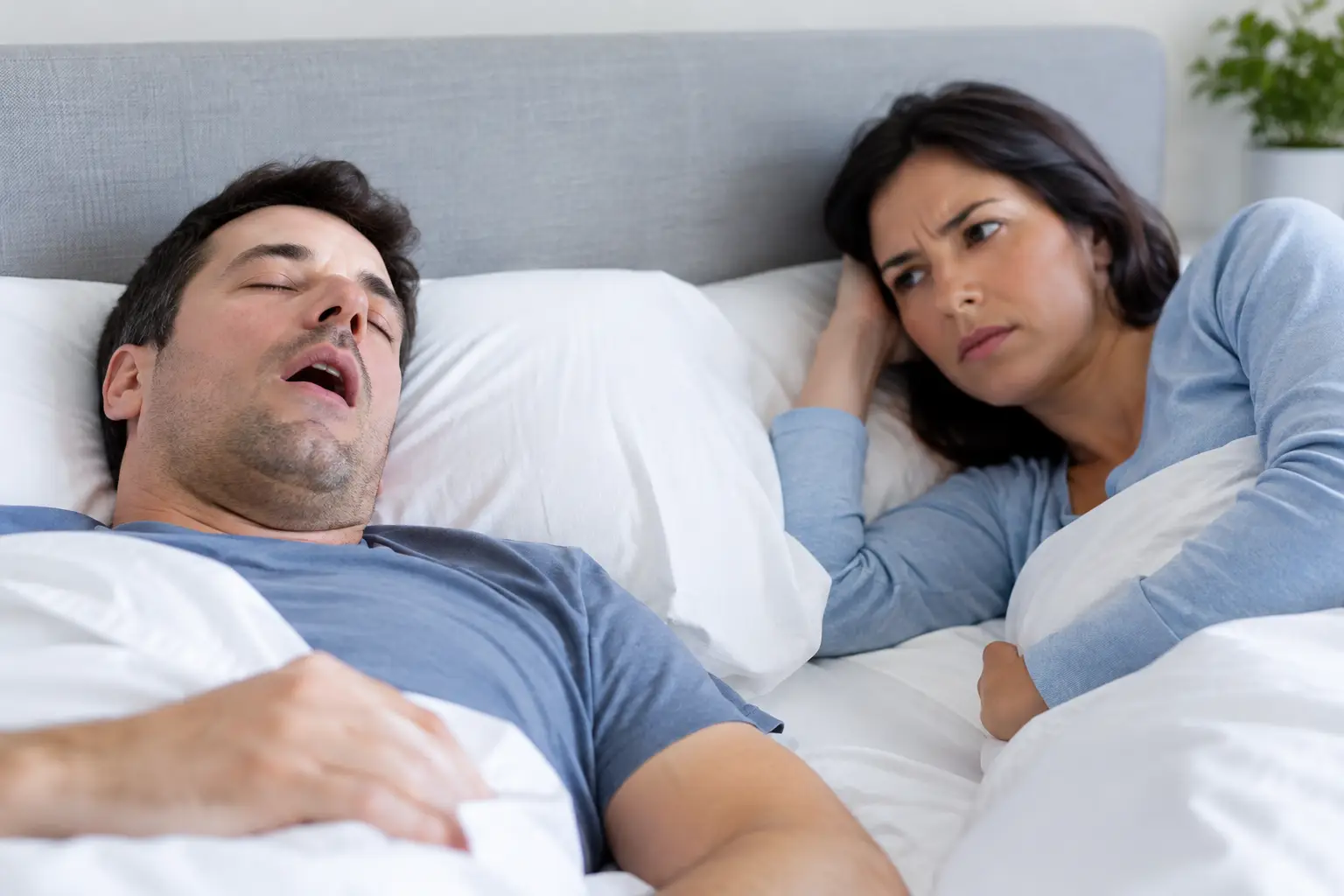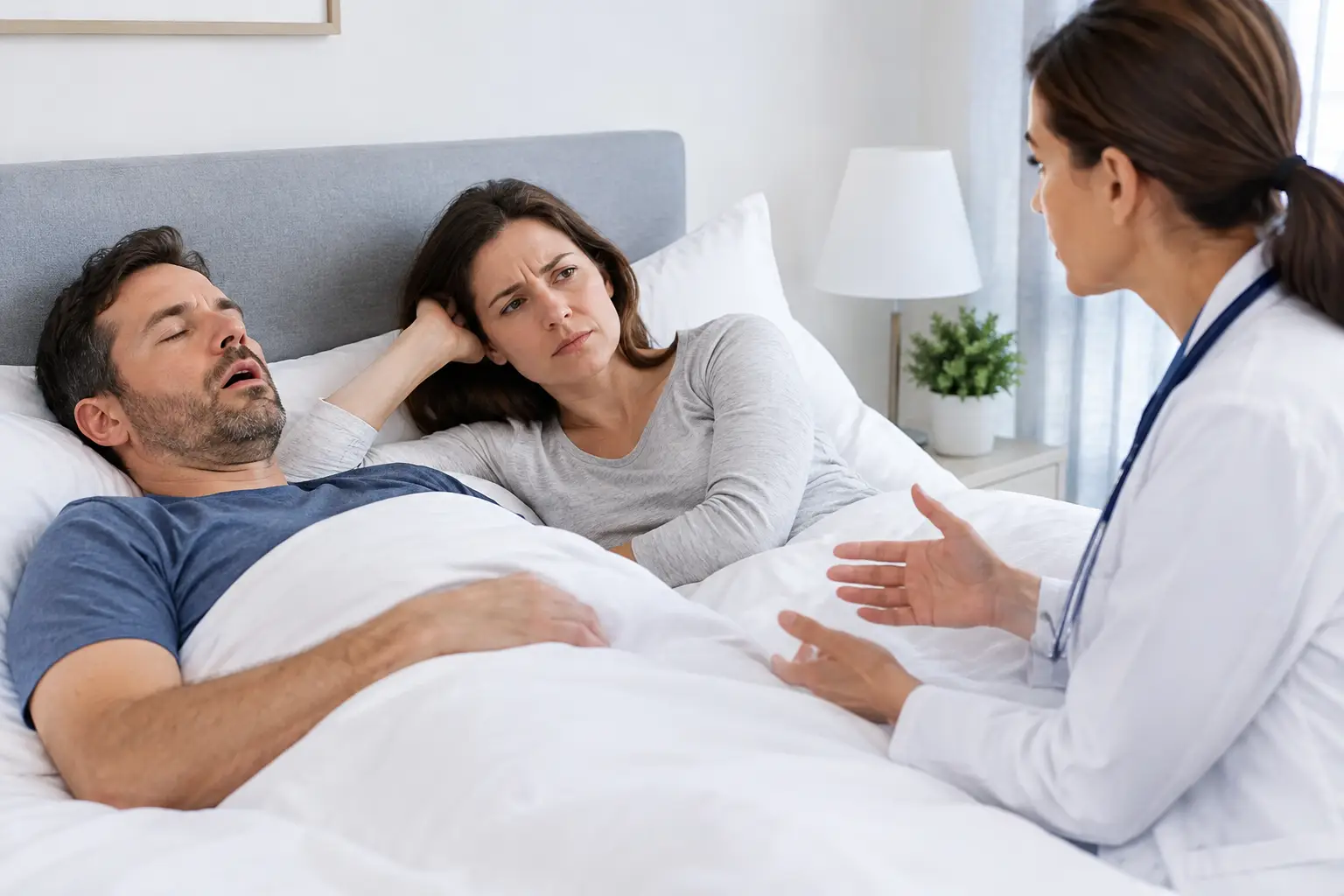
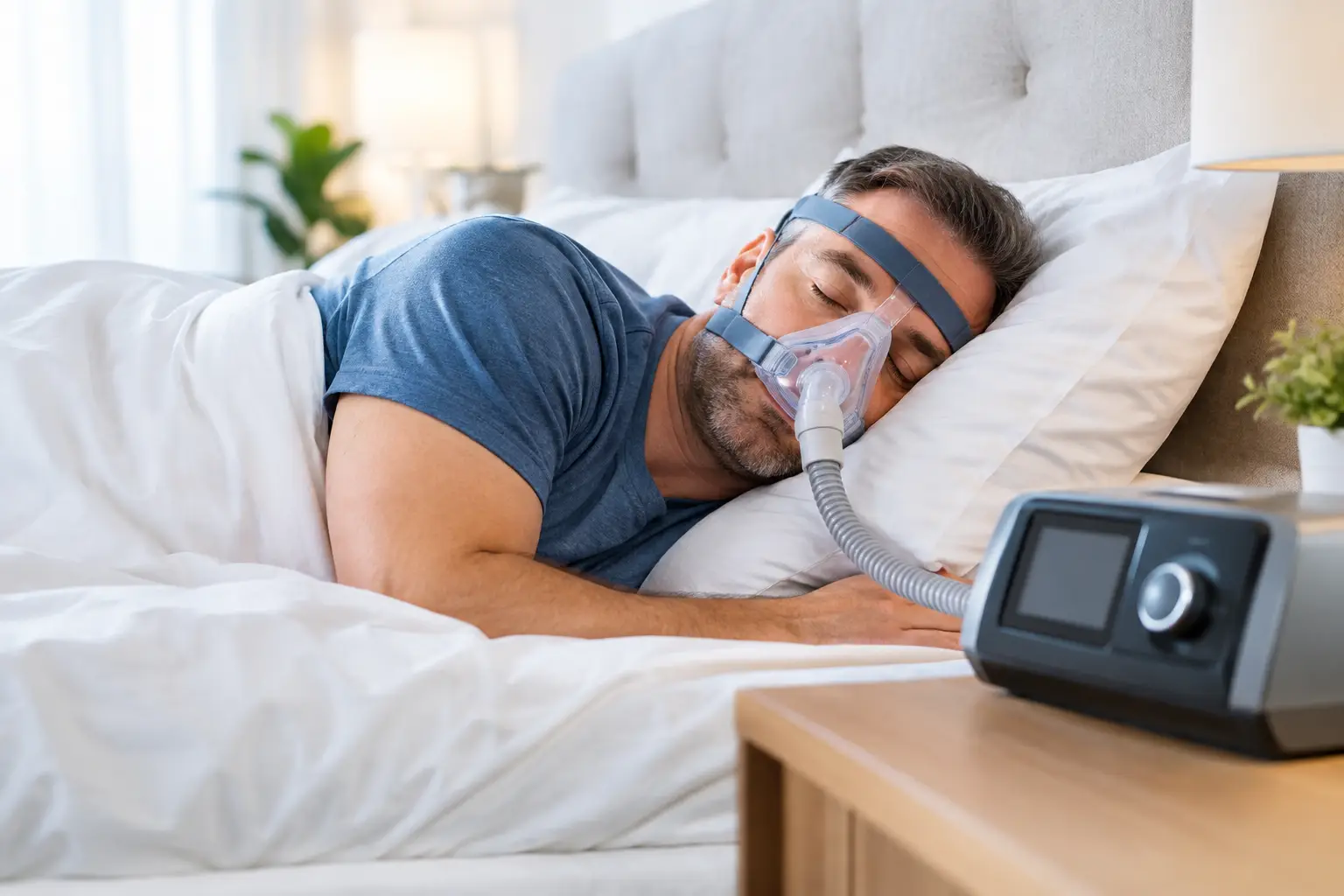
A bed partner may notice the first warning sign: loud snoring that suddenly stops, followed by a gasp or snort. You may notice something different - waking with a dry mouth, feeling foggy during meetings, or needing more sleep without feeling restored. So, can sleep apnea be cured? For many people, the honest answer is that it can be effectively treated and sometimes brought into remission, but the right expectation depends on the type and cause of apnea.
That distinction matters. Sleep apnea is not just snoring, and untreated obstructive sleep apnea can affect energy, mood, blood pressure, heart health, and daytime safety. A personalized plan can make a meaningful difference in how you sleep and how you feel each day.
Can Sleep Apnea Be Cured, or Managed?
Obstructive sleep apnea, often called OSA, happens when the airway repeatedly narrows or closes during sleep. The brain briefly wakes the body enough to restart breathing, sometimes dozens of times an hour. Many people do not remember these awakenings, but their sleep is still disrupted.
Whether OSA can be cured depends on what is causing the airway to collapse. Weight changes, nasal obstruction, enlarged tonsils, jaw position, tongue size, muscle tone, alcohol use, sleeping position, and certain medications can all contribute. Some causes can be changed. Others are part of a person's anatomy and require ongoing treatment.
For example, a person whose apnea is strongly tied to excess weight may see major improvement, or even remission, after sustained weight loss. A child with enlarged tonsils may improve after appropriate medical treatment. For an adult with a naturally narrow airway or a lower jaw that sits farther back, apnea may be a long-term condition that needs long-term management.
That is not a discouraging answer. Conditions such as high blood pressure and diabetes are often managed rather than permanently eliminated, yet treatment can protect health and improve quality of life. The same is true for sleep apnea. Successful treatment means breathing more consistently, sleeping more soundly, and reducing the health risks associated with repeated oxygen drops and sleep disruption.
A Sleep Study Comes Before the Right Treatment
Snoring alone cannot confirm sleep apnea, and the volume of a snore does not reliably tell you how severe the condition is. A qualified medical provider can arrange a home sleep apnea test or an overnight sleep study to identify whether apnea is present, how often breathing events occur, and whether the condition is obstructive or central.
Central sleep apnea is different from OSA. Instead of a physical airway blockage, the brain does not consistently send the signal to breathe. It may be related to certain medical conditions, medications, altitude, or heart and neurologic concerns. Central sleep apnea needs medical evaluation and should not be treated with an oral appliance alone.
A proper diagnosis also gives your care team a baseline. If weight loss, surgery, or another health change seems to improve symptoms later, repeat testing can show whether apnea is actually in remission. Feeling better is encouraging, but it does not always mean the breathing interruptions have fully resolved.
Treatments That Can Control Obstructive Sleep Apnea
The best treatment is the one that matches your diagnosis, anatomy, health history, and ability to use it consistently. It is common for a sleep physician, primary care provider, and dental sleep medicine provider to work together.
CPAP: Highly Effective When You Can Use It
Continuous positive airway pressure, or CPAP, uses gentle air pressure to keep the airway open while you sleep. It is often recommended for moderate to severe OSA and can be extremely effective when worn consistently and fitted comfortably.
Some patients adjust quickly. Others struggle with mask leaks, dryness, noise, claustrophobia, or removing the mask during sleep. Those challenges deserve attention rather than judgment. Mask adjustments, humidity settings, and coaching may make CPAP much easier to tolerate. If CPAP remains difficult to use, there may be another evidence-based option depending on the severity of your condition.
Oral Appliance Therapy: A Comfortable Option for Many Adults
A custom oral appliance is worn over the teeth at night. It gently moves the lower jaw forward, helping create more room behind the tongue and reducing airway collapse. For adults with mild to moderate OSA, or those with severe OSA who cannot tolerate CPAP, a custom appliance may be recommended by a sleep physician.
This is not the same as an over-the-counter mouthguard. Effective oral appliances are fitted and adjusted specifically for your bite and airway needs. Follow-up matters because the appliance must be comfortable enough to wear regularly while protecting the teeth, jaw joints, and bite.
At Seattle Oral Care, oral appliance therapy is provided by an AADSM-certified prosthodontist in coordination with a patient's medical sleep team. That coordination helps ensure that the appliance supports a diagnosed sleep condition rather than simply trying to quiet snoring.
An appliance can be a particularly practical choice for people who travel frequently, feel anxious wearing a CPAP mask, or want a quieter treatment that fits easily into a nighttime routine. Still, it is not right for everyone. Significant jaw-joint pain, certain dental conditions, or a lack of stable teeth may require another approach or dental treatment first.
Lifestyle and Positional Changes: Helpful, Sometimes Enough
For some people, reducing alcohol near bedtime, avoiding sedative medications unless prescribed and reviewed by a physician, stopping smoking, and changing sleep position can reduce OSA symptoms. Sleeping on the side can be especially helpful when apnea is substantially worse on the back.
Weight management can also reduce the severity of OSA for people whose weight is a contributing factor. The goal should be sustainable health changes, not blame. Sleep apnea can affect people at many body sizes, and anatomy still matters even after weight loss.
These changes may be enough for mild, position-dependent apnea. For moderate or severe OSA, they are usually most effective as part of a broader plan, not as a substitute for proven treatment.
Surgery and Other Medical Options
Surgery may be considered when there is a clear anatomical blockage, such as enlarged tonsils or certain nasal and jaw structures. Procedures vary widely, and results depend on the source of the obstruction. Some patients benefit greatly, while others still need CPAP or an oral appliance afterward.
Certain adults may also qualify for implanted nerve stimulation therapy or other specialized treatments when CPAP has not worked. These decisions require a detailed discussion with a sleep specialist because the benefits, risks, recovery, and eligibility criteria are different for every option.
What “Cured” Should Mean for You
It is understandable to want a permanent fix. But a better question may be: what treatment will reliably protect my breathing and fit my life? A therapy only works when it is used. The most clinically powerful option is not always the most realistic option for every patient.
If your OSA improves after a major health change, do not stop treatment on your own. Ask your sleep physician about repeat testing. If the study shows that breathing events have resolved, treatment recommendations can change with confidence. If apnea remains, you will know that continuing care is protecting more than just a quiet bedroom.
You should also speak with a clinician promptly if you have witnessed pauses in breathing, excessive daytime sleepiness, morning headaches, uncontrolled high blood pressure, or drowsiness while driving. These symptoms warrant more than a new pillow or a snoring app.
A sleep apnea diagnosis does not mean you are destined for exhausted mornings or an uncomfortable treatment you cannot use. With a clear diagnosis, thoughtful follow-up, and a plan built around your needs, better breathing at night can become a dependable part of your life.