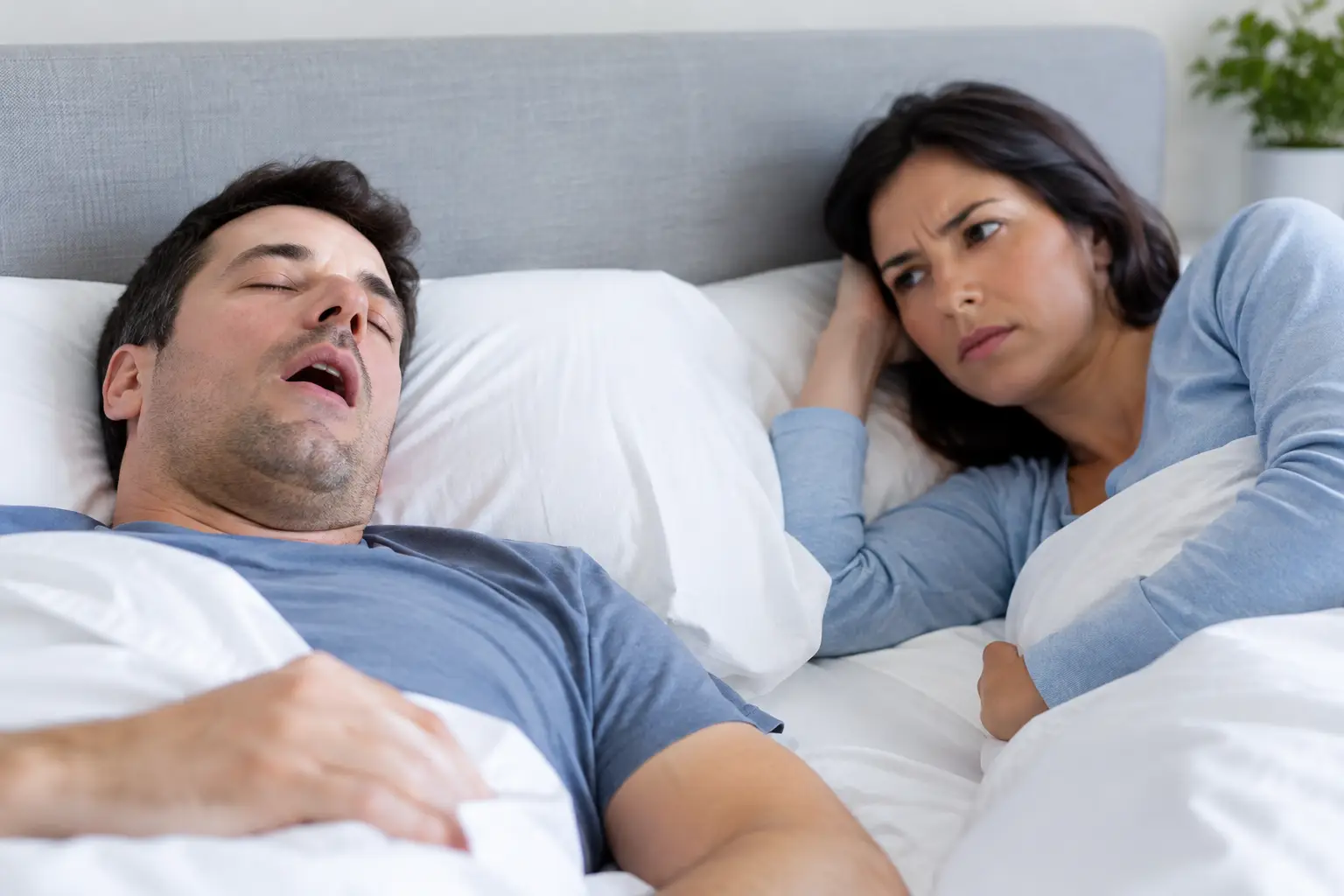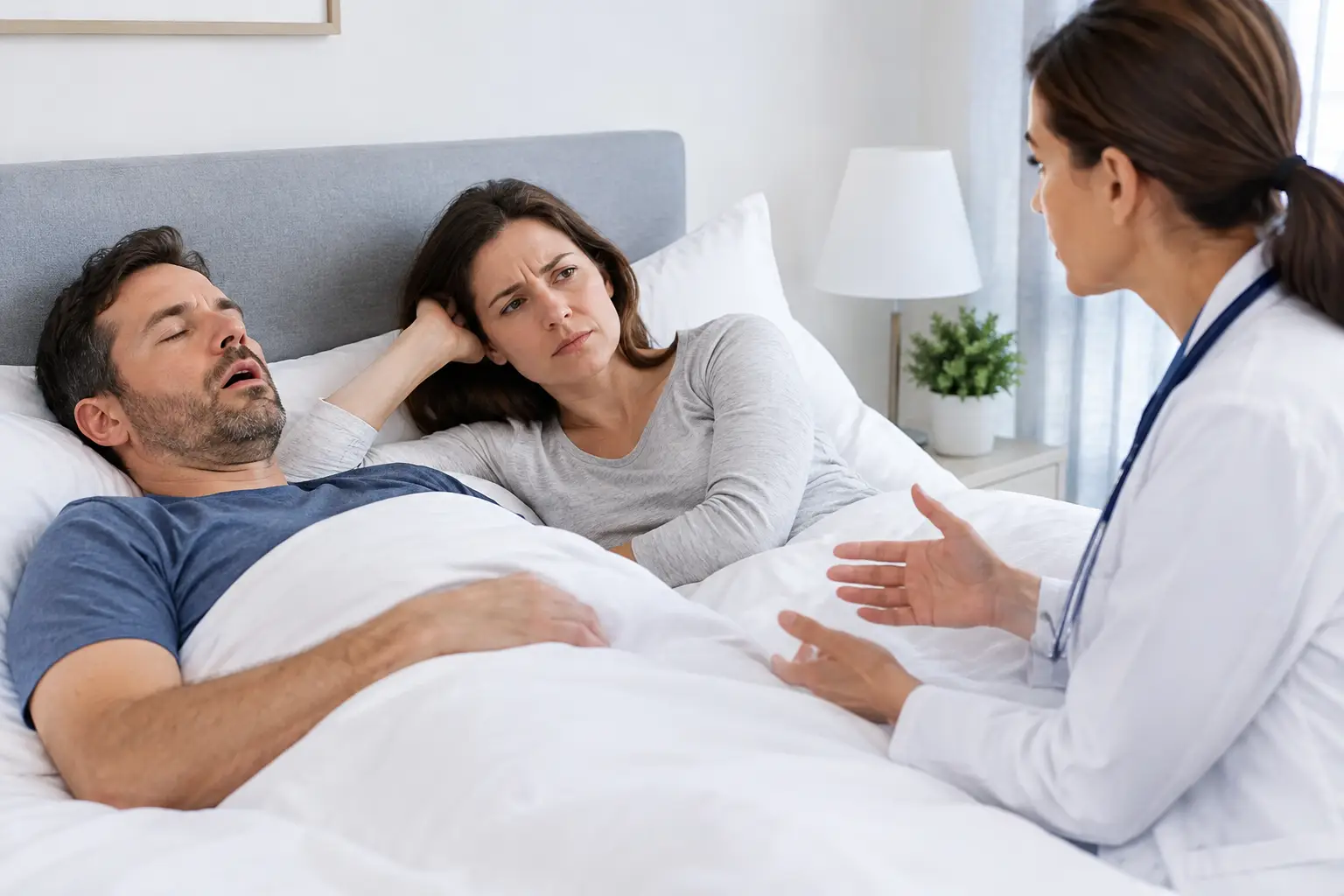
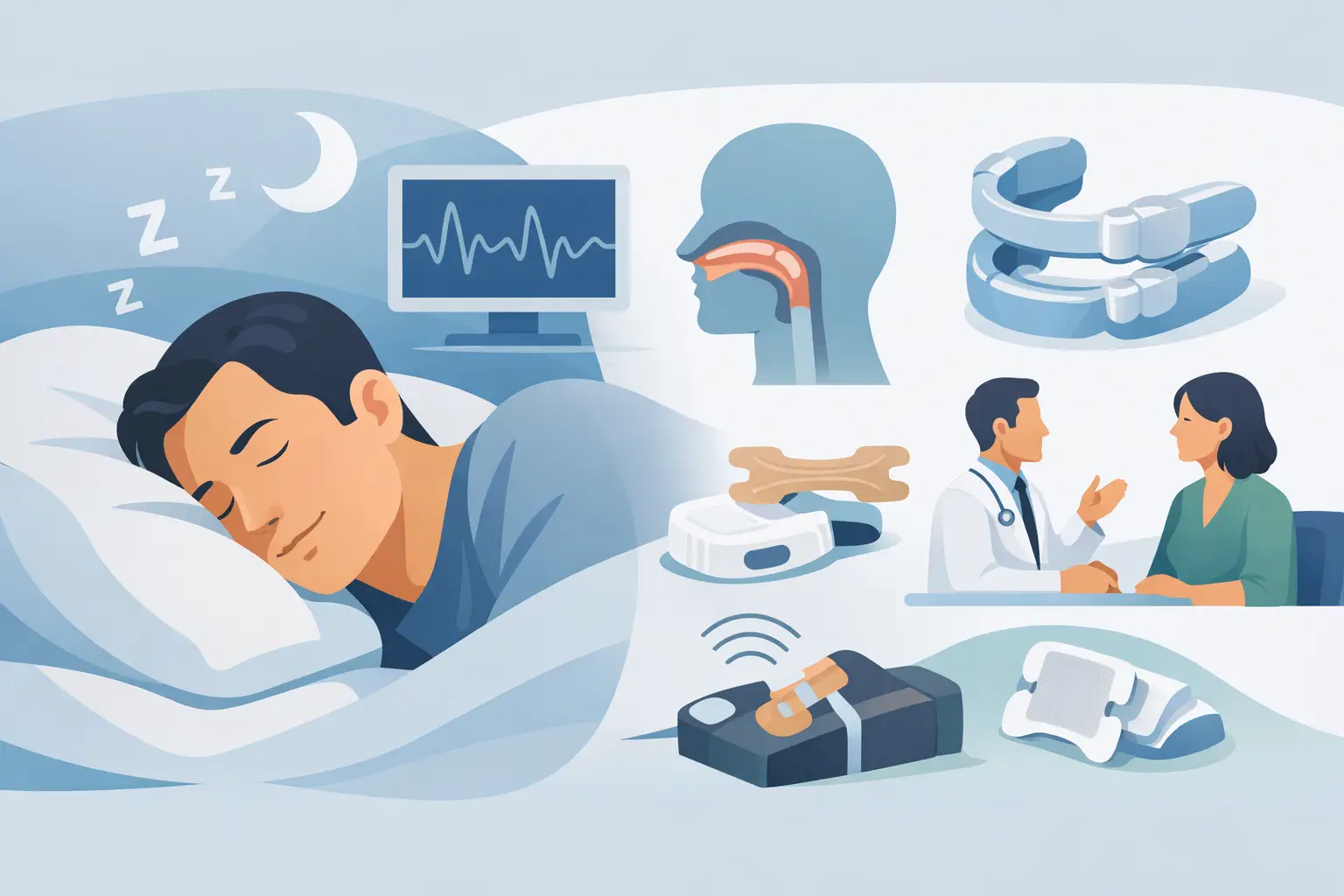
Waking up tired after a full night in bed is frustrating. If a CPAP mask feels uncomfortable, noisy, or simply difficult to use consistently, you may be looking for sleep apnea treatment without CPAP . For many adults with obstructive sleep apnea, effective alternatives are available, but the right choice starts with a proper diagnosis and a plan built around your breathing, health, and daily life.
First, Know What Type of Sleep Apnea You Have
Not all sleep apnea is the same. Obstructive sleep apnea, or OSA, happens when the muscles and soft tissues in the throat relax during sleep and narrow or block the airway. It is the most common form and is often connected with loud snoring, gasping, morning headaches, daytime fatigue, and trouble concentrating.
Central sleep apnea has a different cause involving the brain's signals to breathe. An oral appliance is not a treatment for central sleep apnea. That distinction is why a sleep study and guidance from a qualified medical provider matter before choosing an alternative to CPAP.
Oral Appliance Therapy for Obstructive Sleep Apnea
For people with mild to moderate OSA, and for some people with severe OSA who cannot tolerate CPAP, a custom oral appliance may be an effective option. This small device is worn over the teeth while you sleep. It gently brings the lower jaw forward, helping keep the airway more open.
Unlike an over-the-counter night guard or a one-size-fits-all snoring product, a prescription oral appliance is designed from detailed impressions or digital scans of your teeth. It should be fitted, adjusted, and monitored by a dentist with training in dental sleep medicine. The goal is not simply to reduce snoring. It is to improve nighttime breathing while protecting your teeth, jaw joints, and bite.
Many patients appreciate that an oral appliance is quiet, compact, and easy to travel with. It can be especially helpful for people who remove their CPAP mask during the night or avoid using it altogether. Still, comfort and effectiveness depend on the fit, the appliance design, your jaw anatomy, and regular follow-up care.
What to Expect With an Oral Appliance
A thorough evaluation typically includes a review of your sleep study, medical history, symptoms, teeth, gums, bite, and jaw joint health. Your dentist works in coordination with your sleep physician, who confirms the diagnosis and helps determine whether oral appliance therapy is appropriate.
After the appliance is made, it is adjusted gradually to find a position that supports breathing without creating unnecessary jaw discomfort. A follow-up sleep test may be recommended to confirm that the treatment is working. This step is important because feeling less tired is encouraging, but it does not always show whether apnea events have been adequately controlled.
Other Sleep Apnea Treatment Without CPAP Approaches
Lifestyle changes can make a meaningful difference, particularly when they are part of a broader treatment plan. Weight loss may reduce airway obstruction for some people, although it is not a quick fix and does not eliminate sleep apnea in every case. Sleeping on your side instead of your back can also reduce airway collapse for people whose apnea is position-dependent.
Avoiding alcohol and sedating medications near bedtime may help because they can relax throat muscles and worsen obstruction. Treating nasal congestion, maintaining regular sleep habits, and stopping smoking can support better breathing as well. These steps are valuable, but they should not replace prescribed treatment when sleep apnea is moderate or severe.
Some patients may be candidates for treatment from an ear, nose, and throat specialist, including surgery to address specific anatomical concerns. Others may benefit from newer therapies, such as hypoglossal nerve stimulation, when they meet strict medical criteria. These options are not right for everyone, which is why individualized evaluation matters more than a one-size-fits-all answer.
When CPAP May Still Be the Best Choice
CPAP remains a highly effective treatment for many people, especially those with severe obstructive sleep apnea, certain medical conditions, or oxygen levels that drop significantly overnight. If the problem is the mask, pressure settings, dryness, or noise, adjustments to the equipment may improve your experience.
Treatment does not have to be all or nothing. Some patients use an oral appliance while traveling and CPAP at home. Others use both therapies together when lower CPAP pressure and jaw support improve comfort. The best plan is the one you can use consistently and that has been verified to protect your health.
At Seattle Oral Care, oral appliance therapy is guided by an AADSM-certified prosthodontist and coordinated with your sleep physician. If snoring, fatigue, or CPAP discomfort is affecting your life, a consultation can help you understand whether a custom appliance is a safe fit for your needs. Better sleep begins with an answer that is both comfortable and clinically sound.