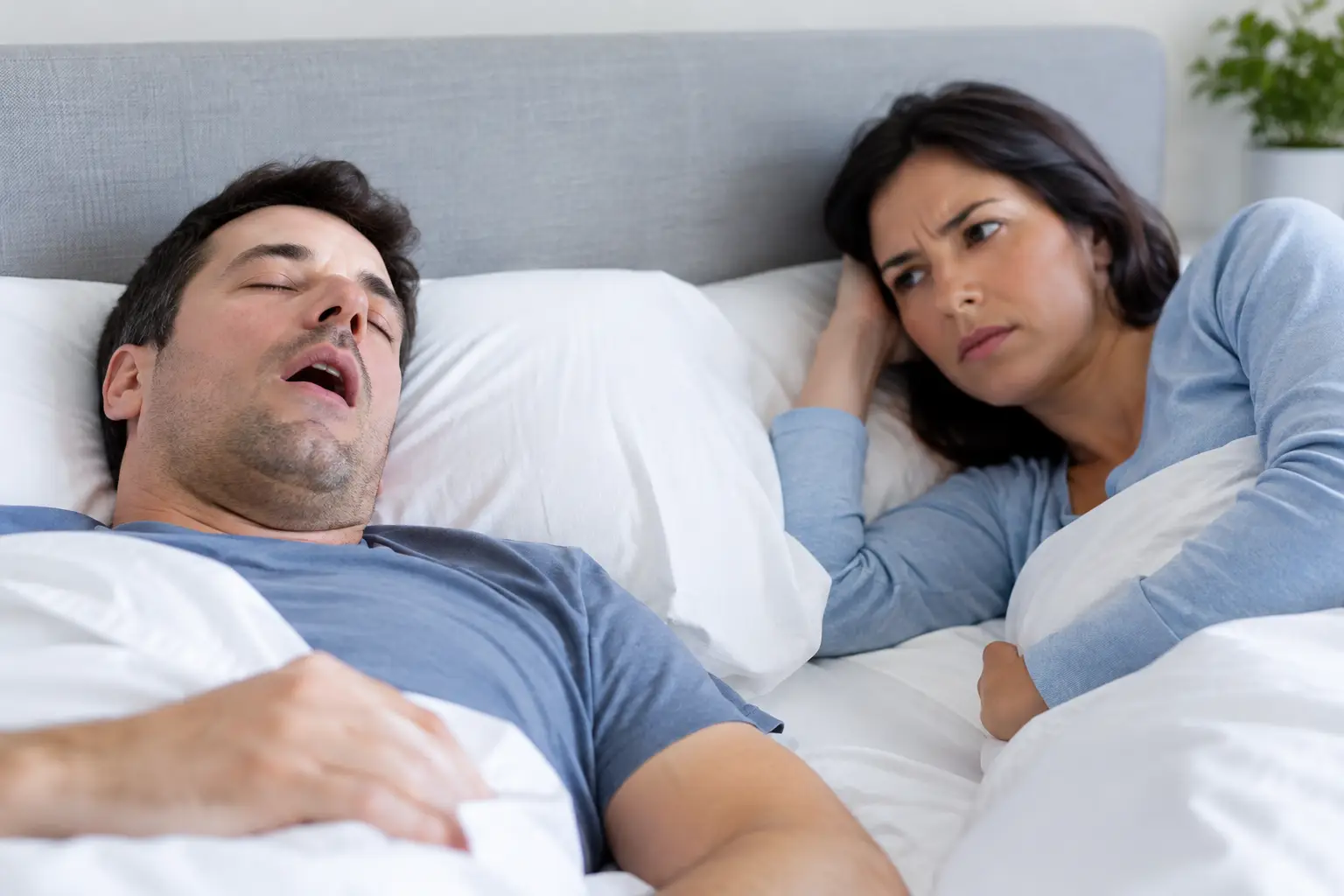
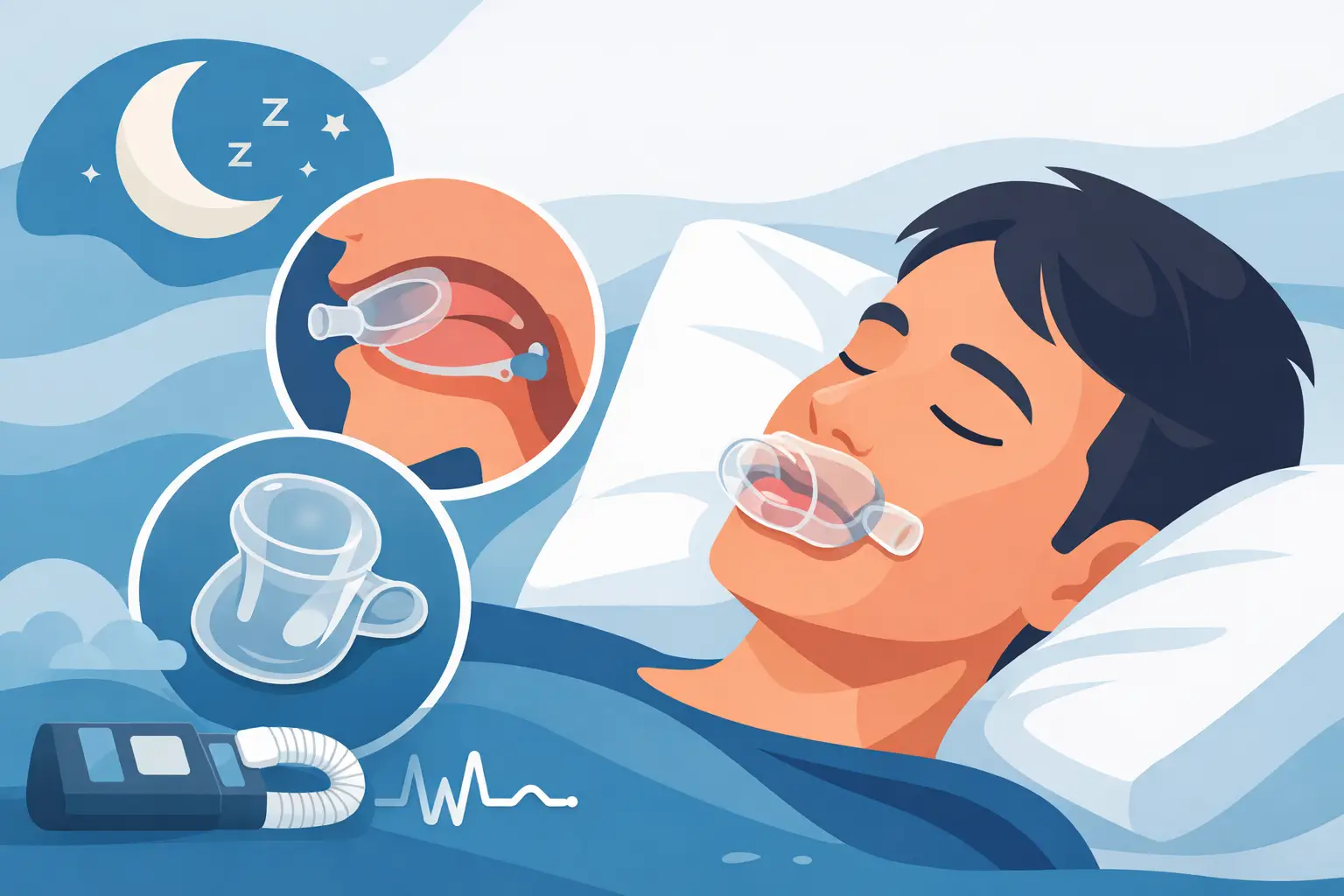
A tongue retaining device for snoring can look deceptively simple: a soft silicone mouthpiece with a small bulb at the front. Yet for the right person, it may help keep the airway more open during sleep without moving the jaw. The key is knowing whether snoring is the only concern or a sign of obstructive sleep apnea, a condition that deserves proper diagnosis and personalized care.
How does a tongue retaining device work?
A tongue retaining device, also called a tongue stabilizing device or tongue suction device for snoring, uses gentle suction to hold the tongue slightly forward. During sleep, the tongue and other soft tissues can relax backward toward the throat. When that narrows the airway, the tissues may vibrate and create snoring. In some people, the airway may close repeatedly, causing obstructive sleep apnea.
The device has an opening where the tongue rests. A person gently places the tip of the tongue into the flexible bulb and squeezes out air. As the bulb returns to its shape, it creates light suction that helps keep the tongue forward. The lower jaw is not repositioned.
This design can be useful when the tongue is a major contributor to airway blockage or when someone cannot comfortably wear an appliance that advances the lower jaw. It is not, however, a one-size-fits-all answer. Snoring can come from several areas, including the tongue, soft palate, nasal passages, body position, alcohol use, and excess tissue around the airway.
Tongue stabilizing device for sleep apnea: when is it appropriate?
A tongue stabilizing device for sleep apnea may be considered for some adults with diagnosed obstructive sleep apnea , particularly when CPAP is not tolerated or a mandibular advancement appliance is not a good fit. A TRD for sleep apnea should be chosen only after a sleep evaluation and with guidance from a qualified sleep physician and dental sleep medicine provider.
Snoring alone does not tell us how serious the problem is. Loud, frequent snoring combined with gasping, witnessed breathing pauses, morning headaches, dry mouth, daytime sleepiness, or trouble concentrating may point to sleep apnea. Untreated sleep apnea is associated with higher risks for high blood pressure, heart problems, impaired driving, and reduced quality of life.
A home sleep apnea test or an in-lab sleep study can identify how often breathing disruptions occur and how much oxygen levels are affected. That information matters because a device that reduces noise may not adequately treat airway collapse. Follow-up testing is often needed to confirm that an oral appliance is controlling sleep apnea effectively.
For moderate to severe sleep apnea, CPAP remains a highly effective treatment for many patients. Oral appliance therapy can also be an effective option for appropriately selected patients, and some people use it alongside CPAP or positional therapy. The right plan depends on the severity of sleep apnea, anatomy, symptoms, medical history, and ability to use treatment consistently.
Tongue retaining device vs mandibular advancement device
When comparing a tongue retaining device vs mandibular advancement device, the biggest difference is where each appliance applies its support.
A mandibular advancement device, often called a MAD, fits over the teeth and gently holds the lower jaw forward. Because the tongue is attached to the lower jaw, this often moves the tongue forward as well. It can also create more room behind the tongue and may help stabilize the airway. These appliances are typically custom-made and adjusted over time by a trained dental professional.
A tongue retaining device holds the tongue forward directly through suction and does not rely on teeth or jaw movement. This may make it worth considering for someone with loose teeth, significant tooth loss, dentures, jaw discomfort, or a limited ability to move the lower jaw forward. It can also be an alternative for people who experience jaw joint symptoms with a MAD.
Neither device is automatically better. A custom mandibular advancement device is often preferred because it can be carefully fitted, adjusted, and monitored for comfort, bite changes, and treatment response. A tongue retaining device may be more appropriate when dental or jaw factors make a MAD difficult to use. The best choice comes from an airway-focused exam, review of your sleep study, and a conversation about what you can realistically wear every night.
Tongue retaining device side effects to consider
Tongue retaining device side effects are usually manageable, but they can affect whether a person is able to use the appliance consistently. The most common early concerns are tongue tenderness, excess saliva, dry mouth, mild tongue discoloration, and a temporary numb or tingling feeling at the tongue tip. Some people also find the sensation of suction uncomfortable or have trouble keeping the device in place through the night.
In some cases, the tongue can become sore or irritated when suction is too strong, the device is poorly sized, or use is increased too quickly. Nasal congestion can also make any oral device feel more difficult because people naturally want to breathe through their mouth when their nose is blocked.
A device should not cause significant pain, persistent numbness, sores, or bleeding. If it does, stop using it and contact your provider. Patients with tongue lesions, significant gag reflex concerns, certain neurological conditions, or trouble breathing through the nose may need a different approach. Good treatment is not simply about finding an appliance that can be worn. It is about finding one that is safe, comfortable enough for nightly use, and proven to improve breathing.
What makes the best tongue retaining device for snoring?
The best tongue retaining device for snoring is not necessarily the most heavily marketed option or the least expensive one. It is the device that fits the cause of your snoring, feels tolerable, and is used under appropriate clinical guidance when sleep apnea is possible.
A practical device should be made from body-safe materials, have a shape that comfortably accommodates your tongue, and create enough gentle suction to stay in place without causing pain. It should also be easy to clean thoroughly every day. Over-the-counter devices may appeal because they are accessible, but they cannot diagnose sleep apnea, account for dental and medical factors, or verify that your oxygen levels and breathing events have improved.
If you are considering a tongue suction device for snoring, pay attention to what happens beyond the first few nights. Are you still waking unrefreshed? Has your bed partner noticed pauses in breathing? Are you removing the device in your sleep? Those details are clinically meaningful and should guide the next step rather than being dismissed as an adjustment period.
A thoughtful path to better sleep
If snoring is affecting your relationship, energy, or health, start with an evaluation instead of guessing at the cause. A clinician can assess your airway, teeth, gums, jaw function, and sleep-study results to determine whether a tongue-retaining appliance, a custom mandibular advancement device, CPAP, or another treatment is the safer fit.
At Seattle Oral Care, sleep-focused oral appliance care is guided by an AADSM-certified prosthodontist who considers both airway health and long-term dental comfort. You deserve a plan that addresses more than the sound of snoring and helps you wake up with greater confidence in your breathing.