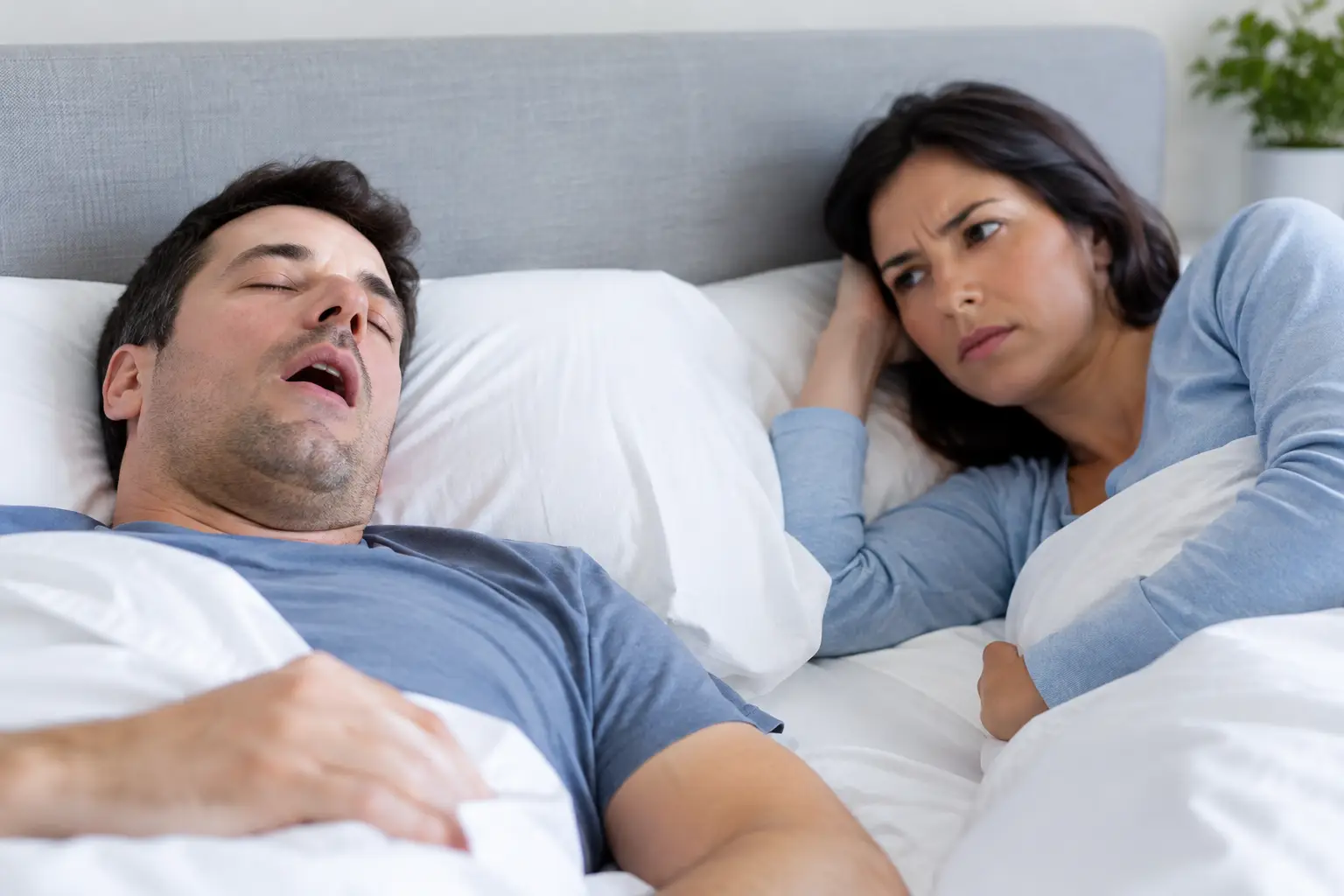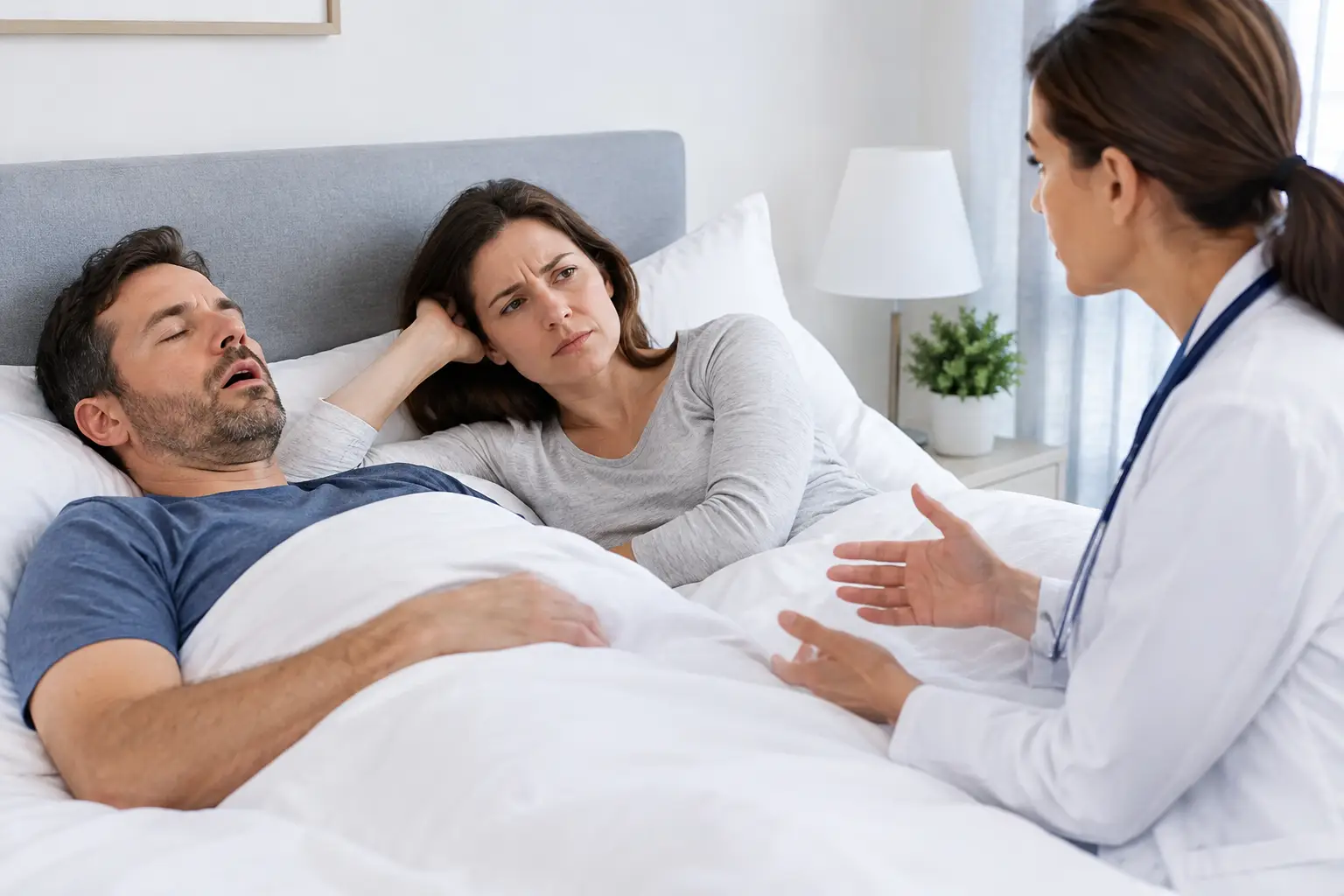
A loud snore may seem like a nighttime nuisance, but when it comes with gasping, pauses in breathing, morning headaches, or persistent daytime fatigue, it can signal obstructive sleep apnea. What Is a Mandibular Advancement Device? It is a custom oral appliance that can help keep the airway open during sleep by gently moving the lower jaw forward.
For many adults, a mandibular advancement device offers a comfortable, travel-friendly alternative to CPAP therapy. It is not right for every patient, but for the right candidate, it can mean quieter nights, better rest, and more energy during the day.
What Is a Mandibular Advancement Device?
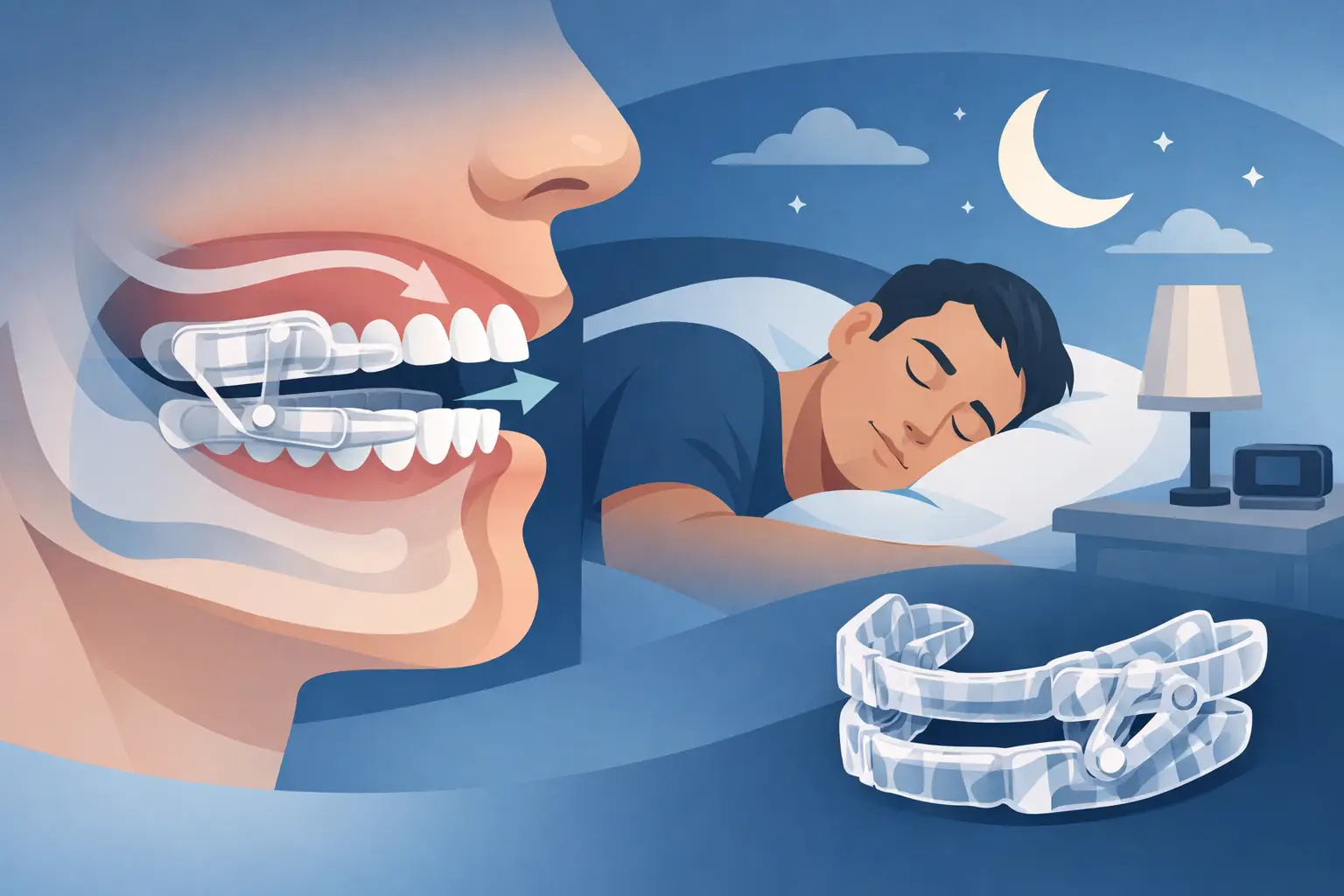
A mandibular advancement device, often called a MAD, is a small appliance worn over the upper and lower teeth while you sleep. It is made of two connected trays that fit securely over your teeth, much like a protective retainer or athletic mouthguard.
The device holds the lower jaw slightly forward. That forward position helps prevent the soft tissues in the throat from collapsing into the airway, a common cause of snoring and obstructive sleep apnea. It may also bring the tongue forward, creating more room for air to move freely.
A MAD is not a generic, boil-and-bite mouthguard. A professionally made appliance is custom-designed for your bite, teeth, jaw joints, and sleep needs. It can also be adjusted in small increments over time to find a position that improves breathing while remaining as comfortable as possible.
Who Can Benefit From a Mandibular Advancement Device?
Oral appliance therapy is commonly used for adults with primary snoring, mild to moderate obstructive sleep apnea, or severe sleep apnea when CPAP is not tolerated or preferred. Some patients use a mandibular advancement device alongside CPAP, such as when traveling or when lower CPAP pressure may improve comfort.
A sleep physician should diagnose sleep apnea and help determine whether oral appliance therapy is appropriate. Snoring alone does not always mean sleep apnea, and untreated sleep apnea can affect blood pressure, heart health, concentration, mood, and daytime safety.
Your dental evaluation matters, too. A mandibular advancement device relies on healthy teeth and gums for support. Your dentist will look at your bite, jaw movement, existing crowns or bridges, dental implants, gum health, and signs of teeth grinding. Patients with active gum disease, significant tooth mobility, certain jaw-joint conditions, or too few stable teeth may need other treatment options first.
How Is a Custom Sleep Appliance Made?
The process begins with a detailed consultation and a review of your sleep study or physician referral. At Seattle Oral Care, sleep-focused oral appliance treatment is provided by an AADSM-certified prosthodontist, with attention to both airway improvement and long-term dental health.
Digital scans or impressions are used to create an appliance that fits precisely. Once it is ready, you will receive guidance on placing, removing, cleaning, and adjusting it. Most appliances are adjusted gradually rather than moved aggressively all at once. This gives your jaw and muscles time to adapt while allowing the care team to monitor your response.
Follow-up appointments are part of successful treatment. Your provider will check the fit, comfort, bite changes, and jaw function. A follow-up sleep test is often recommended to confirm that the appliance is adequately controlling sleep apnea, not simply reducing the sound of snoring.
What Does It Feel Like to Wear One?
Many people adapt to a mandibular advancement device within the first few weeks. Early side effects can include temporary tooth tenderness, extra saliva or dry mouth, mild jaw soreness, and a temporary change in the way the teeth meet in the morning. These issues are often manageable with careful adjustment and regular follow-up.
Long-term use can cause bite changes in some patients. That is one reason a custom device and ongoing dental monitoring are so valuable. A provider can make adjustments early and recommend exercises or a morning repositioning guide when appropriate.
Comfort is also a practical advantage. The appliance is quiet, compact, and does not require electricity. For people who find a CPAP mask difficult to tolerate, that simplicity can make consistent treatment feel more realistic. Still, CPAP remains the most effective first-line treatment for many cases of moderate to severe sleep apnea, particularly when symptoms or medical risks are significant.
Mandibular Advancement Device vs. Store-Bought Snoring Guard
Over-the-counter snoring guards may look similar, but they are not a substitute for a custom medical oral appliance. They cannot be tailored precisely to your bite, monitored for dental side effects, or used to verify treatment for diagnosed sleep apnea. A poorly fitting device can cause jaw pain, damage teeth, or delay appropriate care.
If snoring is affecting your sleep, your partner's sleep, or your daytime energy, start with a conversation and a proper evaluation. The goal is not just a quieter bedroom. It is a treatment plan that helps you breathe more comfortably and protects your health over time.