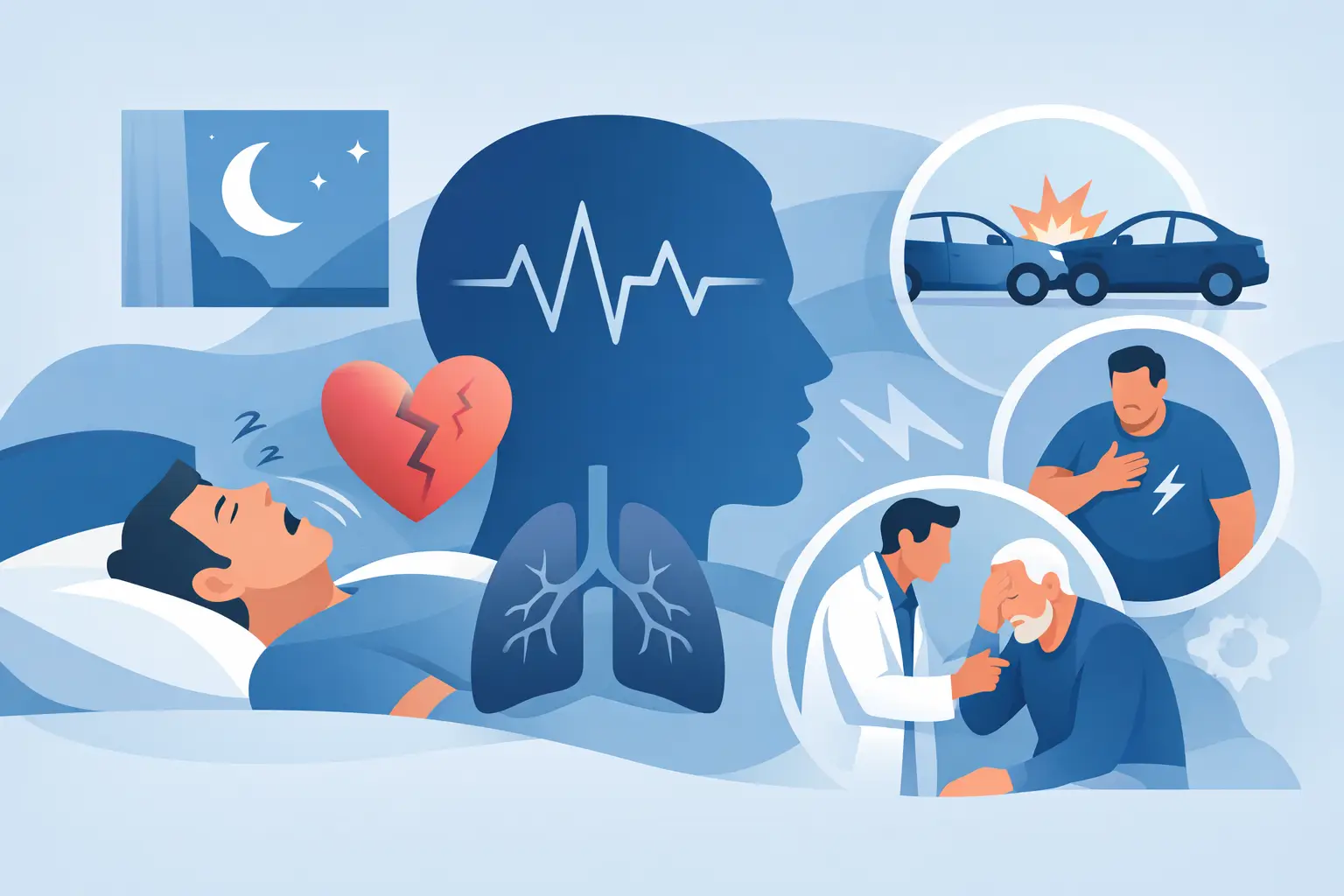
Waking up tired after a full night in bed is not something you should have to push through. When loud snoring, gasping, morning headaches, or daytime exhaustion become routine, untreated sleep apnea risks can extend far beyond poor sleep. They can affect your heart health, concentration, relationships, and ability to feel like yourself during the day.
Sleep apnea is common, treatable, and often overlooked. Many people assume snoring is simply annoying or that fatigue is an unavoidable part of a busy life. But obstructive sleep apnea, the most common form, causes the airway to narrow or close repeatedly during sleep. Each pause in breathing can lower oxygen levels and trigger brief awakenings, even if you do not remember them the next morning.
Why Untreated Sleep Apnea Risks Build Over Time
A single restless night can leave anyone irritable and unfocused. Sleep apnea is different because the interruptions can happen dozens of times an hour, night after night. Your body responds as though it is repeatedly under stress: breathing resumes, the heart rate may rise, and sleep is disrupted before the deeper restorative stages can last.
The effects vary from person to person. Risk can depend on the severity of apnea, oxygen changes during sleep, age, weight, anatomy, existing medical conditions, alcohol use, and whether someone is taking sedating medications. Not everyone with sleep apnea will develop every complication. Still, treating the condition is about more than quieting snoring. It is about protecting sleep, daily function, and long-term health.
Heart, Brain, and Metabolic Health
Untreated obstructive sleep apnea is associated with high blood pressure, especially blood pressure that remains difficult to control. The repeated drops in oxygen and surges in stress hormones can place extra strain on the cardiovascular system. Over time, sleep apnea may also increase the risk of irregular heart rhythms, coronary artery disease, heart failure, stroke, and other cardiovascular concerns.
For people who already have heart disease, diabetes, or high blood pressure, sleep apnea can make those conditions harder to manage. A sleep evaluation is often a meaningful part of the bigger picture, not a separate issue to put off until later.
Sleep disruption can also affect how the body regulates blood sugar and appetite. Some people notice stronger cravings, weight gain, or difficulty maintaining healthy habits when they are exhausted. Weight and sleep apnea can influence one another, but sleep apnea is not limited to people in larger bodies. Jaw structure, airway anatomy, nasal obstruction, and family history can all play a role.
Daytime Sleepiness Can Become a Safety Issue
The most immediate risk is often one people try hardest to minimize: excessive daytime sleepiness. Sleep apnea can make routine activities feel harder than they should. You may struggle to stay alert in meetings, lose your train of thought, rely heavily on caffeine, or feel drowsy while watching television.
Drowsy driving deserves special attention. Falling asleep for even a few seconds behind the wheel can be dangerous, particularly on longer commutes or late-night drives. If you find yourself fighting sleep while driving, pulling over safely is essential. Do not assume an open window, loud music, or another cup of coffee will reliably solve the problem.
Poor sleep can also affect work performance, reaction time, and decision-making. For parents, caregivers, health care workers, and people whose jobs involve driving or operating equipment, those changes can carry real consequences.
Mood, Memory, and Relationships
Sleep apnea does not cause every case of anxiety, depression, or memory difficulty. However, fragmented sleep can worsen mood, patience, emotional resilience, and concentration. Some patients describe feeling foggy, short-tempered, or unlike themselves before they ever connect those changes to their sleep.
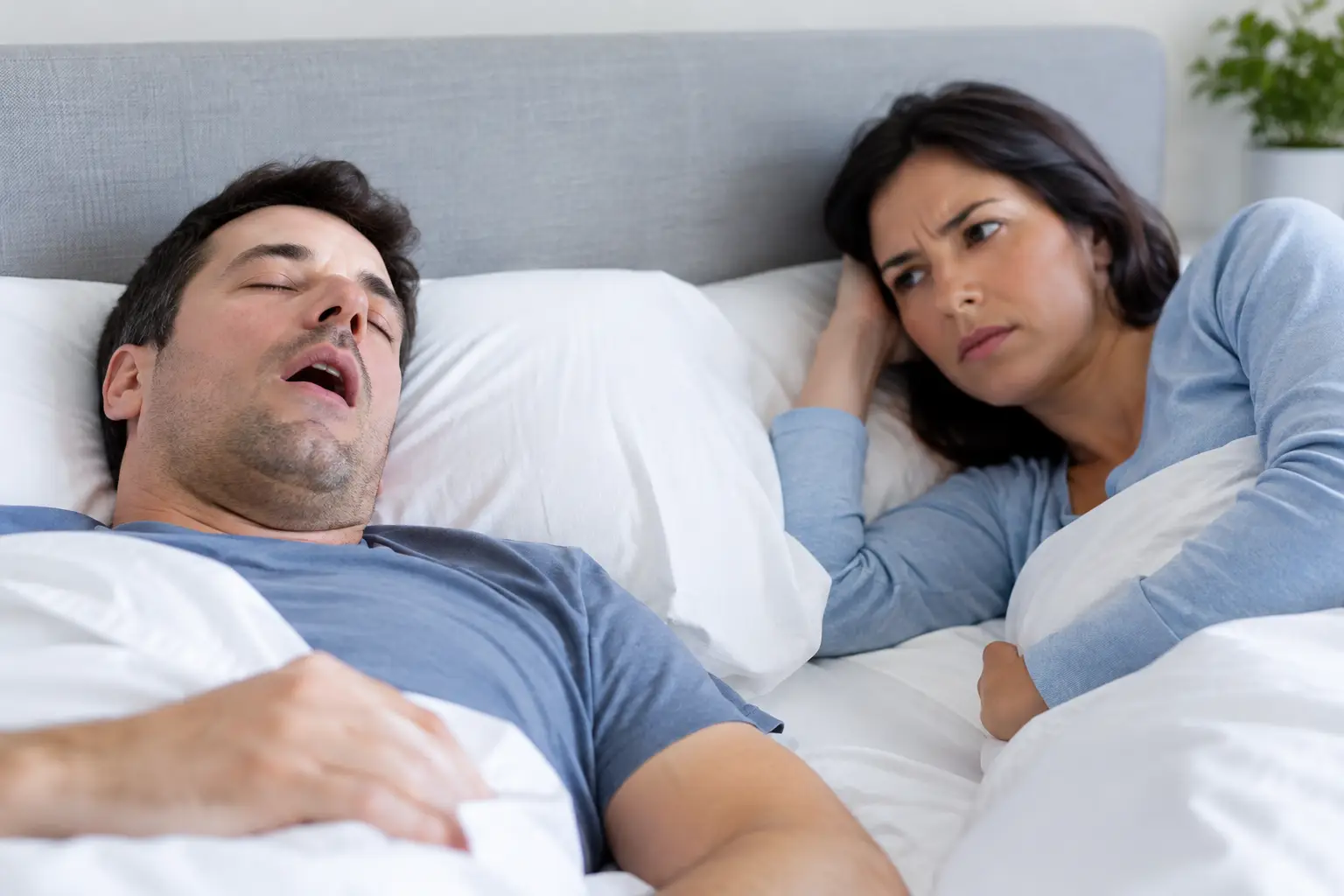
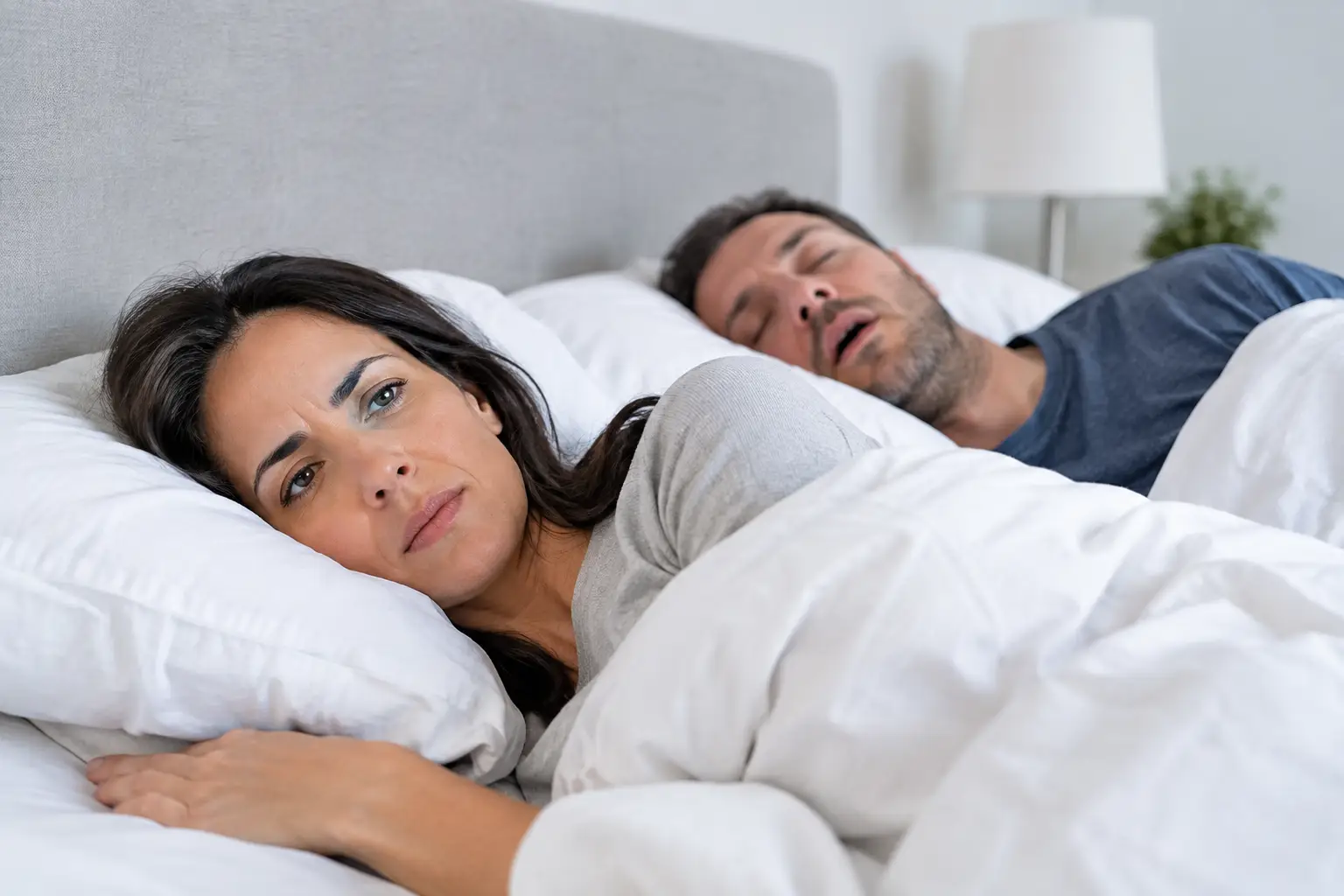
A bed partner may notice the warning signs first: loud habitual snoring, breathing pauses, choking sounds, frequent tossing and turning, or waking up to use the bathroom several times. These symptoms can affect both people in the household. It is understandable to feel embarrassed discussing snoring, but it is a health conversation worth having.
Morning dry mouth, headaches, sore jaw muscles, or tooth grinding may also be part of the picture. These symptoms do not confirm sleep apnea on their own, and dental findings cannot replace a sleep study. They can, however, be useful clues to bring up with your dentist or physician.
When It Is Time to Seek an Evaluation
You do not need to wait until symptoms feel severe. A sleep evaluation is worth discussing if you snore regularly and feel unrefreshed, if someone has observed pauses in your breathing, or if you wake gasping or choking. High blood pressure, atrial fibrillation, type 2 diabetes, a prior stroke, and persistent daytime sleepiness are additional reasons to ask whether sleep apnea may be involved.
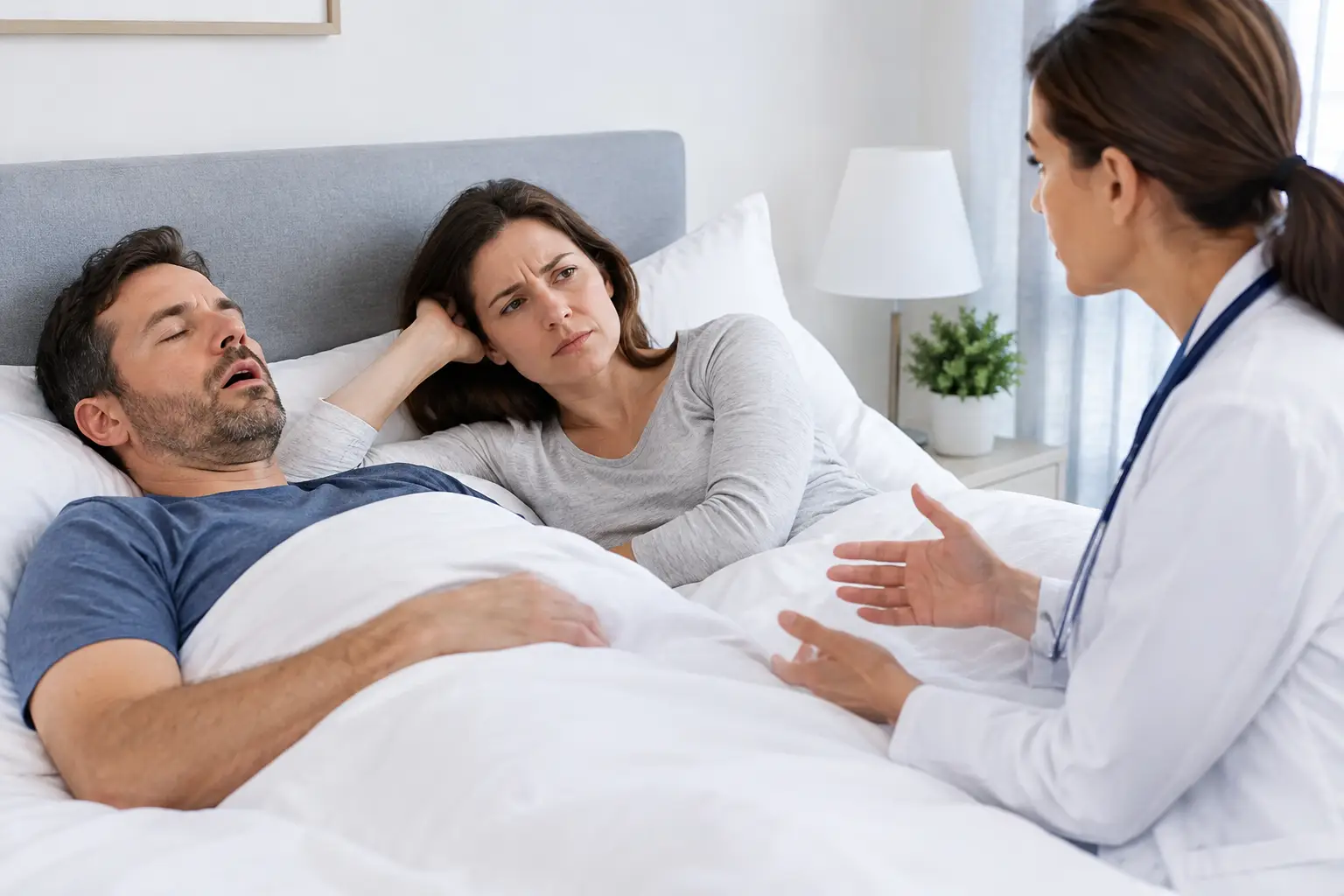
The first step is usually a conversation with a physician or qualified sleep provider. Depending on your health history and symptoms, testing may be completed at home or in a sleep laboratory. A proper diagnosis matters because snoring can occur without sleep apnea, and not every sleep-related breathing condition is obstructive sleep apnea.
If you have chest pain, severe shortness of breath, new neurologic symptoms, or feel too sleepy to drive safely, seek urgent medical help rather than waiting for a routine appointment.
Treatment Should Fit Your Airway and Your Life
Many people delay evaluation because they assume treatment means one uncomfortable option forever. CPAP therapy is highly effective for many patients and remains an important standard of care, particularly for moderate to severe obstructive sleep apnea. Yet it is not the only treatment approach.
For appropriate patients, a custom oral appliance can be an effective alternative to CPAP or part of a coordinated treatment plan. The appliance gently positions the lower jaw and tongue forward to help keep the airway open during sleep. It is very different from an over-the-counter night guard or a boil-and-bite device. A professionally made appliance is designed for your bite, monitored for comfort and jaw health, and adjusted over time.
Oral appliance therapy is often considered for mild to moderate obstructive sleep apnea, for patients who cannot tolerate CPAP, or for those who prefer an alternative when clinically appropriate. The right choice depends on your sleep study, airway, medical history, and personal needs. Follow-up sleep testing helps confirm that treatment is working, because feeling better is encouraging but does not always tell the whole story.
Lifestyle changes may help some people, particularly reducing alcohol close to bedtime, addressing nasal congestion with a medical provider, changing sleep position, and pursuing weight management when recommended. These steps can be valuable, but they should not be used to dismiss ongoing symptoms or replace a diagnosis.
A Calm, Practical Next Step
Sleep apnea treatment is not about blame, and it is not about forcing a one-size-fits-all solution. It is about finding out what is disrupting your breathing and choosing a plan you can realistically use night after night.
At Seattle Oral Care, an AADSM-certified prosthodontist can work with your physician and sleep team when oral appliance therapy is appropriate. You deserve clear answers, a comfortable conversation, and care that supports healthier sleep for the long term.