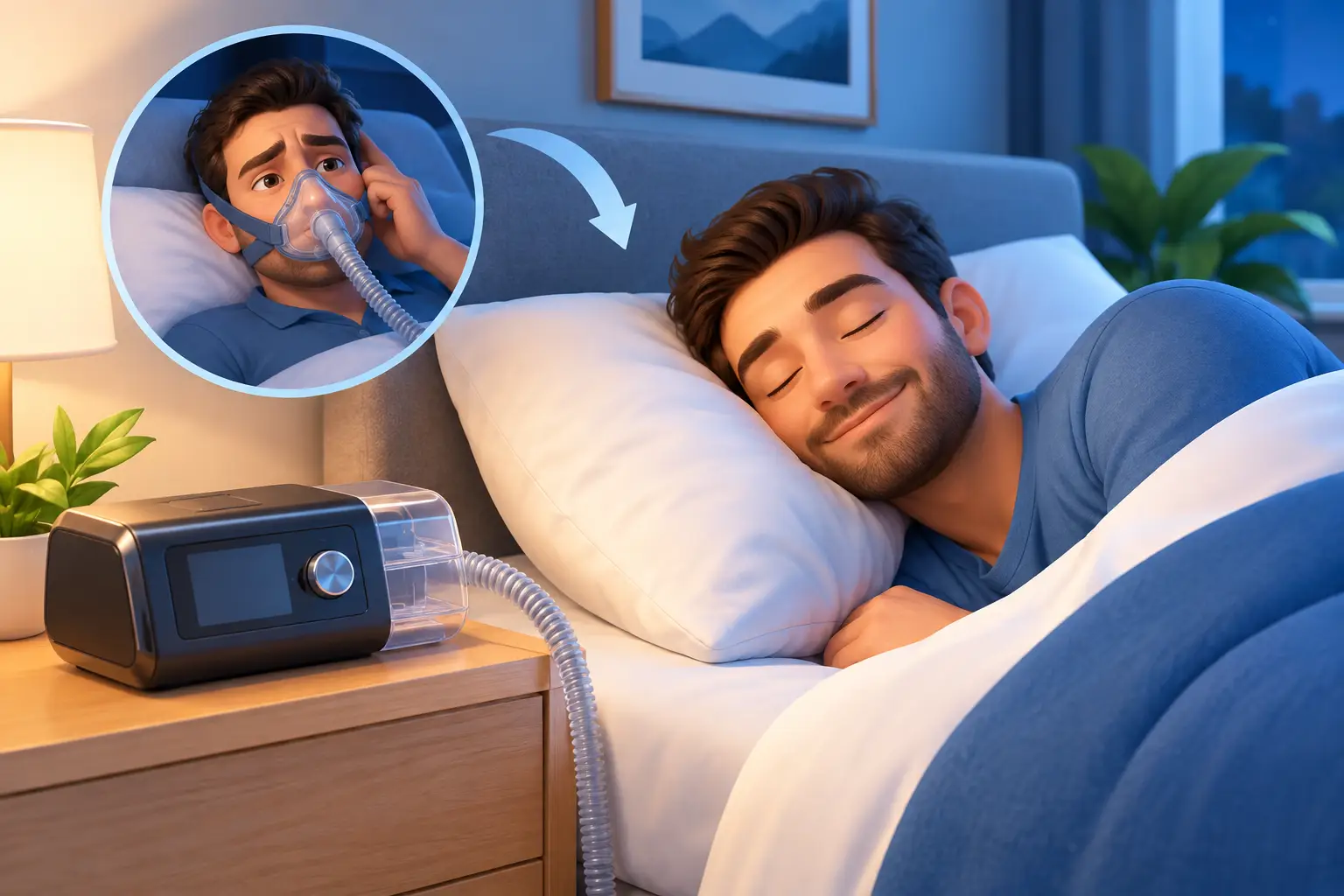
When you wake up after a night of fighting your mask, pulling at tubing, or listening to air leak around your face, it can feel as though CPAP intolerance help is out of reach. It is not. Difficulty using CPAP is common, and it does not mean you have failed treatment or that better sleep is not possible.
Obstructive sleep apnea deserves attention because interrupted breathing can affect your energy, concentration, mood, blood pressure, and long-term health. But effective care has to be care you can actually use. The right next step depends on why CPAP feels difficult, how severe your sleep apnea is, and what your sleep physician recommends.
Start by identifying what makes CPAP hard
“CPAP intolerance” can mean very different things for different people. Some patients feel claustrophobic the moment a mask is in place. Others fall asleep comfortably but wake with a dry mouth, nasal congestion, pressure discomfort, or a noisy leak. Some find the equipment difficult to manage while traveling or feel discouraged because they remove it halfway through the night.
The details matter. If you can describe when the problem happens and what you feel, your sleep team has a better chance of finding a practical solution. Keep a brief note for several nights: when you put the mask on, when you wake up, whether you notice leaks, and whether you feel rested the next day. Your CPAP device may also record useful information about usage and mask leak.
Do not simply stop treatment without speaking with the clinician managing your sleep apnea. Untreated obstructive sleep apnea can carry real health risks, particularly for people with severe apnea or certain heart and lung conditions. There may be a manageable equipment issue behind a very frustrating night.
CPAP intolerance help may begin with small adjustments
Before assuming CPAP will never work for you, ask your sleep physician or equipment provider to review the fit and settings. A mask that is too loose can leak, but a mask tightened too much can create pressure marks and still leak. Facial hair, sleeping position, and the shape of your nose can also affect the seal.
A different mask style can make a meaningful difference. Nasal pillows may feel less confining for some people, while a nasal or full-face mask may work better for others. If you breathe through your mouth at night, treating nasal blockage or discussing a chin strap, humidification, or another mask design may help. The answer is individual, not one-size-fits-all.
Dryness and congestion are also common barriers. Heated humidification, properly adjusted temperature settings, and treatment for allergies or nasal obstruction may improve comfort. Some patients benefit from a gradual acclimation period: wearing the mask while awake for short, relaxed periods can make the sensation less unfamiliar at bedtime.
Pressure discomfort deserves a clinical review. Your prescribing provider may be able to adjust comfort settings, pressure ramp timing, or the type of positive airway pressure device used. Never change prescribed settings on your own. The goal is to make treatment effective and tolerable, not merely to lower pressure.
When an oral appliance may be a practical alternative
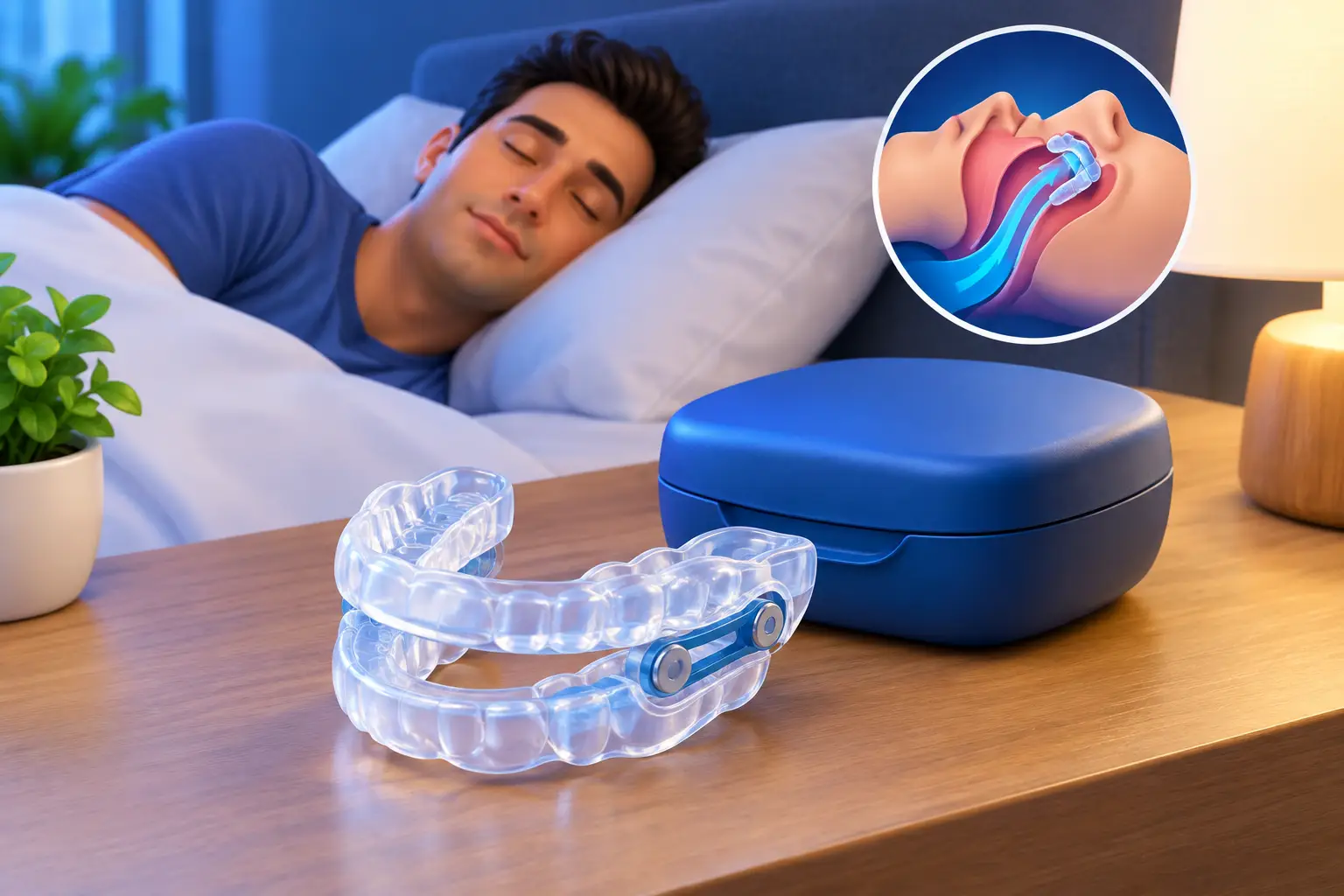
For adults with mild to moderate obstructive sleep apnea, and for some people with severe apnea who cannot tolerate CPAP, a custom oral appliance may be an appropriate option. This small, fitted device is worn during sleep and gently positions the lower jaw forward to help keep the airway open.
Oral appliance therapy is not the same as buying an over-the-counter mouthguard for snoring. A medically appropriate appliance is custom made, carefully adjusted, and monitored by a qualified dental sleep medicine provider in coordination with your sleep physician. The appliance must fit comfortably while protecting the teeth, jaw joints, and bite as much as possible.
Many patients appreciate that an oral appliance is quiet, compact, and easier to pack for travel. It can be especially appealing for people whose main obstacle is mask-related anxiety, skin irritation, or tubing discomfort. Yet it has trade-offs. Some patients experience temporary jaw soreness, tooth tenderness, dry mouth, or bite changes, which is why follow-up care matters.
An oral appliance does not replace a sleep evaluation. Your medical provider should determine whether it is safe and appropriate for your situation, and follow-up sleep testing is often used to confirm that the appliance is controlling apnea effectively. Snoring alone is not a reliable measure of treatment success.
Your teeth, jaw, and bite should be part of the conversation
A dental sleep medicine evaluation looks beyond the appliance itself. Your provider will assess your teeth, gums, jaw movement, bite, and existing dental work. This is particularly valuable if you have missing teeth, dental implants, a history of jaw pain, loose teeth, or extensive restorations.
Patients sometimes worry that an oral appliance will damage crowns or implants. A well-designed appliance can often be planned around restorative work, but every case requires an individual assessment. If dental treatment is needed first, addressing it can help create a more stable and comfortable foundation for sleep therapy.
At Seattle Oral Care, sleep-focused oral healthcare is provided with the same careful planning used for complex restorative dentistry. An AADSM-certified prosthodontist can evaluate whether oral appliance therapy fits your needs while considering the health and long-term function of your smile.
CPAP and oral appliances can work together
Treatment is not always a choice between CPAP or an oral appliance. In certain cases, clinicians may recommend combination therapy. For example, an oral appliance may help support the airway enough that lower CPAP pressure is effective and more comfortable. That lower pressure can reduce leaks, noise, and the feeling of too much air.
Some patients also use different therapies in different circumstances, such as CPAP at home and a clinician-approved oral appliance during travel. This approach is not right for everyone, especially if sleep apnea is severe. It should be planned with your sleep physician rather than used as a personal workaround.
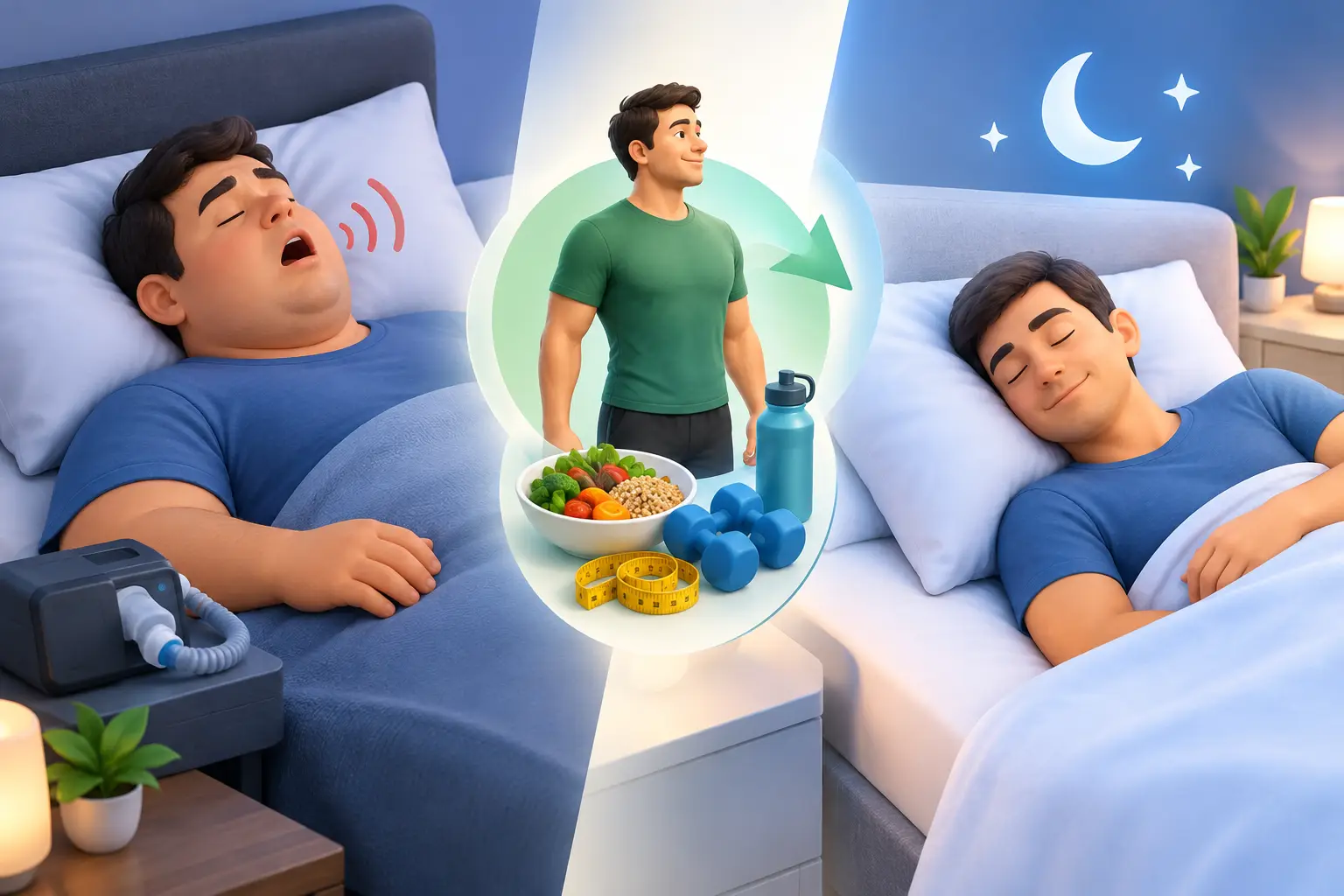
There are other options in select situations, including positional therapy, weight management when appropriate, treatment for nasal obstruction, and certain surgical approaches. These may help address contributing factors, but they should not be presented as quick fixes. Sleep apnea is often influenced by anatomy, sleep position, weight, nasal airflow, and muscle tone. Good treatment plans account for the whole picture.
What to bring to your consultation
A productive appointment starts with clear information. Bring your sleep study report if you have it, along with the name of your prescribing sleep physician and a list of medications. If you use CPAP, bring the device data or ask your provider how to share it. Be honest about how often you wear it and what happens on difficult nights.
It also helps to mention morning headaches, jaw discomfort, tooth grinding, restless sleep, daytime sleepiness, or a bed partner’s observations. These details can guide the conversation and help your care team distinguish between an equipment problem, a dental concern, or a need for additional medical evaluation.
A better night should not depend on forcing yourself through discomfort
You deserve a treatment plan that protects your health and respects your comfort. Sometimes that means a better-fitting CPAP mask. Sometimes it means treating congestion, refining settings, or considering a custom oral appliance under medical guidance. The most helpful path is the one built around your diagnosis, your anatomy, and the realities of your nightly routine.
If CPAP has become a source of dread, bring that experience to a qualified sleep care team. Feeling heard is not a small part of treatment - it is often where a workable solution begins.