Waking up tired after a full night in bed can feel frustrating, especially when loud snoring, gasping, or daytime fatigue is becoming part of everyday life. A sleep apnea mouthpiece may offer a comfortable, effective treatment option for some people with obstructive sleep apnea, but it is not a one-size-fits-all solution or a product to choose without a diagnosis.
For the right patient, a custom oral appliance can help keep the airway open during sleep without a mask, hose, or bedside machine. The difference lies in the fit, the diagnosis, and the ongoing care behind the appliance.
What Is a Sleep Apnea Mouthpiece?
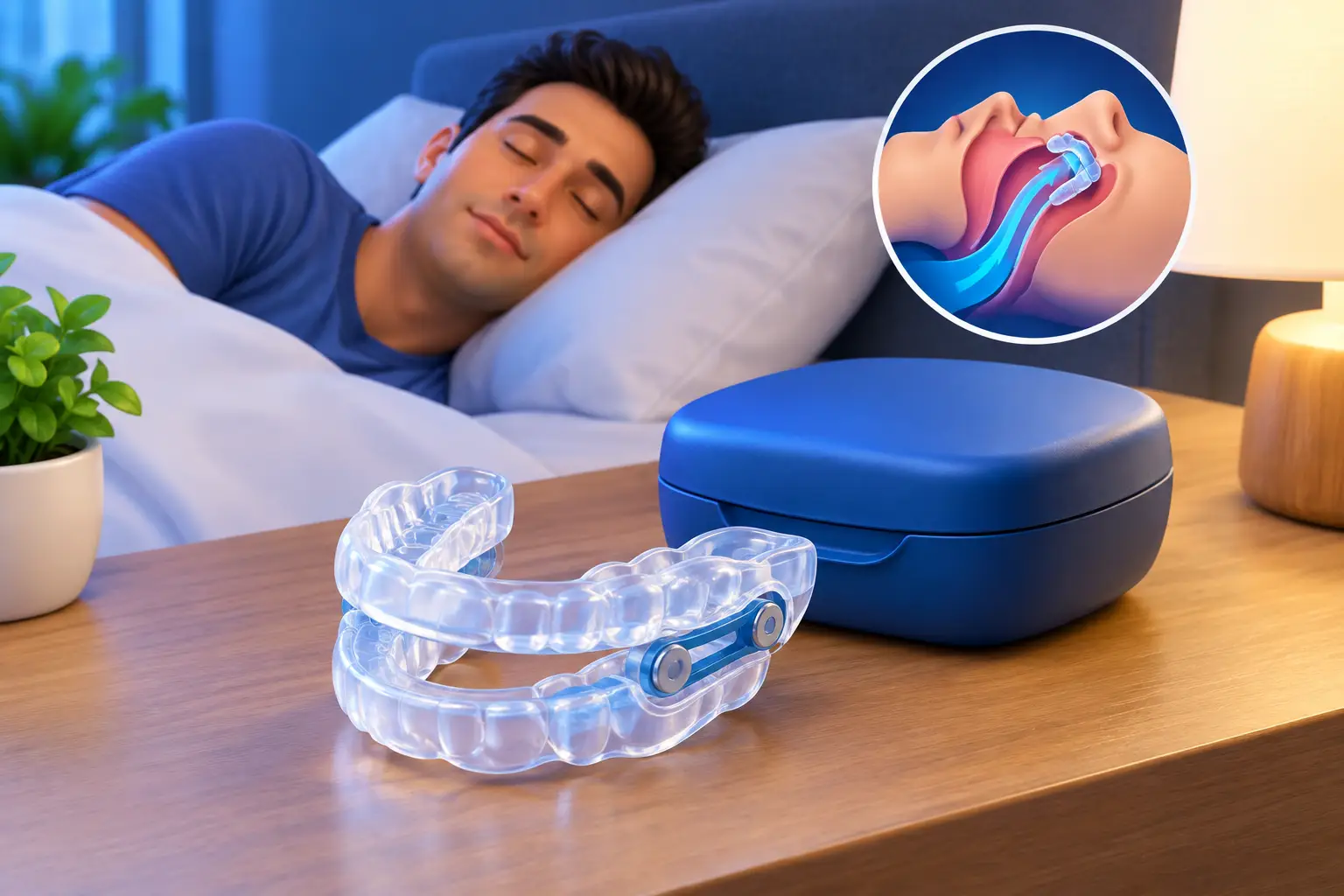
A sleep apnea mouthpiece, also called an oral appliance or mandibular advancement device, is a custom-made device worn over the teeth while you sleep. It gently holds the lower jaw in a forward position. This small movement can help prevent the tongue and soft tissues in the throat from narrowing the airway.
Most sleep apnea mouthpieces are made from durable medical-grade materials and fit much like a protective retainer. They are designed specifically for your bite, teeth, gums, and jaw movement. Unlike over-the-counter devices that may push the jaw forward at a fixed setting, a professionally made appliance can be adjusted in small increments to find a position that supports breathing while remaining as comfortable as possible.
This approach is used primarily for obstructive sleep apnea, or OSA. OSA occurs when throat muscles relax during sleep and repeatedly block or restrict airflow. Those interruptions can lower oxygen levels and disrupt restorative sleep, even when you do not fully remember waking up.
Who May Benefit From an Oral Appliance?
Oral appliance therapy is often considered for adults with mild to moderate obstructive sleep apnea. It can also be an option for people with severe OSA who cannot tolerate CPAP or who need an alternative while working with their sleep physician. For some patients, an oral appliance and CPAP are used together, particularly when lower CPAP pressures make treatment easier to tolerate.
A sleep apnea mouthpiece may be worth discussing if you snore loudly, wake with a dry mouth or headache, feel sleepy while driving, struggle with a CPAP mask, or have a bed partner who notices pauses in your breathing. Snoring alone does not always mean sleep apnea, but it should not be dismissed when it comes with fatigue, gasping, high blood pressure, or witnessed breathing pauses.
Your dental health matters, too. An appliance needs stable teeth and gums for support. People with untreated gum disease, active tooth pain, loose teeth, extensive untreated decay, or significant jaw joint symptoms may need dental care before starting therapy. This does not necessarily rule out treatment. It simply means the plan should be carefully coordinated.
Why a Custom Sleep Apnea Mouthpiece Matters
A device purchased online may seem like a simple answer to snoring. The concern is that snoring can be a sign of a medical sleep-breathing disorder, and an ill-fitting device may cause tooth movement, jaw pain, bite changes, or inadequate airway support.
A custom appliance begins with a medical diagnosis and a detailed dental evaluation. Your dentist considers the health of your teeth and gums, the way your bite comes together, jaw range of motion, existing restorations, and any history of grinding or temporomandibular joint discomfort. Digital scans or impressions are used to create a device that fits securely and evenly.
The appliance is then adjusted gradually. Advancing the jaw too little may not improve breathing. Advancing it too far, too quickly can create soreness or strain. This is why follow-up visits are part of treatment, not an optional extra. Your dentist can assess comfort, make precise adjustments, monitor bite changes, and communicate with your sleep physician about whether additional sleep testing is needed.
Oral Appliance Therapy Compared With CPAP
CPAP remains a highly effective treatment for obstructive sleep apnea. It uses gentle air pressure to keep the airway open, and it is frequently recommended for moderate to severe cases. For many people, CPAP works very well and remains the best choice.
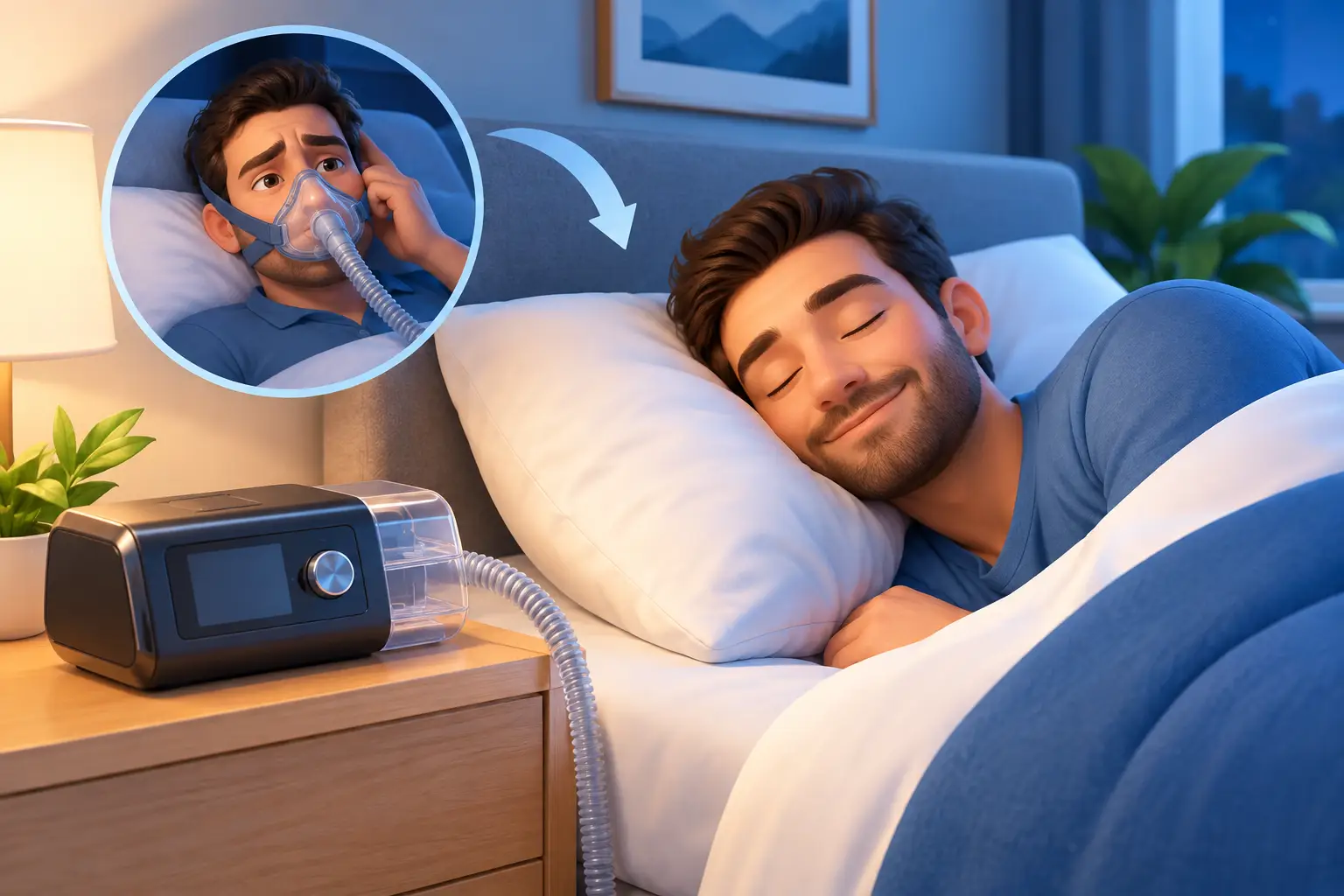
Still, effectiveness in real life depends on consistent use. Some people find a CPAP mask difficult because of claustrophobia, air leaks, dry mouth, skin irritation, noise, or the practical challenge of traveling with equipment. A custom oral appliance is smaller, quiet, and easy to pack. Many patients find it easier to wear consistently.
That convenience is a meaningful benefit, but it does not mean an oral appliance is automatically equivalent to CPAP for every diagnosis. The right treatment depends on sleep study results, oxygen levels, symptoms, anatomy, medical history, and personal tolerance. A thoughtful plan focuses on the therapy you can use safely and reliably night after night.
What the Treatment Process Looks Like
The first step is a conversation about your sleep, health history, symptoms, and prior treatment experience. If you have not had a sleep study, your care team may refer you to a physician or sleep specialist for testing. A home sleep apnea test or an in-lab study can clarify whether sleep apnea is present and how severe it is.
Once oral appliance therapy is recommended, the dentist completes a thorough exam and records your bite. Your custom device is fabricated and fitted at a follow-up visit. You will learn how to insert it, remove it, clean it, and use the adjustment mechanism if your treatment plan includes one.
During the first few weeks, mild pressure on the teeth, temporary jaw stiffness, or extra saliva can occur as you adapt. These effects often improve with gradual adjustment and proper guidance. Persistent pain, clicking, a bite that does not return to normal in the morning, or dental soreness should be addressed promptly rather than ignored.
After the appliance has been adjusted to the appropriate position, follow-up sleep testing is often recommended. This confirms whether the treatment is controlling apnea effectively, not simply reducing noise. You may also receive a small morning repositioning guide to help your jaw return comfortably to its usual bite after wearing the appliance overnight.
Protecting Your Teeth While Treating Your Sleep
A well-made oral appliance can be especially valuable for patients who also grind their teeth, but this needs to be evaluated individually. Sleep-related grinding, worn teeth, crowns, implants, bridges, and dentures all affect appliance design. Patients with complex restorative needs benefit from a dentist who understands both airway therapy and long-term tooth protection.
Regular dental visits remain part of successful treatment. Your dentist can check the fit of the appliance, monitor your gums and bite, inspect restorations, and make sure the device is still working as intended. Oral appliances are durable, but they can wear over time, especially in people who clench or grind.
Cleaning is simple but important. Rinse the appliance each morning, brush it gently with a soft toothbrush and mild soap or an appliance cleaner, and allow it to dry fully in its case. Avoid hot water, which can distort the material. Bring the appliance to dental appointments so its fit and condition can be reviewed.
Questions to Ask Before Choosing a Provider
When considering treatment, ask whether the dentist works in coordination with sleep physicians, how the appliance will be adjusted, and how treatment success will be verified. It is also reasonable to ask about experience with jaw discomfort, existing crowns or implants, and long-term follow-up.
At Seattle Oral Care, oral appliance therapy is provided with a careful, patient-centered approach by an AADSM-certified prosthodontist. That combination of sleep-focused training and restorative expertise can be reassuring when your teeth, bite, comfort, and breathing all need attention.
Better sleep should never require you to guess your way through treatment. If snoring, fatigue, or CPAP discomfort is affecting your days, a professional evaluation can help you understand whether a custom oral appliance is a safe next step toward quieter nights and more rested mornings.