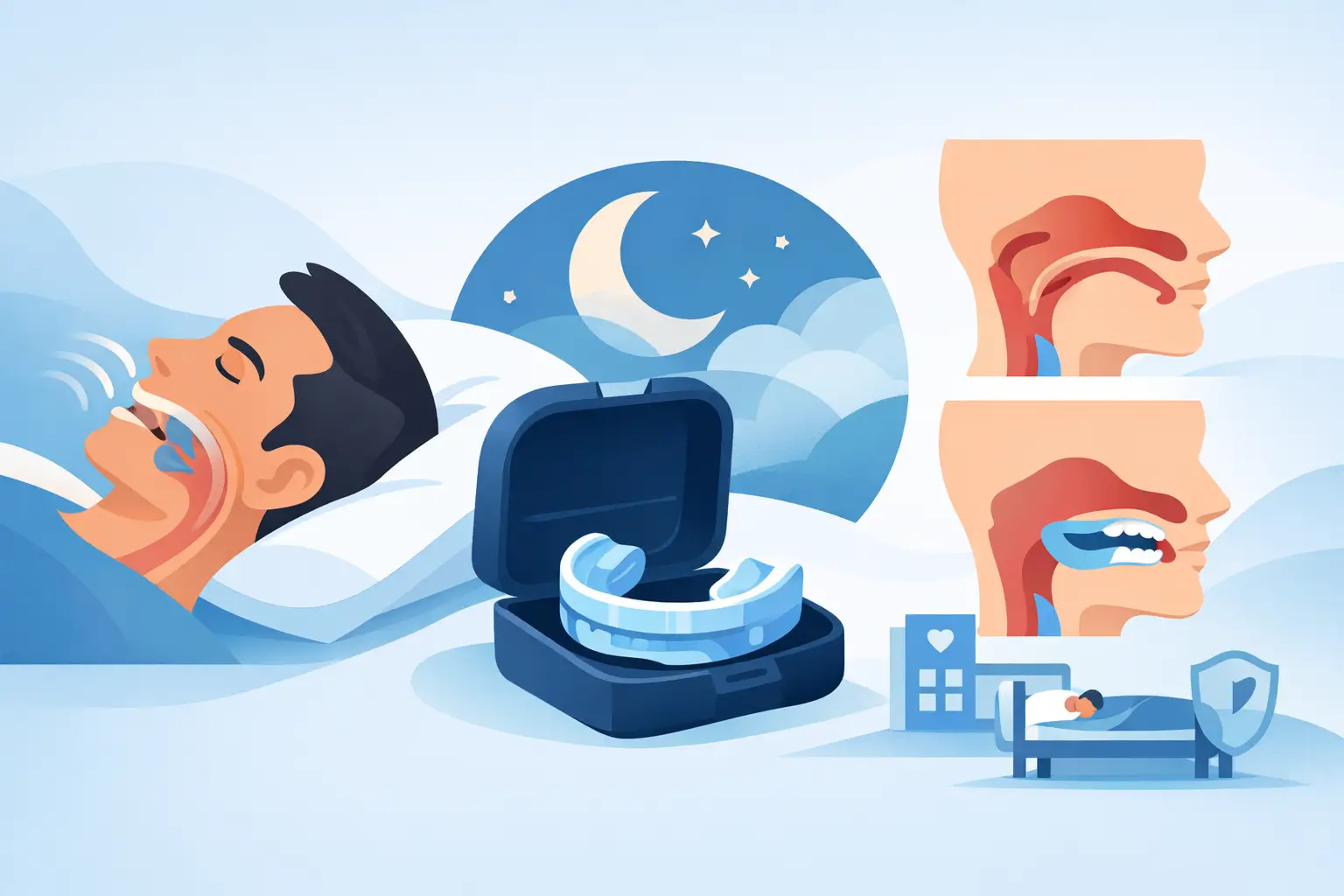
A device that simply protects your teeth is not the same as one that helps you breathe. That distinction matters when you are searching for a sleep apnea mouth guard . The right oral appliance may reduce snoring and support an open airway during sleep, but it must be selected, fitted, and monitored as part of proper sleep apnea care.
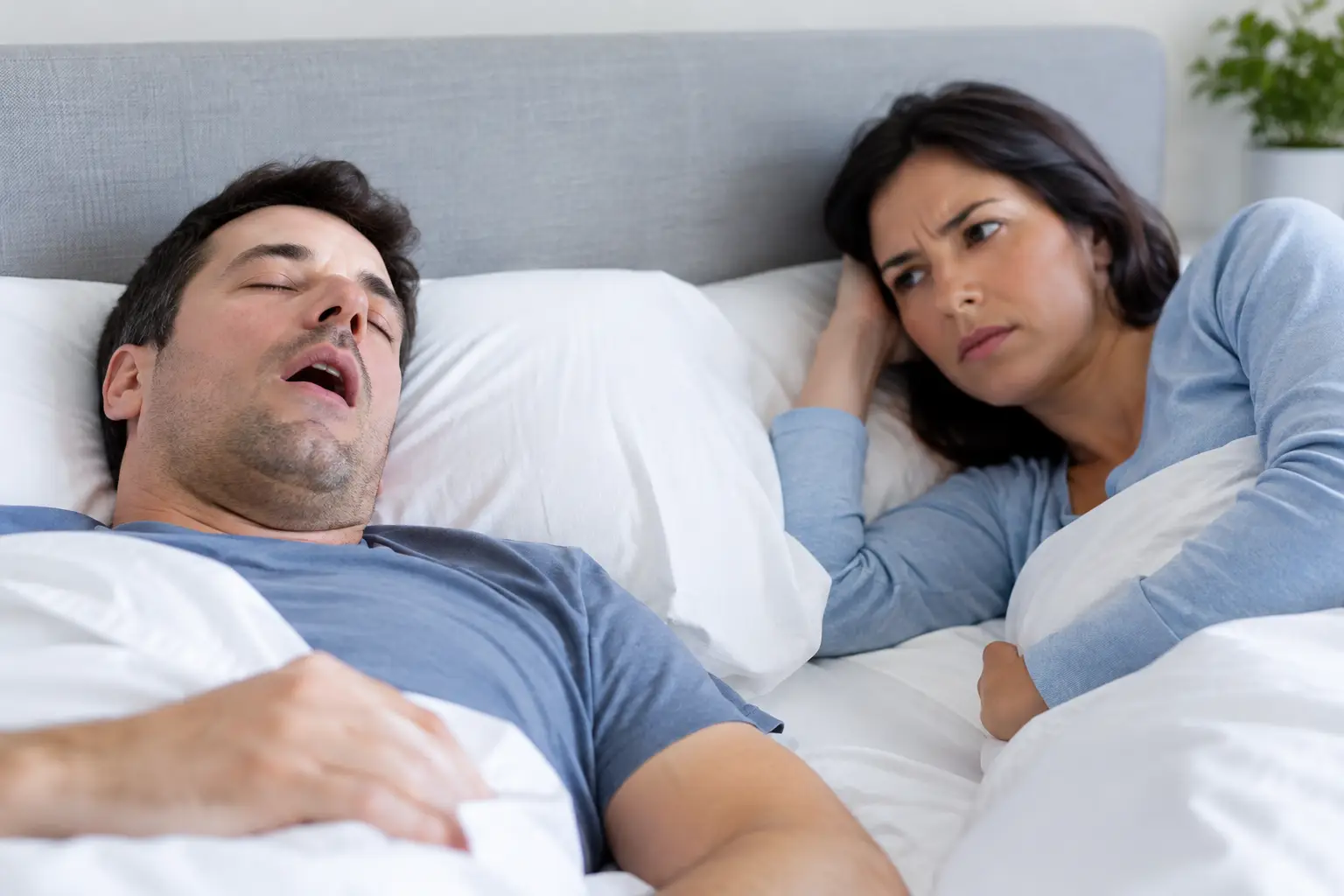
For many adults, obstructive sleep apnea can look like loud snoring, restless nights, morning headaches, dry mouth, or the persistent feeling that a full night of sleep was never quite enough. Others learn about it because a partner notices pauses in breathing. If this sounds familiar, you deserve answers that go beyond a one-size-fits-all device.
A night guard for sleep apnea is not a standard night guard
A conventional night guard is designed to protect teeth from grinding and clenching. It creates a barrier between the upper and lower teeth, which can limit enamel wear and reduce stress on restorations. It does not, however, reliably move the jaw forward or keep the airway from narrowing.
A true night guard for sleep apnea is more accurately called a custom oral sleep appliance. It is made to hold the lower jaw gently forward while you sleep. This position can help prevent the tongue and surrounding soft tissues from collapsing back into the airway, a common cause of obstructive sleep apnea.
The difference is more than terminology. Using an over-the-counter guard or a grinding appliance as a substitute for sleep apnea treatment may leave the underlying breathing problem untreated. In some cases, an appliance that changes the bite without careful planning can also create jaw discomfort or tooth movement.
How an oral appliance device supports better breathing
An oral appliance device for sleep apnea is custom-made for your teeth and bite. It usually fits over both arches and connects in a way that allows the lower jaw to rest slightly forward. The amount of advancement is adjusted gradually, with the goal of improving breathing while keeping your jaw as comfortable as possible.
Unlike CPAP, which uses gentle air pressure through a mask to keep the airway open, an oral appliance is small, portable, and quiet. Many people appreciate that it is easier to pack for travel and does not require a hose or power source. For patients who struggle with CPAP comfort or consistency, that simplicity can make a meaningful difference.
Still, comfort alone does not determine whether an appliance is appropriate. The device needs to fit securely, work with your teeth and existing dental restorations, and be adjusted based on your response to treatment. Follow-up testing is often needed to confirm that the appliance is improving sleep-disordered breathing, not just reducing the sound of snoring.
Who may be a candidate for a mild sleep apnea oral appliance?
A mild sleep apnea oral appliance is often considered for adults with mild to moderate obstructive sleep apnea. It may also be an option for people with severe sleep apnea who cannot tolerate CPAP, although the best approach depends on the severity of the condition, anatomy, overall health, and recommendations from the sleep physician.
Oral appliance therapy can be especially worth discussing if you have been diagnosed with obstructive sleep apnea and you:
- Snore loudly or have witnessed breathing pauses during sleep
- Have trouble wearing a CPAP mask consistently
- Travel frequently and want a more portable treatment option
- Have mild to moderate sleep apnea confirmed through a sleep study
- Need a treatment plan that considers crowns, bridges, implants, or other dental needs
Good candidates generally need enough healthy teeth or stable dental support to retain the appliance. That does not automatically rule out people with dental work, missing teeth, or implants. It simply means the evaluation should be thoughtful. A dentist experienced in sleep medicine can assess your bite, jaw joints, gum health, and restorative history before recommending a device.
Why diagnosis comes before treatment
Snoring and sleep apnea are related, but they are not the same. Snoring can occur without apnea, while sleep apnea involves repeated reductions or pauses in breathing that may affect oxygen levels, sleep quality, cardiovascular health, alertness, and daily energy.
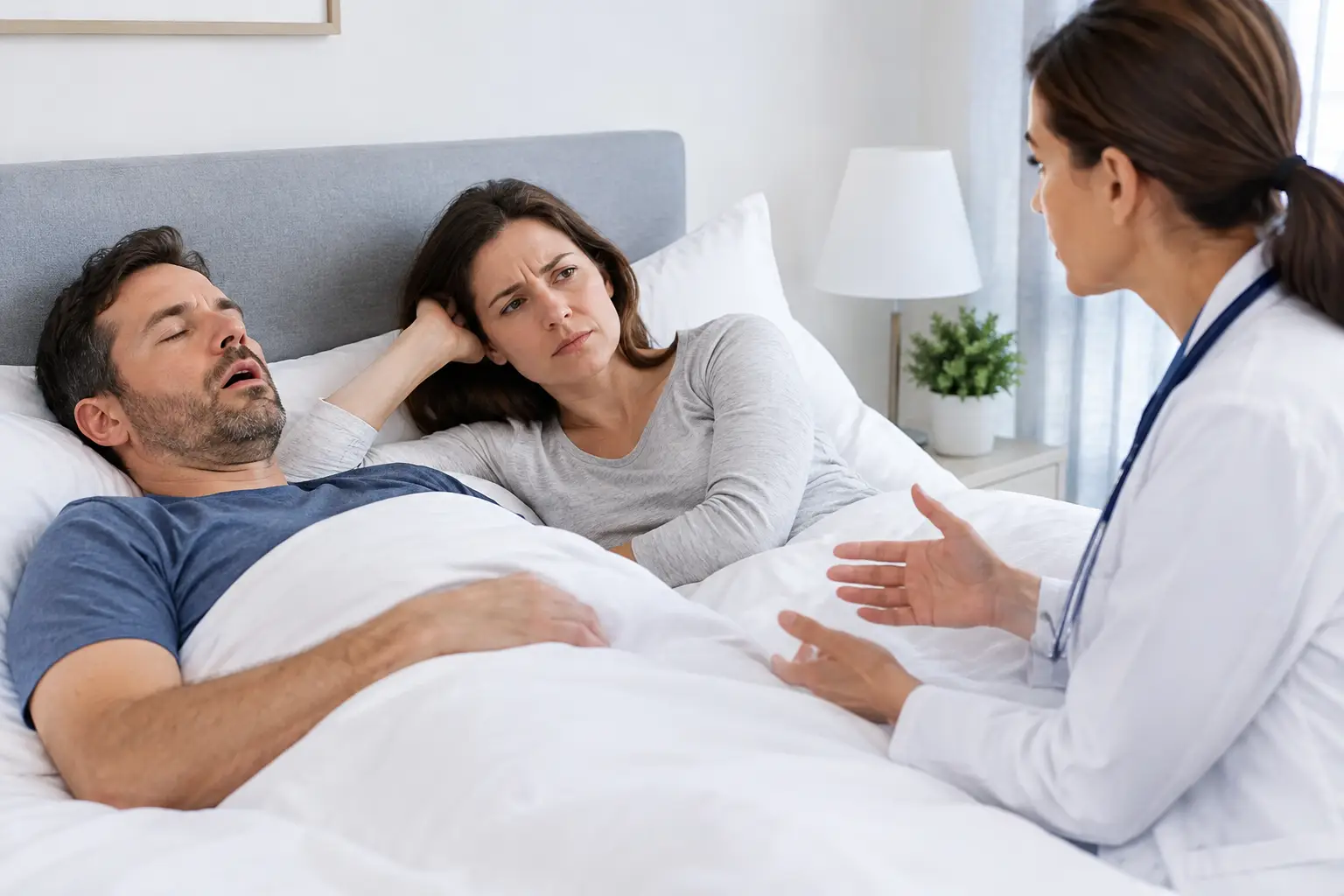
That is why a sleep study is the starting point. A physician can diagnose obstructive sleep apnea and determine its severity. From there, your medical and dental teams can coordinate on an appropriate treatment plan. If oral appliance therapy is recommended, the dentist takes detailed records of your teeth, bite, and jaw relationship to create a custom device.
At Seattle Oral Care, sleep-focused dental treatment is provided by an AADSM-certified prosthodontist. That matters because appliance therapy is not only about making a device. It involves understanding how airway needs, jaw position, tooth stability, and long-term dental health work together.
What obstructive sleep apnea oral appliance therapy involves
Obstructive sleep apnea oral appliance therapy is a process, not a single appointment. After a sleep apnea diagnosis and dental evaluation, your appliance is designed for your mouth and fitted carefully. You will learn how to insert, remove, clean, and store it, as well as how to use a morning repositioning device or exercises if recommended to help your bite settle after sleep.
The appliance is then adjusted over time. Some people notice improvement quickly, while others need several small adjustments to find the most effective and comfortable jaw position. Mild morning tooth pressure, temporary bite changes, or jaw soreness can occur, particularly during the adjustment period. These concerns should be addressed early rather than ignored.
Long-term follow-up protects both your airway treatment and your teeth. Your provider will monitor fit, appliance wear, bite changes, jaw comfort, and signs that your sleep symptoms have returned. A repeat sleep study or home sleep test may be recommended after the appliance is optimized to verify its effectiveness.
CPAP and an oral appliance are not competitors for everyone
CPAP remains a highly effective treatment for many people, especially those with more severe sleep apnea. An oral appliance should not be presented as a casual replacement simply because it feels more convenient. For some patients, CPAP is the most reliable first choice. For others, a custom appliance is a well-supported alternative.
There are also situations where both treatments have a role. A patient may use CPAP at home and an oral appliance during travel. Another may use an appliance alongside other recommendations, such as weight management, positional therapy, nasal treatment, or changes in alcohol use near bedtime. The best plan is the one you can use consistently and that has been shown to control your breathing events.
Questions patients often ask
Will an oral appliance stop snoring?
It often reduces snoring, sometimes significantly, by helping keep the airway more open. But reduced snoring is not proof that sleep apnea has been fully treated. Objective follow-up testing provides the clearer answer.
Can I buy a device online instead?
Boil-and-bite devices may seem appealing, but they cannot offer the same fit, durability, adjustability, or professional monitoring as a custom appliance. More importantly, they do not replace a sleep apnea diagnosis or confirm that treatment is working.
Will it damage my teeth or jaw?
A properly designed and monitored appliance is made to minimize strain on the teeth and jaw. Side effects are possible, which is why regular visits and adjustments are part of responsible care. If you have implants, crowns, gum disease, jaw pain, or a history of extensive dental treatment, individualized planning is particularly valuable.
Better sleep should not require guesswork. If snoring, fatigue, or a diagnosed sleep apnea condition is affecting your health or your household, a consultation can clarify whether a custom oral appliance belongs in your care plan. You can ask questions, understand your options, and move forward at a pace that feels comfortable.