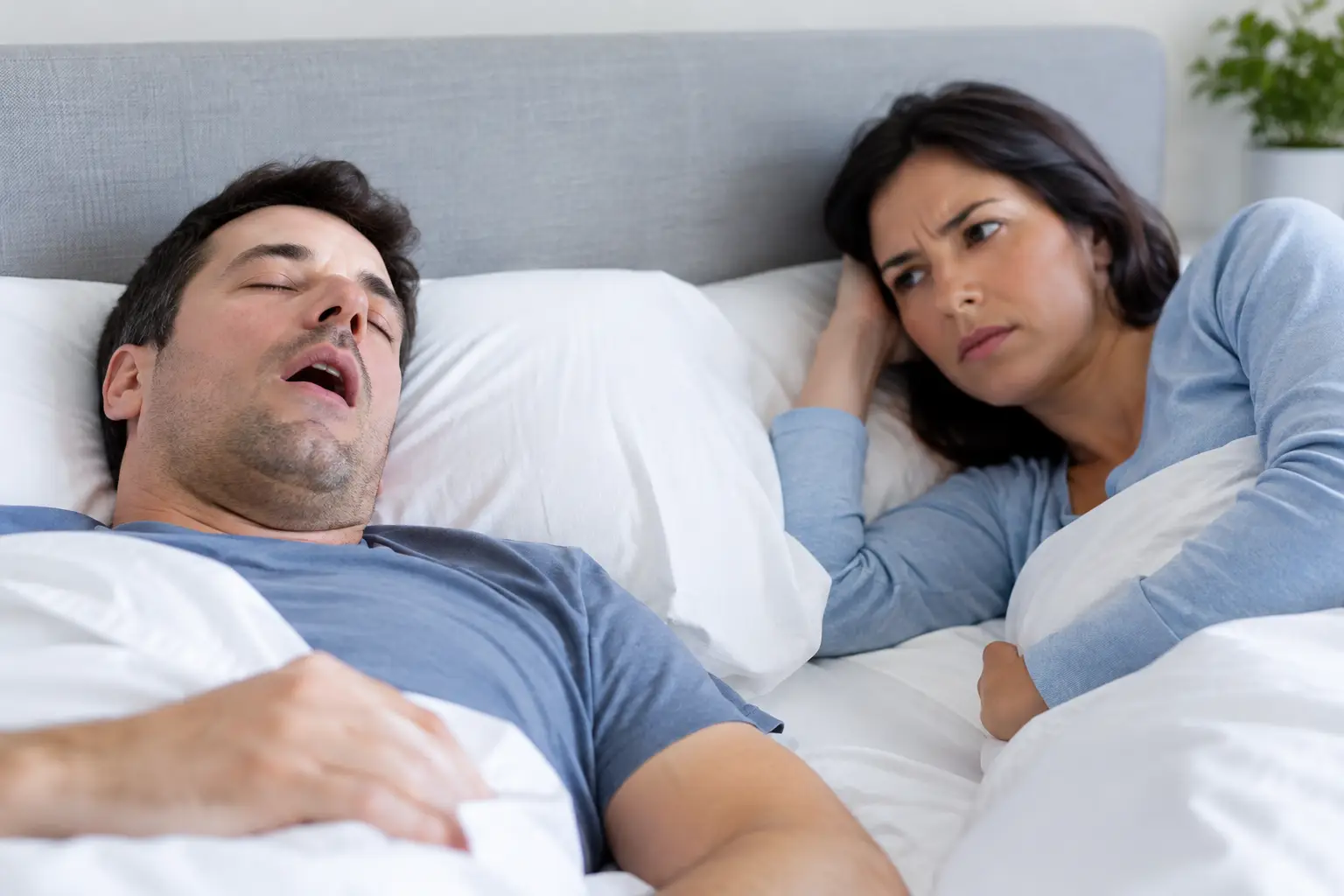
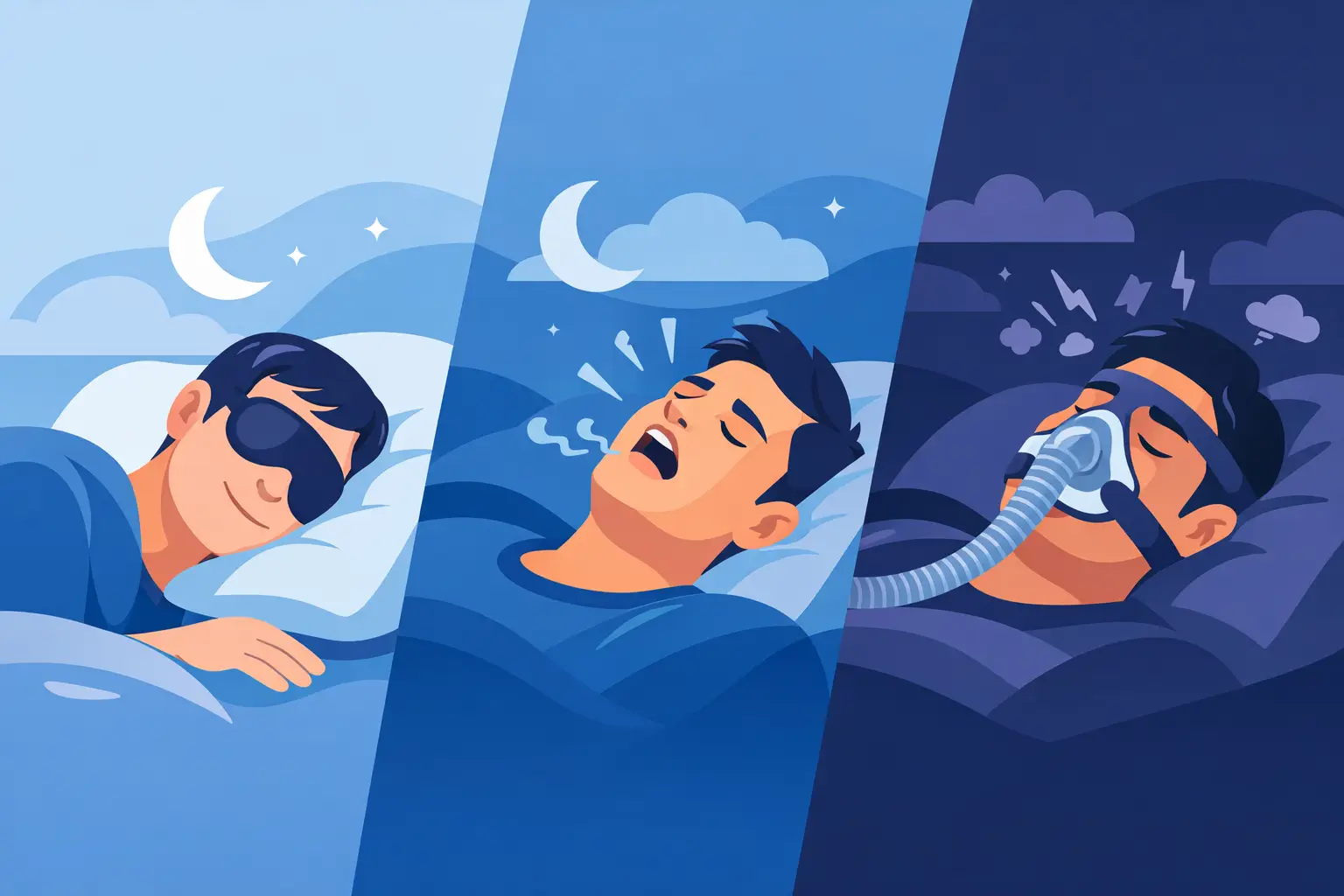
Waking up tired after a full night in bed can be frustrating, especially when snoring, gasping, or daytime exhaustion has become part of everyday life. Questions about mild vs moderate vs severe sleep apnea , sleep apnea severity levels, what counts as mild sleep apnea, and sleep apnea classification are more than questions about a label. The results can help guide the right conversation about protecting your sleep, energy, and long-term health.
Sleep apnea severity levels are based on your test results
Obstructive sleep apnea, often called OSA, occurs when the muscles and soft tissues in the throat relax during sleep and narrow or block the airway. Your brain briefly signals your body to breathe again, sometimes dozens of times each night. Many of these interruptions are so brief that you may not remember them the next morning.
A sleep study measures these breathing disruptions using the apnea-hypopnea index, or AHI. An apnea is a complete pause in breathing. A hypopnea is a partial blockage that significantly reduces airflow. The AHI represents the average number of these events per hour of sleep.
For adults, the usual sleep apnea classification is:
- Normal: Fewer than 5 breathing events per hour
- Mild sleep apnea: 5 to 14.9 events per hour
- Moderate sleep apnea: 15 to 29.9 events per hour
- Severe sleep apnea: 30 or more events per hour
For example, an AHI of 8 generally falls in the mild range, while an AHI of 22 is moderate and an AHI of 35 is severe. A physician or qualified sleep provider interprets these findings alongside the rest of your study and medical history.
What counts as mild sleep apnea?
Mild sleep apnea means you average at least five but fewer than 15 breathing disruptions per hour of sleep. “Mild” can sound reassuring, but it does not mean the condition should automatically be ignored.
Someone with mild OSA may still snore loudly, wake with dry mouth or headaches, struggle to stay alert at work, or feel unusually irritable. Another person with the same AHI may have few noticeable symptoms. The number alone does not capture how sleep apnea is affecting your daily life.
Mild OSA can matter even more when it occurs alongside high blood pressure, heart disease, diabetes, insomnia, depression, or safety-sensitive fatigue. If drowsiness affects your commute, concentration, or ability to stay awake during quiet activities, a lower AHI does not make the concern less real.
The pattern of events also matters. Some people have more obstruction while sleeping on their back. Others have more events during REM sleep, the stage associated with vivid dreaming and memory processing. A person may have an overall mild AHI but experience more significant breathing disruption during a particular sleep stage or position.
Mild vs moderate vs severe sleep apnea: what changes?
The categories describe frequency, not how much a person deserves care. Still, a higher AHI generally means the body is working harder through the night to restore breathing, and it often points to greater health risk if the condition remains untreated.
With mild sleep apnea , symptoms may be intermittent or easy to explain away. You might blame a stressful week, aging, allergies, or a bad mattress. Treatment may focus on an oral appliance, positional strategies, weight management when appropriate, addressing nasal congestion, or a combination of approaches.
With moderate sleep apnea , disrupted sleep and oxygen changes are more likely to be frequent. People may notice persistent fatigue, morning headaches, poor sleep quality, loud habitual snoring, or a bed partner witnessing repeated pauses in breathing. Treatment is commonly recommended rather than postponed.
With severe sleep apnea , breathing interruptions occur 30 or more times an hour on average. CPAP therapy is often the first treatment recommended because it uses gentle air pressure to hold the airway open throughout the night. For people who cannot tolerate CPAP or prefer an alternative after a proper evaluation, oral appliance therapy may still have a role. Some patients benefit from coordinated treatment that includes an appliance, CPAP adjustments, positional therapy, or other medical recommendations.
Why the AHI is not the whole story
An AHI is useful, but it is not the only number that matters. A careful sleep evaluation may also consider oxygen saturation, how long oxygen levels fall, heart-rate changes, sleep position, the type of breathing events, and how well you slept during the test.
Symptoms matter, too. An AHI of 10 may affect one person very differently than another. If you wake repeatedly, struggle with daytime sleepiness, or your partner reports choking or gasping sounds, those details belong in the treatment discussion.
Home sleep apnea tests are convenient and appropriate for many adults with suspected OSA. However, they may underestimate severity because they do not always measure actual sleep time as precisely as an in-lab study. If a home test is negative or shows mild apnea but symptoms are strong, your physician may recommend further testing.
Sleep studies can also identify central sleep apnea, a less common condition in which the brain does not consistently send the signal to breathe. Central and obstructive sleep apnea are managed differently. That is one reason a diagnosis should come from a qualified medical provider rather than from a snoring app, wearable device, or a partner’s observations alone.
Treatment should fit your airway and your life
There is no single best treatment for every sleep apnea severity level. The right plan depends on your diagnosis, anatomy, symptoms, health history, and ability to use the treatment consistently.
CPAP is highly effective when worn as prescribed, particularly for moderate to severe OSA. But comfort and consistency are essential. A treatment only works when it is used. If the mask, pressure, noise, or travel demands make CPAP difficult, do not assume you have failed treatment. Tell your sleep physician. There may be adjustments or alternatives worth discussing.
For many adults with mild to moderate obstructive sleep apnea, a custom oral appliance can be an effective option. The appliance is worn during sleep and gently positions the lower jaw forward to help keep the airway more open. It is not the same as an over-the-counter mouthguard. A properly fitted appliance is made specifically for your teeth and bite, then adjusted over time for comfort and effectiveness.
Oral appliance therapy can also be considered for some people with severe OSA who cannot tolerate CPAP, often in coordination with their physician. Follow-up testing is valuable because it confirms whether the chosen treatment is adequately controlling breathing events.
A dentist trained in dental sleep medicine evaluates more than the appliance itself. Your teeth, gums, jaw joints, bite, and existing dental work all influence whether an appliance is appropriate and how it should be designed. At Seattle Oral Care, sleep-focused oral appliance therapy is provided by an AADSM-certified prosthodontist, with attention to both airway goals and long-term oral health.
When to seek an evaluation
Consider talking with your physician or sleep provider if you snore regularly and also experience witnessed pauses in breathing, choking or gasping during sleep, daytime sleepiness, morning headaches, trouble concentrating, or high blood pressure that has been difficult to manage. A sleep evaluation is also worthwhile if a partner’s sleep is being disrupted by your snoring.
You do not need to wait until symptoms feel severe. Mild sleep apnea can still deserve treatment, and moderate or severe sleep apnea should not be treated as something you simply have to live with. Once you understand what your sleep study is measuring, you can have a more informed, calm conversation about a plan that helps you breathe better and wake up feeling more like yourself.