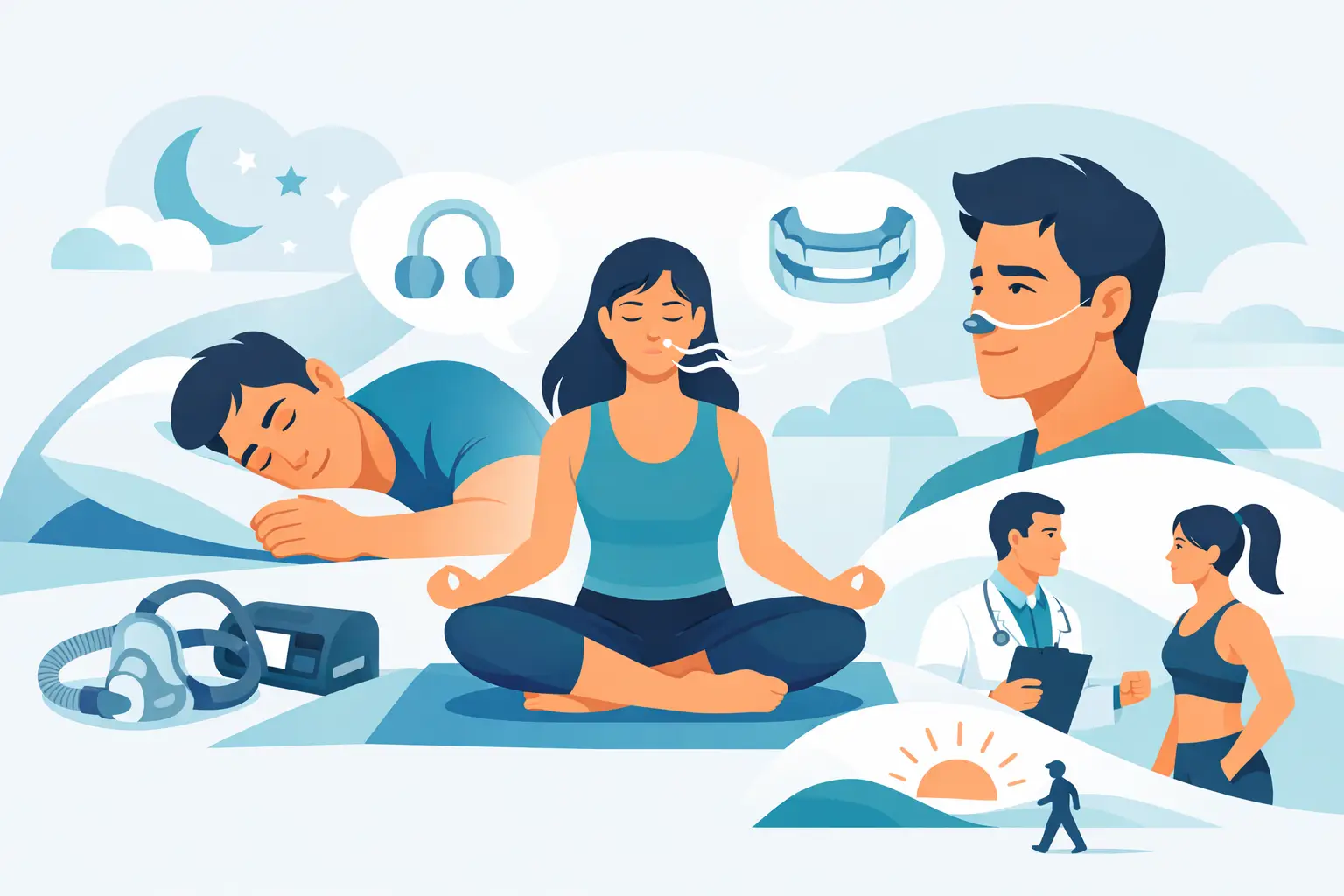
Waking up tired, hearing complaints about your snoring, and then being told to sleep with a mask can feel discouraging. For the right patient, CPAP alternatives for mild sleep apnea can provide meaningful relief, but only after a proper diagnosis and a treatment plan that accounts for your breathing, health history, and teeth.
Mild obstructive sleep apnea is not something to ignore. Even when breathing disruptions are classified as mild, they can affect sleep quality, daytime focus, mood, blood pressure, and long-term health. The goal is not simply quieter snoring. It is keeping your airway open enough for restorative sleep.
When an Alternative to CPAP May Be Appropriate
CPAP uses gentle air pressure to hold the airway open, and it remains a highly effective treatment for obstructive sleep apnea. Some people, however, struggle with the mask, air pressure, dryness, or the practical challenge of using the machine consistently while traveling.
For adults with mild to moderate obstructive sleep apnea who prefer another option or cannot tolerate CPAP, a custom oral appliance may be appropriate. Your sleep physician should diagnose the condition with a sleep study and help determine whether an alternative is clinically suitable. Treatment should be confirmed with follow-up testing, not based only on whether snoring improves.
CPAP Alternatives for Mild Sleep Apnea
Custom oral appliance therapy
An oral appliance is a small, custom-made device worn during sleep. It gently positions the lower jaw forward, helping prevent the tongue and soft tissues from narrowing the airway. For many patients, it is quieter, more portable, and easier to use every night than CPAP.
The key word is custom. Store-bought anti-snoring guards and boil-and-bite devices are not designed to treat sleep apnea, and they may cause tooth movement, jaw discomfort, or an unstable bite. A qualified dental sleep medicine provider evaluates your teeth, gums, jaw joints, and bite before making an appliance, then adjusts it gradually to balance comfort with effectiveness.
Oral appliance therapy is not ideal for everyone. Significant jaw-joint pain, very limited healthy teeth, untreated periodontal disease, or certain bite conditions can affect which device is safe and practical. A detailed dental evaluation helps identify those concerns early.
Positional therapy
For some people, sleep apnea occurs mainly while sleeping on the back. This is called positional sleep apnea. Training yourself to sleep on your side, using a body pillow, or wearing a positional device may reduce airway collapse for these patients.
Positional therapy can be useful on its own in carefully selected mild cases or alongside another treatment. It is less dependable if you naturally turn onto your back during the night or if your sleep study shows breathing disruptions in multiple positions.
Lifestyle and airway-supporting changes
Lifestyle changes can reduce the factors that worsen airway narrowing. If weight is contributing to sleep apnea, gradual weight loss may improve symptoms and reduce the severity of the condition. Avoiding alcohol and sedating medications close to bedtime can also help because they relax throat muscles.
Regular exercise, a consistent sleep schedule, and treatment for nasal congestion can support better breathing as well. These changes are worthwhile, but they are not a substitute for prescribed treatment when a sleep study shows clinically significant apnea.
Surgery and other medical options
Surgery is sometimes considered when there is a specific anatomical issue, such as enlarged tonsils or significant nasal obstruction, or when other treatments have not worked. It is not usually the first choice for mild sleep apnea without a clear surgical target. An ENT physician or sleep specialist can explain whether a surgical evaluation makes sense.
How to Choose the Right Treatment
The best option depends on more than the severity number on a sleep study. Your oxygen levels, daytime symptoms, medical conditions, sleep position, CPAP experience, and dental health all matter. A treatment that works only when used perfectly is not always the best real-world fit if it is too uncomfortable to use consistently.
For oral appliance therapy , coordination is especially valuable. Your sleep physician manages the sleep apnea diagnosis, while a dentist trained in dental sleep medicine designs and monitors the appliance. Periodic visits allow the appliance to be adjusted and help catch changes in jaw comfort, bite, or tooth position before they become larger problems.
At Seattle Oral Care, an AADSM-certified prosthodontist can evaluate whether a custom oral appliance fits your needs and work alongside your medical team. You will have time to ask questions, understand the trade-offs, and make a decision without feeling rushed.
If snoring is paired with witnessed pauses in breathing, gasping, morning headaches, severe daytime sleepiness, or high blood pressure, start with a conversation with your physician or sleep specialist. Once you have clear answers from a sleep study, you can choose a treatment that supports better breathing and feels realistic for every night ahead.