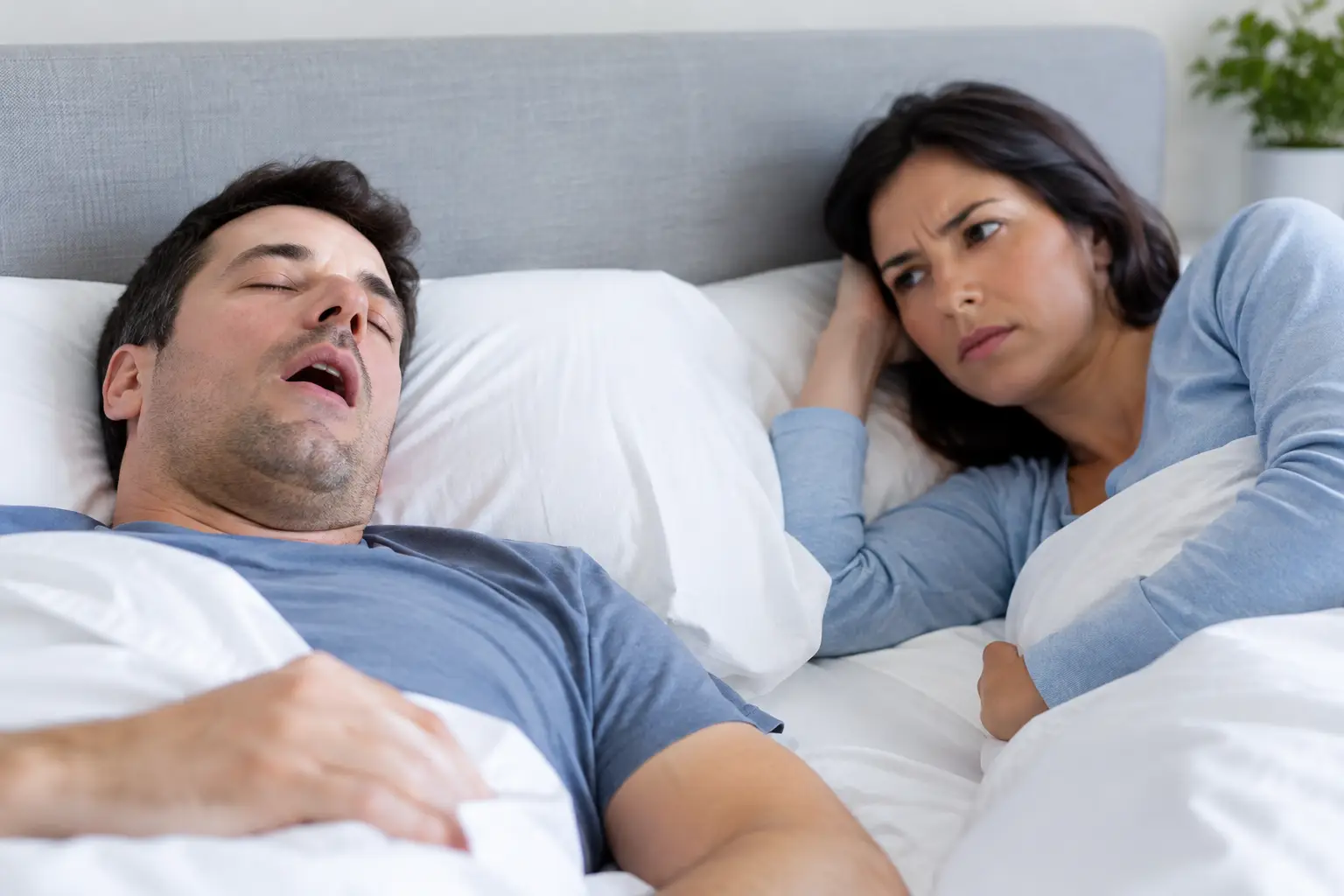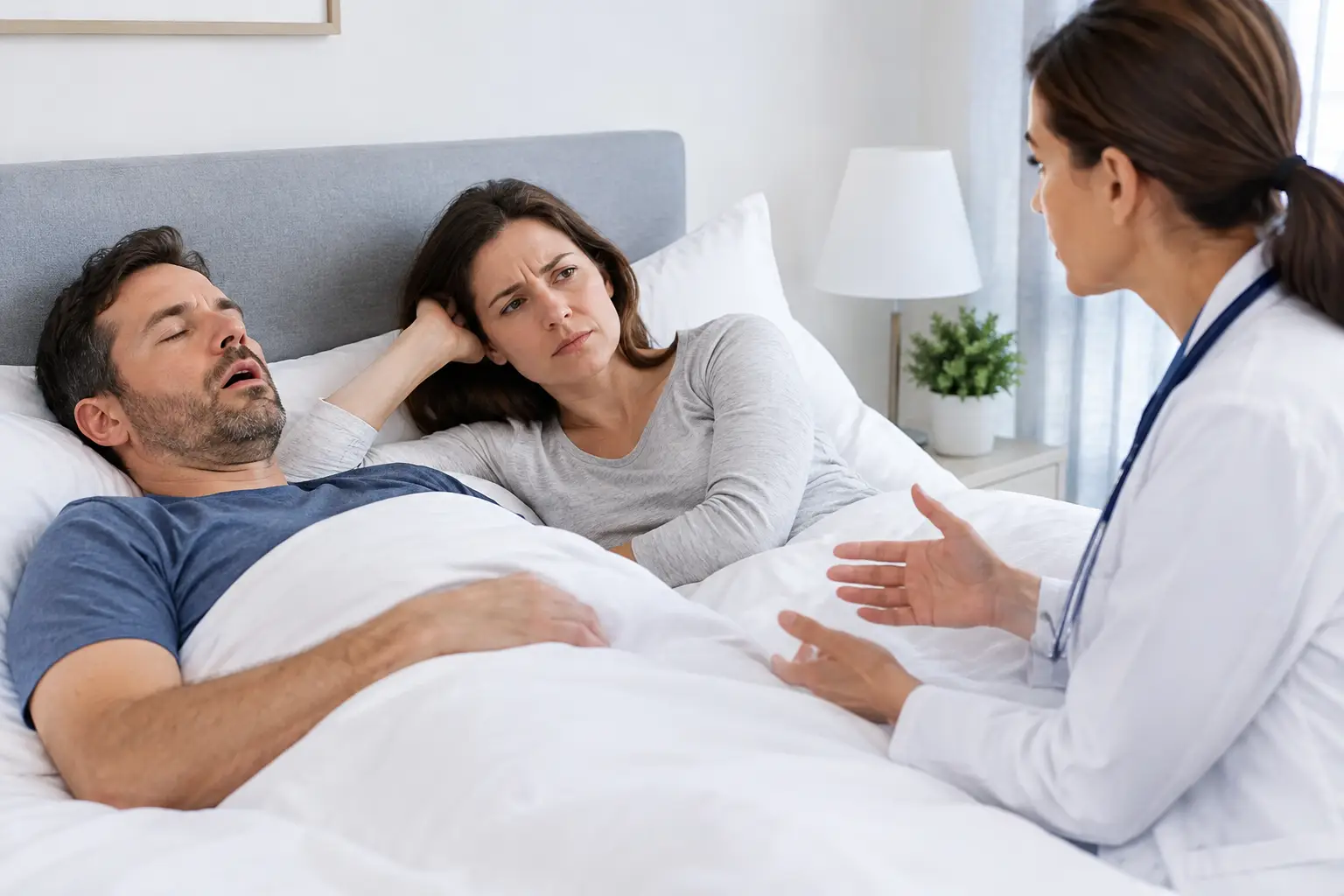
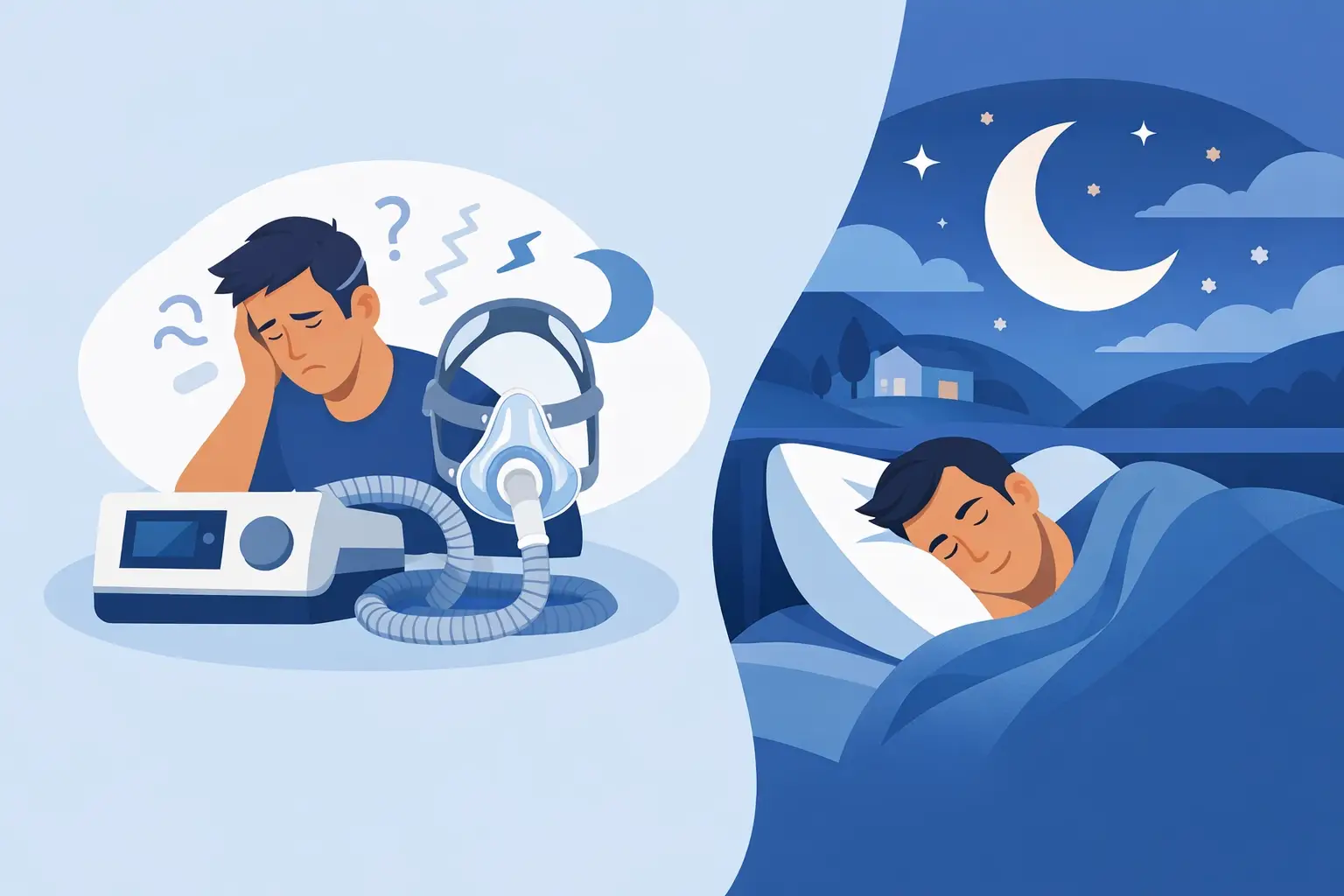
Waking up with a dry mouth, sore nose, air leaks, or the feeling that you are fighting your CPAP mask can make treatment feel impossible. CPAP intolerance help begins with recognizing that difficulty using a machine is common and treatable. You do not need to simply push through miserable nights, and you should not stop sleep apnea treatment without discussing a safe plan with your sleep physician.
Why CPAP Can Feel So Difficult
CPAP is highly effective for many people with obstructive sleep apnea because it uses gentle air pressure to keep the airway open. But effectiveness only helps when the device is worn consistently. A mask that leaks, pressure that feels overwhelming, congestion, skin irritation, noise, or claustrophobia can all interfere with sleep.
Sometimes the issue is practical. A mask may be the wrong size or style, the humidifier may need adjustment, or the pressure settings may need review. Other times, the challenge is more personal. For someone who already feels anxious about sleep, having a mask on the face can create a sense of panic that makes falling asleep even harder.
The goal is not to judge yourself for struggling. The goal is to identify what is making CPAP hard and find a treatment approach you can use night after night.
CPAP Intolerance Help Starts With the Cause
Before deciding CPAP is not for you, ask your sleep medicine provider or durable medical equipment team to help troubleshoot the specific problem. Small adjustments can make a meaningful difference.
For mask leaks or pressure marks, a refitting may help. Nasal masks, nasal pillow masks, and full-face masks fit and feel very differently. If nasal congestion is the problem, heated humidification, treatment for allergies, or a discussion with your physician may improve comfort. For people who feel pressure is too strong, the prescribing provider can determine whether settings, ramp features, or a different PAP therapy mode are appropriate.
Give changes enough time to work, but be honest about your experience. If you remove the mask after an hour most nights, that information matters. Your care team needs an accurate picture to recommend the right next step.
When an Oral Appliance May Be an Option
For some adults with obstructive sleep apnea, a custom oral appliance can be an effective alternative when CPAP is not tolerated. This small, removable device is worn during sleep and gently holds the lower jaw forward. Moving the jaw forward can help keep the airway more open, reducing breathing interruptions and snoring for appropriately selected patients.
Oral appliance therapy is often considered for mild to moderate obstructive sleep apnea, as well as for people with severe sleep apnea who cannot tolerate CPAP. Whether it is suitable depends on your sleep study, airway anatomy, medical history, jaw health, and the condition of your teeth and gums. It is not a one-size-fits-all device, and over-the-counter mouthguards are not a substitute for a professionally fitted appliance.
A qualified dental sleep medicine provider works with your sleep physician to determine whether this approach fits your needs. The appliance is custom made, then adjusted carefully over time to balance airway improvement with comfort. Follow-up testing is usually needed to confirm that treatment is controlling sleep apnea effectively.
What to Expect From a Custom Sleep Appliance
Many patients appreciate that an oral appliance is quiet, compact, and easy to travel with. It may be especially appealing if a mask causes anxiety or if you tend to sleep away from home. Still, it involves an adjustment period. Temporary tooth soreness, jaw stiffness, excess saliva, or bite changes can occur, especially early on.
Ongoing dental follow-up is part of safe treatment. Your provider can make precise adjustments, monitor your bite and jaw joints, and help protect your teeth. This level of care matters because the best appliance is not merely one you can wear. It is one that is comfortable, durable, and clinically effective for your condition.
At Seattle Oral Care, an AADSM-certified prosthodontist can evaluate oral appliance therapy as part of a coordinated sleep apnea treatment plan . If you have existing dental work, missing teeth, implants, jaw concerns, or a history of teeth grinding, those details can be considered from the start.
Do Not Ignore Untreated Sleep Apnea
Sleep apnea is more than snoring. Repeated breathing disruptions can affect daytime energy, concentration, mood, blood pressure, and long-term health. If CPAP is difficult, the answer is not to abandon treatment. It is to seek a plan that matches your medical needs and is realistic for your life.
Bring your CPAP concerns, sleep study results, and questions to your next appointment. A comfortable, well-supported solution can make better sleep feel possible again.