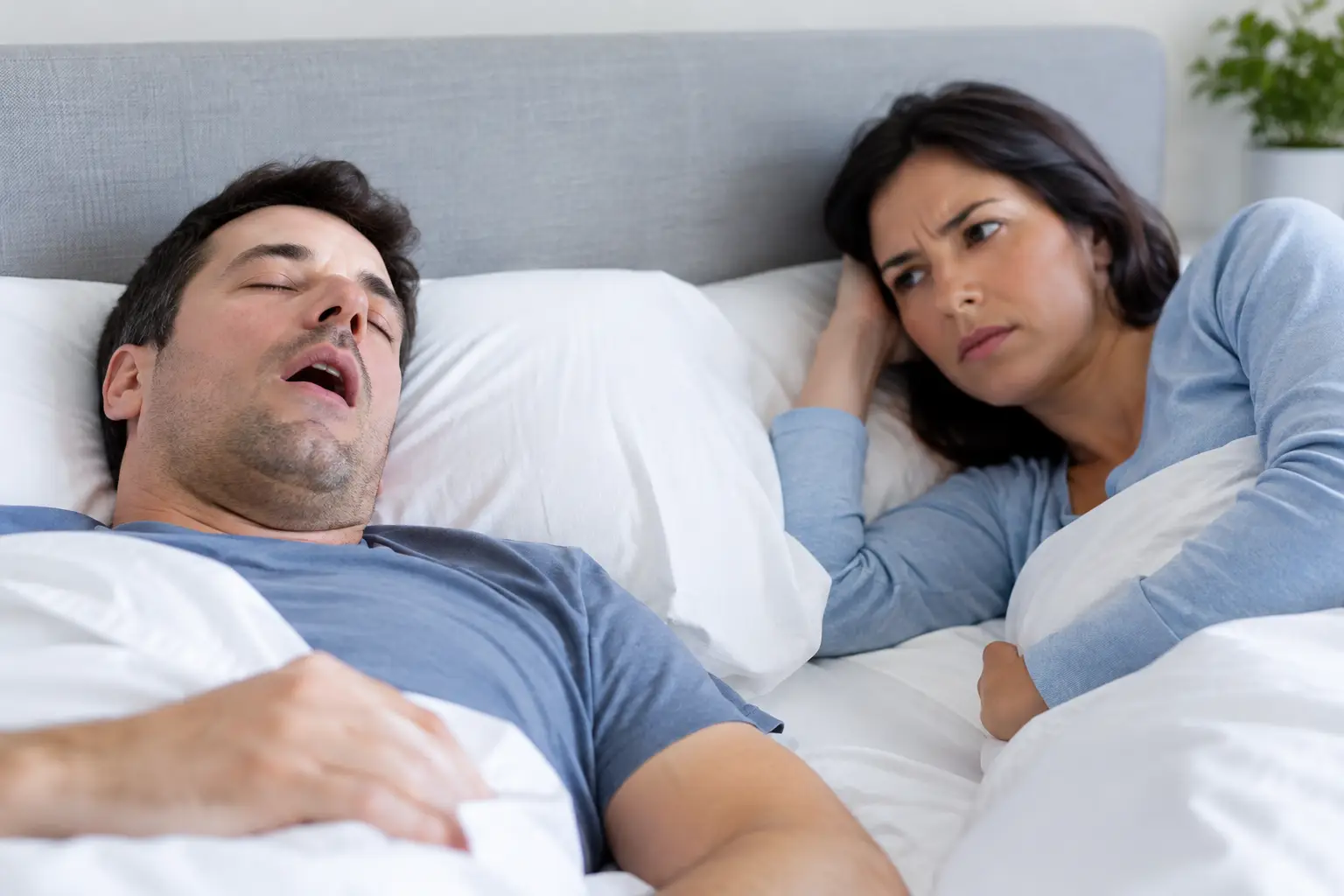
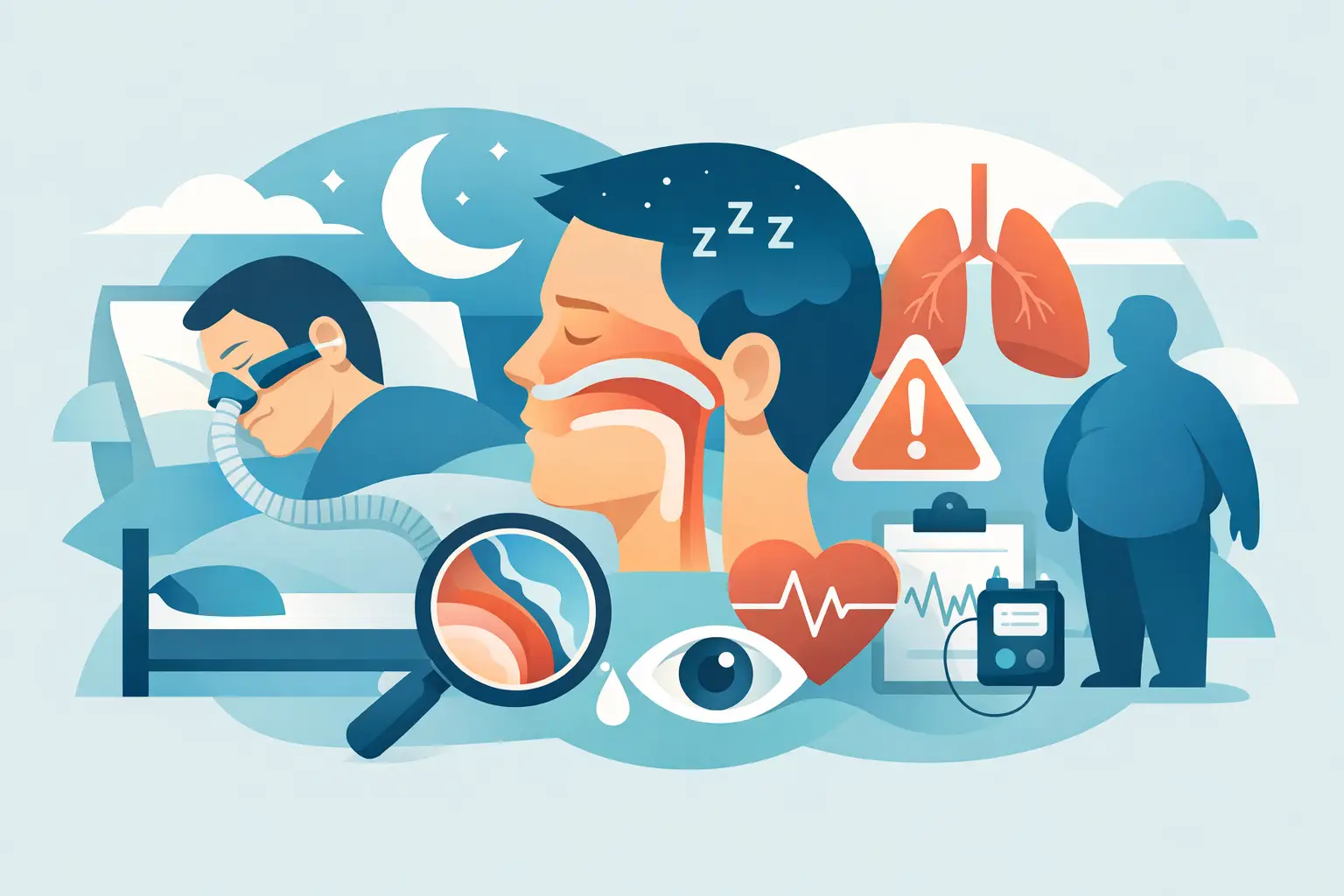
A person can have sleep apnea without sounding like a freight train at night. That is one of the most surprising facts about sleep apnea: the condition is often missed because people expect every case to look the same. Understanding the less-obvious signs can help you seek answers before disrupted sleep affects your health, energy, and quality of life.
Snoring is a clue, not a diagnosis
Loud, frequent snoring is common in obstructive sleep apnea, but snoring alone does not confirm the condition. Many people snore without having repeated breathing interruptions, while others with sleep apnea may snore only lightly or inconsistently.
What matters is what happens between the snores. In obstructive sleep apnea, the airway narrows or closes during sleep, causing breathing pauses or reductions in airflow. The brain briefly wakes the body enough to restore breathing, often without the person remembering it the next morning.
Breathing pauses can happen far more often than you realize
A sleep study measures breathing events per hour. In moderate or severe obstructive sleep apnea, those interruptions may occur dozens of times each hour. Even when each awakening is brief, the repeated disruptions can prevent the body from getting the deep, restorative sleep it needs.
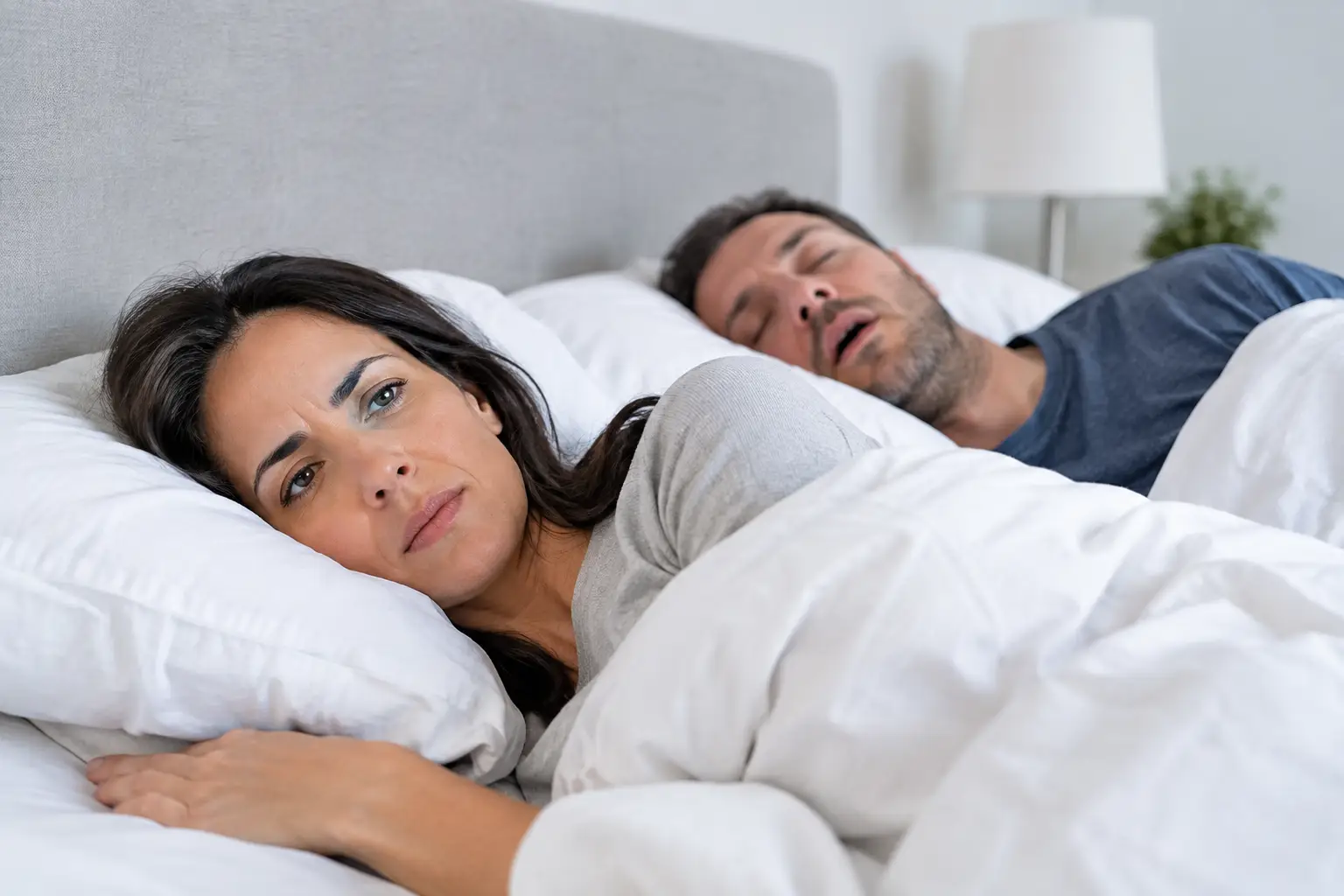
This is why someone may spend eight hours in bed and still wake up exhausted. They may not remember waking, but their sleep has been repeatedly interrupted throughout the night.
Daytime symptoms do not always feel like sleepiness
Falling asleep during a meeting or at a stoplight is an obvious warning sign, but fatigue can look different. Some people feel irritable, unfocused, anxious, or unusually unmotivated. Others wake with headaches, struggle with memory, or rely on more caffeine than they used to.
Because these symptoms can also be linked to stress, aging, medications, or other health conditions, sleep apnea can go undiagnosed for years. A pattern of poor sleep combined with snoring, gasping, or witnessed breathing pauses deserves a conversation with a healthcare professional.
Sleep apnea is not only a weight-related condition
Weight can increase the risk of obstructive sleep apnea, but people of many body types can develop it. Airway anatomy, jaw position, tongue size, nasal obstruction, muscle tone, family history, and aging can all play a role.
This is especially relevant for adults who have been told they are “not the typical patient.” A narrow airway or a lower jaw that sits farther back may contribute to breathing problems even in someone who is active and otherwise healthy.
Your mouth can show signs of disrupted breathing
Dentists may notice clues that point to a possible airway concern. Chronic dry mouth, tooth grinding, a scalloped tongue, worn teeth, or jaw soreness can occur in people with sleep-disordered breathing. These signs do not diagnose sleep apnea by themselves, but they can support a larger conversation about symptoms and risk.
Tooth grinding is a good example of why an individual evaluation matters. Grinding can have several causes, including stress and bite-related factors. For some patients, it may occur alongside repeated nighttime efforts to reopen a restricted airway.
Surprising facts about sleep apnea include its connection to the heart
Untreated obstructive sleep apnea can place strain on the cardiovascular system. Repeated drops in oxygen and surges in stress hormones may contribute to high blood pressure and can complicate management of existing heart conditions.
That does not mean every person who snores has heart disease, or that treating sleep apnea replaces other medical care. It does mean sleep quality is about much more than feeling rested. Proper diagnosis and treatment can be an important part of a broader health plan.
Sleeping position, alcohol, and some medications can make it worse
For many people, sleeping on the back allows the tongue and soft tissues to fall backward more easily, narrowing the airway. Alcohol close to bedtime can relax airway muscles further. Certain sedating medications may have a similar effect, so medication questions should be reviewed with the prescribing clinician.
These factors can make symptoms more noticeable, but they are not a substitute for treatment when sleep apnea is present. Positional changes may help some people, while others need a more targeted solution.
CPAP is effective, but it is not the only treatment option
Continuous positive airway pressure, commonly called CPAP, is highly effective and is often recommended, particularly for severe obstructive sleep apnea. Still, some patients struggle with comfort, mask fit, noise, or consistent use.
For eligible adults with obstructive sleep apnea, a custom oral appliance may be a comfortable alternative or complement to CPAP. The appliance gently positions the lower jaw forward to help keep the airway open during sleep. Unlike over-the-counter mouthguards, a sleep appliance should be fitted and monitored by a qualified dental sleep medicine provider in coordination with a sleep physician.
A sleep test is the starting point, not a guess
Symptoms and oral findings can raise suspicion, but a sleep study is needed to diagnose sleep apnea and determine its severity. It also helps distinguish obstructive sleep apnea from central sleep apnea, which has a different cause and requires different medical management.
If snoring, morning fatigue, gasping, or daytime exhaustion is affecting your life, you do not have to simply accept it as normal. For Seattle-area patients, a thoughtful evaluation can clarify what is disrupting sleep and whether an oral appliance could be part of a comfortable, personalized treatment plan.