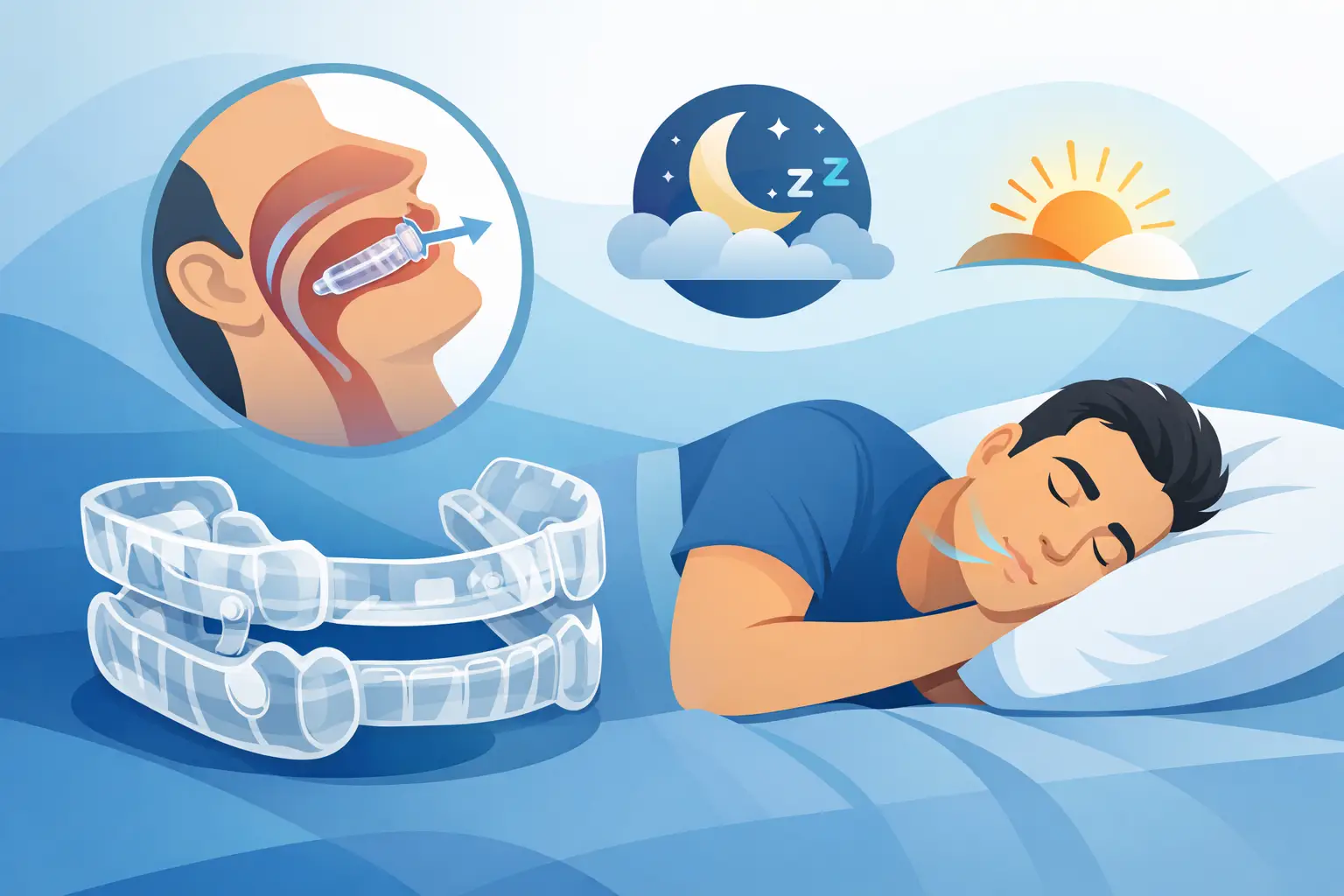
Waking up tired after a full night in bed can change how you drive, work, exercise, and show up for the people you love. For adults with obstructive sleep apnea, an oral appliance for sleep apnea may offer a comfortable, portable treatment option, especially when CPAP has been difficult to use consistently. It is not a one-size-fits-all solution, but for the right person, it can make nights quieter and days more alert.
What Is an Oral Appliance for Sleep Apnea?
An oral sleep appliance is a custom-made device worn over the teeth while you sleep. Most appliances work by gently bringing the lower jaw forward. This helps keep the airway more open, reducing the collapse of soft tissue that causes obstructive sleep apnea and loud snoring.
The device is small and designed specifically for your bite. It is different from an over-the-counter mouthguard or a boil-and-bite snoring product. A properly fitted sleep appliance needs precise adjustments so it supports breathing without placing unnecessary stress on the teeth, jaw joints, or muscles.
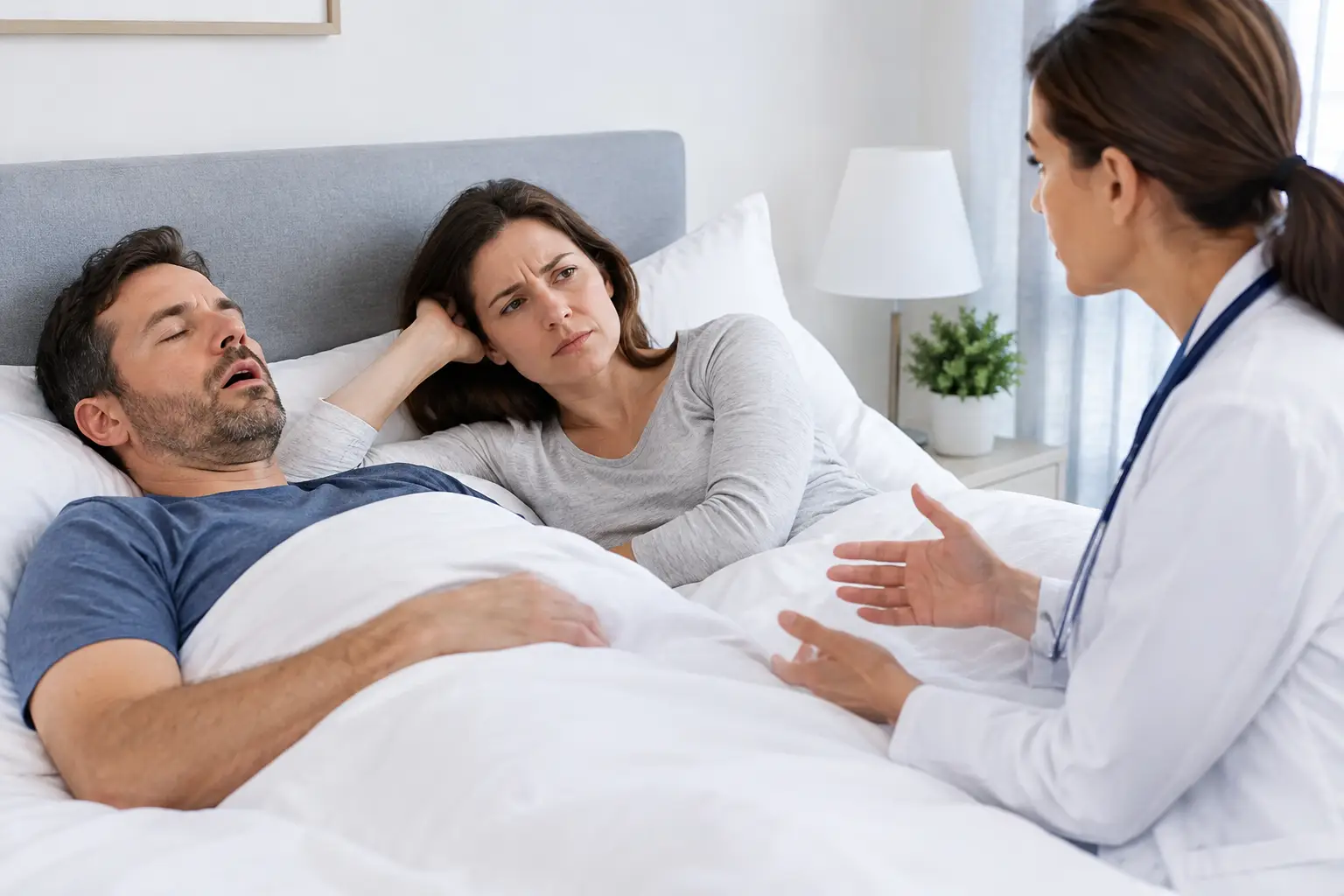
Sleep apnea treatment should begin with a diagnosis from a qualified medical provider, usually based on a sleep study. Your dentist then works alongside your sleep physician to determine whether oral appliance therapy is appropriate and to provide a device that fits your oral health needs.
Who May Benefit From Oral Appliance Therapy?
Oral appliance therapy is commonly recommended for adults with mild to moderate obstructive sleep apnea. It may also be considered for people with severe sleep apnea who cannot tolerate CPAP or who need an alternative while traveling, camping, or during power outages. The best choice depends on the severity of your condition, your airway anatomy, your overall health, and how well you can use the prescribed treatment night after night.
Many patients seek an appliance because they have tried CPAP and found the mask uncomfortable, the airflow disruptive, or the equipment hard to maintain. Those experiences are valid. CPAP remains a highly effective treatment and is often the first recommendation for severe apnea, but a treatment only helps when it is used consistently. For some patients, a custom appliance makes regular treatment more realistic.
An oral appliance may be a good discussion to have with your care team if you:
- Have mild or moderate obstructive sleep apnea confirmed by a sleep study
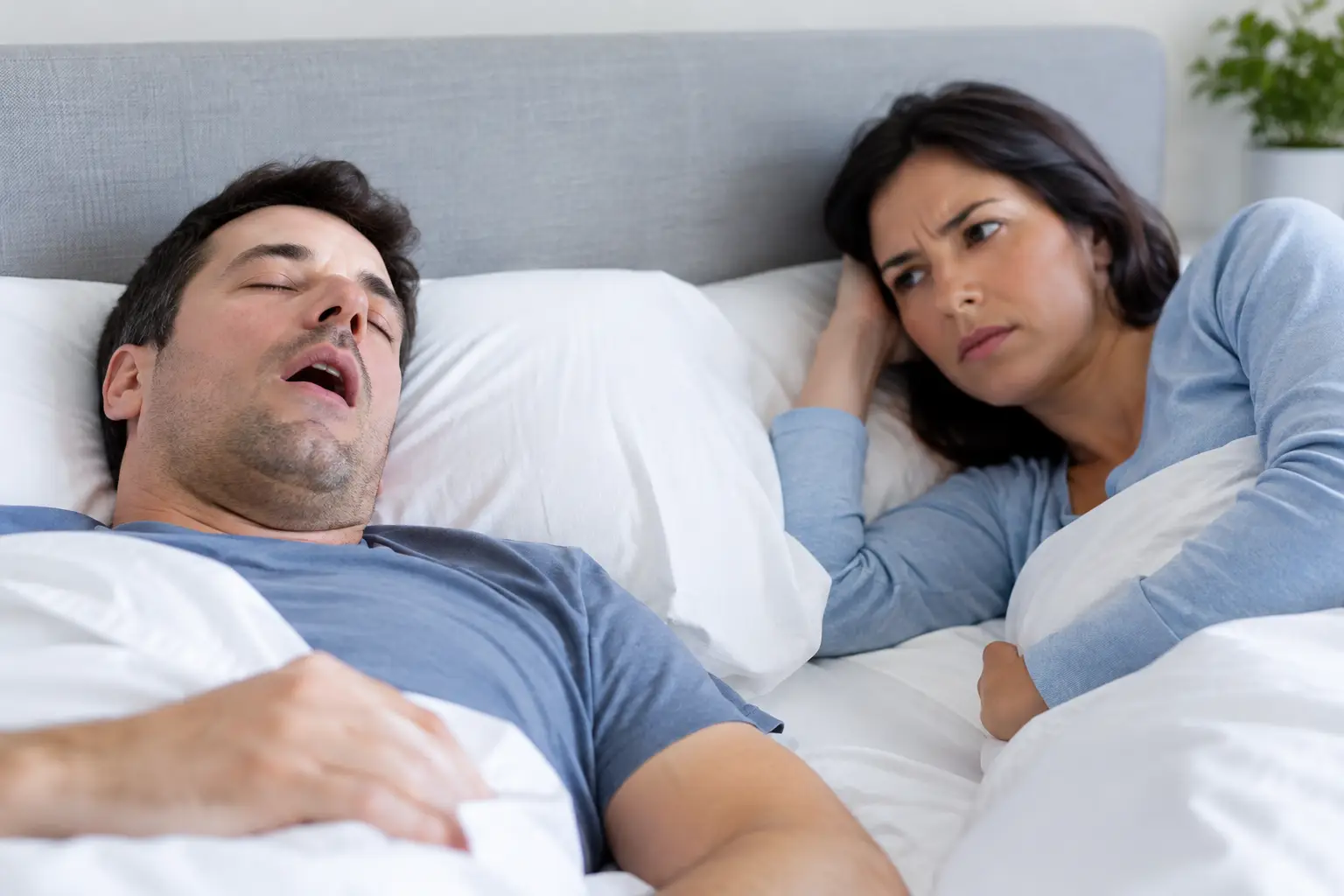
- Snore heavily and wake yourself or a partner during the night
- Cannot comfortably tolerate CPAP despite trying mask or pressure adjustments
- Travel often and need a compact treatment option
- Have enough healthy teeth or stable dental restorations to support an appliance
Having teeth is helpful, but it is not the only consideration. Gum health, loose teeth, untreated decay, crowns, bridges, implants, and jaw-joint concerns all affect appliance planning. A thorough dental examination helps protect your long-term oral health while treating your sleep disorder.
How Treatment Works From Sleep Study to Follow-Up
A medical sleep evaluation comes first. Snoring alone does not confirm sleep apnea, and untreated obstructive sleep apnea can be associated with daytime fatigue, high blood pressure, cardiovascular strain, and other health concerns. A home sleep test or laboratory study provides the information needed to guide care safely.
Once oral appliance therapy is recommended, your dentist evaluates your teeth, gums, bite, jaw movement, and existing dental work. Digital scans or impressions are used to create a custom appliance. When it is ready, you receive instructions on inserting it, cleaning it, and making any planned adjustments.
The appliance is typically adjusted gradually. Moving the jaw too far forward too quickly can create soreness, while moving it too little may not improve breathing enough. Your provider will help find an effective and comfortable position over several visits.
Follow-up is a central part of treatment, not an afterthought. Your sleep physician may recommend a follow-up sleep test while you are wearing the appliance to confirm that it is controlling apnea adequately. Dental follow-up also allows your provider to monitor your bite, teeth, gums, and jaw comfort over time.
What Does an Oral Sleep Appliance Feel Like?
Most patients need a short adjustment period. You may notice extra saliva, temporary tooth pressure, mild jaw tenderness, or a change in your bite when you first remove the appliance in the morning. These effects often improve as you adapt, and a dentist can provide exercises or a morning repositioning device to help your jaw return to its usual position.
A custom device should feel secure rather than bulky. It should not rub painfully against the gums, loosen teeth, or cause ongoing jaw pain. If it does, do not simply stop wearing it or try to adjust it yourself. A small professional adjustment can make a meaningful difference in both comfort and treatment success.
Long-term bite changes can occur in some patients, particularly when an appliance is worn for years. This is one reason ongoing dental monitoring matters. The goal is not only better sleep now, but a treatment plan that remains safe and workable for the long term.
Oral Appliance Therapy vs. CPAP
CPAP uses gentle air pressure to hold the airway open. It is highly effective across a broad range of sleep apnea severity and may be especially important for people with severe apnea, low oxygen levels, or certain medical conditions. For many patients, CPAP is the right choice.
An oral appliance has different advantages. It is quiet, compact, does not require electricity, and is easier to pack for travel. Many people find it less intrusive than a mask. On the other hand, it may not reduce apnea as completely as CPAP for every patient, and it requires adequate dental support and regular monitoring.
Some people use both treatments. For example, a patient may use CPAP at home and an oral appliance during travel. Others may use an appliance with CPAP at a lower pressure when one treatment alone has not been enough. Your sleep physician and dental provider can help determine whether a combined approach makes sense.
Why a Custom Appliance Matters
Products sold online may claim to stop snoring by pushing the jaw forward, but they are not a substitute for a medically directed, custom-fitted appliance. They cannot diagnose sleep apnea, verify that your airway is improving, or account for dental conditions that make jaw advancement risky.
Custom care also means the appliance can be adjusted in small increments and repaired if needed. This matters when you have crowns, bridges, implants, sensitive teeth, a history of clenching, or changes in your dental health. A device that seems less expensive at first can become costly if it causes tooth movement, jaw discomfort, or delays effective treatment for apnea.
At Seattle Oral Care, an AADSM-certified prosthodontist can coordinate oral appliance therapy with your sleep physician while considering the full picture of your teeth, bite, and restorative needs. That coordination is particularly valuable for patients who have complex dental work or are planning restorative treatment.
Caring for Your Appliance and Your Sleep Health
Rinse your appliance after each use and clean it with a soft toothbrush and a product recommended by your dental provider. Avoid hot water, which can warp the material. Store it in its protective case, bring it to follow-up appointments, and let your provider know if it cracks, feels loose, or begins causing discomfort.
Your habits still matter, too. Maintaining a healthy weight when appropriate, limiting alcohol close to bedtime, avoiding sedatives unless directed by your physician, and sleeping on your side may reduce airway obstruction for some people. These measures can support treatment, but they should not replace prescribed care.
If you are tired of treating snoring as merely an annoyance, a sleep evaluation can offer a clearer path forward. Better sleep is not about settling for the device that sounds easiest. It is about finding a treatment you can use comfortably, consistently, and confidently enough to protect your health night after night.