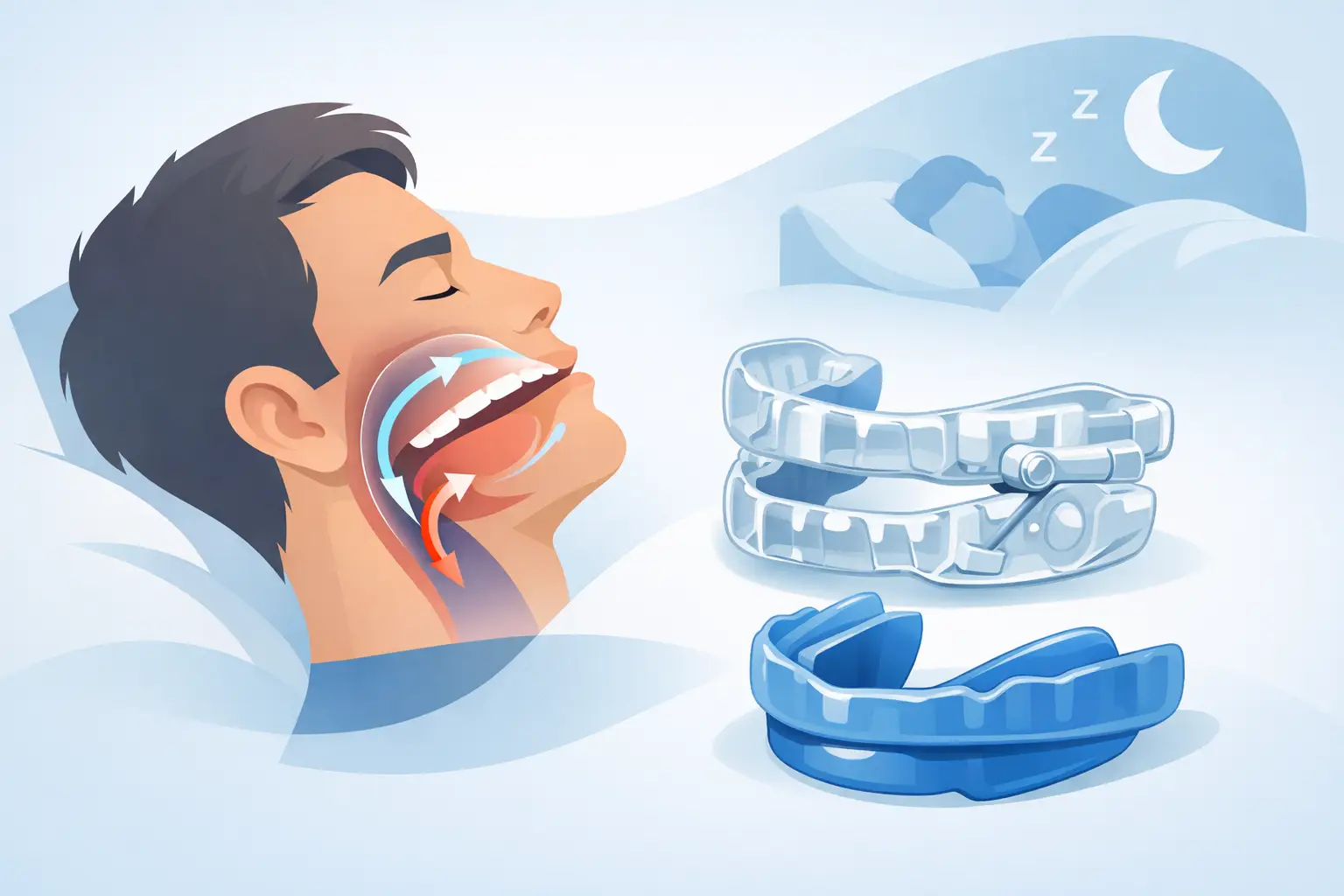
Waking up tired after a full night in bed can be frustrating, especially when snoring, gasping, or a CPAP mask has made sleep feel like another task to manage. An apnea dental appliance may offer a comfortable, clinically proven option for many people with obstructive sleep apnea. It is not a generic night guard or an over-the-counter snoring device. It is a custom medical device prescribed as part of a coordinated sleep-care plan.
Oral appliance therapy explained
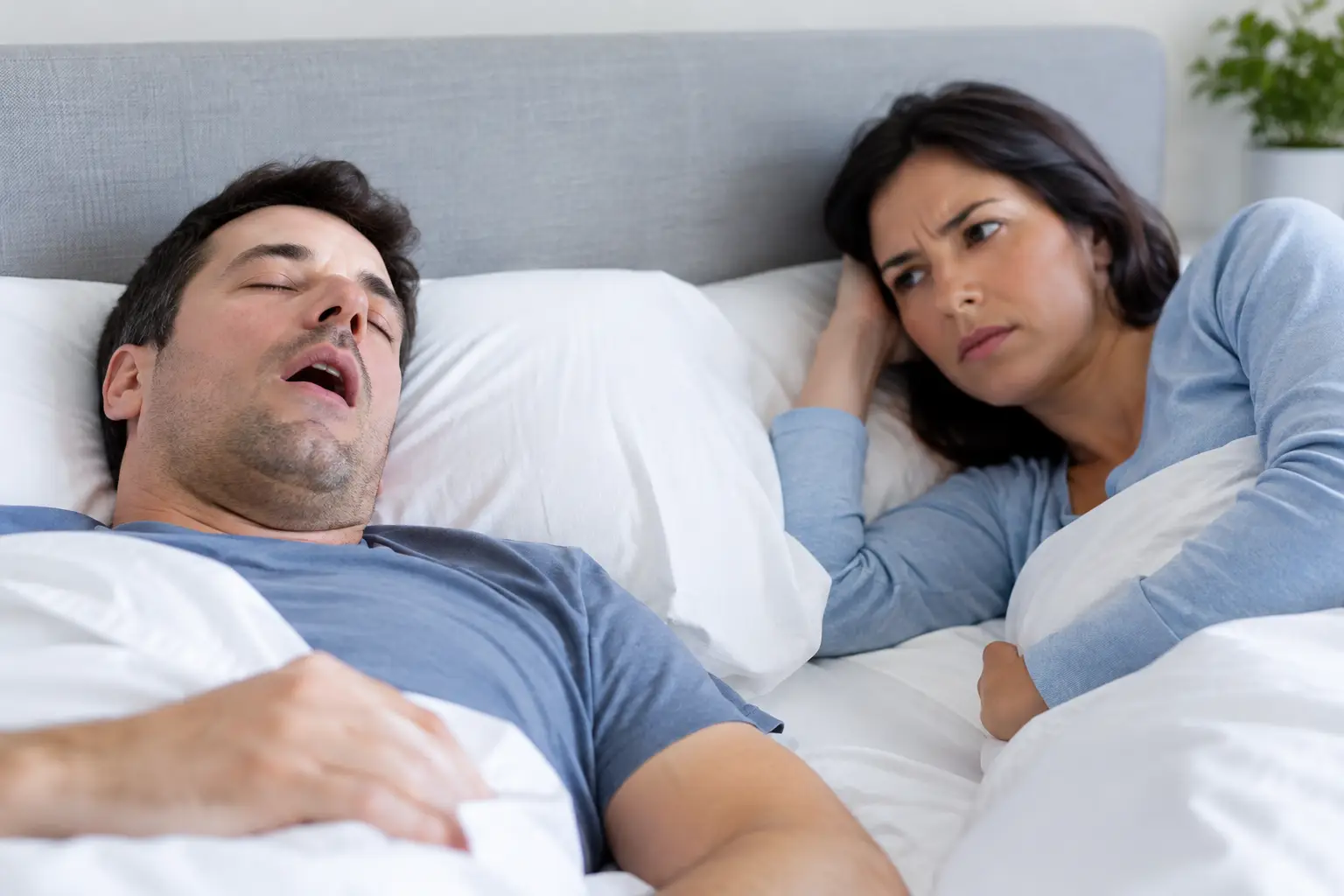
Obstructive sleep apnea happens when the muscles of the throat relax during sleep and the airway becomes partly or fully blocked. Breathing may pause repeatedly, reducing oxygen levels and disrupting normal sleep cycles. Many people do not remember these interruptions, but they often feel the effects: daytime sleepiness, morning headaches, poor concentration, irritability, loud snoring, or a bed partner who is worried about what they hear at night.
Oral appliance therapy explained simply is a treatment that helps keep the upper airway open while you sleep. The most common type is a mandibular advancement device. It fits over the upper and lower teeth, much like clear retainers, and gently holds the lower jaw slightly forward.
A dental device for jaw positioning sleep apnea is custom-made from digital scans or impressions of your teeth. It is adjusted in small, controlled increments over time. That individualized fit matters. A device that is too loose, too bulky, or positioned incorrectly may be uncomfortable and may not provide the airway support you need.
How do dental appliances work for sleep apnea?
The mechanism of oral appliance therapy is based on anatomy. When the lower jaw moves forward, the tongue and related soft tissues move forward with it. This creates more space behind the tongue and makes the airway less likely to collapse during sleep.
The goal is not to force the jaw into an extreme position. Your dentist gradually advances the appliance to find the lowest effective setting that improves breathing while protecting comfort, the jaw joints, teeth, and bite. Some people notice less snoring early in treatment, but symptom improvement alone does not confirm that sleep apnea is adequately controlled. A follow-up sleep study or home sleep test is often used to measure the treatment result.
A sleep apnea treatment dental appliance is usually worn every night. Because it is small, quiet, and portable, it can be particularly appealing to people who travel often, struggle with mask comfort, or remove CPAP during the night without realizing it.
Does a dental appliance really work for sleep apnea?
Yes, when it is used for the right diagnosis, made specifically for the patient, and monitored properly. Oral appliances are an established treatment for obstructive sleep apnea and primary snoring. They are commonly recommended for adults with mild to moderate obstructive sleep apnea and for patients with severe sleep apnea who cannot tolerate CPAP or prefer an alternative after discussing the trade-offs with their sleep physician.
How effective are dental appliances for apnea? The honest answer is that it depends. Factors such as the severity of apnea, body weight, nasal breathing, airway anatomy, sleep position, jaw structure, and consistency of use can affect results. Some patients achieve excellent control of their apnea. Others experience meaningful improvement but still need another treatment, such as CPAP, positional therapy, weight management, or treatment for nasal obstruction.
CPAP delivers pressurized air to prevent airway collapse and is generally the most consistently effective option for severe obstructive sleep apnea when it is worn as prescribed. Yet effectiveness in real life also includes whether a patient can use treatment throughout the night, every night. A treatment that is highly effective on paper cannot help much if it stays on the nightstand.
That is why dental sleep medicine is not about declaring one option universally better. It is about identifying a treatment you can use comfortably and consistently while confirming that it is protecting your health.
Dental appliance vs CPAP for sleep apnea
Choosing between a dental appliance vs CPAP for sleep apnea should begin with a medical diagnosis, not a guess based on snoring alone. Snoring can be harmless, but it can also be a sign of obstructive sleep apnea. A sleep physician can determine whether apnea is present and how severe it is.
CPAP may be the preferred starting point for severe apnea, substantial oxygen drops, certain heart or lung conditions, or when rapid and maximum airway support is needed. It can be highly effective, but some patients find the mask, tubing, air pressure, dry mouth, or noise difficult to manage.
An oral appliance has different strengths. It does not require electricity, makes no noise, travels easily, and is typically less intrusive. Many patients find it easier to wear. However, it may cause temporary tooth tenderness, jaw soreness, excess saliva, dry mouth, or a short-term change in the way the teeth meet when the appliance is removed in the morning. These effects should be evaluated rather than ignored.
For some patients, the best answer is coordinated care. A dental appliance may be used when traveling, combined with CPAP at a lower pressure, or included in a broader plan that addresses sleep position and other contributing factors. Your physician and qualified dental sleep provider can help determine what is appropriate.
What treatment with a custom appliance involves
A careful process protects both your breathing and your dental health. After a sleep physician has diagnosed obstructive sleep apnea and recommended oral appliance therapy, a qualified dentist reviews your teeth, gums, jaw joints, bite, and existing dental work. Healthy, stable teeth are needed to support the appliance. If there is untreated gum disease, loose teeth, significant tooth wear, or complex restorative work planned, those concerns may need attention first.
At Seattle Oral Care, an AADSM-certified prosthodontist can evaluate how an appliance fits into your overall oral health. This is especially valuable for patients with crowns, implants, bridges, dentures, or a history of jaw discomfort. The goal is to create a plan that supports better sleep without compromising long-term dental stability.
Once the appliance is made, you receive instructions on insertion, removal, cleaning, and gradual adjustment. Follow-up visits are not optional extras. They allow your provider to fine-tune jaw position, address discomfort, assess changes in your bite, and coordinate follow-up testing with your sleep team.
When an oral appliance may not be the best fit
A dental appliance is not appropriate for every person who snores or has sleep apnea. People with untreated central sleep apnea need different medical evaluation and treatment. Severe jaw-joint pain, limited jaw movement, inadequate teeth to retain the device, or advanced periodontal disease may also affect candidacy.
Over-the-counter mouthpieces deserve caution as well. They may advance the jaw without accounting for your bite, jaw health, dental restorations, or diagnosed apnea severity. A custom appliance is designed for precise, adjustable treatment and ongoing professional monitoring.
If you are already using CPAP successfully, there is no need to change treatments simply because an oral appliance sounds easier. But if CPAP has been difficult to tolerate, you are waking unrefreshed despite treatment, or snoring is affecting your household, ask for a conversation about your options . Better sleep care begins with an accurate diagnosis, a device fitted to your needs, and follow-up that confirms your breathing is truly improving.