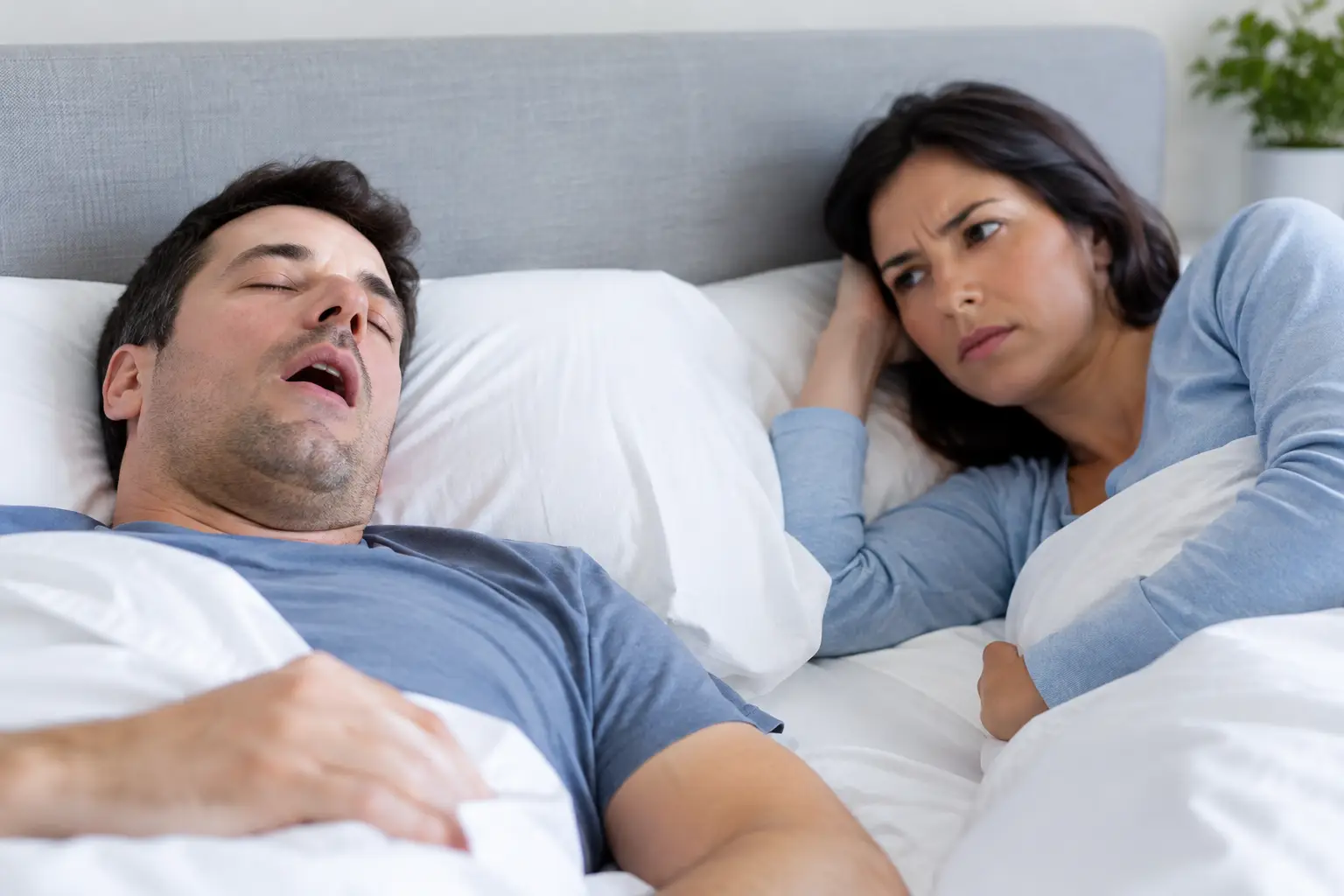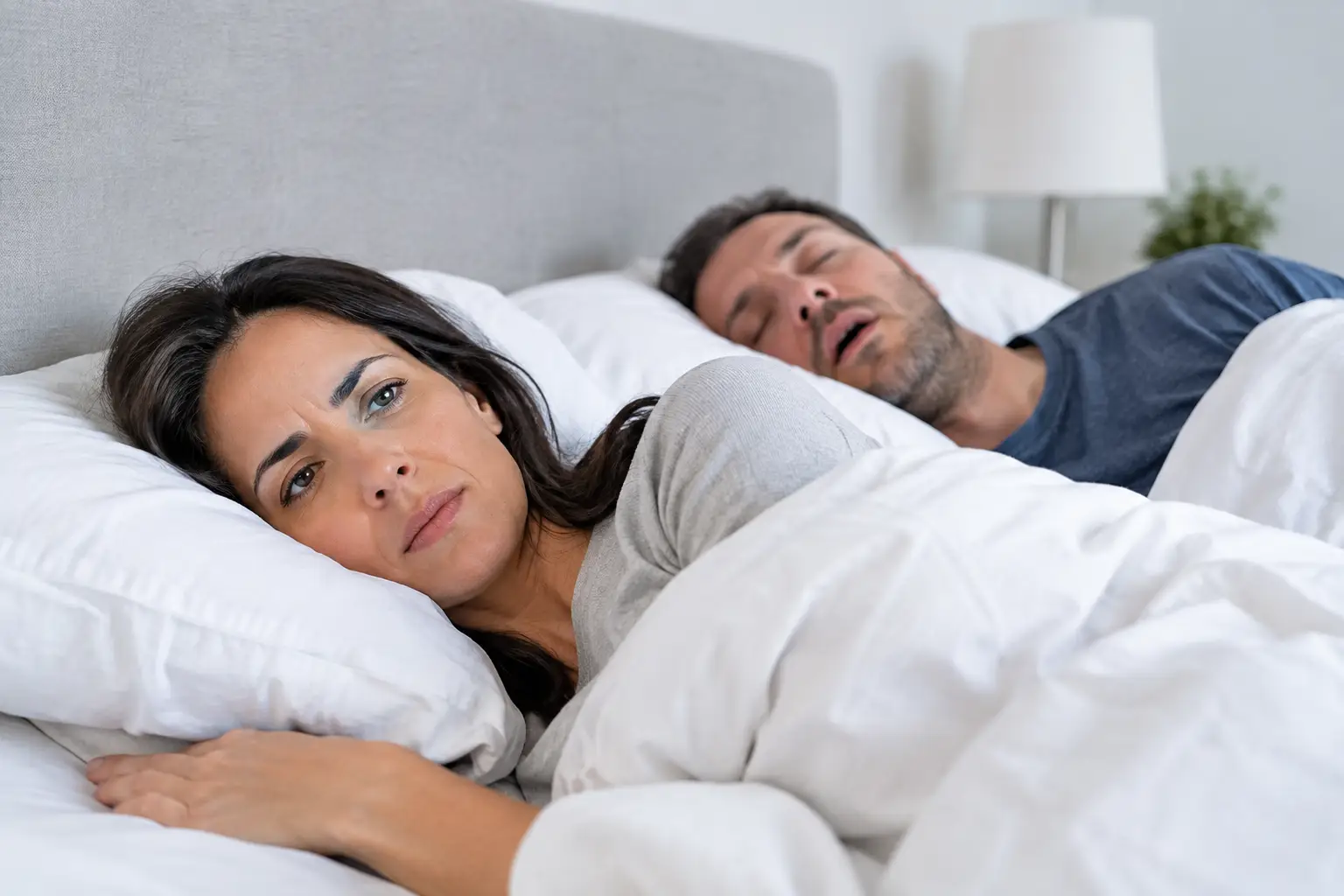
Snoring is often treated like a nuisance, but when it comes with daytime fatigue, morning headaches, gasping during sleep, or trouble focusing, it may signal obstructive sleep apnea. Oral Appliance Therapy for Sleep Apnea offers a comfortable, travel-friendly treatment option for many people who struggle with snoring or cannot tolerate CPAP.
Sleep apnea is more than lost sleep. Repeated pauses in breathing can affect oxygen levels and place added strain on the body over time. The good news is that effective care does not look the same for every patient. A personalized treatment plan can help you breathe more easily and feel more rested without overlooking your overall health.
How Oral Appliance Therapy for Sleep Apnea Works
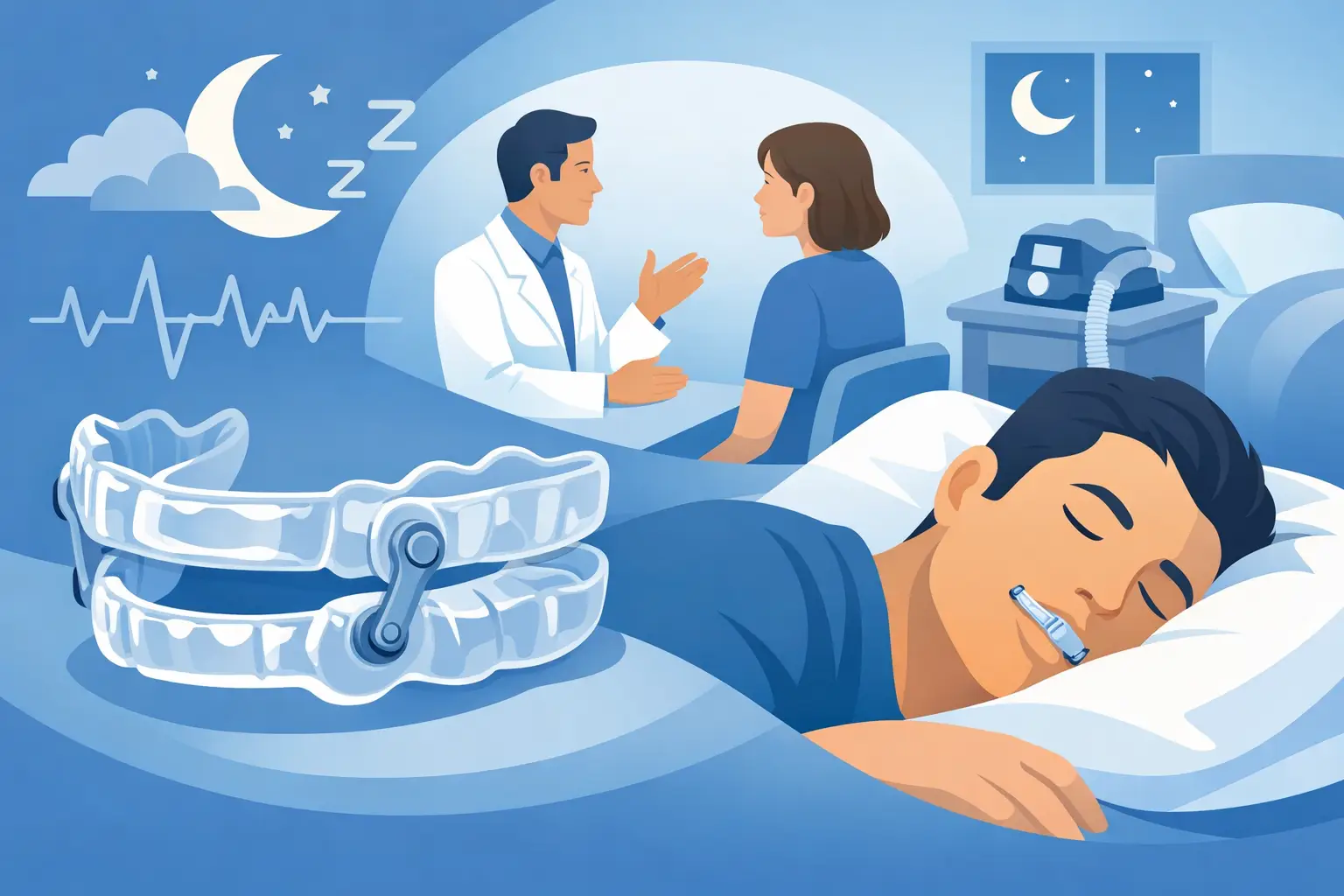
An oral sleep appliance is a custom-made device worn over the teeth at night. It gently supports the lower jaw in a more forward position, helping keep the airway open while you sleep. When the airway is less likely to collapse, breathing interruptions and snoring may decrease.
These appliances are not the same as over-the-counter mouthguards or products marketed for snoring. A clinically prescribed oral appliance is designed around your bite, teeth, jaw joints, and airway needs. It can also be adjusted gradually to find a position that improves breathing while protecting comfort and long-term dental health.
For many patients, the appeal is simple: the appliance is small, quiet, and easy to bring along when traveling. There are no hoses, masks, or machine noise. Still, comfort alone is not the goal. The device must be carefully fitted and monitored to ensure it is helping your sleep-disordered breathing.
Who May Benefit From an Oral Sleep Appliance?
Oral appliance therapy is commonly recommended for adults with mild to moderate obstructive sleep apnea. It may also be appropriate for patients with severe sleep apnea who have tried CPAP but cannot use it consistently, or when a sleep physician determines it is a suitable alternative or companion treatment.
The right choice depends on more than how loudly someone snores. Your sleep study results, airway anatomy, weight, medical history, symptoms, jaw function, and dental condition all matter. People with untreated gum disease, loose teeth, active tooth pain, or significant jaw-joint concerns may need dental care or a different approach before beginning appliance therapy.
CPAP remains a highly effective treatment and is often the first recommendation for severe obstructive sleep apnea. For some people, it is the best fit. For others, a custom oral appliance provides the realistic, sustainable solution they have been looking for. The most successful treatment is one that is both clinically appropriate and consistently used.
What the Treatment Process Looks Like
A proper diagnosis should come first. Sleep apnea is diagnosed by a physician using a sleep study , not by a dentist based on snoring alone. If sleep apnea is confirmed and oral appliance therapy is appropriate, the next step is a thorough dental evaluation.
Your provider will examine your teeth, gums, bite, jaw movement, and existing dental work. Digital impressions or scans are used to create an appliance that fits precisely. After delivery, the appliance is adjusted over time based on your comfort, symptoms, and the treatment goals established with your sleep physician.
Follow-up care matters. An AADSM-certified prosthodontist understands how to balance airway treatment with the health of your bite and jaw joints. Because oral appliances can gradually affect tooth position or bite in some patients, regular check-ins help identify small changes early and keep treatment on track.
What to Expect During Adjustment
Most patients need a short adjustment period. You may notice temporary tooth pressure, extra saliva, dry mouth, or mild jaw soreness when first wearing the appliance. These concerns often improve as you adapt, and adjustments can make a meaningful difference.
A well-made appliance should feel secure without being painful. Do not assume discomfort is something you simply have to live with. Tell your dental sleep provider if you experience persistent jaw pain, a changing bite, damaged appliance parts, or continued symptoms of sleep apnea. Treatment should be responsive to how you are feeling, not just how the appliance looks.
Better Sleep Starts With a Clear Plan
If snoring is disrupting your household or fatigue is affecting your days, it is worth asking whether obstructive sleep apnea could be involved. At Seattle Oral Care, coordinated evaluation and ongoing follow-up help patients understand their options and move forward with care that supports both better breathing and long-term oral health .
A conversation with your physician and a qualified dental sleep provider can help determine whether a custom oral appliance belongs in your plan for healthier, more restorative sleep.