Falling asleep during a meeting, fighting to stay alert on the drive home, or waking up exhausted after a full night in bed can feel frustrating and confusing. If you have searched for “excessive daytime sleepiness causes, why am I tired all day, sleep apnea fatigue,” you are not alone. Persistent daytime fatigue is common, but it is not something you should simply have to push through.
Excessive Daytime Sleepiness Causes: Start With Sleep Quality
Adults generally need seven to nine hours of sleep, but time in bed is not always the same as restorative sleep. A changing schedule, late-night screen use, alcohol close to bedtime, stress, pain, and an uncomfortable sleep environment can all reduce sleep quality. So can sleep debt, which builds gradually when you regularly get less sleep than your body needs.
Certain medications can also cause drowsiness. This may include some allergy medicines, pain medicines, antidepressants, anxiety medicines, and medications that affect blood pressure. Never stop a prescribed medicine on your own, but bring daytime sleepiness up with the clinician who manages it.
Medical conditions deserve consideration, too. Thyroid disorders, anemia, depression, diabetes, chronic pain, and other concerns can affect energy and sleep. A primary care evaluation can help identify whether blood work, medication changes, or additional testing is appropriate.
When Sleep Apnea Fatigue May Be the Cause
Obstructive sleep apnea occurs when the airway repeatedly narrows or closes during sleep. Your brain briefly wakes you enough to restore breathing, often without you remembering it. These interruptions can happen many times each night, leaving you with sleep apnea fatigue even if you believe you slept for plenty of hours.
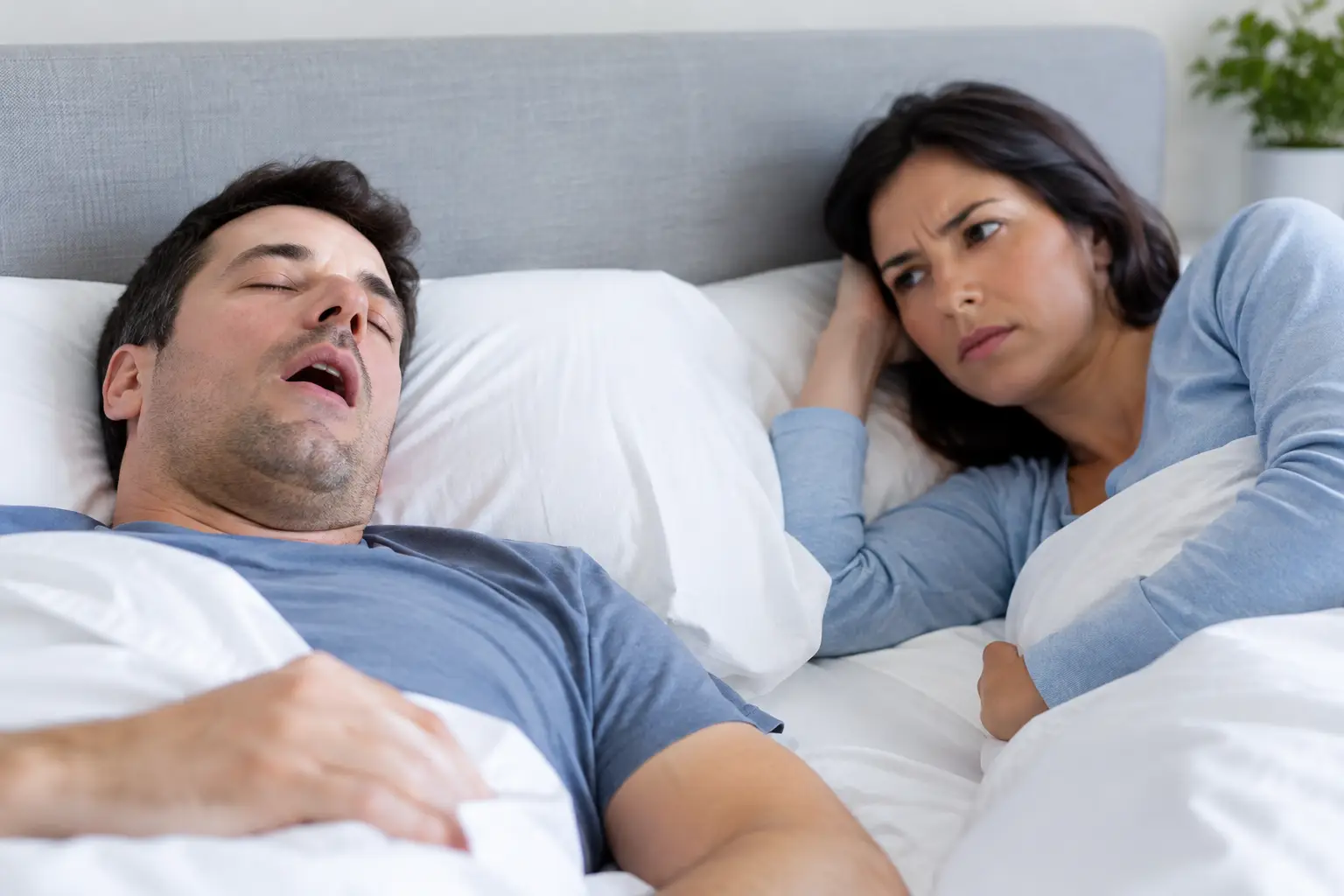
Loud, frequent snoring is a common sign, but it is not the only one. You may also wake up gasping, notice dry mouth or headaches in the morning, make frequent nighttime bathroom trips, or feel unusually irritable and unfocused during the day. Bed partners are often the first to notice pauses in breathing.
Sleep apnea can affect people of many body types and ages. Risk can increase with excess weight, alcohol use near bedtime, nasal congestion, family history, and changes in airway anatomy. Menopause and aging can also change risk. The key point is that snoring and fatigue are worth discussing, not dismissing as a normal part of getting older.
Why “I’m Tired All Day” Can Affect More Than Energy
Daytime sleepiness can make work, family responsibilities, and everyday decisions harder. It may also raise the risk of motor vehicle accidents, especially if you find yourself nodding off at the wheel. If you feel too sleepy to drive safely, do not drive.
Untreated obstructive sleep apnea is associated with broader health concerns, including high blood pressure and cardiovascular strain. That does not mean every tired person has sleep apnea, but it does mean persistent symptoms deserve a thoughtful evaluation rather than another cup of coffee.
What a Sleep Evaluation Can Clarify
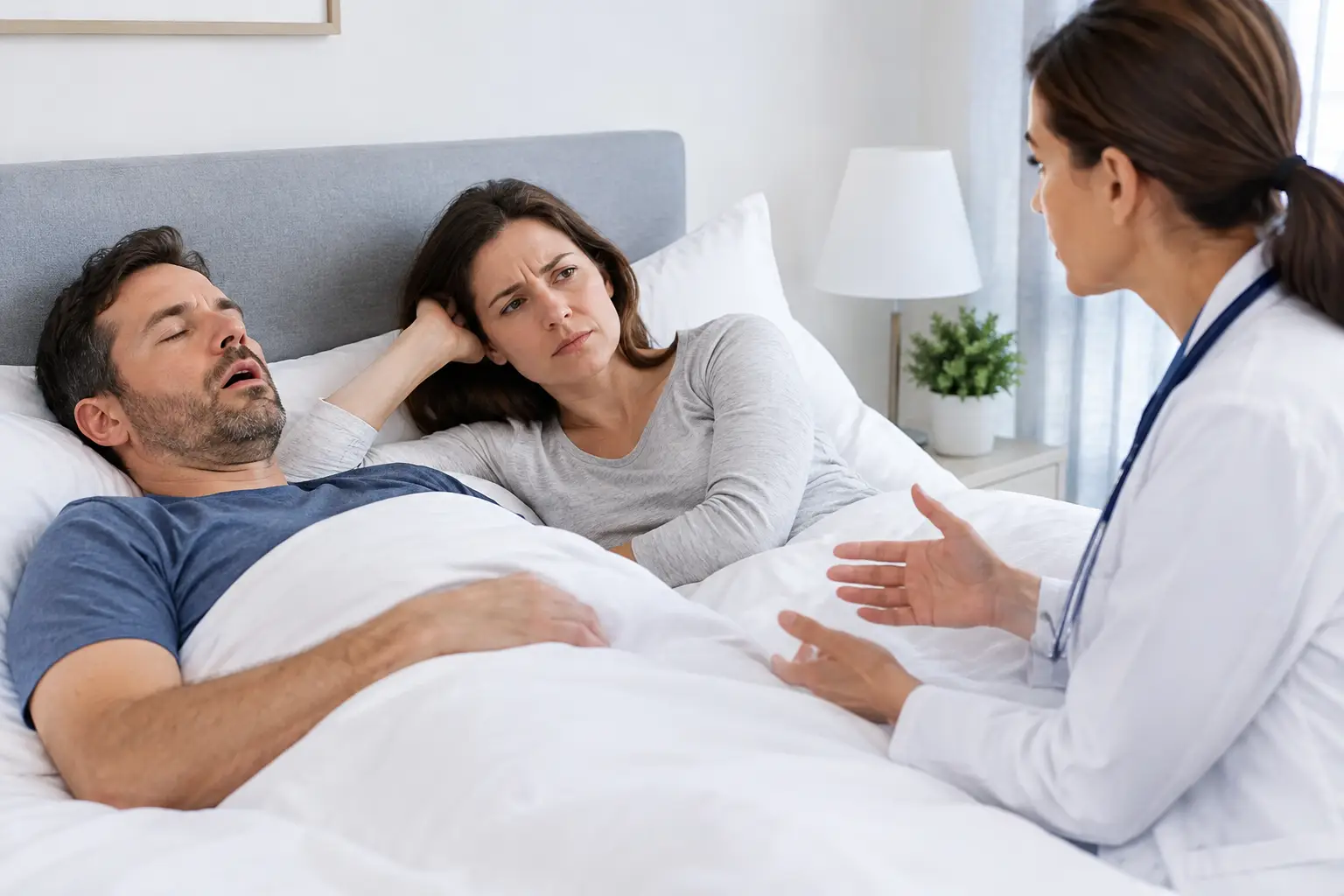
A sleep-focused provider can review your symptoms, health history, medications, sleep habits, and airway. Depending on your situation, they may recommend a home sleep test or an overnight sleep study. Testing helps distinguish obstructive sleep apnea from insomnia, restless legs syndrome, narcolepsy, and other causes of poor sleep or daytime drowsiness.
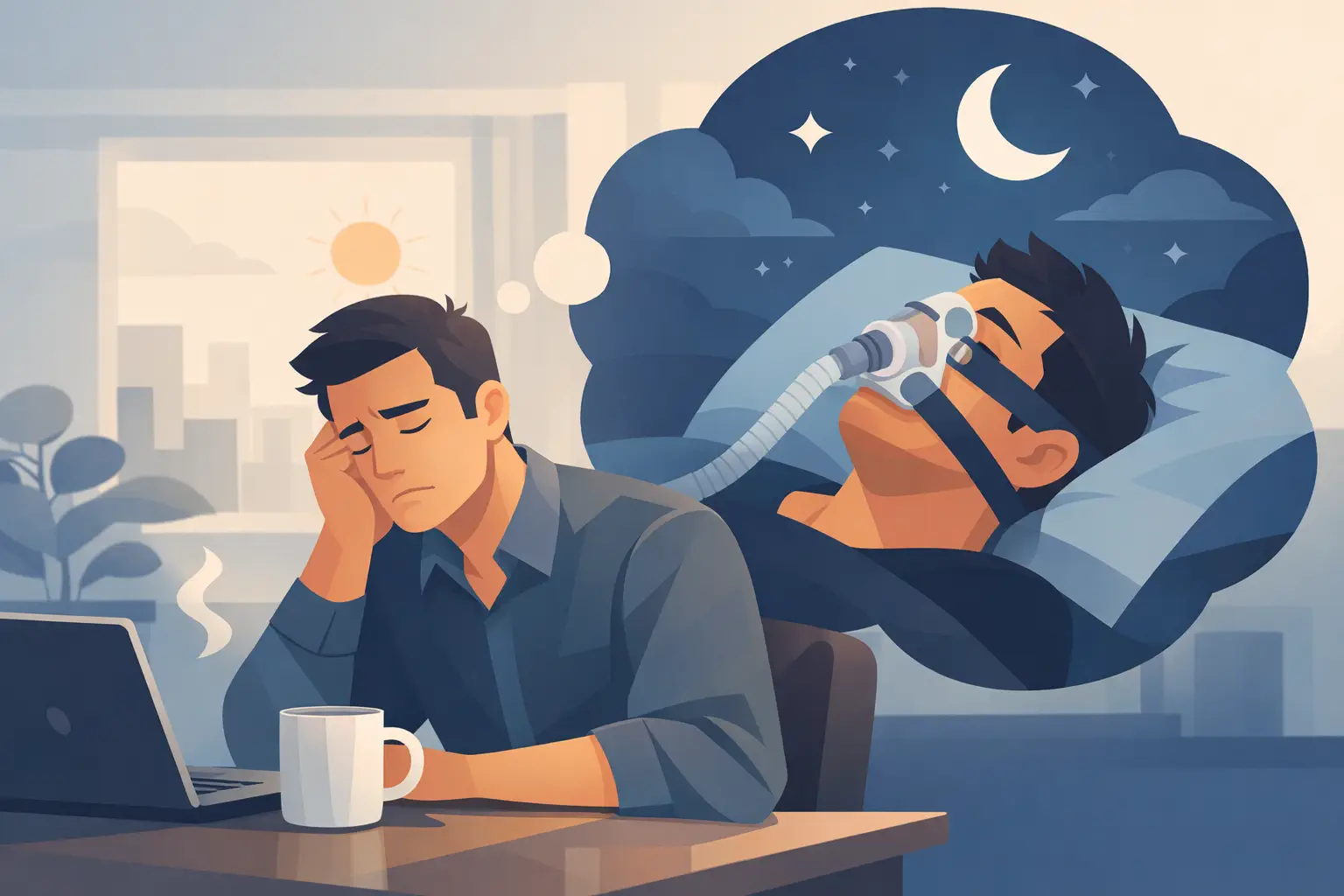
If obstructive sleep apnea is diagnosed, treatment should fit both the severity of the condition and your needs. CPAP is highly effective for many patients. For qualified adults with mild to moderate obstructive sleep apnea, or for those who cannot tolerate CPAP, a custom oral appliance may be another option. The appliance is worn during sleep and gently supports the lower jaw in a position that helps keep the airway open.
Unlike an over-the-counter mouthguard, a custom sleep appliance is designed for your bite and monitored over time. Follow-up matters because treatment should improve breathing and comfort while protecting your teeth, jaw joints, and long-term dental health.
A Practical Next Step for Ongoing Fatigue
Keep a brief record for one to two weeks: your bedtime, wake time, awakenings, alcohol or medication use, snoring reports, and how alert you feel during the day. That information can make a medical or sleep consultation more productive.
At Seattle Oral Care, an AADSM-certified prosthodontist can help evaluate whether oral appliance therapy may have a role in your obstructive sleep apnea care. You deserve an answer that looks beyond the obvious and a plan that helps you wake up feeling more like yourself.