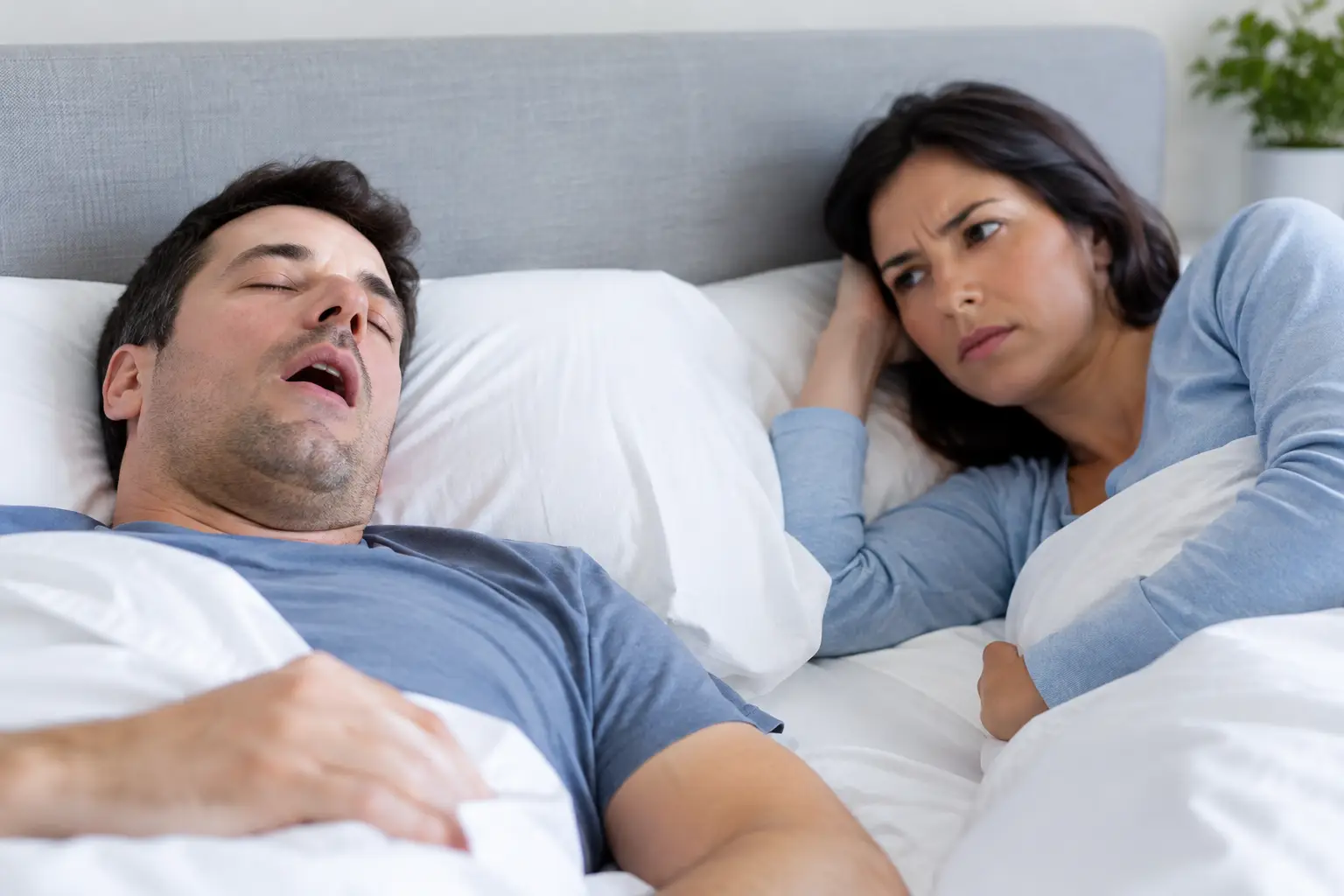
A night of loud snoring, gasping, or restless sleep can affect far more than your energy the next morning. Sleep apnea and high blood pressure often occur together, and the connection is not a coincidence. When breathing repeatedly stops during sleep, the body is placed under stress night after night - including the heart and blood vessels.
For people with high blood pressure that remains difficult to control, untreated obstructive sleep apnea may be one piece of the puzzle. Identifying and treating a sleep-breathing disorder can support your overall health while helping you feel more rested and alert during the day.
Why obstructive sleep apnea can raise blood pressure
Obstructive sleep apnea occurs when the airway narrows or closes during sleep. Your brain briefly wakes the body enough to reopen the airway, sometimes dozens of times in a single night. Most people do not remember these interruptions, but their body feels the effects.
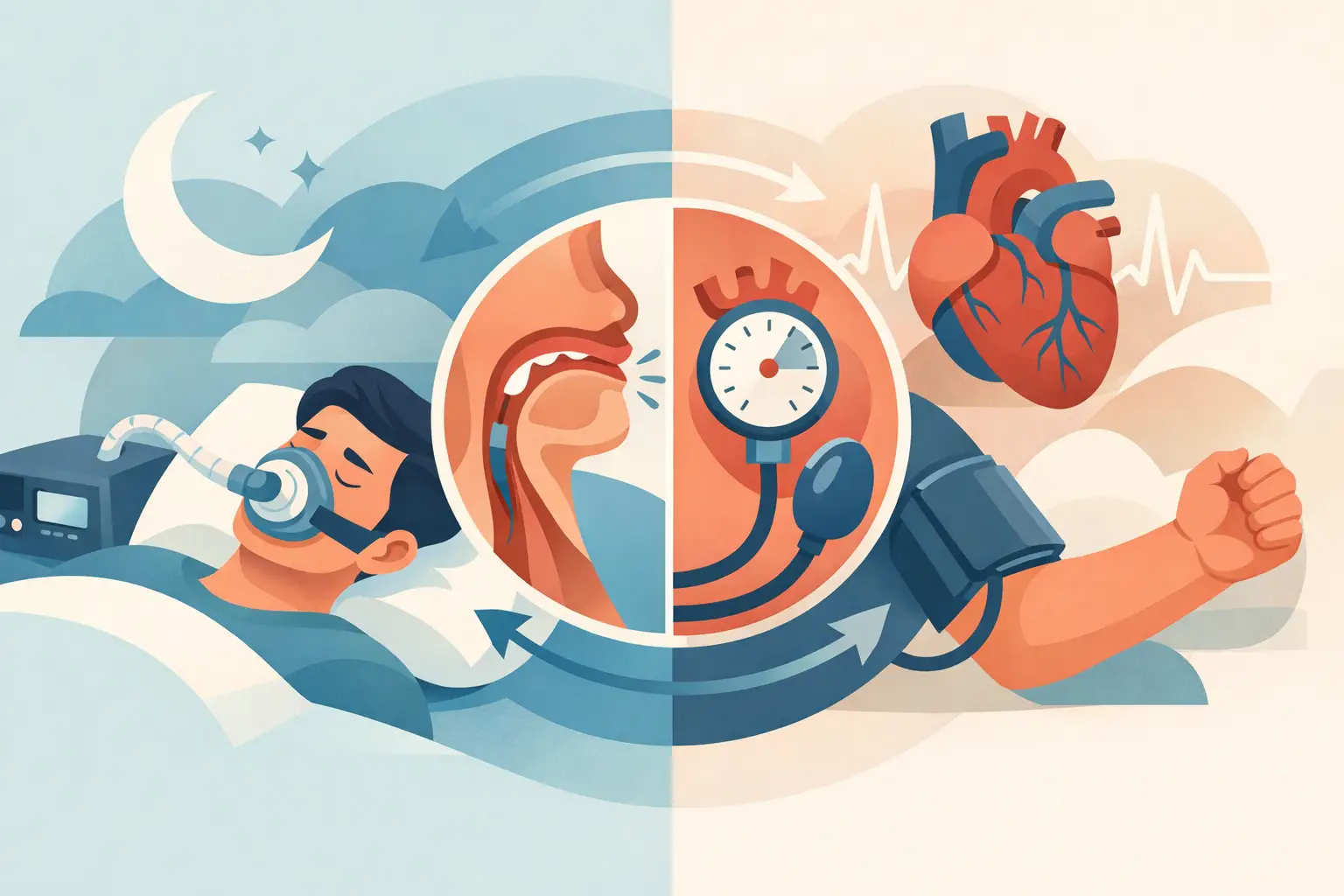
Each breathing pause can lower oxygen levels and trigger a surge of stress hormones. Your heart rate and blood pressure rise as your body works to restore normal breathing. Over time, those repeated nighttime spikes may contribute to blood pressure that stays elevated during the day.
Sleep apnea can also interfere with the normal overnight dip in blood pressure. Blood pressure typically falls during healthy sleep, giving the cardiovascular system a chance to recover. When sleep is fragmented, that restorative pattern may be disrupted.
Sleep apnea and high blood pressure: signs worth discussing
Not everyone with sleep apnea snores loudly, and not everyone who snores has sleep apnea. Still, it is worth speaking with a physician or sleep professional if you have high blood pressure along with frequent snoring, witnessed pauses in breathing, choking or gasping during sleep, morning headaches, dry mouth, or ongoing daytime fatigue.
Some people notice less obvious signs, such as irritability, trouble concentrating, waking often to use the bathroom, or falling asleep easily during quiet activities. A partner may be the first person to notice the breathing changes. These symptoms do not confirm sleep apnea on their own, but they are good reasons to ask for an evaluation.
High blood pressure has many possible causes, including family history, kidney disease, certain medications, alcohol use, diet, and stress. Sleep apnea is not the answer for every patient. But when it is present, treating it is an important part of a coordinated care plan.
Getting an accurate diagnosis comes first
A sleep study is needed to diagnose obstructive sleep apnea and determine its severity. Depending on your health history and symptoms, a physician may recommend an at-home sleep test or an overnight study in a sleep center.
That diagnosis guides treatment. It also helps your medical and dental providers monitor whether therapy is working. Continue taking blood pressure medication exactly as prescribed unless your physician directs otherwise. Sleep apnea treatment can be a meaningful addition to blood pressure care, but it does not replace medical follow-up.
If you have chest pain, severe shortness of breath, fainting, or signs of a stroke, seek urgent medical care rather than waiting for a sleep consultation.
Where an oral appliance may fit
CPAP therapy is highly effective for many people with obstructive sleep apnea, particularly when apnea is severe. Yet some patients struggle with the mask, pressure, noise, or consistency of wearing it. For patients with mild to moderate obstructive sleep apnea, and for some people who cannot tolerate CPAP, a custom oral appliance may be an appropriate option.
This small, removable device is worn during sleep. It gently positions the lower jaw forward to help keep the airway more open. Unlike over-the-counter mouthguards, a professionally made oral appliance is designed for your bite, teeth, jaw joints, and prescribed treatment needs.
Oral appliance therapy requires collaboration. A sleep physician diagnoses the condition and determines whether the appliance is appropriate. A qualified dental sleep provider designs and adjusts the device, then follows your comfort, bite, and oral health over time. Follow-up sleep testing may be used to confirm that treatment is adequately controlling breathing interruptions.
At Seattle Oral Care, an AADSM-certified prosthodontist provides individualized oral appliance therapy for qualifying patients. The goal is not simply a quieter bedroom. It is treatment that supports better breathing, more restorative sleep, and long-term oral comfort.
A practical next step for better sleep
If you have been told that you snore, wake up exhausted, or have high blood pressure that has been hard to manage, bring sleep apnea into the conversation with your physician. Once you have a diagnosis, you can review treatment options that fit your health needs, comfort, and daily life. Better sleep is worth taking seriously because your heart is working through every interrupted night.