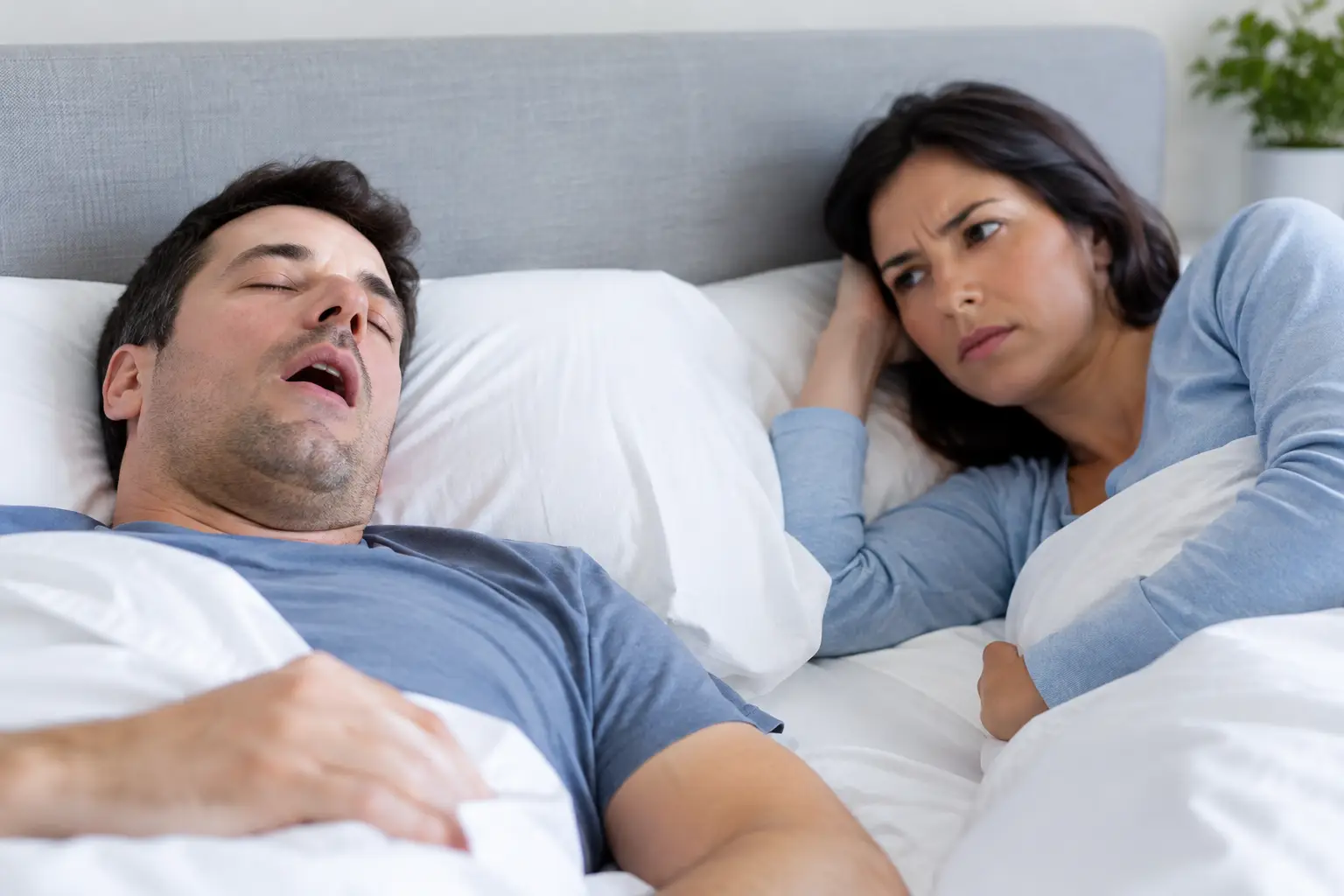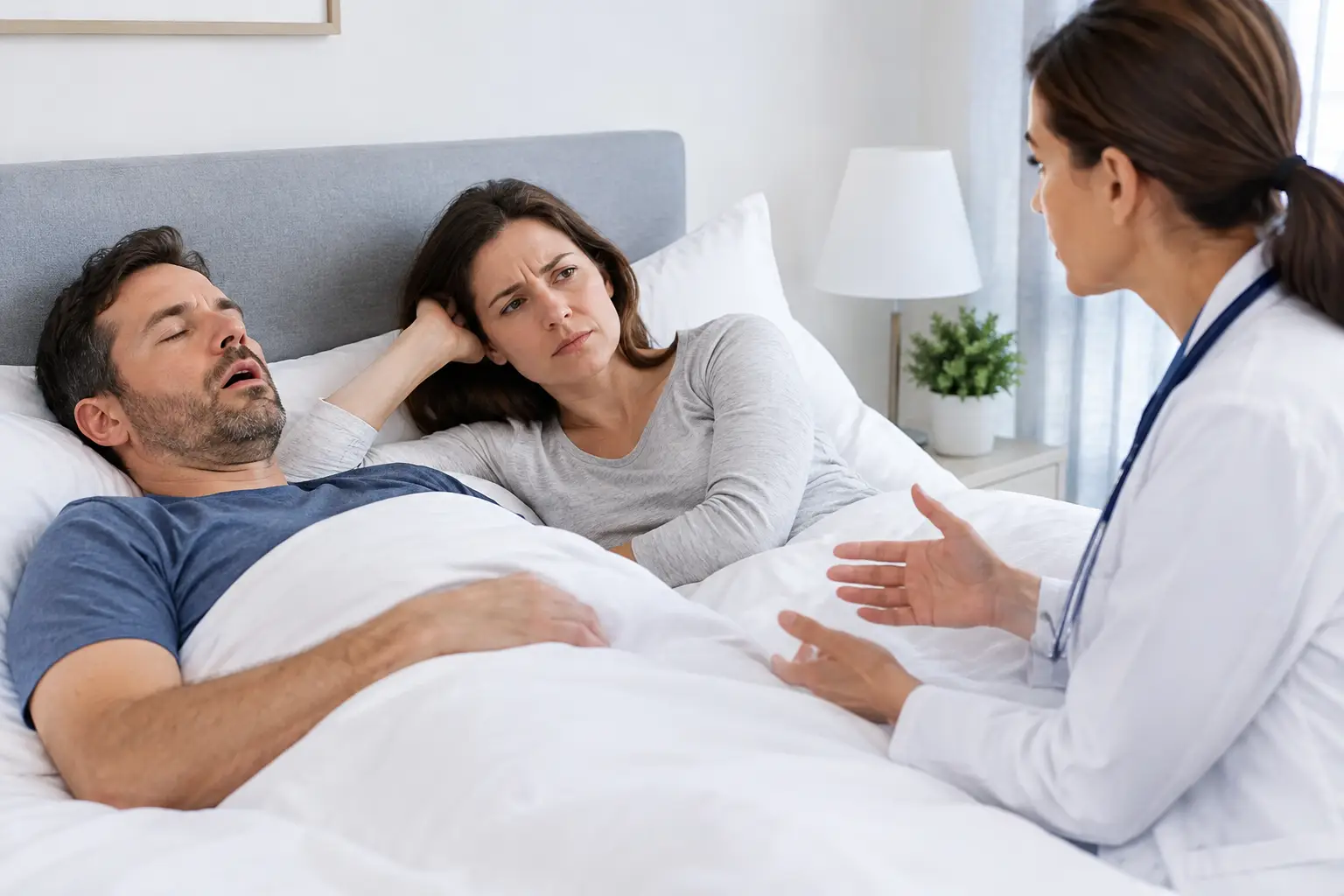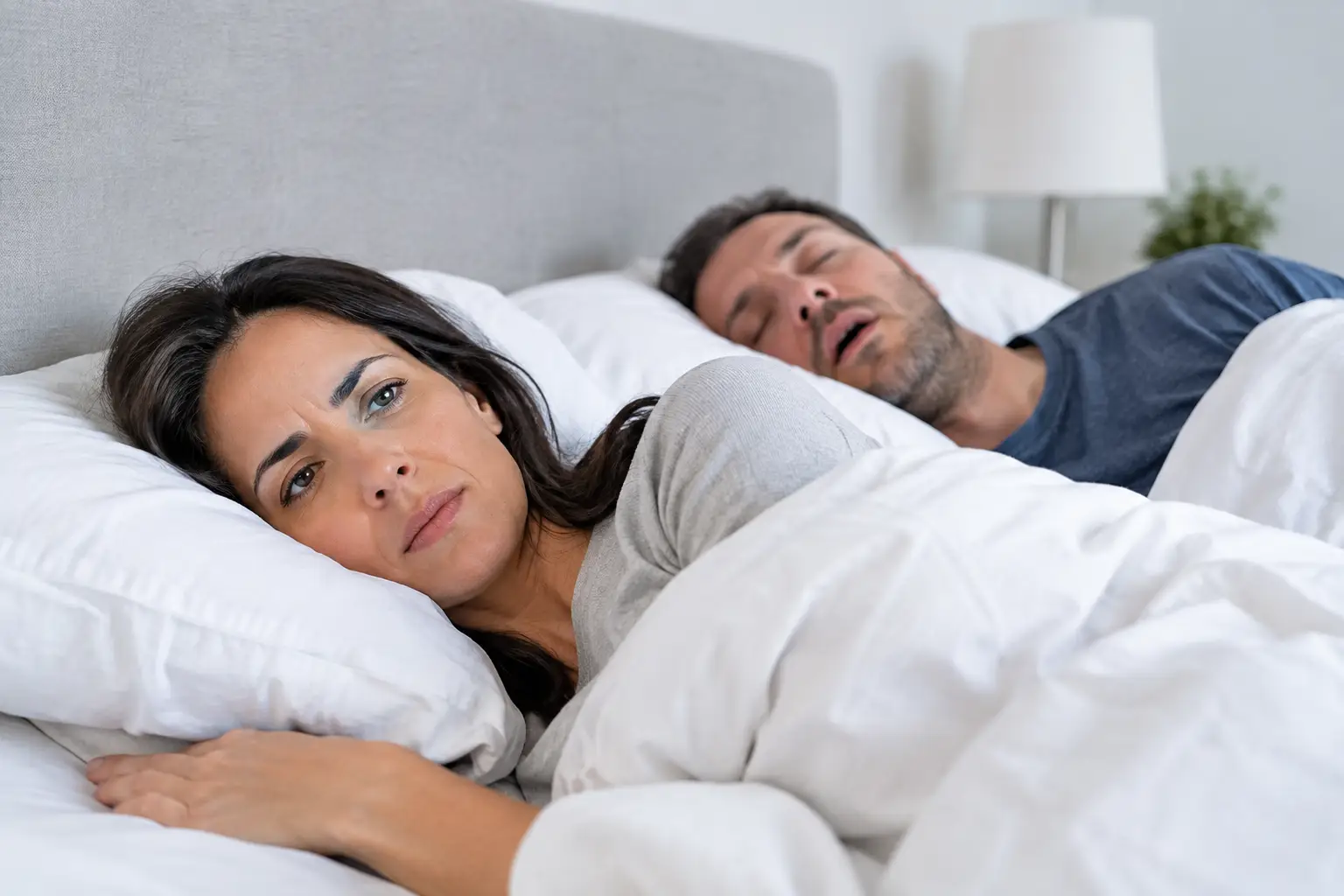
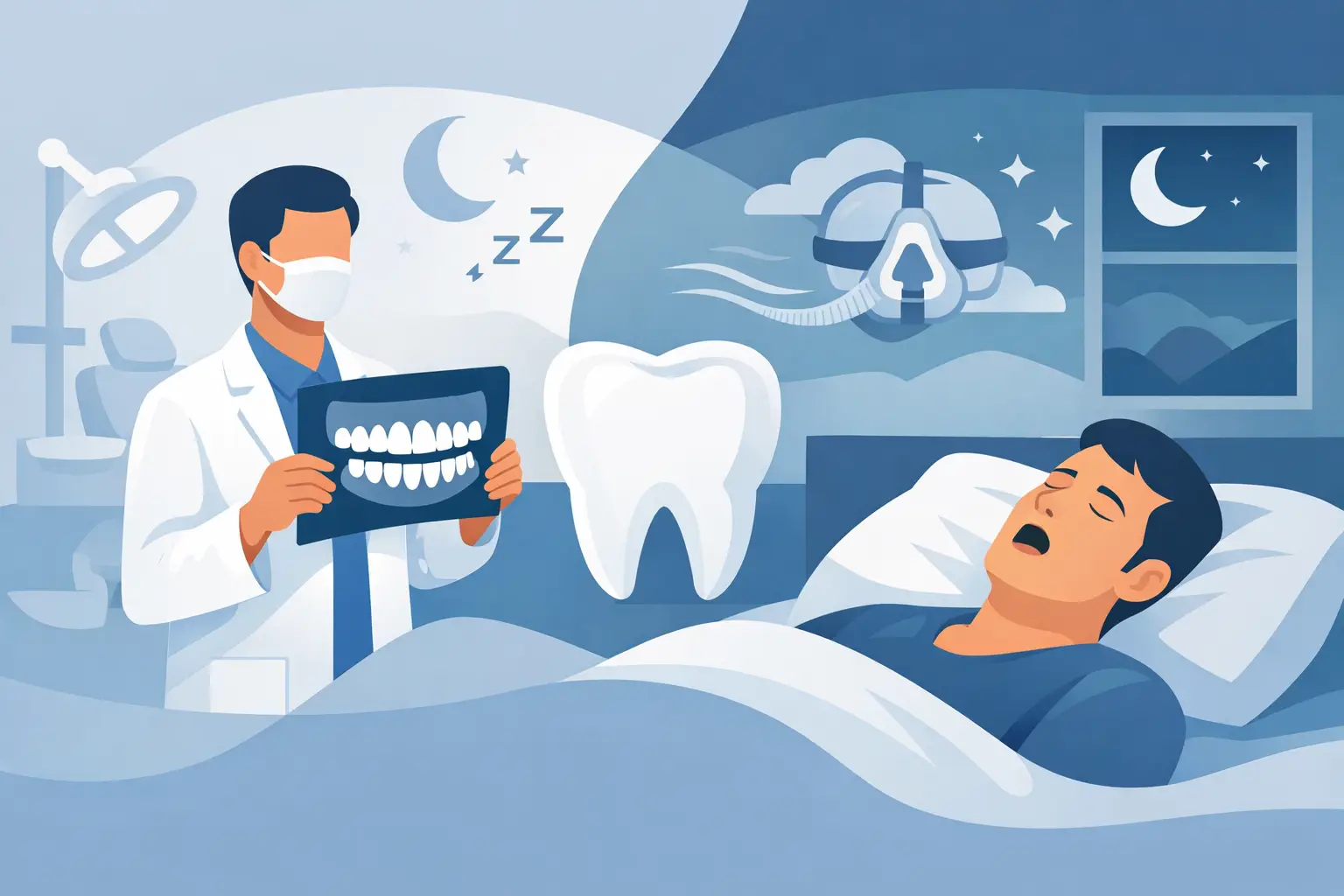
Waking up with a headache, falling asleep during afternoon meetings, or hearing that your snoring has become unbearable can affect far more than one night of rest. A sleep apnea dentist may be part of the answer when obstructive sleep apnea has been diagnosed and CPAP is difficult to use, poorly tolerated, or not the only treatment your care team recommends.
Sleep apnea treatment is not one-size-fits-all. The right approach depends on the type and severity of your condition, your airway, your medical history, and what you can consistently use night after night. For many adults, a custom oral appliance offers a comfortable, effective option that supports better breathing without surgery or a bulky mask.
What a sleep apnea dentist does
A dentist who provides oral appliance therapy works alongside your physician and sleep specialist to treat obstructive sleep apnea, or OSA. OSA occurs when the soft tissues at the back of the throat relax during sleep and temporarily block the airway. Breathing pauses or becomes shallow, oxygen levels can drop, and the brain briefly wakes the body to reopen the airway. These interruptions may happen dozens of times in an hour, often without the sleeper realizing it.
A sleep dentist does not diagnose sleep apnea from snoring alone. Diagnosis begins with a physician-directed sleep study, performed at home or in a sleep center. Once a medical provider has confirmed OSA and prescribed oral appliance therapy when appropriate, the dentist evaluates your teeth, bite, jaw joints, gum health, and oral anatomy to determine whether an appliance is a good fit.
The appliance is worn only while sleeping. It gently holds the lower jaw forward, helping keep the airway more open. This is called a mandibular advancement device. It is not a generic night guard, and it should not be confused with an over-the-counter snoring device. A properly made appliance is customized to your teeth and adjusted in small, controlled increments.
When an oral appliance may be a good option
Oral appliance therapy is commonly recommended for adults with mild to moderate obstructive sleep apnea. It may also be appropriate for people with severe OSA who cannot tolerate CPAP or who need an alternative treatment under the direction of their sleep physician.
CPAP remains highly effective and is often the first treatment recommended for severe sleep apnea. It uses gentle air pressure to keep the airway open. For some people, it becomes a reliable part of their routine. For others, mask discomfort, dry mouth, pressure intolerance, noise, travel demands, or difficulty keeping the mask on through the night make consistent use challenging.
That consistency matters. A treatment only helps when it is used. Some patients do best with CPAP, some do well with a custom oral appliance, and some benefit from a coordinated plan that includes both. A portable appliance can also be useful for travel when your sleep physician approves it.
Oral appliances may be considered when you have diagnosed OSA and CPAP intolerance, frequent snoring with a medical evaluation underway, or a desire to explore a smaller treatment option. They are not appropriate for every person. Significant untreated gum disease, loose teeth, limited jaw movement, certain bite concerns, or active jaw-joint pain may require dental treatment first or lead to a different recommendation.
Why a custom appliance matters
Store-bought devices may seem like a simple fix for snoring, but they cannot confirm whether you have sleep apnea or monitor how your teeth and jaw respond over time. They can also fit poorly, irritate the gums, shift teeth, or worsen jaw discomfort.
A custom appliance begins with precise records of your teeth and bite. Your dentist selects a device designed for your needs, fits it carefully, and shows you how to insert, remove, and clean it. The appliance is then adjusted gradually to find the position that improves airway support while remaining comfortable for your jaw.
Follow-up is a core part of treatment, not an extra step. Your dentist checks for sore teeth, bite changes, gum irritation, appliance wear, and jaw-joint symptoms. Your sleep physician may order a follow-up sleep study to confirm that the therapy is reducing breathing events effectively. Feeling less tired is encouraging, but objective testing helps verify that treatment is working.
What to expect at your appointment
A thoughtful consultation should feel like a conversation, not a sales pitch. Your dental team will ask about your sleep diagnosis, CPAP experience, health history, medications, snoring, daytime fatigue, and goals. Bring your sleep study results and any physician referral or prescription information if you have them.
The examination includes your teeth, gums, bite, jaw movement, and signs of clenching or grinding. Your dentist may take digital scans, photographs, or X-rays when needed for treatment planning. This is also the time to discuss concerns such as dental anxiety, previous jaw pain, or a history of dental work. A sleep appliance needs to work with your mouth, not against it.
If you move forward, fabrication usually follows the collection of digital or physical impressions. At the delivery visit, the appliance is fitted and adjusted. You will receive clear instructions for nightly wear, cleaning, storage, and what to do if you experience temporary tenderness or changes in your bite upon waking.
Most people need a period of adjustment. Mild pressure on the teeth, increased saliva, or temporary jaw stiffness can occur in the early days. These effects often improve as you adapt, but persistent pain should never be ignored. Call your dental team so the appliance can be evaluated and adjusted.
Questions people often ask
Can a dentist treat snoring without a sleep study?
A dentist can evaluate your oral health and discuss whether an appliance might be suitable, but loud snoring can be a symptom of obstructive sleep apnea. A sleep study is the safest way to understand what is happening and ensure a potentially serious condition is not missed. Treatment for simple snoring and treatment for diagnosed OSA should be guided differently.
Will an oral appliance replace CPAP?
Sometimes, but not automatically. Your sleep physician determines whether oral appliance therapy is medically appropriate. For mild to moderate OSA, it may be a primary treatment. For severe OSA, CPAP may remain the preferred option, though an appliance can be considered when CPAP cannot be used consistently. The decision should be based on clinical findings and follow-up testing, not convenience alone.
Can the appliance change my bite?
Long-term bite changes are possible with mandibular advancement appliances, which is why regular dental monitoring is essential. Your dentist can identify changes early and may provide simple morning exercises or an adjustment device to help your jaw return to its usual position after removing the appliance. The goal is effective treatment with careful protection of your oral health.
Choosing care that looks at the whole picture
Sleep apnea is connected to your overall health, but treatment also has to account for your teeth, gums, jaw, comfort, and daily routine. A provider with focused training in dental sleep medicine can coordinate with your physician while keeping a close watch on the oral changes that an appliance can create.
At Seattle Oral Care, oral appliance therapy is provided by an AADSM-certified prosthodontist, with treatment planning centered on comfort, long-term function, and clear communication. Whether you are newly diagnosed, struggling with CPAP, or looking for help with persistent snoring, you deserve an honest discussion about your options.
Better sleep often starts with one practical step: talk with your physician or dental team about what has been getting in the way of restful nights. The right plan should help you breathe easier while fitting realistically into the life you need to wake up and enjoy.