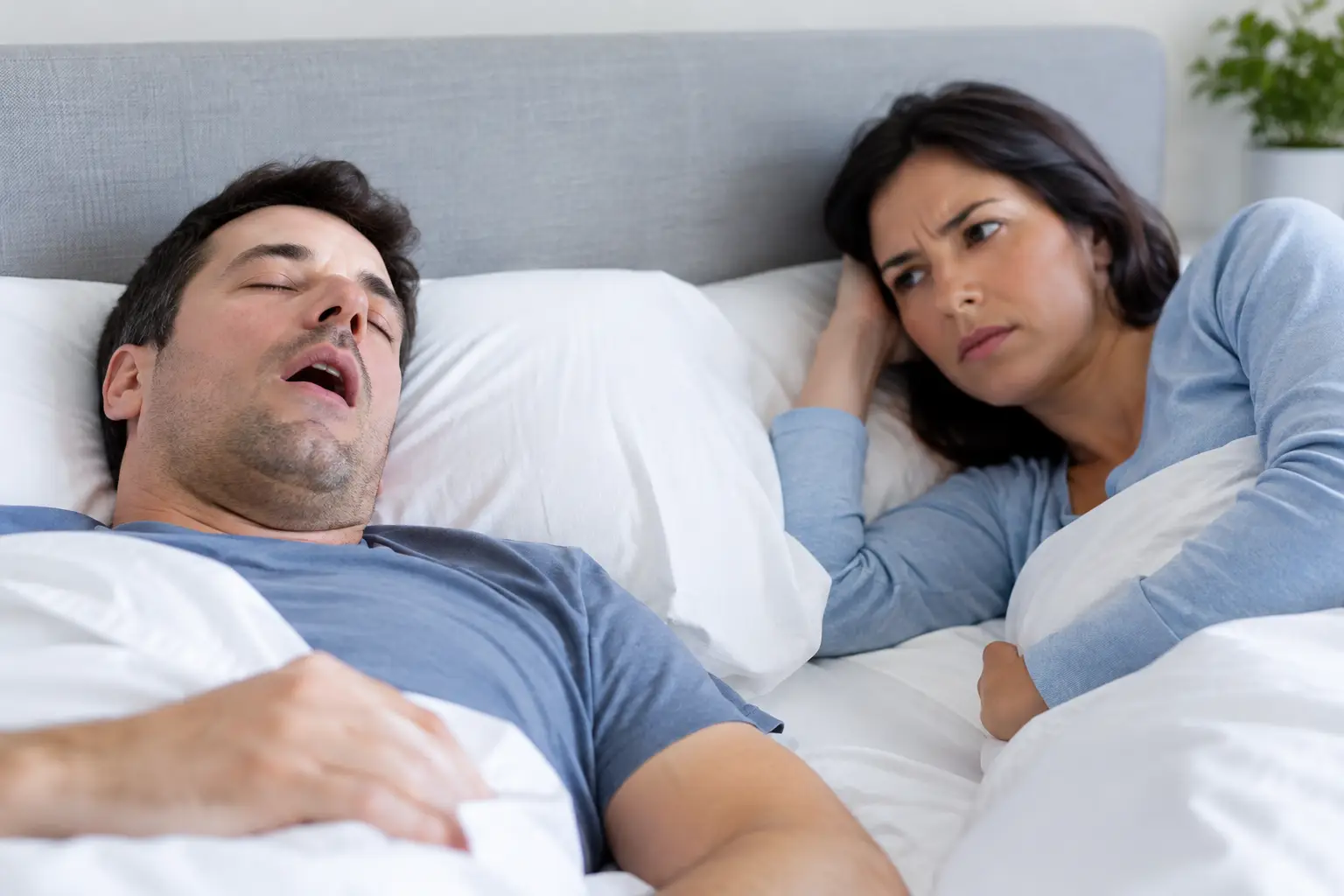

Waking up tired after a full night in bed, struggling through afternoon fatigue, or hearing frequent complaints about snoring can point to more than a restless night. If you are searching for a sleep apnea dentist near me , you may be looking for a treatment option that feels more comfortable and practical than CPAP alone.
A qualified dental sleep medicine provider can help eligible patients manage obstructive sleep apnea with a custom oral appliance. The right provider will also recognize that sleep apnea is a medical condition that deserves thoughtful, coordinated care - not a one-size-fits-all device.
What a Sleep Apnea Dentist Can Help With
Dentists who provide oral appliance therapy work with patients who have obstructive sleep apnea, a condition in which the airway repeatedly narrows or closes during sleep. These interruptions can reduce sleep quality and may contribute to daytime sleepiness, morning headaches, poor concentration, irritability, and strain on overall health.
A custom oral appliance is worn while you sleep. It gently positions the lower jaw forward to help keep the airway more open. For many patients with mild to moderate obstructive sleep apnea, and for some patients with severe sleep apnea who cannot tolerate CPAP, it can be an effective treatment option when prescribed and monitored as part of a medical sleep plan.
Oral appliance therapy is not the same as an over-the-counter snoring guard. A professionally made appliance is designed for your bite, teeth, jaw joints, and airway needs. It should be adjusted over time and checked for fit, comfort, and treatment effectiveness.
How to Choose a Sleep Apnea Dentist Near You
Experience in dental sleep medicine matters. Ask whether the dentist has focused training or certification in oral appliance therapy, and whether they work alongside sleep physicians. An AADSM-certified provider has completed additional education focused on dental sleep medicine and the use of oral appliances for sleep-disordered breathing.
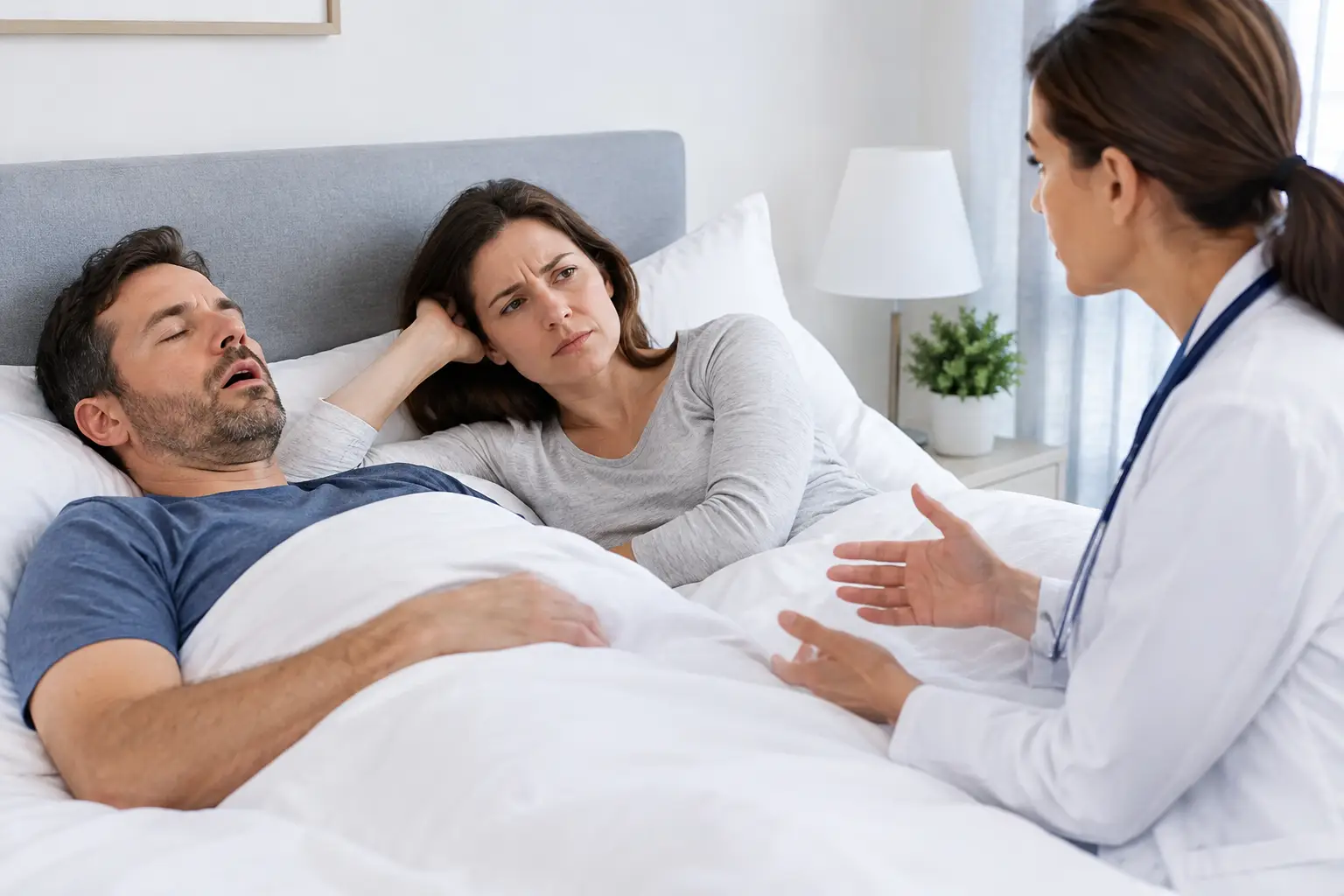
You should also ask how the office approaches diagnosis and follow-up. Dentists do not replace a sleep physician for diagnosing sleep apnea. A responsible practice will coordinate with your physician or sleep specialist, review your sleep-study results, and recommend treatment only when it is appropriate for your specific diagnosis.
Comfort deserves attention, too. An appliance that is clinically effective but painful to wear is unlikely to help over the long term. Look for a team that evaluates your teeth, gums, bite, jaw movement, and existing dental work before making an appliance. This is especially important if you have implants, crowns, missing teeth, TMJ symptoms, or a history of jaw discomfort.
Questions to Ask at Your Consultation
A good consultation should leave you informed, not pressured. Before choosing a provider, ask whether oral appliance therapy fits your type and severity of sleep apnea, how the appliance will be customized, and what follow-up visits are included.
It is also reasonable to ask how the team checks whether treatment is working. Many patients need a follow-up sleep test after their appliance is adjusted to confirm that their breathing has improved. Your provider should explain how they will communicate with your sleep physician and how often your teeth, bite, and jaw joints should be monitored.
Insurance and cost are worth discussing early. Coverage varies by plan and diagnosis, and an office should help you understand your expected costs before treatment begins. The least expensive option is not always the best value if it does not include proper fitting, adjustments, medical coordination, and ongoing care.
CPAP, an Oral Appliance, or Both?
CPAP remains a highly effective treatment for many people, particularly those with severe obstructive sleep apnea. An oral appliance is not automatically a replacement for CPAP, and no provider should promise that it will work for every patient.
Still, an appliance can be a meaningful alternative for people who cannot consistently use CPAP, travel frequently, or find masks and tubing difficult to tolerate. Some patients use both treatments in different situations, such as CPAP at home and an oral appliance while traveling. Your sleep physician and dental provider can help determine the safest, most effective plan.
Sleep Care That Looks at the Whole Picture
At Seattle Oral Care, oral appliance therapy is provided by an AADSM-certified prosthodontist who understands how sleep treatment connects with your teeth, bite, restorations, and long-term oral health. That broader perspective can be particularly helpful for patients with complex dental needs or concerns about changes to their bite.
If snoring, fatigue, or CPAP discomfort is affecting your life, start with a conversation and a clear evaluation . The best next step is one that supports better breathing while protecting your comfort, your smile, and your health over time.