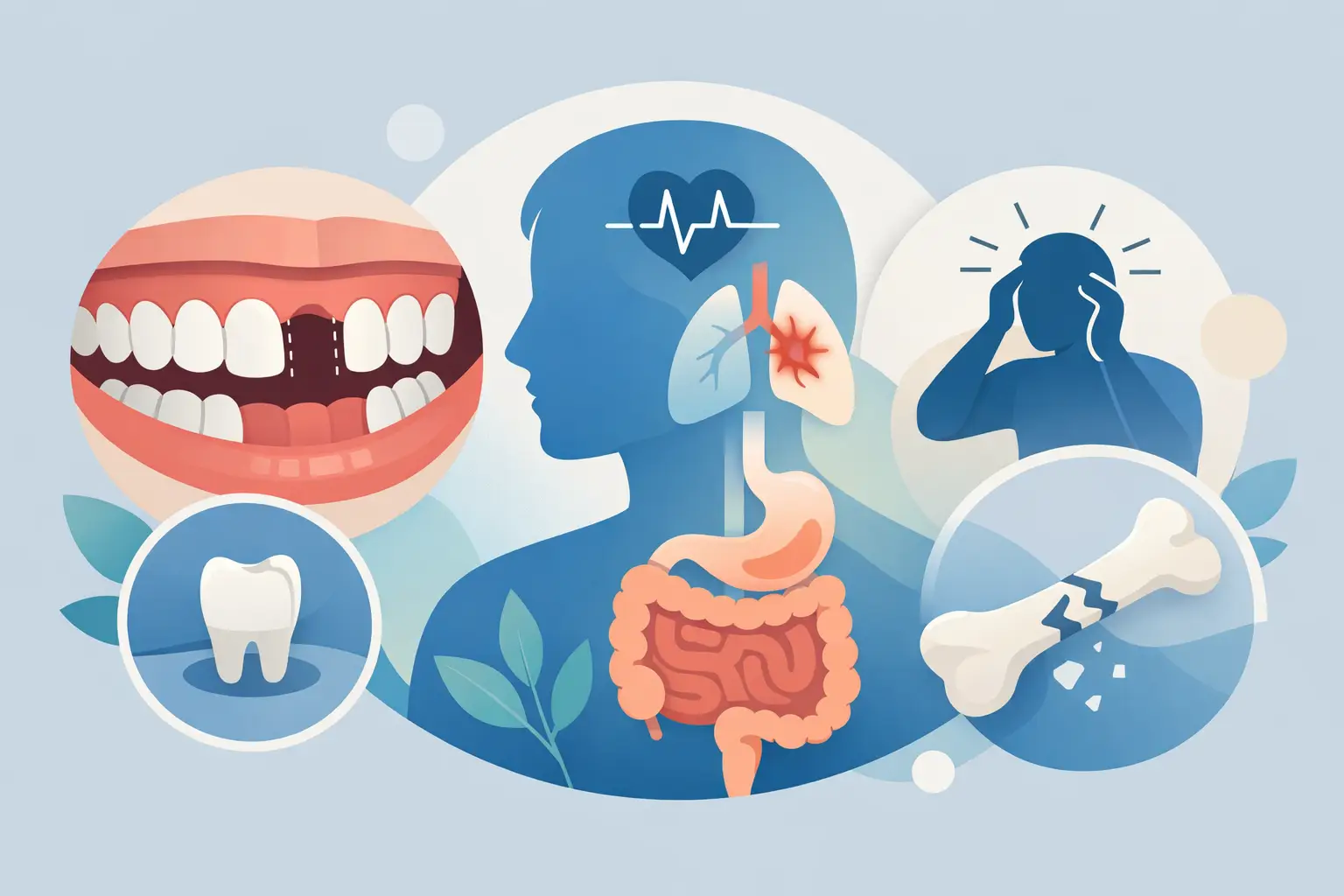
A missing tooth can feel easy to put off, especially if it is toward the back of your mouth or not causing pain. But the effects of missing teeth often develop quietly. Over time, nearby teeth can shift, chewing can become less comfortable, and the jawbone beneath the missing tooth may begin to lose volume.
The good news is that tooth loss is treatable. Whether you have lost one tooth, several teeth, or most of your teeth, a thoughtful evaluation can help you understand what is changing now and which replacement options may support your long-term oral health.
How Missing Teeth Affect Your Bite
Your teeth work as a connected system. When one tooth is gone, the teeth beside it may tilt into the open space while the tooth above or below it can gradually move out of position. This movement may change how your teeth meet when you bite.
A changed bite can put uneven pressure on certain teeth. Some people notice food getting trapped more often, increased wear on remaining teeth, or soreness when chewing. Others do not notice a difference until the shifting has become more significant. Replacing a tooth is not only about filling a visible gap. It can help preserve the spacing and function of the teeth you still have.
The Effects of Missing Teeth on Jawbone Health
Your jawbone relies on stimulation from tooth roots during everyday biting and chewing. After a tooth is lost, the bone in that area no longer receives the same stimulation. The body may gradually resorb, or break down, some of that unused bone.
Bone loss can make future tooth replacement more complex, particularly if it has been years since the tooth was lost. It may also affect facial support when multiple teeth are missing. Not everyone loses bone at the same rate, and overall health, gum health, and the location of the missing tooth all matter. Still, an early conversation with a dental team gives you more options.
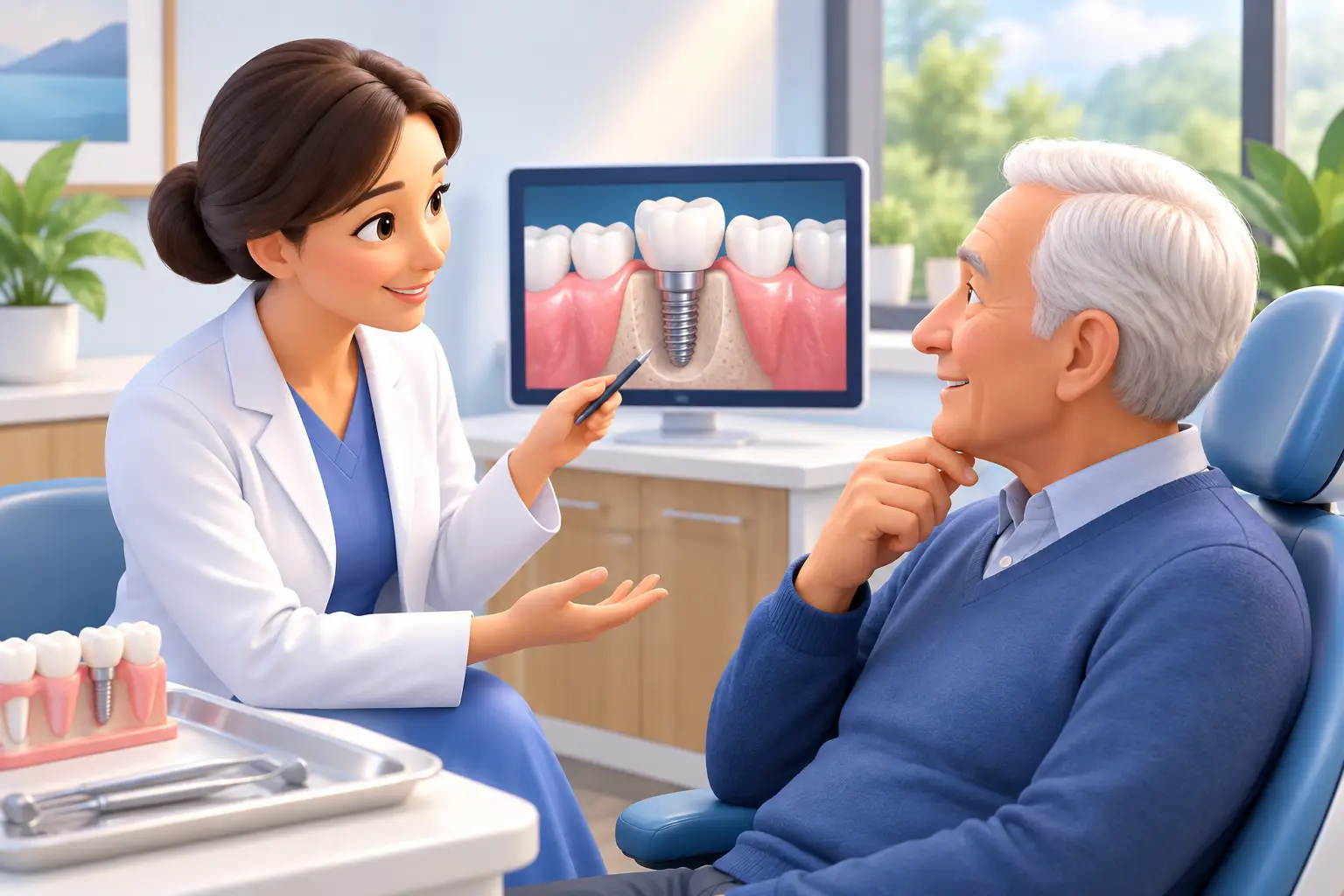
Dental implants are designed to replace a missing tooth root as well as the visible tooth. For eligible patients, this can help support the jawbone in the area of the missing tooth. A bridge or removable denture may also be appropriate depending on your health, goals, budget, and the condition of your remaining teeth.
Chewing, Speech, and Everyday Comfort
Missing back teeth can make it harder to chew foods that support a balanced diet, such as crisp vegetables, nuts, and proteins. Many people naturally begin favoring one side of their mouth. That habit can overload certain teeth or jaw muscles over time.
Front-tooth gaps can affect how some sounds are formed and may change the way air moves through the mouth during speech. A loose or poorly fitting denture can create its own challenges, including irritation, movement while eating, or worry about speaking clearly in social settings.
These concerns are personal. One person may adapt well to a single missing molar, while another may feel that same loss every time they eat. Your treatment plan should start with how your mouth feels and functions in daily life, not simply with what an X-ray shows.
Gum Health and Remaining Teeth
Spaces left by missing teeth can be harder to clean. Food debris and plaque may collect around tilted teeth, bridge supports, or gum contours that have changed after tooth loss. This can raise the risk of cavities and gum inflammation around the remaining teeth.
If gum disease contributed to tooth loss, treating and stabilizing that disease is an essential part of any restoration plan. An implant, bridge, or denture can restore function, but long-lasting results also depend on healthy gums, regular preventive visits, and home care that fits your needs.
Confidence Matters, Too
The emotional effects of tooth loss deserve just as much attention as the physical ones. You may find yourself smiling less in photos, avoiding certain foods at restaurants, or feeling self-conscious during conversations. These reactions are common, and they are not superficial. Feeling comfortable speaking, eating, and smiling can affect work, relationships, and everyday confidence.
Modern tooth replacement is not one-size-fits-all. A single missing tooth may be restored with an implant-supported crown or a bridge. Several missing teeth may be addressed with an implant-supported bridge or a partial denture. For extensive tooth loss, implant-supported dentures or full-mouth rehabilitation may offer greater stability and function than traditional removable options alone.
When to Schedule an Evaluation
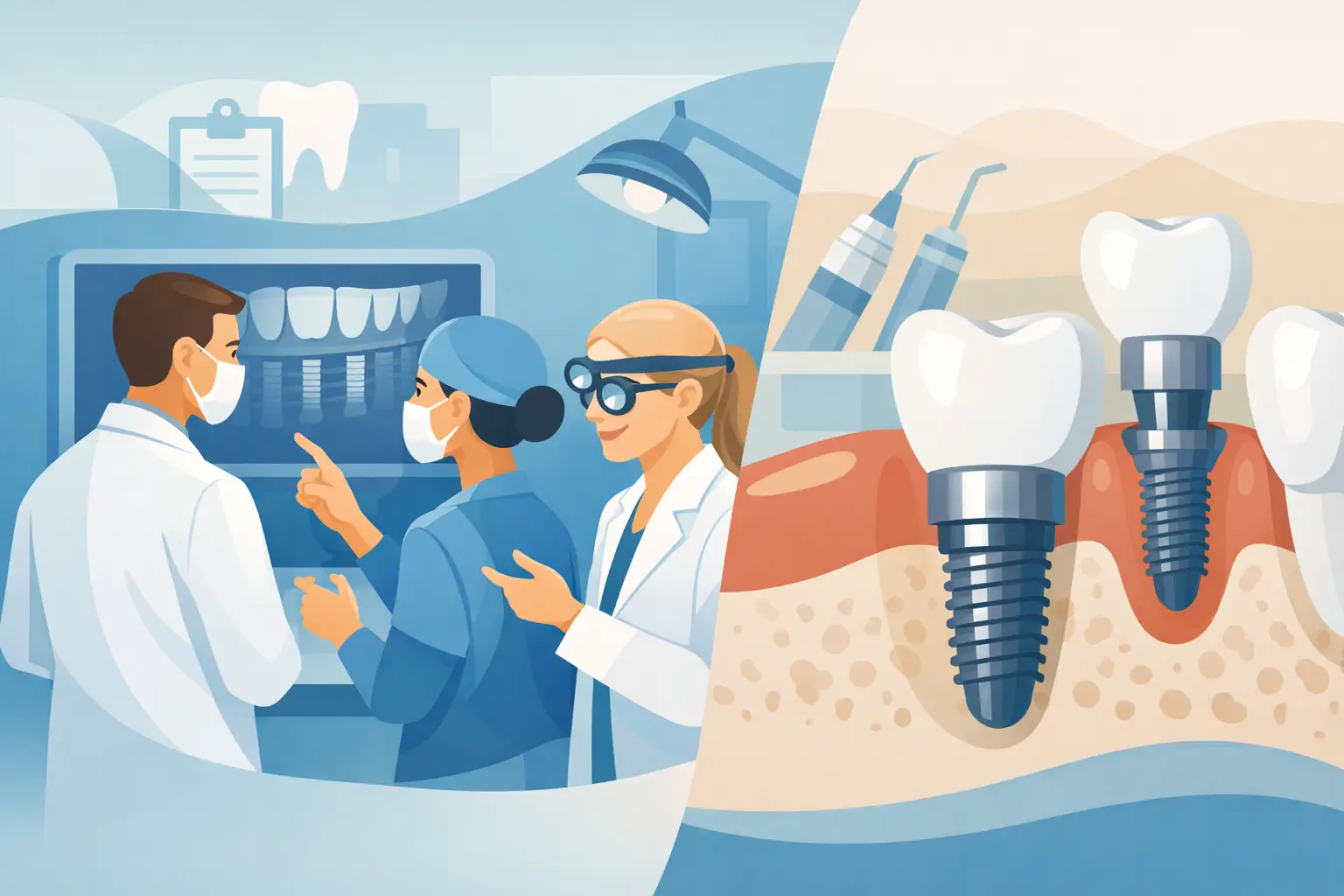
You do not need to wait for discomfort to become severe. Schedule an evaluation if a tooth has recently been lost, if an existing denture or bridge no longer feels stable, or if you notice shifting, chewing difficulty, or recurring gum irritation. A comprehensive exam can assess your bite, bone levels, gum health, and the condition of nearby teeth before recommending a path forward.
At Seattle Oral Care, coordinated care from a prosthodontist, general dentist, oral surgeon, and periodontist allows complex needs to be evaluated in one setting. You deserve clear answers, gentle care, and a plan that supports the way you want to eat, speak, and smile for years to come.