
A missing tooth can feel easy to put off, especially if it is toward the back of your mouth or does not cause pain. But the effects of missing teeth can extend well beyond the visible gap. Over time, tooth loss may change how you chew, how your remaining teeth fit together, and even the bone that supports your face.
The good news is that there is no need to make decisions based on fear or pressure. Whether you have lost one tooth recently or have lived with several missing teeth for years, a careful evaluation can clarify what is happening now and which options may help protect your oral health going forward.
The Effects of Missing Teeth Go Beyond Your Smile
Teeth work as a connected system. Each tooth helps guide chewing forces, supports neighboring teeth, and contributes to the way your upper and lower teeth meet. When one is lost, the impact depends on its location, the health of the surrounding gums and bone, and how your bite functions.
A missing front tooth is often noticed right away because it can affect appearance and certain speech sounds. A missing back tooth may be less obvious, but molars and premolars do much of the work of grinding food. People commonly begin favoring one side of the mouth without realizing it. That habit can make chewing less comfortable and place extra force on teeth that were not meant to do all the work.
The timeline is different for everyone. Some people experience few noticeable changes at first, while others have shifting teeth or bite changes sooner. A tooth loss that appears manageable today can still create treatment considerations later, which is why an examination is worthwhile even when there is no discomfort.
Chewing Can Become Less Efficient
Your teeth are designed to cut, tear, and grind food before it reaches your stomach. With a missing tooth, particularly a back tooth or several teeth in a row, foods such as vegetables, nuts, meat, and crusty bread can become harder to eat comfortably.
Some people respond by choosing softer foods or chewing on only one side. This is understandable, but it can limit food choices and contribute to uneven wear on the remaining teeth. It may also leave larger pieces of food to be swallowed, which can make meals feel less enjoyable for some patients.
A replacement tooth is not only about filling a space. A well-planned restoration can help distribute chewing pressure more evenly and make it easier to eat a broader range of foods with confidence.
Nearby Teeth May Shift and the Bite Can Change
Teeth are held in place by bone, gums, and the pressure created by their neighbors and opposing teeth. Once a tooth is gone, nearby teeth may gradually tip or drift into the open space. The tooth above or below the gap may also move farther out of position because it no longer has a tooth to meet.
These changes do not happen overnight. Still, they can alter the bite over time, creating areas that trap food more easily or are harder to clean. A shifted tooth may also become more difficult to restore if replacement is delayed for many years.
Not every missing tooth leads to significant movement, and not every patient needs the same treatment. The position of the tooth matters. So do your bite, jaw health, periodontal condition, and goals for function and appearance. A personalized exam helps separate a true concern from a worry that may not apply to you.
Bone Loss Can Affect Future Treatment Options
The roots of natural teeth provide regular stimulation to the jawbone during chewing. After a tooth is removed or lost, the bone in that area no longer receives the same stimulation. The body can gradually resorb some of that bone.
This process is most relevant when considering dental implants , because implants need healthy bone for stable support. Bone changes do not automatically prevent implant treatment. In many cases, bone grafting or other planning strategies can help create an appropriate foundation. However, earlier evaluation may offer more straightforward options.
When multiple teeth are missing, bone loss can also contribute to changes in facial support. Dentures may become looser as the shape of the ridge changes, making routine adjustments or a more stable implant-supported solution worth discussing.
Speech and Confidence May Be Part of the Picture
Front teeth help direct airflow for sounds such as “s,” “f,” and “v.” A missing front tooth or several missing teeth can make pronunciation feel different, even if others do not notice a major change. Dentures that shift while speaking can create a similar concern.
The emotional effects matter, too. Some people stop smiling in photos, cover their mouth when they laugh, or avoid restaurants because they are worried about eating in front of others. These are not superficial concerns. Feeling at ease while speaking, smiling, and sharing meals is part of daily quality of life.
A natural-looking replacement can be designed with your facial features, smile line, and comfort in mind. The goal is not to create a generic smile. It is to help you feel like yourself again.
Missing Teeth Can Make Oral Hygiene More Complicated
Gaps, tilted teeth, and uneven bite forces can create areas where plaque and food debris collect. When teeth shift, spaces between them may become harder to floss or clean effectively. That can increase the risk of cavities and gum inflammation around the remaining teeth.
Tooth loss itself does not always cause gum disease. In fact, periodontal disease is a common reason teeth are lost in the first place. But once a gap changes the way teeth align, maintaining a healthy mouth can become more complicated without consistent home care and professional cleanings.
If gum disease contributed to tooth loss, controlling infection and protecting the supporting bone should come before or alongside replacement planning. A durable result starts with a stable foundation.
Jaw Discomfort Is Possible, but It Depends
When people compensate for missing teeth by chewing unevenly, the muscles of the jaw may work differently. Some patients notice fatigue, soreness, or changes in how their bite feels. Others do not. Missing teeth are not the sole cause of temporomandibular joint disorders, and jaw pain can have many contributing factors, including clenching, stress, arthritis, and sleep-related concerns.
That distinction matters. A thoughtful dentist will not promise that replacing a tooth will solve every jaw symptom. Instead, the evaluation should consider your bite, muscle comfort, joint history, and habits before recommending treatment.
Options for Replacing Missing Teeth
The right replacement depends on how many teeth are missing, where they are located, the condition of your bone and gums, and your preferences. Treatment should also account for the health of neighboring teeth and the long-term maintenance each option requires.
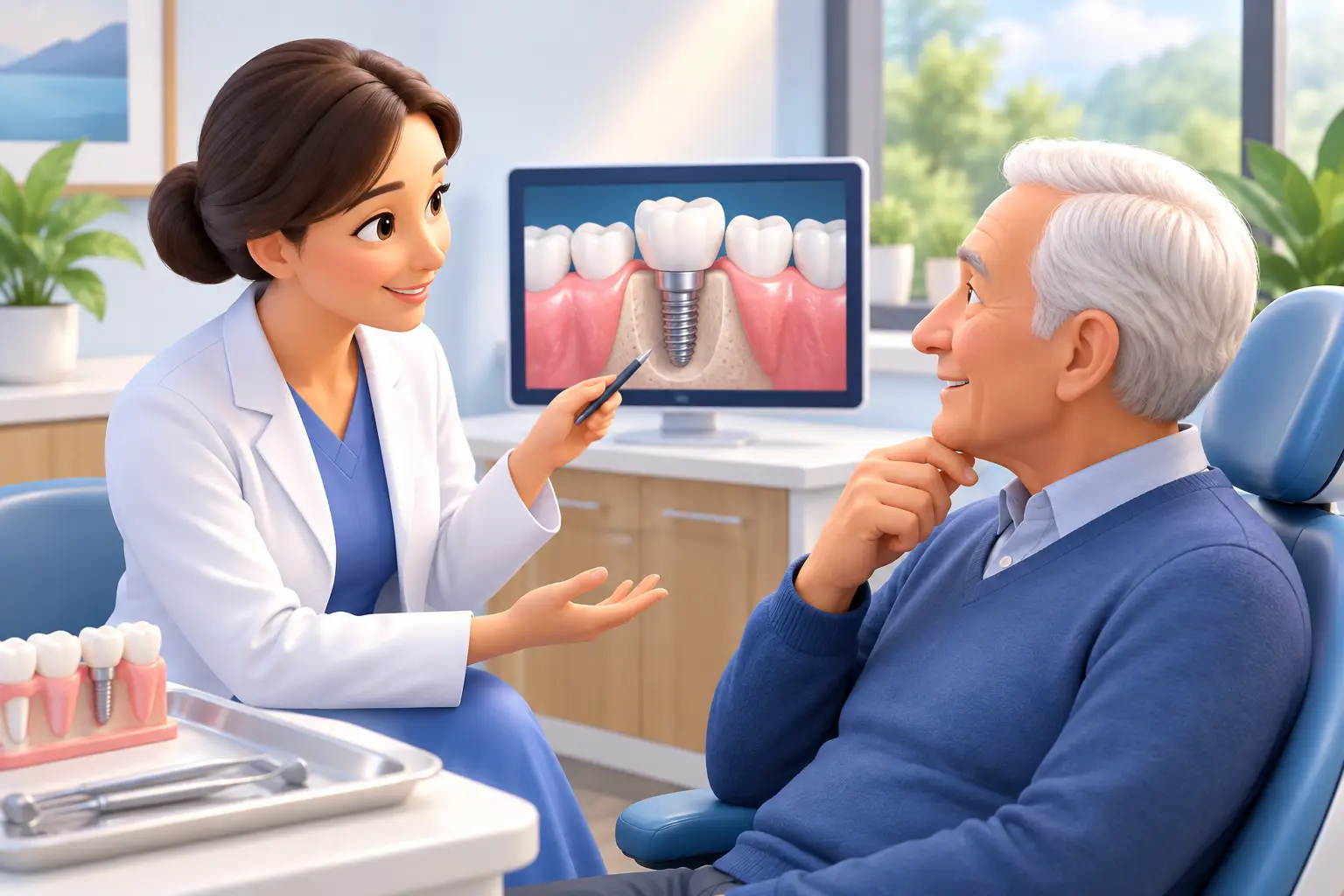
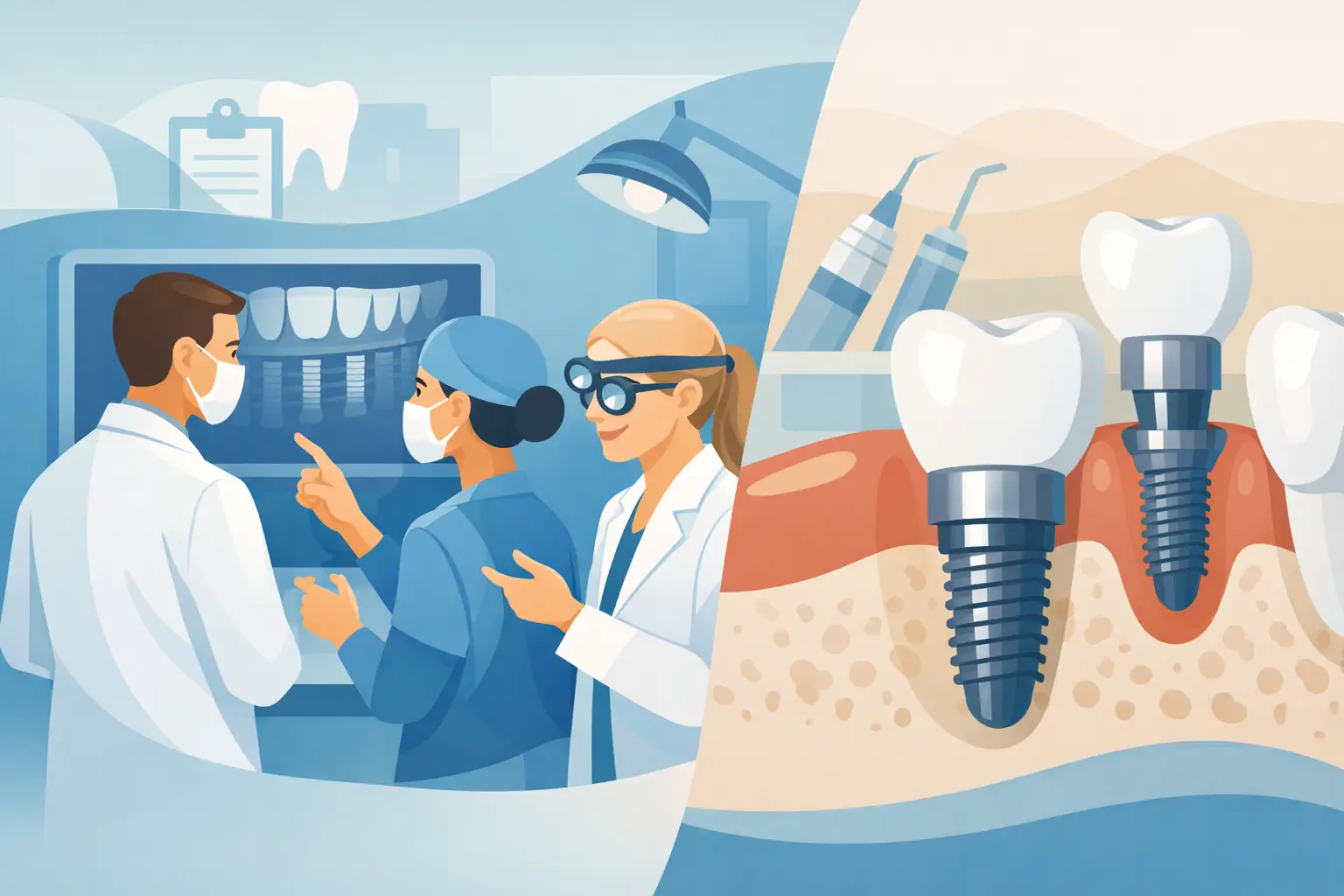
A dental implant replaces the root of a missing tooth with a small post placed in the jawbone. After healing, it can support a crown, bridge, or denture. Because an implant stands independently, it usually does not require altering adjacent healthy teeth. It can also help preserve bone in the area, though it still requires daily cleaning and regular professional care.
A traditional dental bridge uses crowns on the teeth next to a gap to support a replacement tooth between them. A bridge can be an excellent option in the right situation, particularly when neighboring teeth already need crowns. The trade-off is that it involves preparing those supporting teeth and does not stimulate bone beneath the missing tooth in the same way an implant can.
A removable partial denture can replace one or more teeth and may be a practical choice when several areas need restoration or when surgery is not preferred. Modern options can be more comfortable and natural-looking than many people expect, but they require removal for cleaning and may need adjustments as the mouth changes.
For patients missing most or all of their teeth, implant-supported bridges or dentures can provide greater stability than a conventional removable denture alone. The best approach is based on your health, anatomy, budget, and what you need from your teeth every day.
Start With a Clear, Unhurried Evaluation
You do not need to know which treatment is right before scheduling an appointment. A comprehensive assessment may include digital imaging, an evaluation of your gums and bite, and a conversation about your medical history and goals. If you feel anxious about dental treatment, say so early. Gentle care starts with understanding what has made dentistry difficult for you in the past.
At Seattle Oral Care, coordinated care can bring prosthodontic, surgical, periodontal, and general dental perspectives into one treatment plan when a case is more complex. That means the focus stays on the full picture, not simply closing a gap as quickly as possible.
If you have a missing tooth , the most helpful next step is a conversation before the surrounding teeth, bone, or bite have a chance to change further. You deserve clear answers, realistic options, and a plan that supports a comfortable, lasting smile.