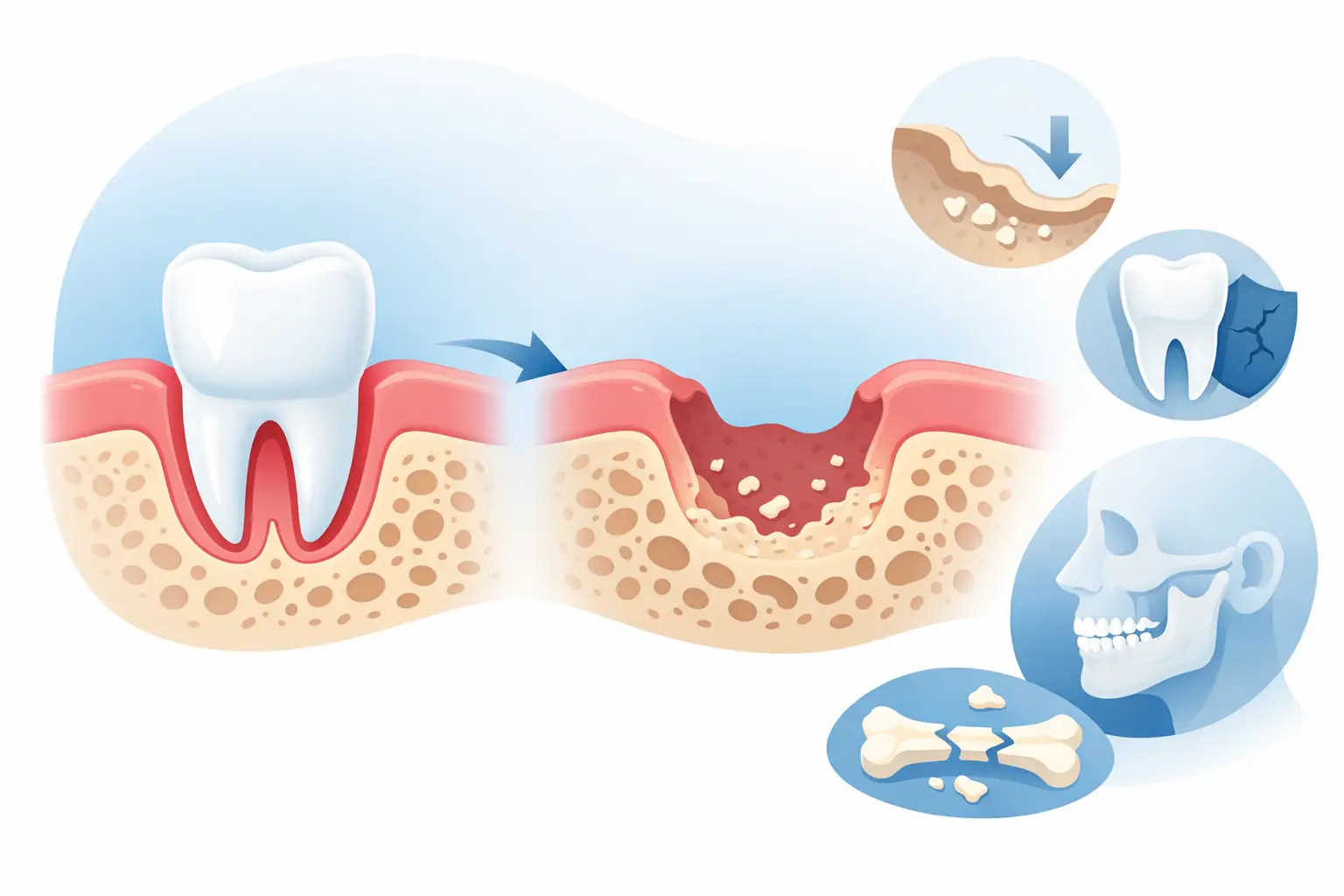
A missing tooth can feel like a problem you can put off, especially once the extraction site is no longer sore. But bone loss after tooth extraction often begins soon after healing. The jawbone depends on the stimulation created by tooth roots during chewing. When a root is gone, the bone in that area no longer receives the same signal to maintain its shape and density.
That does not mean every extraction leads to an immediate or visible change. It does mean that discussing replacement options early can protect more of your future treatment choices.
Why the Jawbone Changes After an Extraction
Your jawbone is living tissue that continually responds to the forces placed on it. Each time you bite and chew, the tooth root transfers pressure into the surrounding bone. After an extraction, the portion of bone that once supported that tooth, called the alveolar ridge, naturally begins to shrink.
The most significant changes often occur in the first several months, though bone remodeling can continue over time. Loss may occur in both height and width. As the ridge narrows, replacing the tooth can become more complex, particularly if an implant is being considered years later.
The amount of change varies. Factors such as gum disease, infection around the extracted tooth, smoking, overall health, the location of the tooth, and how many teeth are missing can all affect healing and bone volume.
How Bone Loss Can Affect Your Smile and Bite
One missing tooth does more than leave a gap. Nearby teeth may gradually drift or tip toward the open space, and the opposing tooth can move farther out of position. These changes can make chewing less comfortable and alter how your teeth come together.
When several teeth are missing, bone loss may also affect facial support. Over time, the lips and cheeks can lose some of the structure once provided by the teeth and underlying jawbone. For denture wearers , a shrinking ridge may lead to a looser fit, sore spots, or a denture that moves during meals or conversation.
These changes are not a reason to panic after an extraction. They are a reason to have a thoughtful plan. A timely evaluation gives your dental team the opportunity to assess the extraction site, your bite, your gum health, and the condition of the surrounding teeth.
Can Bone Loss After Tooth Extraction Be Prevented?
Not every case can be prevented completely, but it can often be reduced. One option is socket preservation, also called ridge preservation. At the time of extraction, a dentist or oral surgeon places bone grafting material in the socket to support the area as it heals. The goal is to preserve more of the ridge for a future replacement tooth.
Socket preservation is especially worth discussing when an implant may be part of your plan. It is not necessary for every extraction, and it does not replace the need for a final restoration. Your clinician will consider the health of the site, the amount of existing bone, any active infection, and your long-term goals before recommending it.
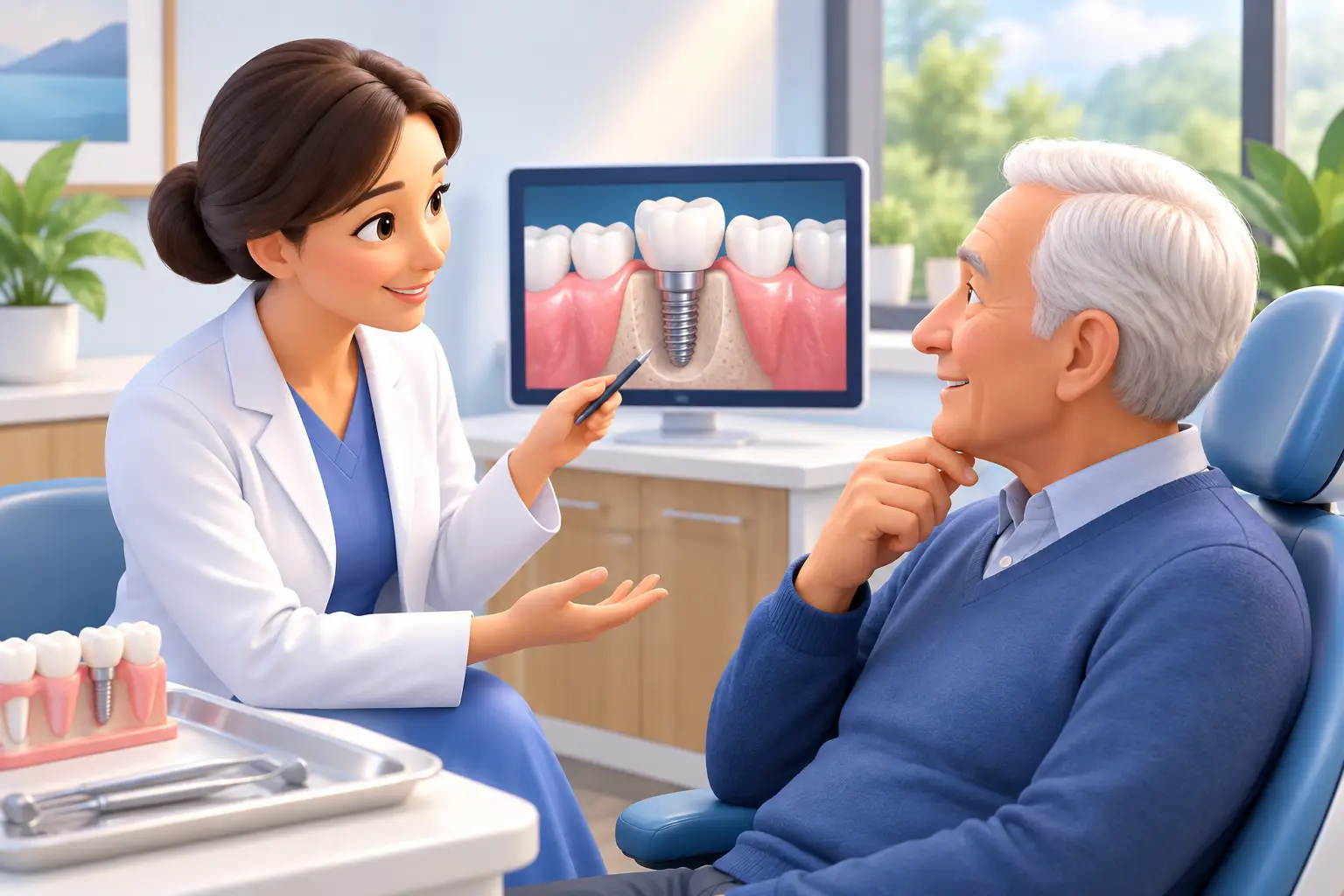
Replacing the tooth is another key part of protecting the area. Dental implants are designed to replace the root as well as the visible tooth. Because an implant is anchored in the jaw, it can provide functional stimulation to the surrounding bone. An implant-supported crown, bridge, or denture may be appropriate depending on how many teeth are missing and the condition of your mouth.
A traditional bridge or removable partial denture can also restore appearance and chewing function. These options do not stimulate bone in the same way an implant does, but they may be the right fit for some patients based on health, budget, timing, and personal preferences.
Is an Immediate Implant Right for You?
In some situations, an implant can be placed on the same day a tooth is removed. This can shorten the overall treatment timeline and may help preserve the shape of the extraction site. However, immediate placement is not automatically the best choice.
Adequate bone, stable gum tissue, bite forces, the reason for extraction, and the presence of infection all matter. Sometimes the healthiest approach is to allow the site to heal after grafting before placing an implant. A careful plan is more valuable than rushing a procedure.
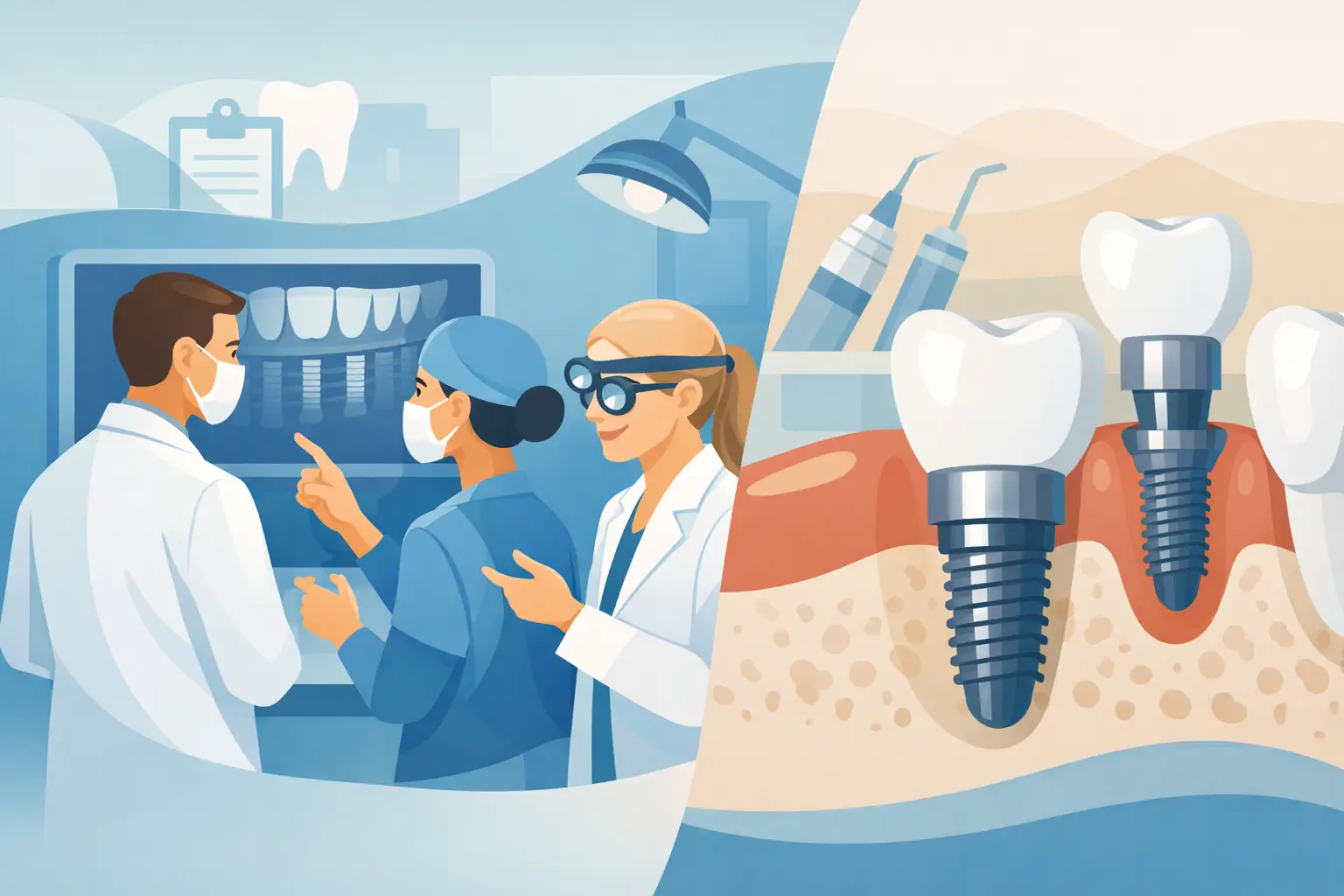
At Seattle Oral Care, coordinated planning can include a prosthodontist, oral surgeon, periodontist, and general dentist when needed. That team approach helps patients understand not only what can be done now, but what will support a comfortable, durable result years from now.
When to Schedule an Evaluation
If you have an upcoming extraction, ask about preservation and replacement options before the tooth is removed whenever possible. If the extraction happened months or years ago, you still have options. Modern imaging can show the available bone and help determine whether grafting, an implant , a bridge, or another approach is appropriate.
A missing tooth does not need to become an emergency to deserve attention. A calm, thorough consultation can give you clear answers and a treatment plan built around your health, comfort, and long-term smile.