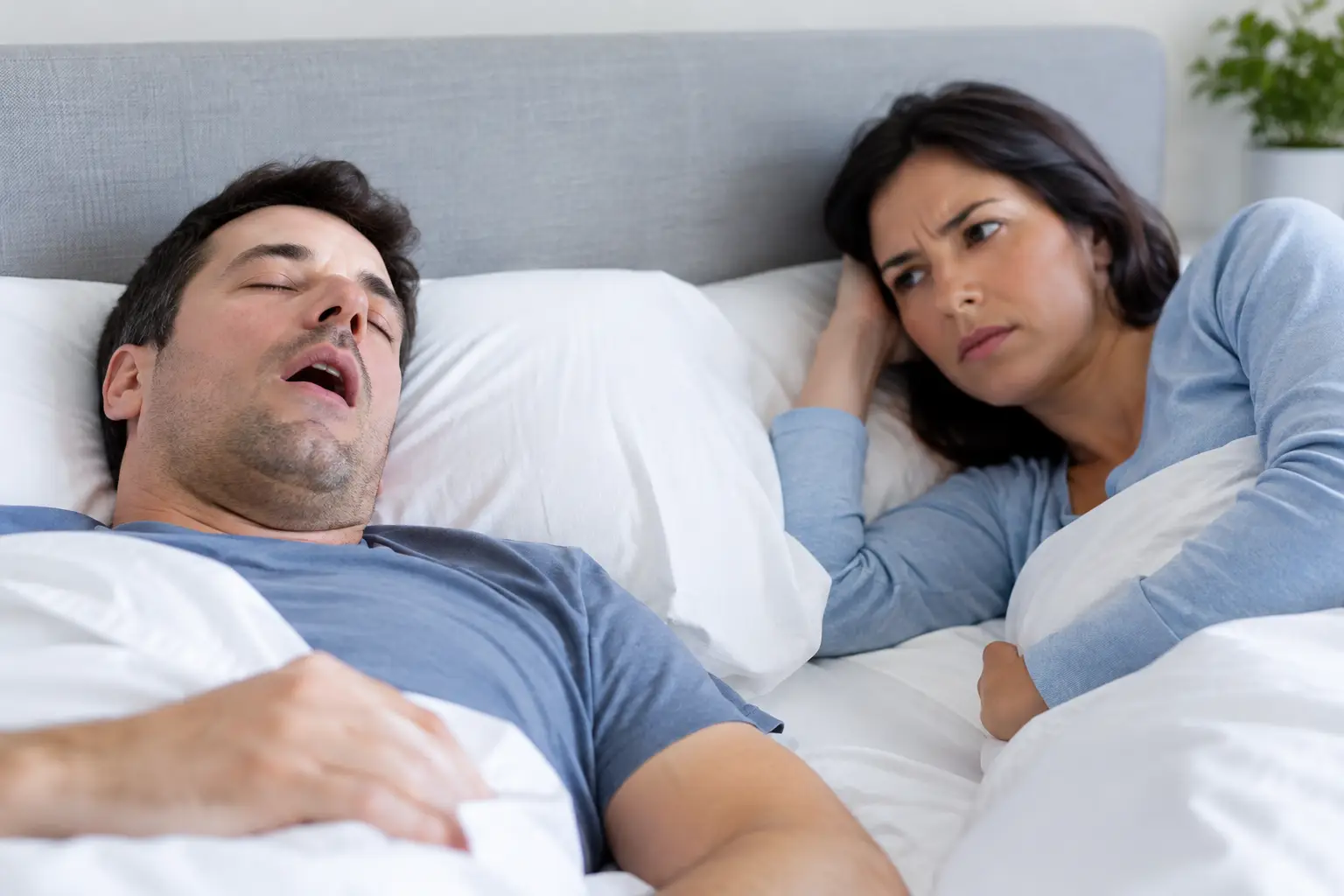
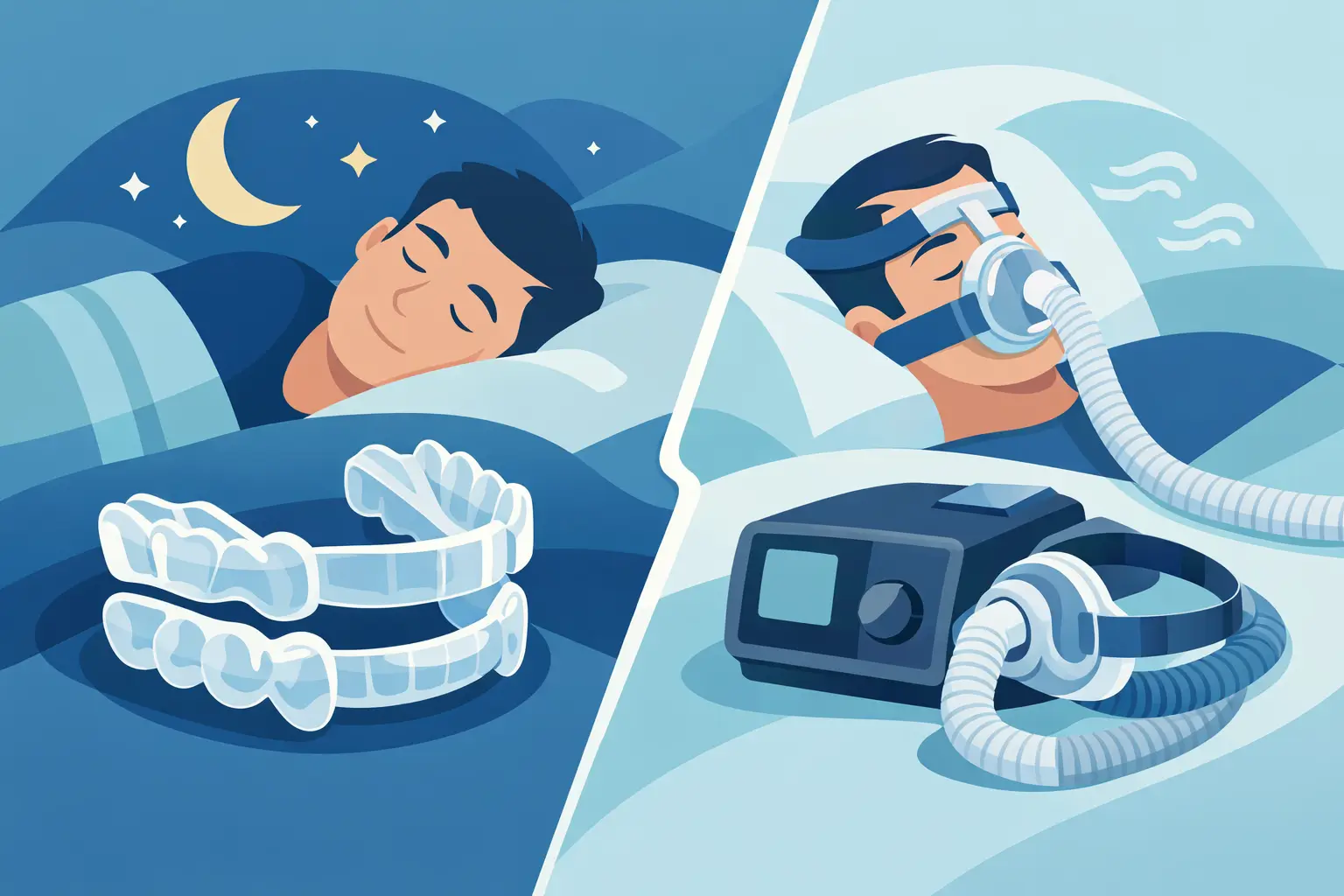
Waking up tired, struggling through the afternoon, or hearing that you snore loudly can make sleep feel like a problem with no simple answer. When comparing oral appliance therapy vs CPAP , the right choice depends on your sleep apnea diagnosis, breathing patterns, comfort needs, and ability to use treatment consistently.
Both options can play an important role in treating obstructive sleep apnea. The goal is the same: help keep your airway open so you can breathe more steadily through the night and wake up feeling more rested.
Oral Appliance Therapy vs CPAP: The Key Difference
CPAP, or continuous positive airway pressure, uses a small machine, tubing, and a mask to deliver gentle air pressure while you sleep. That pressure helps prevent the airway from collapsing. CPAP is highly effective for many people, especially those with moderate to severe obstructive sleep apnea.
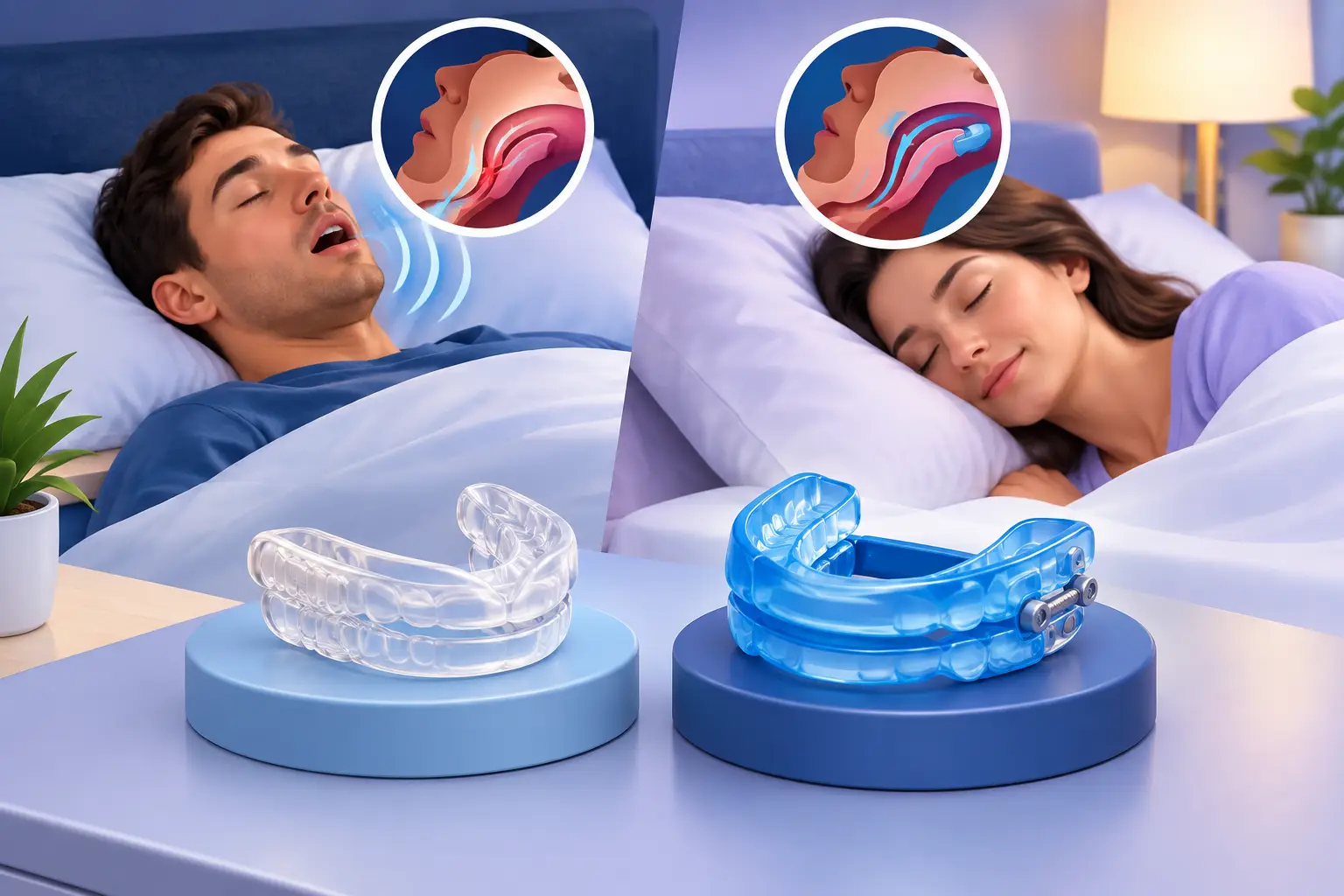
Oral appliance therapy uses a custom-made device that fits over your teeth, much like a retainer or sports mouthguard. The appliance gently positions the lower jaw forward to help create more room in the airway. It is a common treatment option for adults with mild to moderate obstructive sleep apnea and for some people with severe sleep apnea who cannot tolerate CPAP.
Neither treatment is automatically “better.” The most effective treatment is the one that is clinically appropriate for your condition and that you can wear as directed, night after night.
When CPAP May Be the Better Choice
CPAP is often the first recommendation when a sleep study shows more severe sleep apnea, significant drops in oxygen levels, or certain health concerns that make reliable airway support especially important. It can provide a consistent level of pressure throughout the night and may be adjusted by a sleep physician as your needs change.
For some patients, CPAP becomes comfortable with the right mask style, humidity setting, and support. A nasal mask, full-face mask, or nasal pillow system may feel very different from another option. If you have tried CPAP and found it difficult, it may be worth discussing whether a new fitting or setting adjustment could improve the experience before giving up on treatment.
When an Oral Appliance May Be a Good Fit
Many patients prefer an oral appliance because it is quiet, compact, and easy to travel with. There is no hose, mask, or electricity required. For people who feel claustrophobic in a CPAP mask, move frequently during sleep, or travel often for work, a custom appliance can feel like a more manageable solution.
A dental sleep appliance is not the same as an over-the-counter snore guard. Store-bought devices may change the jaw position without proper evaluation, fit, or follow-up. A professionally made appliance is designed around your bite, teeth, jaw joint health, and the treatment goals established with your sleep care team.
Oral appliance therapy does require healthy enough teeth and gums to support the device. Existing crowns, implants, missing teeth, gum disease, jaw pain, or bite concerns do not always rule it out, but they need careful evaluation. This is where a comprehensive dental team can be particularly valuable.
Comfort Matters Because Consistency Matters
A treatment that works well in a sleep study only helps if it is used regularly at home. CPAP can be extremely effective, yet some patients struggle with mask leaks, dry mouth, skin irritation, noise, or discomfort. Oral appliances are often easier to pack and wear, but they can cause temporary jaw soreness, tooth movement, bite changes, or excess saliva in some people.
These side effects are reasons for follow-up, not reasons to ignore treatment. A dentist trained in dental sleep medicine can adjust an oral appliance gradually and monitor your bite over time. CPAP users also benefit from ongoing support to address fit and comfort issues.
Your Sleep Study Should Guide the Decision
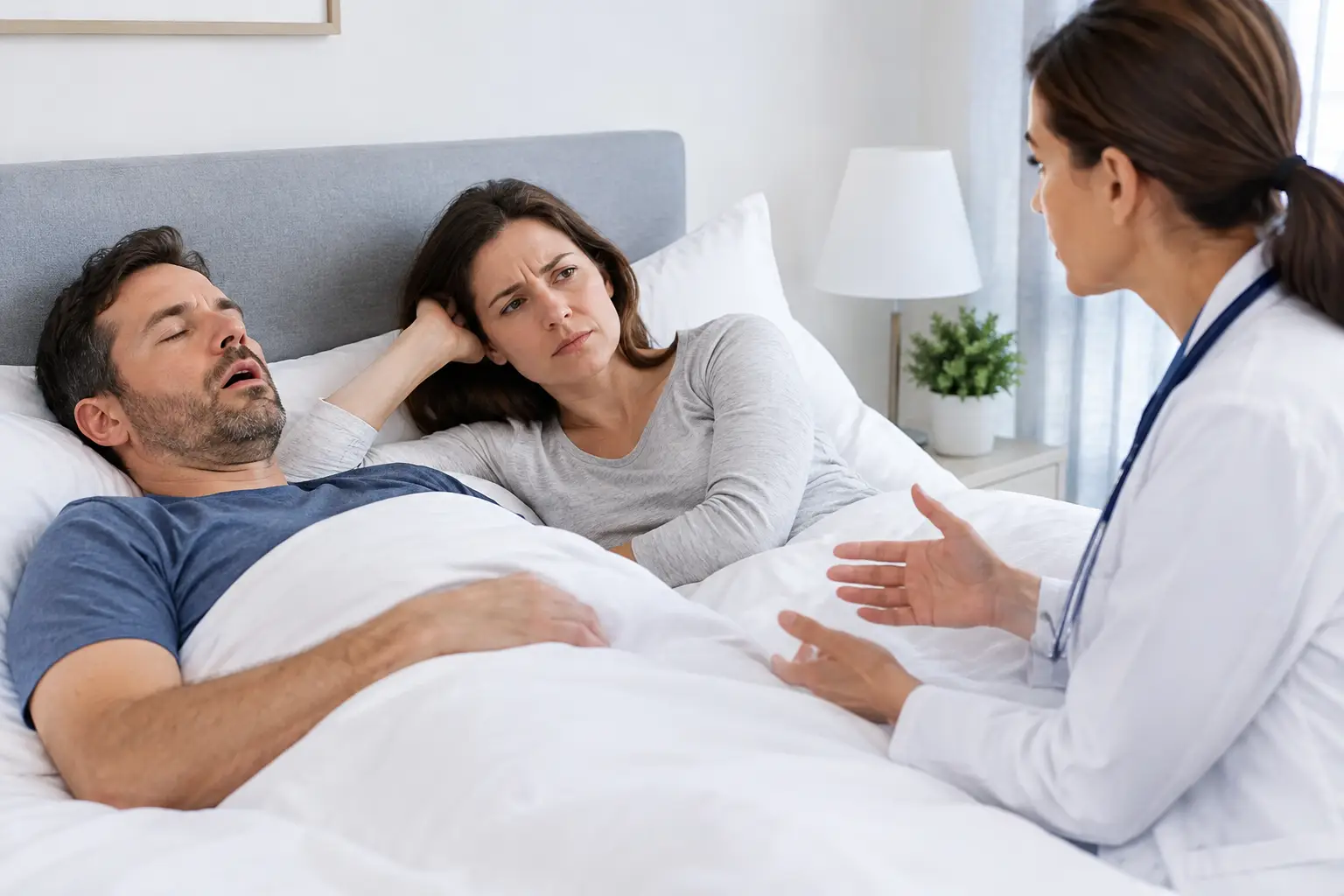
Snoring alone does not tell the full story. Obstructive sleep apnea is a medical condition that should be diagnosed through a sleep evaluation ordered or interpreted by a qualified physician. Your results may show how often breathing is interrupted, how low oxygen levels fall, and whether your apnea is mild, moderate, or severe.
From there, treatment planning should be coordinated. Your sleep physician can determine whether oral appliance therapy is appropriate, while your dentist evaluates whether your teeth, gums, jaw, and bite can support a custom appliance. After an appliance is fitted and adjusted, follow-up sleep testing may be recommended to confirm that it is effectively controlling apnea.
Some patients also benefit from a combined approach. For example, an oral appliance may help reduce the pressure needed for CPAP, or it may be used during travel when bringing a CPAP machine is impractical. Weight changes, nasal obstruction, alcohol use near bedtime, sleep position, and other health factors can also affect treatment needs over time.
At Seattle Oral Care, we take time to understand both your sleep concerns and your oral health before recommending a path forward. A thoughtful evaluation can help you move beyond trial and error toward treatment that supports better breathing, better rest, and a more comfortable night’s sleep.