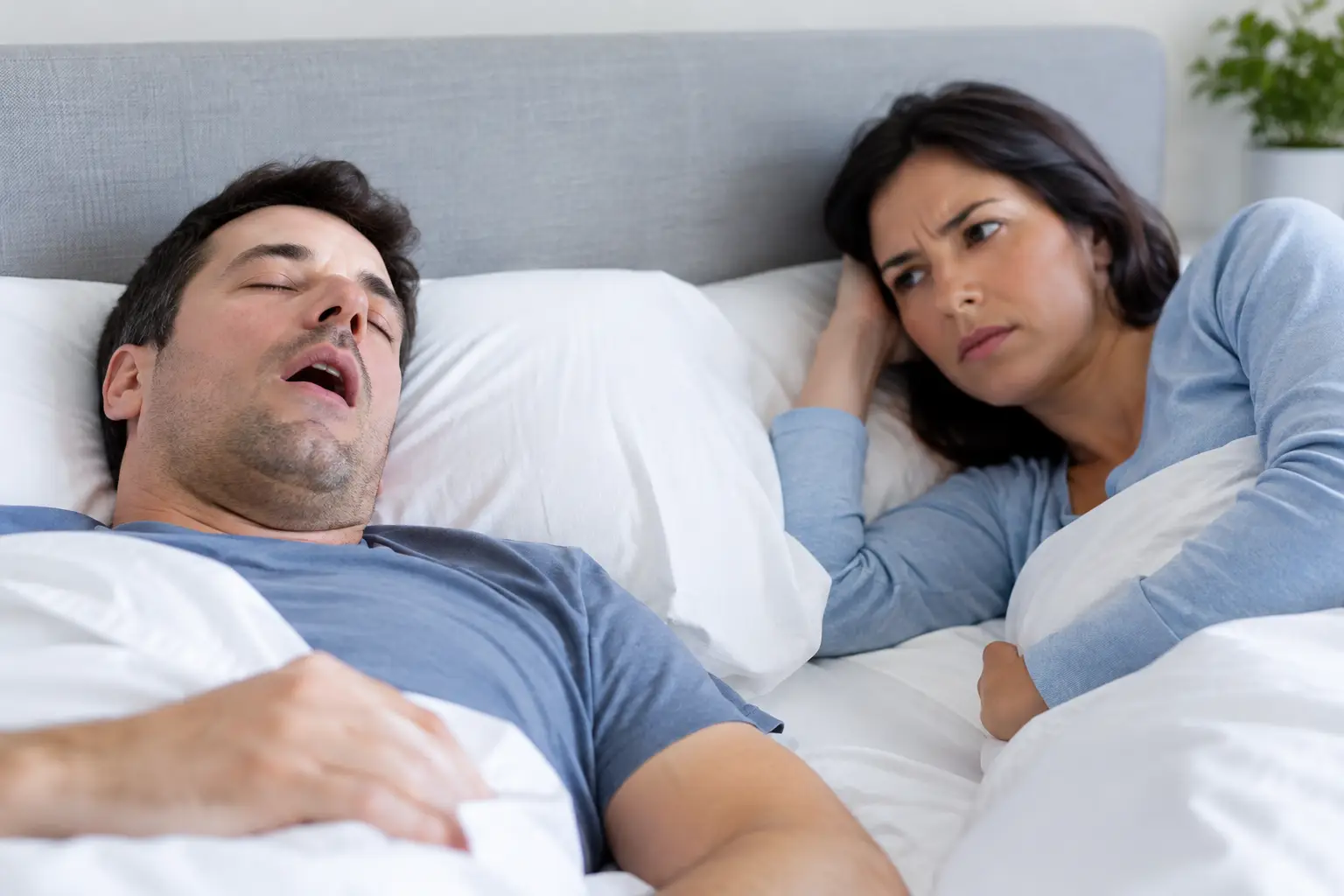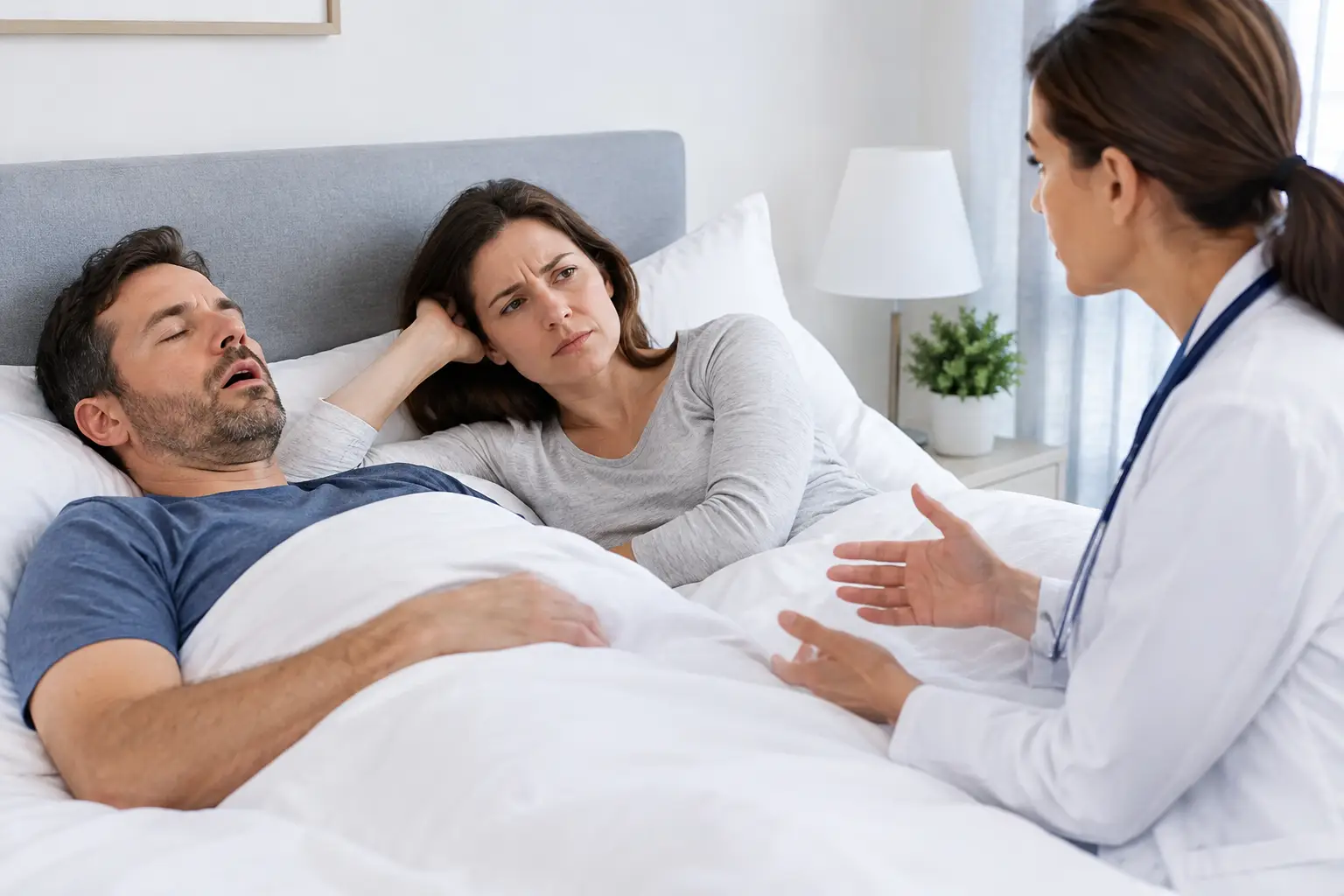
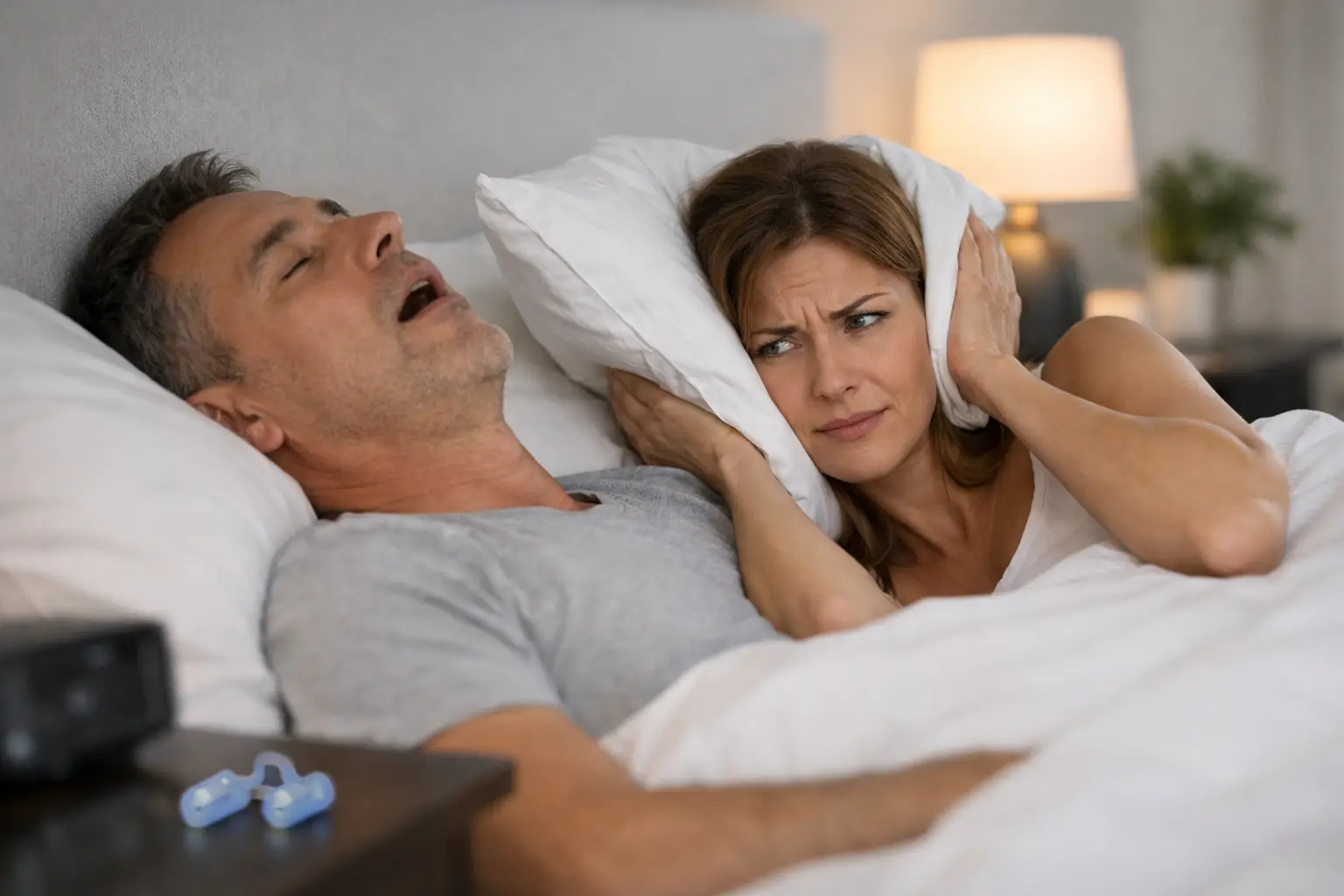
Snoring can turn a shared bedroom into a nightly source of frustration, but it can also be a sign that your breathing is not as healthy as it should be. If you are wondering how to stop snoring, the right answer depends on why it is happening. Sometimes simple changes help. Other times, especially when breathing pauses are involved, a professional evaluation can protect both your sleep and your long-term health.
Snoring happens when air moves through a narrowed upper airway during sleep. The soft tissues in the throat, tongue, or palate vibrate as you breathe, creating the familiar sound. Nasal congestion, sleep position, alcohol, weight changes, and the natural relaxation of muscles during sleep can all make that narrowing worse.
Start With the Cause, Not Just the Sound
It is tempting to treat snoring as a nuisance and look for the quickest possible fix. But snoring is not one-size-fits-all. A person who snores only during allergy season may need a different approach than someone who snores loudly every night, wakes up exhausted, or is told they stop breathing while asleep.
Consider when the snoring began and what seems to make it worse. Does it happen mostly when you sleep on your back? Did it appear after weight gain, a new medication, or a period of frequent nasal congestion? Is it worse after an evening drink? These details help identify practical next steps and help your healthcare provider recognize potential warning signs.
When snoring may point to sleep apnea
Obstructive sleep apnea occurs when the airway repeatedly becomes partially or fully blocked during sleep. The brain briefly wakes the body enough to restore breathing, often without the person remembering it. Snoring is common with sleep apnea, but the real concern is the repeated disruption of oxygen and restorative sleep.
Talk with a qualified healthcare professional promptly if snoring comes with gasping, choking, witnessed pauses in breathing, morning headaches, dry mouth, frequent nighttime bathroom trips, trouble concentrating, or ongoing daytime sleepiness. High blood pressure, mood changes, and falling asleep unintentionally during quiet activities can also be important clues.
Not everyone who snores has sleep apnea, and not everyone with sleep apnea fits the same profile. That is why an evaluation and, when appropriate, a sleep study matter more than guessing.
How to Stop Snoring With Practical First Steps
For uncomplicated snoring, a few consistent habits can reduce airway narrowing and improve sleep quality. These changes are most helpful when they address a clear trigger.
Sleeping on your side is often a useful place to begin. Back sleeping allows the tongue and soft tissue to fall backward more easily, narrowing the airway. A supportive body pillow or a positional sleep aid may make side sleeping more comfortable and easier to maintain.
Address nasal congestion when it is present. Seasonal allergies, a cold, or chronic nasal blockage can encourage mouth breathing and worsen snoring. Saline rinses, allergy treatment recommended by your medical provider, and a bedroom that is not overly dry may help. If you regularly struggle to breathe through your nose, it is worth discussing with your physician rather than relying indefinitely on over-the-counter products.
Alcohol can relax throat muscles and make snoring more pronounced, particularly when consumed close to bedtime. Sedating medications may have a similar effect, though you should never stop prescribed medication without speaking with the clinician who manages it. Giving yourself several alcohol-free hours before bed can be a meaningful experiment for some people.
If weight has changed, gradual weight management may lessen snoring for some adults because excess tissue around the neck and airway can contribute to obstruction. This is not a judgment and it is not the only factor. People at many body sizes can snore or have sleep apnea, so persistent symptoms still deserve attention.
A regular sleep schedule can help as well. When you are severely overtired, the muscles of the airway may relax more deeply during sleep. Aim for enough sleep, keep your bedroom comfortably cool and quiet, and avoid treating chronic snoring as something you simply have to tolerate.
Why Mouth Taping and Quick Fixes Can Be Risky
Social media often makes snoring solutions look simple. Mouth taping, unverified devices, and aggressive nasal products may seem appealing because they promise an immediate result. Yet they do not diagnose the reason you are snoring, and some can be uncomfortable or unsafe for people with nasal obstruction, breathing disorders, or undiagnosed sleep apnea.
A device that holds the jaw in an awkward position may also strain the jaw joints, shift teeth, or worsen existing dental concerns. If you have crowns, bridges, implants, gum disease, missing teeth, or a history of jaw pain, a professionally fitted solution is especially important.
The goal is not to silence snoring at any cost. The goal is to support open, healthy breathing while protecting your teeth, bite, jaw, and quality of sleep.
Oral Appliances Can Help the Right Patients
For many adults with primary snoring or mild to moderate obstructive sleep apnea, a custom oral appliance can be an effective, comfortable treatment option. These small, removable devices are worn while sleeping. They gently position the lower jaw forward, helping prevent the tongue and soft tissues from narrowing the airway.
Unlike a one-size-fits-all product, a custom appliance is designed around your teeth, bite, jaw movement, and dental health. It is adjusted gradually to balance effectiveness with comfort. Follow-up visits matter because an appliance may need refinement, and your bite and oral tissues should be monitored over time.
Oral appliance therapy is not the best choice for every person. CPAP remains a highly effective option for many people with sleep apnea, particularly more severe cases. Some patients use CPAP and an oral appliance in coordination, such as when traveling or when a lower CPAP pressure is beneficial. The right plan should be based on a sleep evaluation, your medical needs, and what you can realistically use consistently.
At Seattle Oral Care, an AADSM-certified prosthodontist can evaluate whether oral appliance therapy may fit your needs while considering the health of your teeth, gums, restorations, and jaw joints. That dental perspective is valuable because a sleep appliance should work with your mouth, not against it.
What to Expect From a Snoring Evaluation
A thoughtful evaluation begins with listening. You may be asked about your sleep habits, daytime energy, health history, medications, and what a partner or family member has noticed. If sleep apnea is a concern, a physician or sleep specialist may recommend a home sleep test or an overnight study.
When an oral appliance is being considered, the dental examination typically includes your teeth, gums, bite, jaw joints, and any existing restorations. This helps determine whether your mouth can comfortably support an appliance and whether other dental care should happen first.
Bring honest questions to the conversation. Ask whether your symptoms suggest sleep apnea, whether a sleep study is needed, how long adjustment may take, and how treatment will be monitored. You deserve clear answers, not pressure to choose a treatment before you understand it.
A Quieter Night Can Be a Healthier One
Snoring may be common, but constant loud snoring, restless sleep, and daytime fatigue are worth taking seriously. Start with practical changes when the cause seems straightforward, but do not overlook signs that your airway needs more support. A careful evaluation can replace nightly guesswork with a plan that helps you breathe more freely, sleep more deeply, and wake up feeling more like yourself.