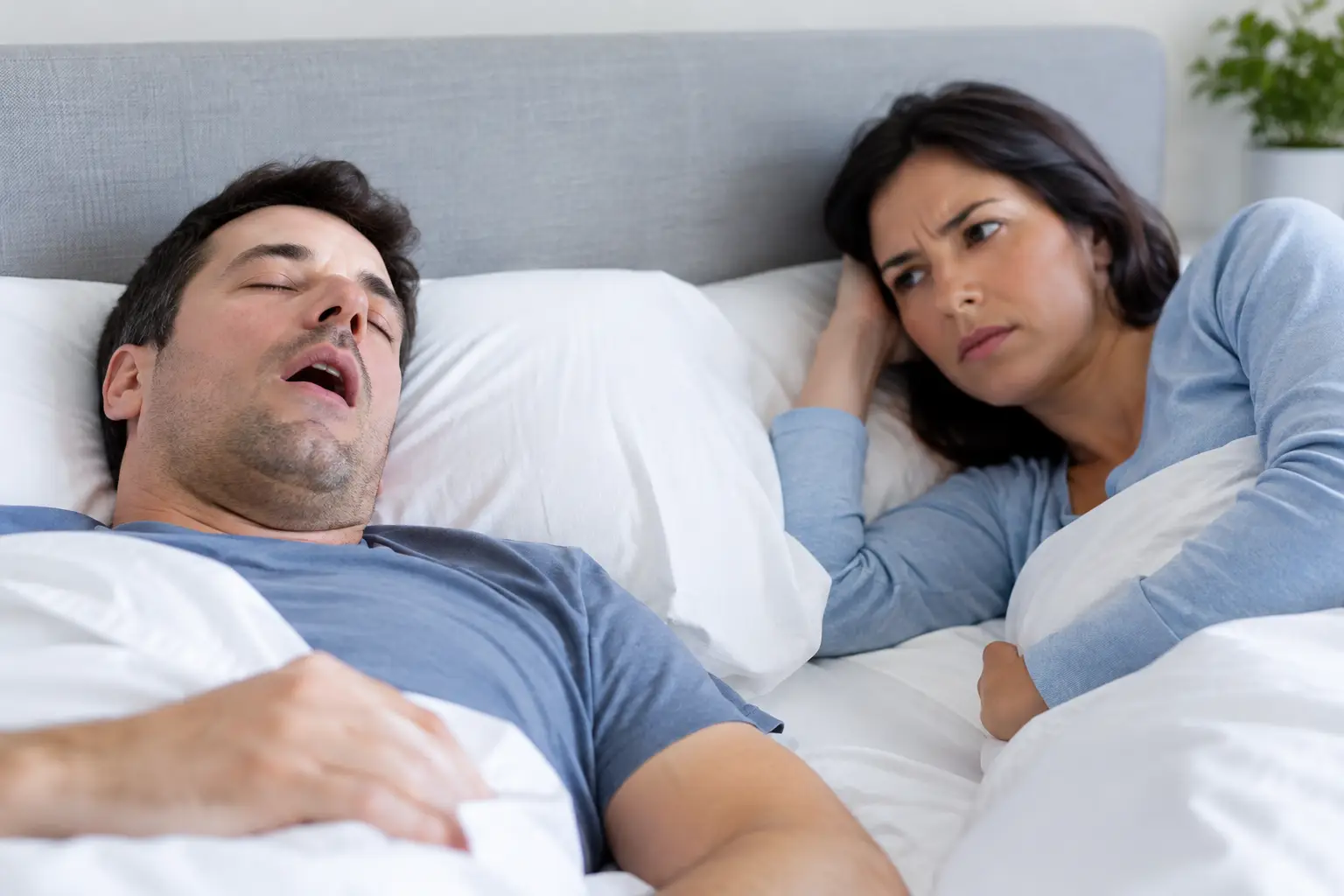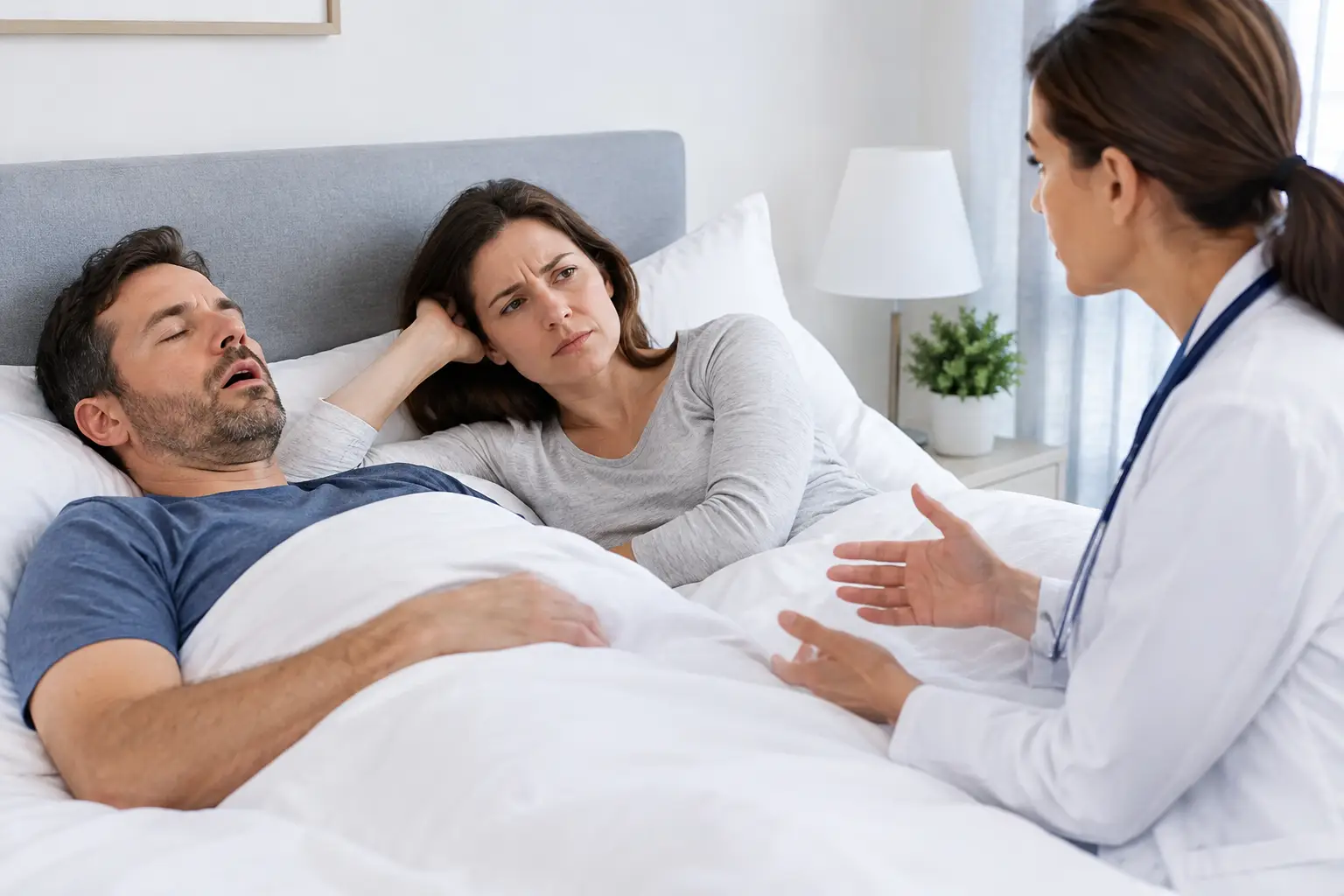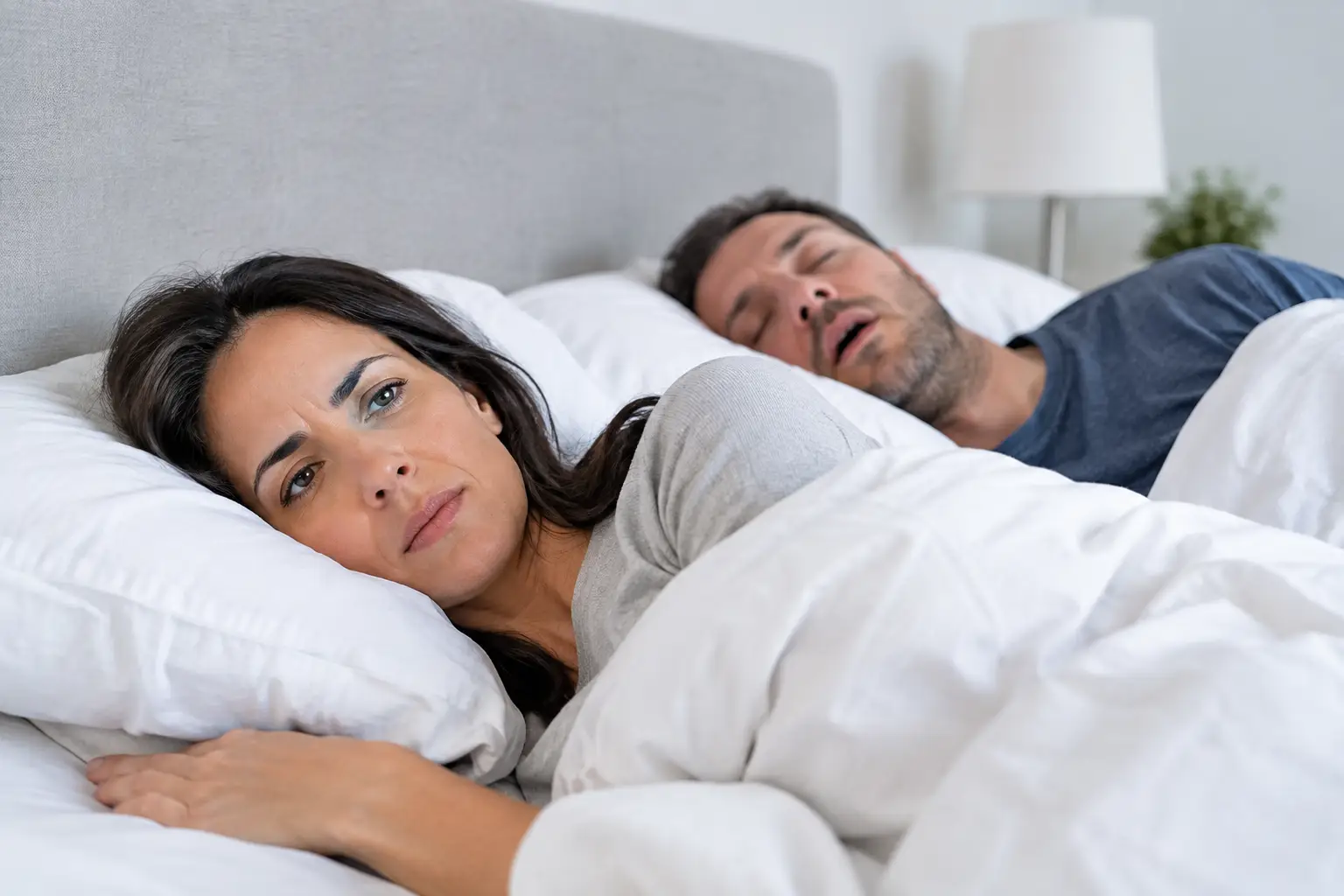
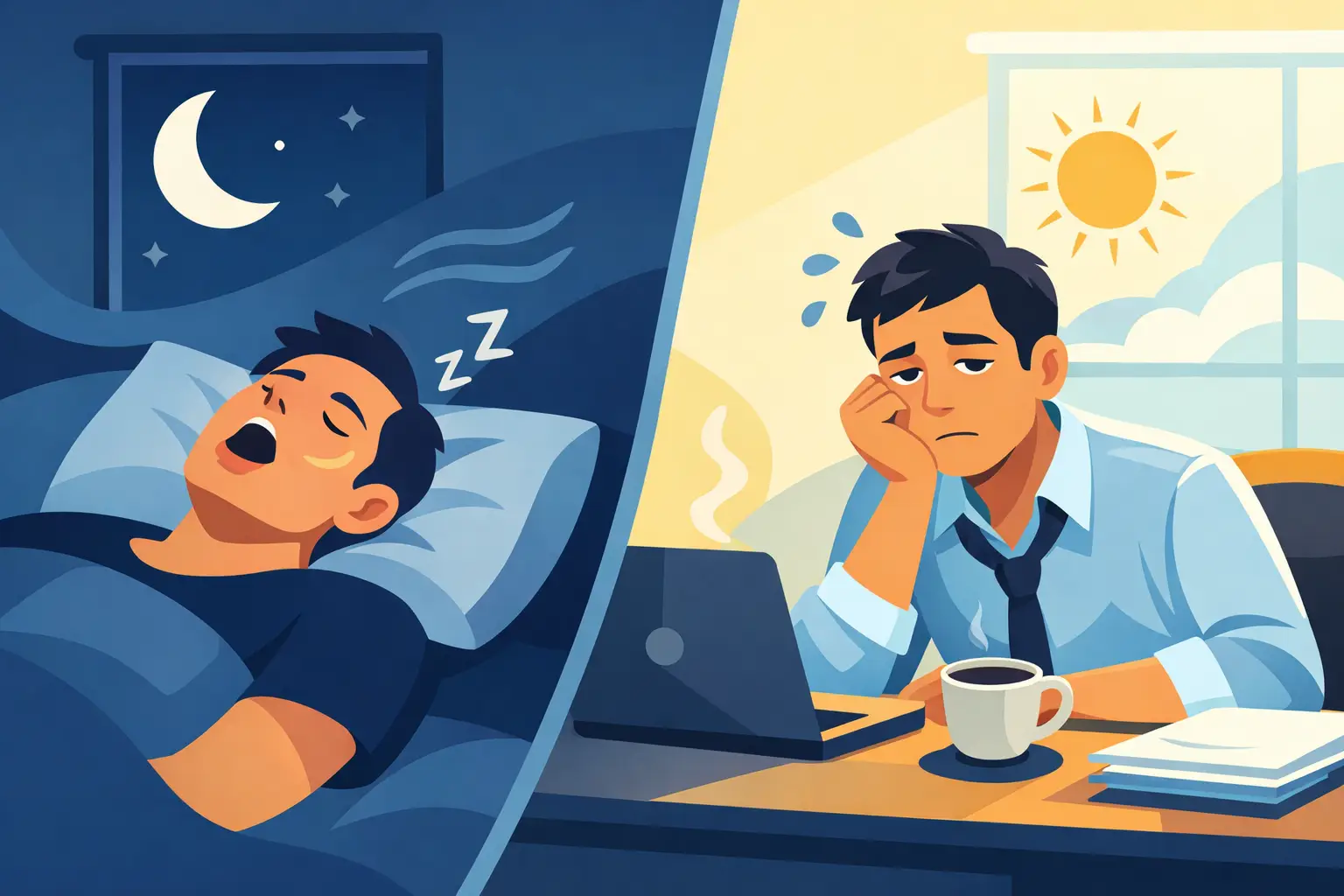
A full night in bed does not always mean a full night of restorative sleep. If you wake with a dry mouth, morning headache, or a partner who says your snoring is loud enough to cross the room, it is fair to ask: does snoring affect daytime energy? It can. For some people, snoring is mostly a sound caused by relaxed throat tissues. For others, it is a sign that breathing is repeatedly restricted during sleep, leaving the body working harder when it should be recovering.
Feeling tired is easy to dismiss when work is busy, family schedules are full, or sleep has simply become an afterthought. But ongoing daytime fatigue deserves attention, especially when it appears alongside loud snoring, gasping, or pauses in breathing.
How snoring can drain your energy
Snoring happens when air moves through a narrowed upper airway and causes soft tissues to vibrate. The sound itself does not automatically mean your sleep is poor. A person who snores lightly and breathes normally may still get adequate rest.
The concern is what may be happening behind the sound. When the airway narrows too much, the brain may briefly rouse the body to reopen it. These arousals can be so short that you do not remember waking up, but they can interrupt the deeper stages of sleep that support physical recovery, memory, mood, and alertness.
In obstructive sleep apnea, the airway partially or fully closes repeatedly during sleep. Breathing can become shallow or stop for short periods, followed by a snort, gasp, or louder burst of snoring as airflow resumes. This cycle may happen many times in one night. Even if someone spends seven or eight hours in bed, their sleep can be fragmented enough to leave them feeling as though they barely rested.
The daytime effects can be subtle at first
Sleep-related breathing problems do not always look like falling asleep at your desk. Daytime energy changes may begin as needing extra coffee, struggling to focus in afternoon meetings, feeling less patient with family, or relying on weekend sleep to catch up. Some people notice a foggy feeling during their commute or find that routine tasks take more concentration than they used to.
Poor-quality sleep can also affect exercise recovery, appetite cues, and mood. It does not mean snoring is the only possible explanation for fatigue. Stress, medications, depression, anemia, thyroid conditions, chronic pain, and many other factors can contribute. Still, when snoring and low energy appear together, looking at sleep quality is a practical place to start.
Does snoring affect daytime energy for everyone?
Not necessarily. The answer depends on the cause, frequency, and severity of the snoring, as well as whether breathing is disrupted. Nasal congestion from allergies, sleeping on your back, alcohol close to bedtime, and normal age-related changes in throat muscle tone can all make snoring more likely. These situations may be temporary or improve with simple changes.
However, loud, frequent snoring with pauses, choking, or gasping is more concerning. So is snoring paired with persistent sleepiness, morning headaches, high blood pressure, waking to urinate frequently, or difficulty concentrating. Your bed partner may notice warning signs before you do, because the sleeper often does not recall the breathing interruptions.
Children can snore too, although their symptoms and evaluation needs differ from adults. In any age group, regular snoring should not be treated as harmless if it comes with daytime behavior changes, learning or focus concerns, or observed breathing pauses.
Signs it may be time for a sleep evaluation
A sleep evaluation can help distinguish simple snoring from obstructive sleep apnea or another sleep-related concern. It typically begins with a conversation about your health history, sleep habits, medications, and symptoms. Depending on your needs, a medical provider may recommend a home sleep test or an overnight sleep study.
Consider discussing an evaluation if you experience several of the following:
- Loud snoring on most nights
- Witnessed pauses in breathing, gasping, or choking during sleep
- Waking unrefreshed despite enough time in bed
- Daytime sleepiness, fatigue, irritability, or concentration problems
- Morning dry mouth or headaches
- High blood pressure or other health concerns that are difficult to manage
Do not ignore drowsiness while driving. If you are fighting sleep behind the wheel, pull over safely and seek prompt medical guidance. Sleepiness can be a safety issue, not simply an inconvenience.
What can help if snoring is affecting your sleep?
The right approach depends on what is causing the snoring. If seasonal congestion is the main trigger, addressing nasal symptoms with guidance from your healthcare provider may help. Sleeping on your side rather than your back can reduce snoring for some people. Avoiding alcohol or sedating medications near bedtime, when medically appropriate, may also reduce throat muscle relaxation. Maintaining a healthy weight can improve airway function for certain patients, though snoring and sleep apnea can affect people at any body size.
These changes can be worthwhile, but they should not replace evaluation when warning signs point to possible sleep apnea. It is also worth being cautious about over-the-counter products that promise to stop snoring without identifying why it is happening. A quieter night is not always proof that breathing has become healthy and stable.
Oral appliance therapy: a comfortable option for many adults
For adults diagnosed with obstructive sleep apnea or primary snoring, a custom oral appliance may be an effective treatment option. This small device is worn during sleep and is designed to gently position the lower jaw forward. That adjustment can help keep the airway more open and reduce tissue vibration and breathing obstruction.
Oral appliance therapy is often considered for mild to moderate obstructive sleep apnea, for people who cannot comfortably tolerate CPAP, or for those with more severe apnea who need an alternative or coordinated treatment plan. CPAP remains an important and highly effective option for many patients, particularly when sleep apnea is severe. Treatment should be based on a proper diagnosis, the severity of the condition, your health history, and what you can use consistently.
A professionally fitted appliance is different from a generic mouthguard or a boil-and-bite device. It is made for your teeth and bite, then adjusted over time to balance airway improvement, comfort, and jaw health. Follow-up matters because an appliance that is uncomfortable or poorly positioned is less likely to be worn consistently and may cause dental or jaw discomfort.
At Seattle Oral Care, sleep-focused oral healthcare is provided by an AADSM-certified prosthodontist who can work with your physician and sleep team when oral appliance therapy is appropriate. That coordinated care matters because better sleep treatment should also protect your teeth, gums, jaw joints, and long-term bite.
A better question than “Do I snore?”
Many people ask whether their snoring is annoying. A more useful question is whether it is affecting their health, energy, and quality of life. If your mornings start with exhaustion, your afternoons require constant effort, or your partner is hearing pauses and gasps, you do not have to guess your way through it.
A thoughtful evaluation can give you clearer answers and a treatment plan that fits your needs. Restful sleep is not a luxury or something you should have to earn after an especially easy week. It is part of feeling present, focused, and well enough to enjoy the life waiting for you when morning comes.