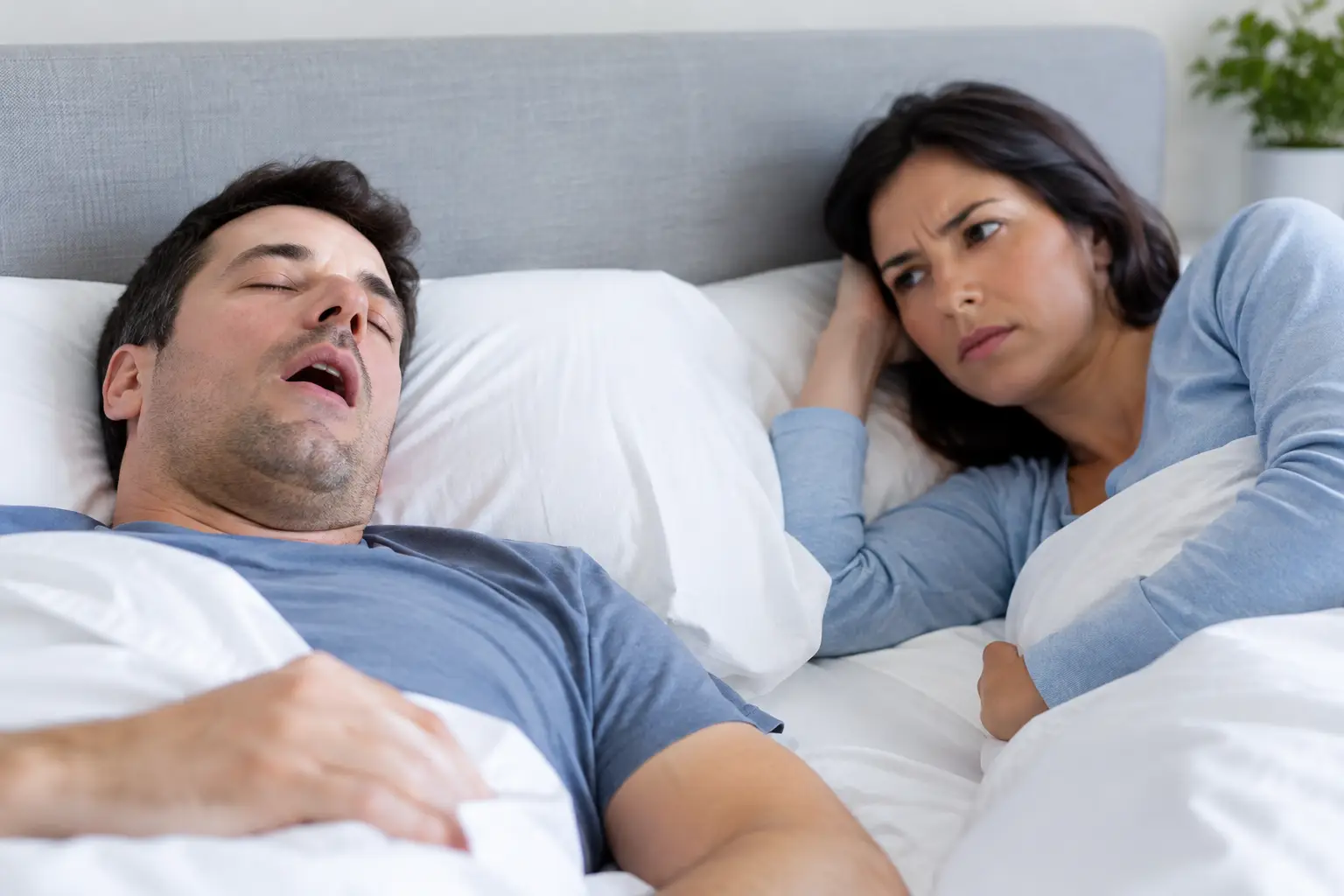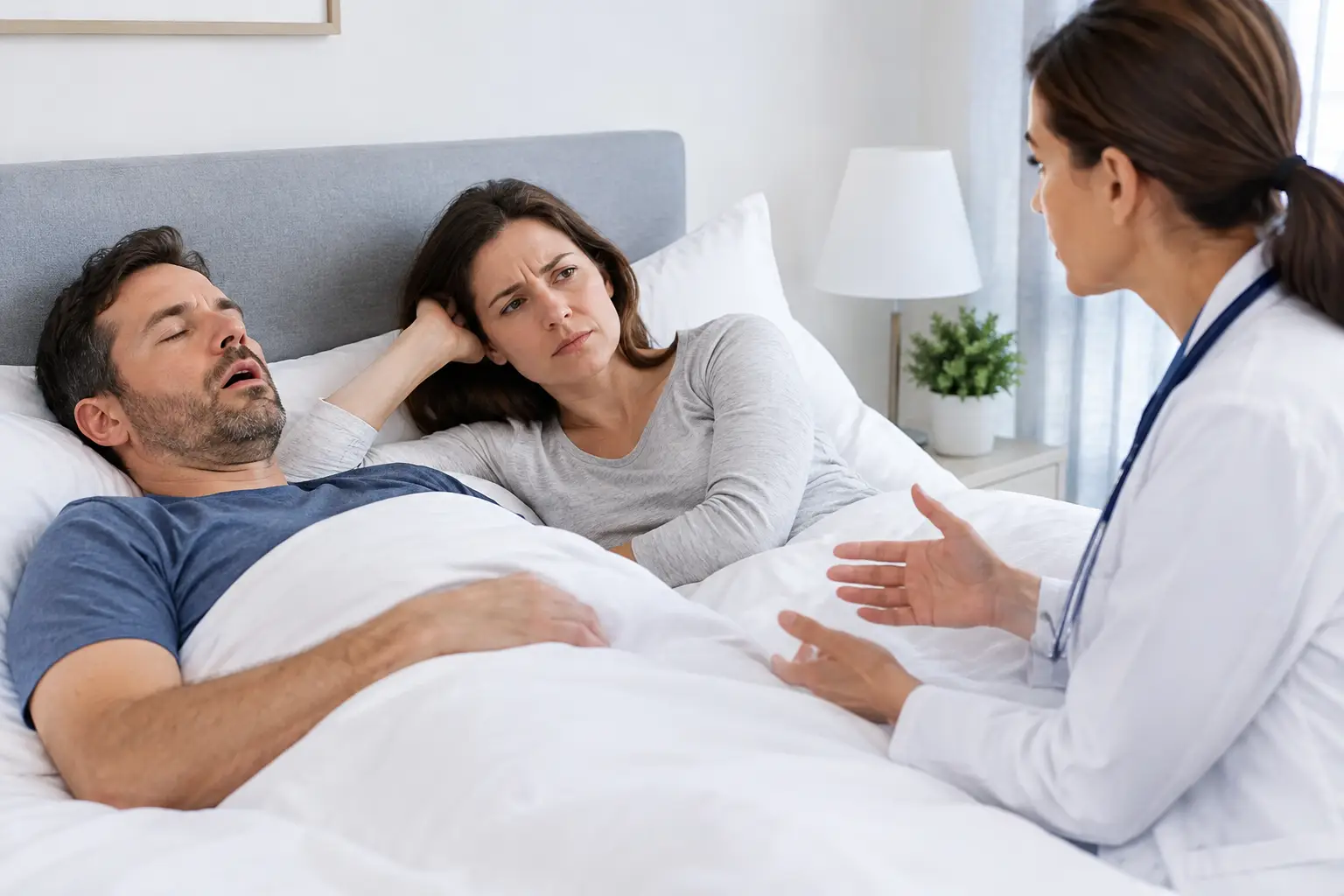
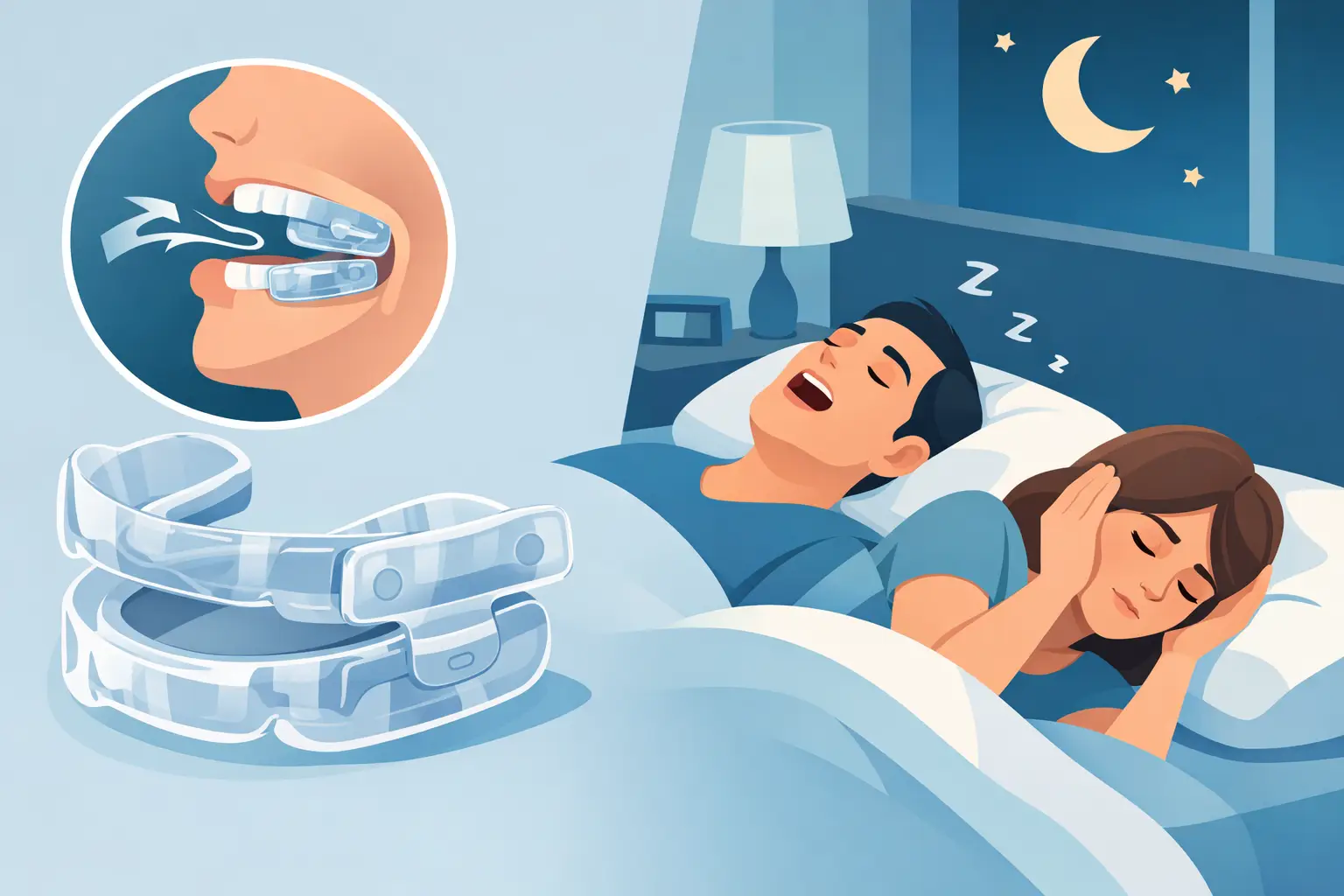
Snoring can seem like a household nuisance until it starts affecting how you feel during the day. If you wake tired, struggle to focus, or hear from a partner that your breathing pauses at night, a mouth appliance for snoring may be worth discussing with a qualified dental sleep medicine provider. The right device can help keep the airway open, reduce disruptive snoring, and support more restorative sleep. But not every snoring appliance is appropriate for every person.
The first step is understanding what is causing the sound. Snoring happens when relaxed tissues in the throat vibrate as air moves past them. For some people, it is positional or occasional. For others, it is a sign of obstructive sleep apnea, a medical condition in which breathing repeatedly narrows or stops during sleep. Those situations require different levels of evaluation and care.
How a mouth appliance for snoring works
Most professionally made oral appliances for snoring are mandibular advancement devices. They are small, custom-fitted devices worn over the upper and lower teeth, much like a protective sports guard or orthodontic retainer. The appliance gently brings the lower jaw forward while you sleep. This forward position can help prevent the tongue and soft tissues from falling back and blocking the airway.
A custom mouth appliance is adjusted in small increments over time. The goal is not to move the jaw as far forward as possible. It is to find a position that improves airflow while remaining comfortable for your teeth, jaw joints, and muscles.
This is a meaningful difference from a generic, boil-and-bite device sold online or in a pharmacy. Store-bought options may feel bulky, fit loosely, or place uneven pressure on teeth and the jaw. They also cannot be precisely calibrated or monitored for dental side effects. A professionally fitted appliance is designed around your bite, tooth health, jaw movement, and sleep needs.
Snoring alone or sleep apnea: why the distinction matters
A sleep appliance for snoring may be a helpful option for primary snoring, particularly when a partner reports frequent noise but there are no signs of breathing interruptions. Still, a clinical conversation is wise before treating snoring as harmless.
Obstructive sleep apnea can contribute to daytime sleepiness, morning headaches, mood changes, high blood pressure, and reduced quality of life. Common warning signs include loud habitual snoring, witnessed pauses in breathing, gasping or choking during sleep, waking with a dry mouth, and falling asleep unintentionally during quiet daytime activities.
If sleep apnea is suspected, a sleep physician can evaluate you and may recommend a home sleep test or an overnight sleep study. A dentist does not diagnose sleep apnea, but a dentist trained in dental sleep medicine can work with your physician to provide and manage oral appliance therapy when it is appropriate.
For many adults with mild to moderate obstructive sleep apnea, a custom oral appliance can be an effective alternative to CPAP. It may also be considered when a person cannot tolerate CPAP, travels often, or needs a compact option that is easier to wear consistently. For severe sleep apnea, CPAP is often the first-line therapy, though an oral appliance can sometimes be used in coordination with physician-directed treatment.
Is a sleep apnea mouth guard the same thing?
People often search for a “sleep apnea mouth guard,” but the term can be misleading. A night guard protects teeth from grinding and clenching. It does not advance the lower jaw or reliably treat airway obstruction. In some cases, a standard night guard may even make snoring worse if it allows the jaw to fall farther back.
A sleep apnea mouth guard is more accurately called a custom oral appliance for sleep apnea. It is built to support the airway, not simply cushion the teeth. If you grind your teeth as well as snore, your provider can account for both concerns when selecting a device and planning follow-up care.
That distinction matters because treatment should protect more than your sleep. It should also protect your teeth, gums, bite, and jaw joints over the long term.
Who may be a good candidate for a snoring appliance?
A snoring appliance may be a good fit for adults with primary snoring or physician-diagnosed mild to moderate obstructive sleep apnea. It can be especially appealing for people who find CPAP difficult to use regularly, want a travel-friendly treatment, or prefer a quiet, non-powered option.
Your dental health also plays a role. The appliance needs stable teeth or restorations for support. Gum disease, loose teeth, untreated decay, significant jaw pain, or certain bite concerns may need treatment before an oral appliance is made. Dentures, implants, bridges, and missing teeth do not automatically rule out therapy, but they make individualized planning even more necessary.
At Seattle Oral Care, this planning can be particularly valuable for patients with complex restorative needs. A careful examination helps determine whether existing crowns, implants, bridges, or jaw concerns need to be considered before moving forward with sleep treatment.
What the fitting process should include
Getting a custom mouth appliance should feel thorough, not rushed. After a review of your sleep history and physician recommendations, the dental team evaluates your teeth, gums, bite, jaw joints, and range of motion. Digital scans or impressions are then used to create a device that fits securely and comfortably.
Once the appliance is delivered, you will receive instructions on wear, cleaning, and adjustment. Many devices are gradually advanced over several weeks, allowing your airway symptoms and comfort to guide the process. Some temporary tooth pressure or morning jaw stiffness can occur early on, but persistent pain, bite changes, or damaged appliance parts should be addressed promptly.
Follow-up visits are a central part of treatment. Your provider checks fit, comfort, jaw health, and whether snoring and daytime symptoms are improving. When treating diagnosed sleep apnea, the sleep physician may recommend follow-up testing to confirm that the appliance is adequately controlling breathing events. Feeling better is encouraging, but a test provides a clearer measure of treatment success.
Benefits and trade-offs to consider
The biggest benefit of a custom oral appliance is usability. It is quiet, portable, and does not require electricity, tubing, or a bedside machine. For people who have struggled to sleep with CPAP, that convenience can make consistent treatment more realistic. Partners often appreciate the reduction in snoring as well.
There are trade-offs. An appliance is not an instant fix for every type or severity of sleep apnea. Some people experience jaw soreness, excess saliva, dry mouth, or gradual changes in how their teeth meet. These effects are why professional fitting and regular monitoring matter. A device that feels acceptable on the first night may still need adjustments to remain healthy and effective over months and years.
Lifestyle changes can also support treatment. Sleeping on your side, avoiding alcohol close to bedtime, maintaining a healthy weight when recommended by your medical team, and treating nasal congestion may reduce snoring for some people. These steps do not replace evaluation when sleep apnea is possible, but they can improve overall results.
Questions to ask before choosing an appliance
Before starting treatment, ask whether your snoring has been evaluated for sleep apnea, whether the device will be custom-made and adjustable, and how follow-up will be handled. It is also reasonable to ask how your teeth, restorations, gum health, and jaw joints will be monitored over time.
The right sleep appliance is not simply the one that fits in your mouth. It is the one selected after your breathing, comfort, and long-term oral health have all been considered. If snoring is affecting your rest, your relationship, or your daytime energy, a thoughtful evaluation can replace guesswork with a clear path toward better sleep.