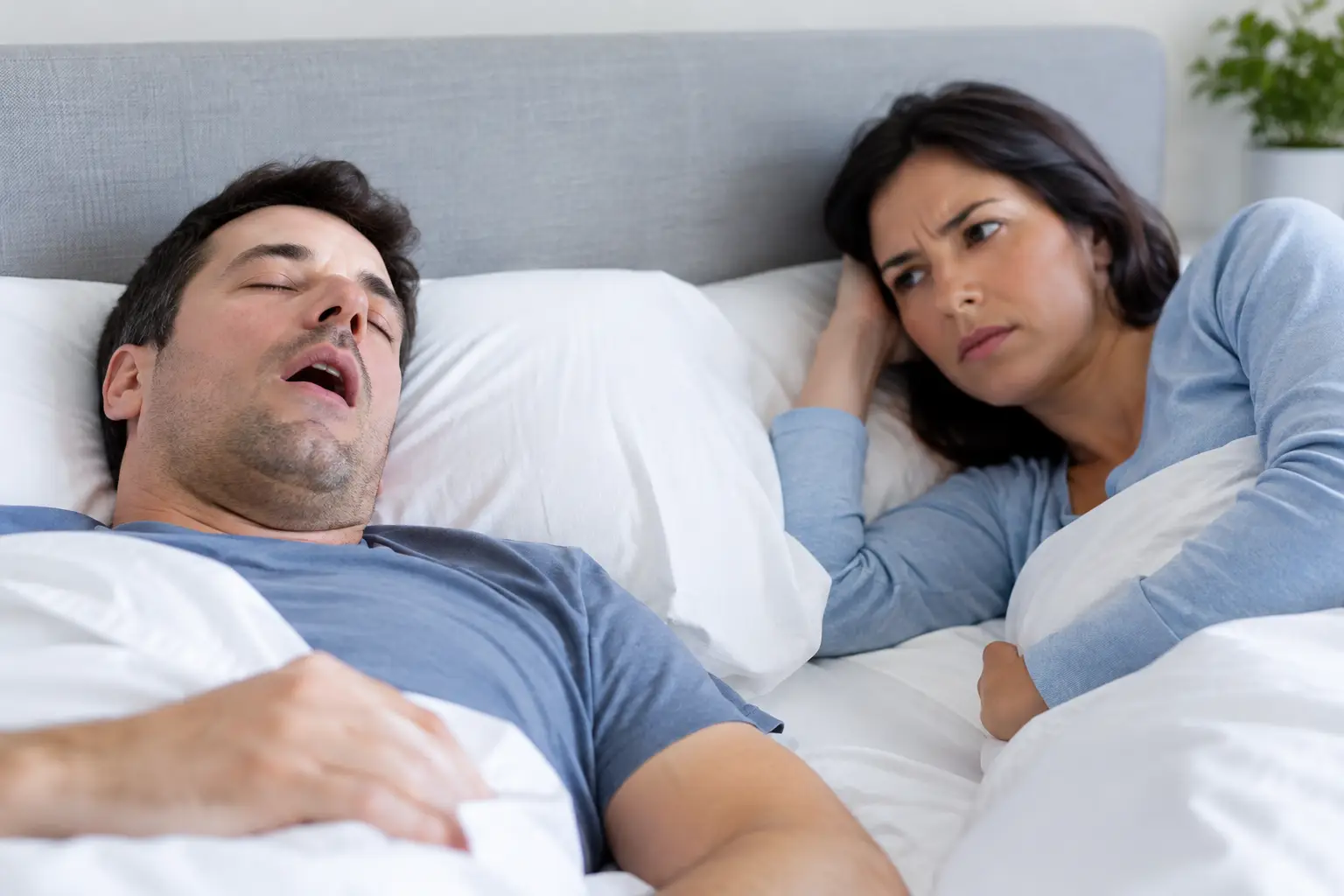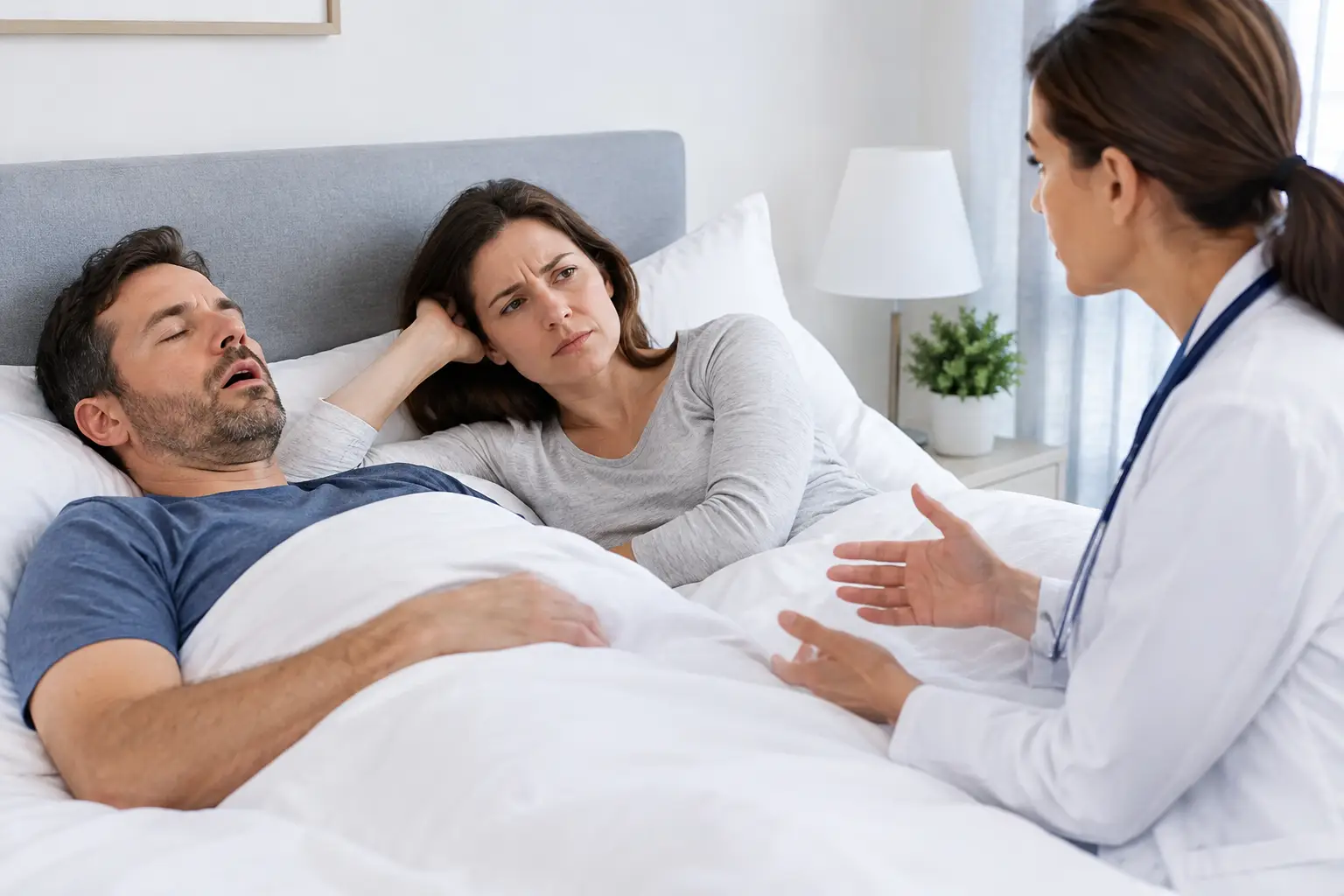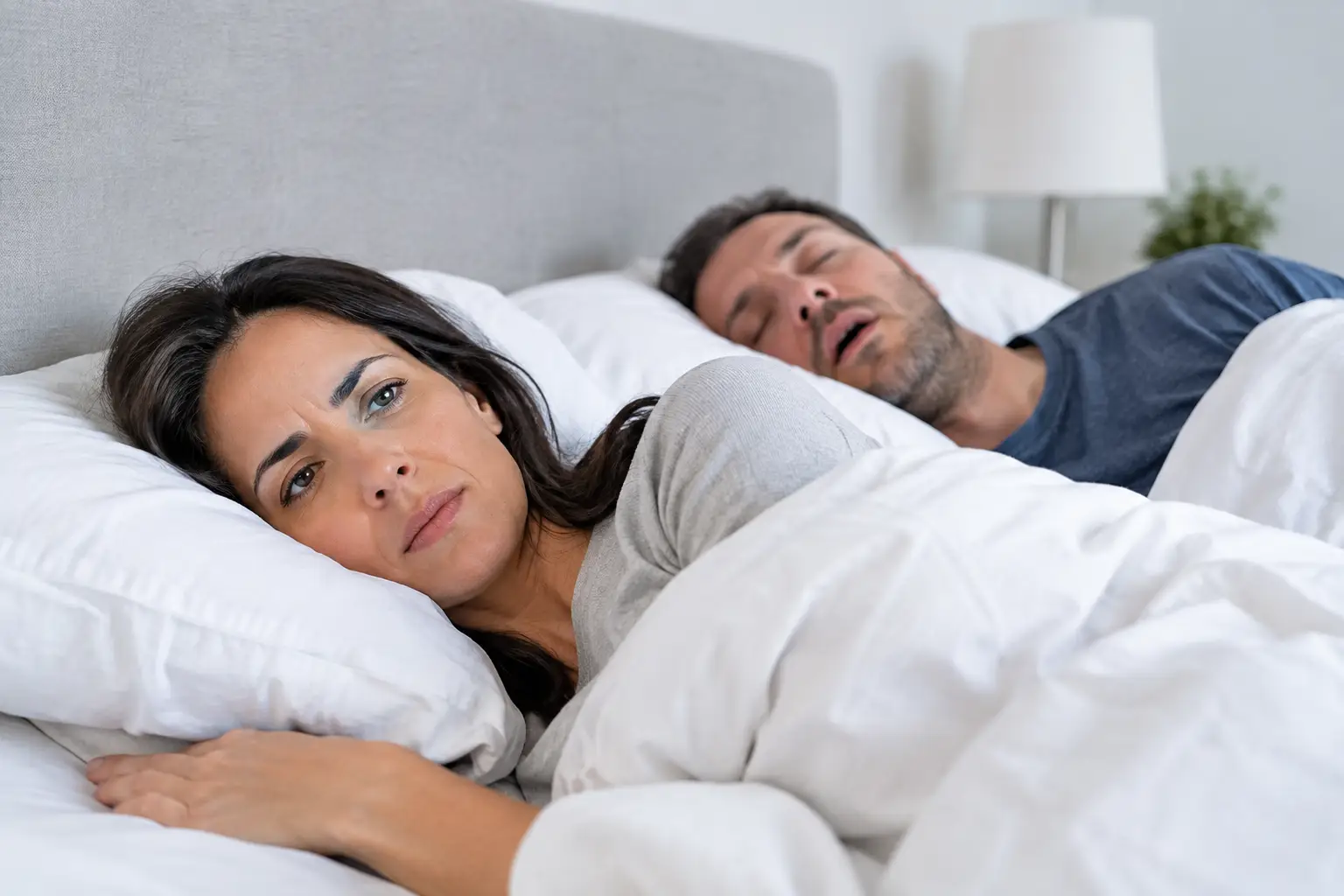
Snoring can affect far more than a quiet bedroom. When it leaves you or your partner tired, irritable, or concerned about breathing at night, an oral appliance for snoring may be worth discussing with a qualified sleep dentist. For the right patient, this small, custom-made device can help keep the airway more open during sleep without the bulk of a CPAP mask.
How an oral appliance for snoring works
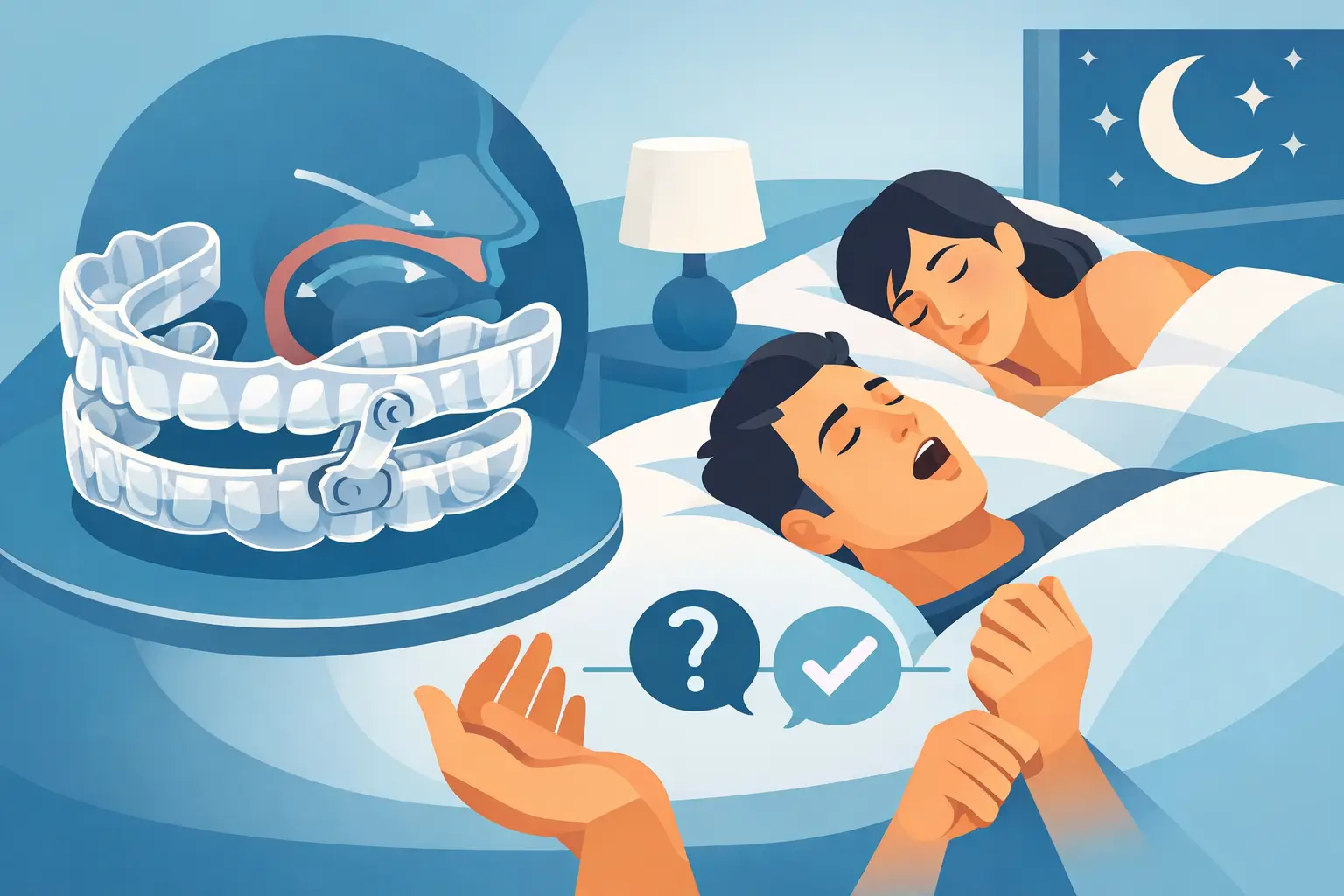
Most snoring-related appliances work by gently bringing the lower jaw forward while you sleep. This forward position can reduce the tendency of the tongue and soft tissues at the back of the throat to narrow the airway. Air can move more freely, which may lessen vibration and the familiar sound of snoring.
This type of appliance is often called a mandibular advancement device or a mandibular advancement splint . It is typically made of two fitted pieces that sit over the upper and lower teeth and are connected in a way that guides the lower jaw forward. Unlike an over-the-counter option, a custom appliance can be adjusted gradually to balance effectiveness with comfort.
A properly fitted appliance should feel secure, not loose or bulky. It should also allow your dentist to monitor changes in your bite, jaw joints, teeth, and gum health over time.
Snoring is not always just snoring
Some people snore without having sleep apnea. Others have obstructive sleep apnea, or OSA, a condition in which breathing repeatedly slows or stops during sleep because the airway becomes blocked. Loud snoring, choking or gasping during sleep, morning headaches, dry mouth, daytime fatigue, and trouble concentrating can all be signs that further evaluation is needed.
An oral device for OSA can be an effective treatment for many people with mild to moderate obstructive sleep apnea and for some patients who cannot comfortably tolerate CPAP. However, a sleep study and diagnosis from a qualified medical provider are essential before treatment. Snoring alone does not tell us whether your airway is being affected by a more serious condition.
For severe OSA, CPAP is often the most effective first-line therapy. Still, oral appliance therapy may play a role when CPAP is not tolerated or as part of a coordinated plan developed with your sleep physician.
A night guard for snoring is not the same thing
It is easy to assume that any appliance worn over the teeth will help with snoring. A standard night guard for snoring is not a reliable solution if it is designed only to protect teeth from grinding. A traditional grinding guard does not position the jaw to support the airway and, in some cases, may not be appropriate for a person with suspected sleep apnea.
A true sleep appliance is designed around your bite, jaw movement, teeth, and airway needs. This distinction matters. An appliance that is not fitted or monitored correctly can cause jaw soreness, tooth movement, bite changes, or inadequate treatment of an underlying sleep-breathing problem.
Who may benefit from oral appliance treatment?
Oral appliance treatment may be a good fit for adults who snore regularly, have been diagnosed with mild to moderate OSA, travel often, or have struggled with CPAP. It can also appeal to people who want a quiet, portable option that does not require electricity.
That said, candidacy depends on more than snoring. Your dentist will consider your teeth, gum health, jaw joints, bite stability, and whether you have enough healthy teeth to support the device. Patients with significant untreated periodontal disease, extensive tooth mobility, certain jaw-joint concerns, or major bite issues may need other care first.
At Seattle Oral Care, sleep-focused appliance therapy is provided with attention to both airway health and long-term dental stability. A careful evaluation helps identify whether an appliance is appropriate and how to make it as comfortable and effective as possible.
What the process typically looks like
If you and your sleep physician decide to use oral appliances, the process begins with a detailed dental examination and a review of your sleep diagnosis. Digital scans or impressions are used to create an appliance that fits precisely over your teeth. Once it is delivered, the device is adjusted in small increments to find the jaw position that supports better breathing without putting unnecessary strain on the jaw.
Follow-up visits are part of treatment, not an extra. Your dentist checks your bite, comfort, appliance fit, and symptoms. Your physician may also recommend follow-up sleep testing to confirm that the appliance is effectively treating OSA, rather than simply making snoring quieter.
Better sleep should not require guesswork. If snoring is disrupting your rest or raising concerns about sleep apnea, a professional evaluation can help you move toward a treatment plan that protects both your breathing and your smile.